Blue Grouse Daily Bag Limit
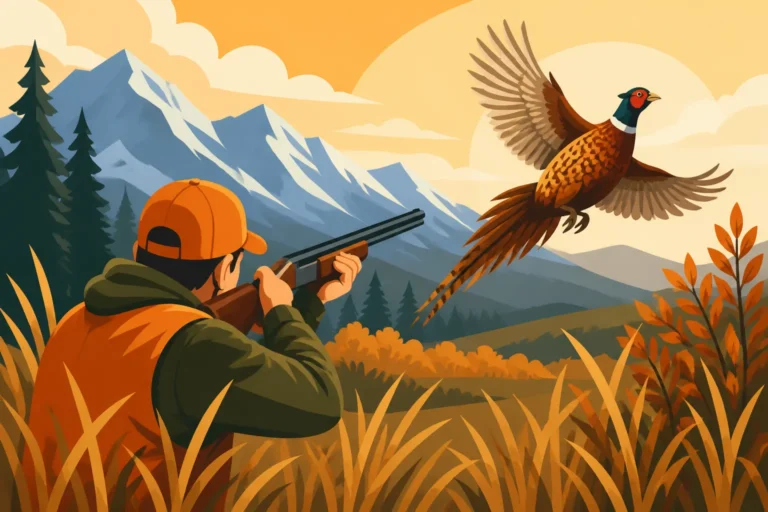
Navigating the intricate world of British Columbia's hunting regulations can often feel like trying to solve a complex puzzle, especially when it comes to specific game birds like grouse. Many hunters, myself included, have stood in the woods, shotgun in hand, wondering if that bird they just flushed counts towards the limit and what that limit actually is. This comprehensive guide is designed to cut through the confusion surrounding the blue grouse daily bag limit in British Columbia, offering clear, actionable information to help you stay compliant and enjoy your hunt to the fullest.
Understanding British Columbia's Grouse Regulations
British Columbia is a haven for upland bird hunters, boasting a variety of grouse species. However, with that abundance comes the responsibility of knowing and adhering to the specific rules for each. The "blue grouse" is a common term used by many hunters, but it’s important to understand the specific species covered by this general moniker, and how this impacts your bag limit.
The Nuances of Blue Grouse Identification
The birds commonly referred to as "blue grouse" in British Columbia are actually two distinct species: the Sooty Grouse (often found in coastal and lower elevation areas) and the Dusky Grouse (typically inhabiting interior, higher elevation regions). While they share many similarities and were once considered the same species, their separation is critical for biologists and often for specific regional regulations. From a hunter's perspective, both are generally lumped under the "blue grouse" umbrella in the regulations for bag limits, but knowing which one you're pursuing can help you understand their habitat and behavior better.
Distinguishing these magnificent birds from other grouse species like Ruffed Grouse or Spruce Grouse is paramount. Blue grouse are generally larger, darker, and often found higher up in trees or on steeper, forested slopes, especially as the season progresses. Ruffed grouse, with their distinctive ruffs and fan-shaped tails, prefer denser deciduous or mixed forests. Spruce grouse are smaller, stockier, and often found in coniferous forests, sometimes showing little fear of humans. Misidentification could lead to inadvertently exceeding a bag limit for another species or harvesting a bird out of season, which carries significant penalties. This is why a keen eye and familiarity with local species are vital before you ever pull the trigger.
General Hunting Season Dates for Blue Grouse
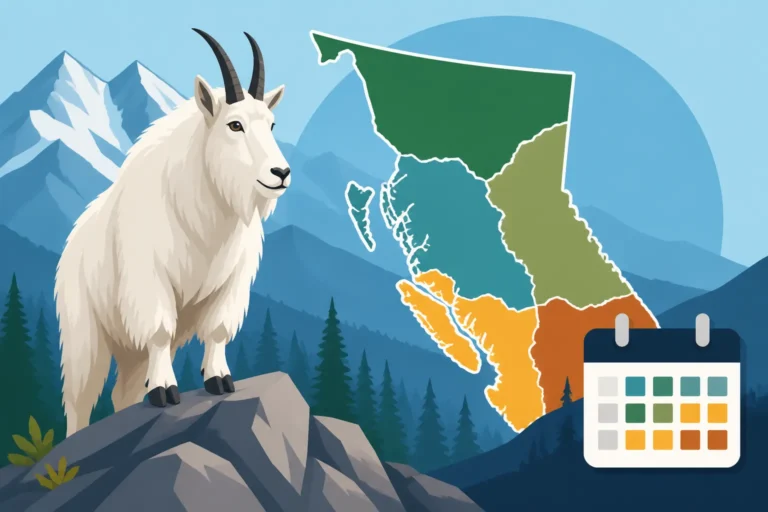
Blue grouse seasons in British Columbia generally kick off in early September, aligning with many other upland game bird openers. These seasons often extend well into the fall, sometimes even into December, depending on the specific Management Unit (MU) and region. The vastness of British Columbia means that season dates can vary significantly from one region to another, and even between adjacent Management Units. For instance, coastal areas might have slightly different opening and closing dates than the interior or northern regions due to varying climate and wildlife patterns.
It's absolutely critical to consult the most current British Columbia Hunting and Trapping Regulations Synopsis every year. This document, available online through the provincial government website, is your bible for all hunting regulations, including precise season dates for blue grouse. Never rely on last year's memory or anecdotal information from a friend; regulations can change annually. Tools and platforms like GoHunt can also be incredibly helpful for quickly referencing season dates and specific MU details, ensuring you're always operating within the legal framework for the area you plan to hunt. A thorough check before each trip prevents any unfortunate surprises and ensures a legal and enjoyable hunting experience.
Deciphering the Blue Grouse Daily Bag Limit
Once you've wrapped your head around identification and season dates, the next piece of the puzzle is understanding the actual daily bag limit for blue grouse. This limit isn't just a suggestion; it's a strict legal requirement designed to ensure sustainable populations for future generations of hunters.
The Standard Provincial Bag Limit
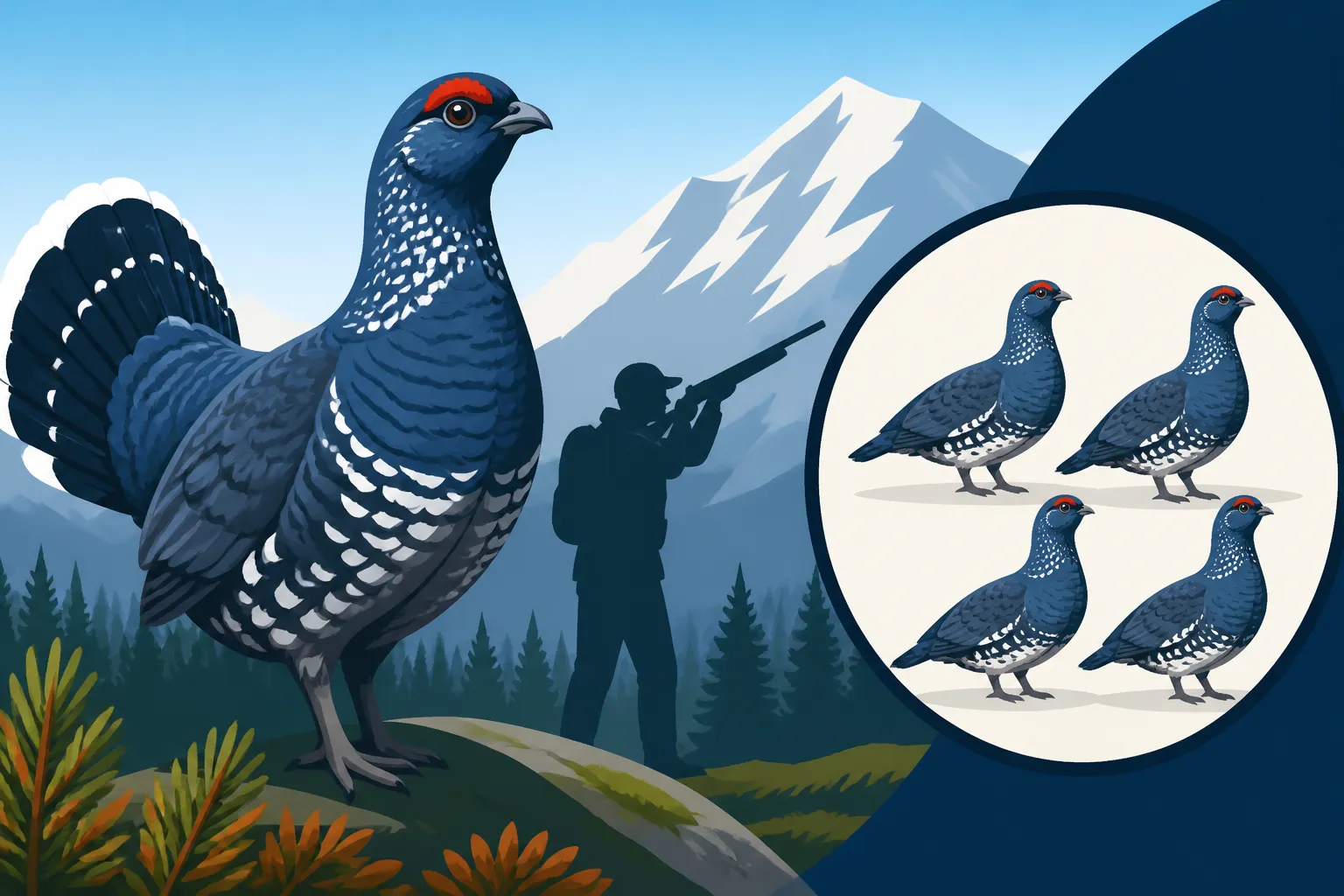
For blue grouse, the standard daily bag limit in most regions of British Columbia is often set at 5 birds per day. This means that within a 24-hour period, you are legally permitted to harvest no more than five blue grouse. It's a straightforward number, but its interpretation in the field requires careful thought. This "daily bag limit" is distinct from the "possession limit," which refers to the total number of birds you can have in your possession at any given time, whether in the field, at camp, or at home. For blue grouse, the possession limit is typically double the daily bag limit, meaning you can generally possess up to 10 birds. So, if you hunt for two days and harvest five birds each day, you could theoretically have ten birds in your cooler, but you couldn't shoot six on a single day.
However, keep in mind that these are general guidelines, and it's vital to cross-reference with the official synopsis. The specific wording might specify "blue grouse (Dusky and Sooty Grouse combined)," reinforcing that both species fall under the same limit. The intention behind these limits is to allow for recreational harvest while protecting breeding populations. As a responsible hunter, respecting these limits is fundamental to the sustainability of the resource and to avoiding legal trouble.
Regional Variations and Exceptions
While a provincial standard often exists, British Columbia's diverse geography and varying wildlife populations mean that regional exceptions and nuances to the blue grouse daily bag limit are not uncommon. These variations are usually implemented based on local population dynamics, habitat health, or specific conservation objectives. For instance, a Management Unit with a robust and thriving blue grouse population might have a more liberal season length or even a slightly different bag limit, whereas an area experiencing population declines could have a reduced limit or a shorter season to aid recovery.
These regional differences are typically outlined in the "Regional Regulations" section of the BC Hunting and Trapping Regulations Synopsis. You might find that in Region 1 (Vancouver Island), the blue grouse limit is the standard 5, but in a specific part of Region 8 (Okanagan), it could be lower or have specific conditions tied to it. This is where tools like GoHunt become invaluable. Their interactive maps and regulation overlays can quickly show you the specific rules for a given Management Unit simply by clicking on it. Imagine you're planning a trip to a new area for Hunting British Columbia's Alpine in September. You'd pull up the MU, verify the blue grouse limits, and then scout the terrain accordingly. It's a stark reminder that blindly applying a general provincial rule without checking the specifics for your intended hunting grounds can lead to unwitting violations. Always double-check the MU you'll be hunting in for any specific footnotes or regional adjustments.
| Species | Daily Bag Limit (General) | Possession Limit (General) | Typical Season Start | Preferred Habitat |
|---|---|---|---|---|
| Blue Grouse | 5 | 10 | Early September | Coniferous forests, subalpine, logging roads |
| Ruffed Grouse | 5 | 10 | Early September | Deciduous/mixed forests, alder bottoms |
| Spruce Grouse | 5 | 10 | Early September | Dense coniferous forests, often roadsides |
| Ptarmigan (All spp.) | 5 | 10 | Early September | Alpine tundra, rocky areas above timberline |
Note: These are general guidelines. Always consult the current BC Hunting and Trapping Regulations Synopsis for specific regional and Management Unit details, as well as any in-season changes.
Practical Tips for a Successful and Legal Blue Grouse Hunt
Now that you're well-versed in the regulations, let's talk about putting that knowledge to good use in the field. Hunting blue grouse can be an incredibly rewarding experience, offering opportunities to explore some of BC's most beautiful landscapes.
Scouting and Habitat for Blue Grouse
Blue grouse are creatures of habit, and understanding their preferred habitat is key to finding them. They generally favor coniferous forests, particularly areas with a mix of mature timber and younger regeneration. You'll often find them along logging roads, in the fringes of clearcuts, or in subalpine zones. In the early season, they might be lower down, feeding on berries and insects. As the weather cools and fall progresses, these birds tend to move to higher elevations, seeking out dense stands of conifers for shelter and food sources like conifer needles. This upward migration means that what was a great spot in September might be quiet in October, requiring you to adjust your approach and elevation.
Scouting isn't just about finding birds; it's about understanding their movements and patterns. Pay attention to droppings, dusting sites, and areas with their preferred food sources. When Walking Up Blue Grouse on a Logging Road, move slowly and deliberately, scanning the trees and ground ahead. Blue grouse have an incredible ability to blend in with their surroundings, often remaining perfectly still until you're almost on top of them before bursting into flight. Knowing their behavior, such as their tendency to 'tree' (fly up into a tree) when flushed, can help you anticipate their movements and prepare for a shot. Using a good mapping app can also highlight elevation changes and different forest types that might hold birds, making your scouting efforts more efficient.
Gear and Techniques for Upland Bird Hunting
When it comes to gear for blue grouse, a lightweight shotgun is generally preferred, allowing for easy carry over varied terrain. A 12-gauge or 20-gauge shotgun with an improved cylinder or modified choke is versatile enough for most situations, whether the bird flushes close or farther out. As for ammunition, smaller shot sizes like 6 or 7.5 are typically sufficient for these birds, offering a good pattern density without over-penetration. Remember, British Columbia has Non-Toxic Shot Rules in British Columbia for certain areas, especially near water, so always confirm requirements for your specific hunting location.
Hunting techniques vary. Many hunters find success by simply Hunting British Columbia's Logging Road Network, walking slowly and watching for birds flushing from the roadside or perching in trees. Still-hunting through promising timber stands, pausing frequently to listen and observe, is another effective method. For those with a well-trained companion, Using a Bird Dog in British Columbia Timber can dramatically increase your success rate and enhance the overall hunting experience, as dogs are excellent at locating birds and retrieving downed game in thick cover. Always prioritize safety: know your shooting lanes, be aware of other hunters, and wear blaze orange, which is required or highly recommended in many areas of BC, as detailed in British Columbia Blaze Orange and Safety Rules.
Essential Resources and Ethical Hunting
The foundation of any successful and ethical hunt begins with rigorous preparation and an unwavering commitment to responsible practices. Beyond the seasonal synopsis, consider exploring resources like the GoHunt app or similar digital platforms. These tools often provide updated regulation summaries, boundary maps for Management Units, and even harvest reporting features, ensuring you have the most current information at your fingertips, even when you're in areas Where British Columbia Cell Coverage Ends. This blend of official documents and modern technology empowers you to make informed decisions in the field.
Ethical hunting goes beyond simply following the law; it encompasses respect for the animal, the land, and other users of the outdoors. This means practicing clean, quick kills, retrieving all downed game, and minimizing disturbance to the environment. Pack out everything you pack in, and leave no trace of your presence. It also means accurately identifying your target before you shoot, especially when multiple grouse species might inhabit the same area, like the Hunting Ptarmigan in British Columbia's Alpine or Hunting Ruffed Grouse in an Alder Bottom. By adhering to these principles, you not only uphold the integrity of the hunting tradition but also contribute positively to wildlife conservation and public perception.
Avoiding Common Pitfalls and Ensuring Compliance
Even the most experienced hunters can sometimes fall into traps, especially when regulations are complex or change frequently. Being proactive in understanding and adhering to the rules is paramount for both ethical hunting and avoiding legal repercussions.
The Perils of Misidentification and Overharvest
One of the most common pitfalls in upland bird hunting is misidentification, which can inadvertently lead to overharvesting. As discussed, distinguishing blue grouse from ruffed grouse or spruce grouse is crucial. Each species might have different season dates or even bag limits in specific MUs. Imagine the scenario: you're excitedly pursuing what you believe are blue grouse, only to realize later, after bagging several, that they were actually ruffed grouse, for which you may have already hit your daily limit in a mixed bag scenario. This isn't just an honest mistake; it's a violation of regulations, and ignorance of the law is no excuse. Conservation Officers take these matters seriously, and penalties can range from fines to license suspension, making a careful identification even more critical.
Another issue is simply losing count or pushing the limits. The daily bag limit isn't a target to hit; it's a ceiling. It's always better to err on the side of caution. If you're unsure if you've hit your five blue grouse, consider calling it a day or shifting your focus to another species with an open season and remaining tags. Overharvesting, whether accidental or intentional, harms local populations and undermines the principles of sustainable hunting that we all cherish. Always carry your British Columbia Hunting Licences and Fees and any required tags to ensure you're compliant.
Reporting and Documentation
While blue grouse and other upland game birds in British Columbia don't typically require individual tags or compulsory inspection like big game animals, there are still important aspects of reporting and documentation that every hunter should be aware of. All hunters in British Columbia are required to possess a valid hunting license and, if applicable, a species license for the animals they are pursuing. Ensuring your Getting a British Columbia FWID is up to date and your license is current is fundamental.
Beyond personal documentation, understanding the broader context of wildlife management is important. While specific harvest reporting for small game isn't usually mandatory, aggregate data collected by the province helps wildlife managers monitor populations and make informed decisions about future regulations. It’s also good practice to keep a personal hunting log—not just for your memories, but to accurately track your harvest throughout the season, especially for species with possession limits. Should you ever be asked by a Conservation Officer, having clear, organized information about your hunting activities demonstrates responsibility and cooperation, contributing positively to the overall hunting community.
Disclaimer: This guide provides general information about hunting blue grouse and their daily bag limits in British Columbia. Hunting regulations are complex and subject to change. Always consult the most current British Columbia Hunting and Trapping Regulations Synopsis and any local advisories before heading into the field. The author and publisher are not responsible for any errors or omissions, or for any legal consequences arising from misinterpretation or non-compliance with official regulations.