Minimum Age to Hunt in British Columbia
Trying to figure out the exact rules and regulations for hunting in British Columbia can feel like deciphering an ancient text, especially when you're looking to introduce younger family members to the sport. There's a lot of information out there, and it's easy to get tangled in the specifics of age limits, license requirements, and supervision rules. This guide is here to untangle all that, laying out clearly the minimum age requirements for hunting in BC, how junior hunters can get started, and what parents and mentors need to know to ensure a safe and legal experience in the field.
The Basics: Minimum Age Requirements for Hunting in British Columbia
Getting involved in hunting at a young age is a fantastic way to learn about wildlife, conservation, and responsible outdoor ethics. British Columbia recognizes the importance of fostering the next generation of hunters, but it also has crucial regulations in place to ensure safety and proper conduct. Understanding these foundational age requirements is the first step toward a successful journey afield.
Understanding the Junior Hunter Framework
In British Columbia, the journey to becoming a hunter often begins earlier than many might expect. A person can obtain their Forestry Wildlife Identification (FWID) number as young as 10 years old. This FWID is your unique identifier in the provincial wildlife system and is a prerequisite for just about everything else, including applying for a hunting license or taking the Conservation and Outdoor Recreation Education (CORE) exam.
Once a young person has their FWID, they can then purchase a British Columbia resident hunting licence at age 10. This is a crucial distinction: while they can hold a license, hunters under the age of 18 are generally considered "junior hunters" or "youth hunters" and are subject to specific supervision requirements. This means they cannot hunt independently; an adult must always accompany them. The province's framework is designed to ease young people into hunting under careful guidance, instilling good habits and knowledge from the start. It’s not just about carrying a firearm; it’s about understanding the entire process, from ethical shot placement to proper meat care.
Age for Species Licences and Tags
So, a 10-year-old can get a hunting license, but what about the actual tags for specific animals? The good news is that once a junior hunter possesses a valid hunting license and the necessary credentials (like a CORE certificate or equivalent, depending on their age and circumstance), they are generally eligible to purchase species licences and tags. This means a young hunter, under proper supervision, can legally hunt for species like deer, black bear, or grouse, provided they have the correct species license for that animal. For example, if a 12-year-old wants to hunt deer, they would need their FWID, a valid resident hunting licence, and a British Columbia Deer Species Licence.
It's important to remember that all regulations regarding bag limits, open seasons, and specific antler point restrictions (like British Columbia's Four-Point Antler Restriction for mule deer in some areas) still apply to junior hunters. The age doesn't grant any special exemptions from these core hunting rules. They are expected to follow the same conservation principles as experienced adults, albeit under strict guidance. This holistic approach ensures that young hunters learn not just to hunt, but to hunt responsibly.
The Role of a Supervising Hunter
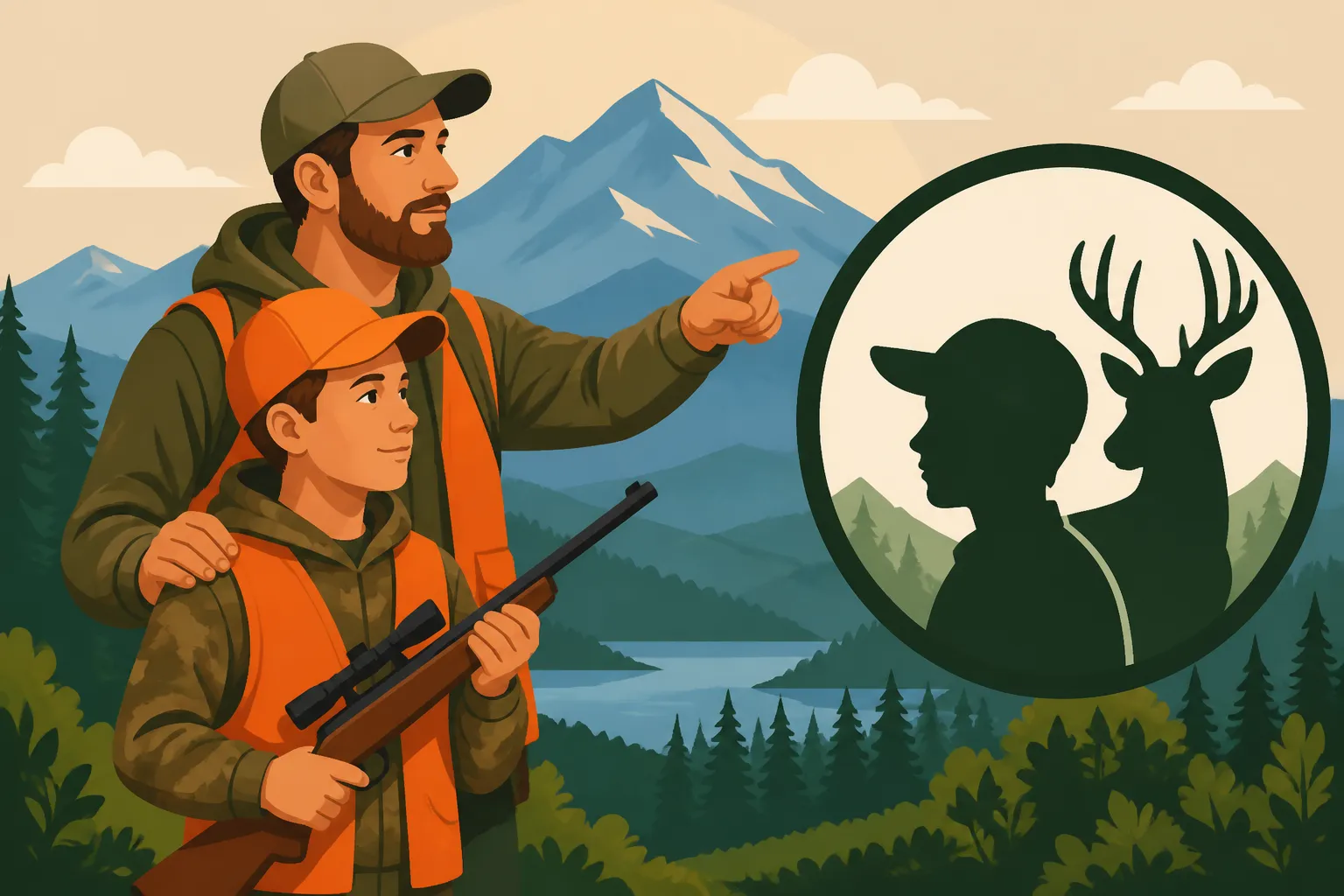
Perhaps the most critical aspect of youth hunting in British Columbia is the mandatory requirement for a supervising hunter. For anyone under the age of 18, hunting must always take place under the immediate and direct supervision of an adult who is at least 18 years old. This supervising adult must possess their own valid hunting license and any species licenses required for the animals being hunted. For instance, if a mentor is taking a youth out for black bear, the mentor must also have a current hunting license and a British Columbia Black Bear Species Licence.
"Immediate and direct supervision" isn't just about being in the same general area; it means the supervisor must be close enough to take control of the firearm or bow at any time and to provide guidance on shot placement, safety, and ethical decisions. They are fully responsible for the actions of the junior hunter. This isn't just a legal requirement; it's a golden opportunity for invaluable one-on-one mentorship, transferring knowledge, skills, and respect for the outdoors. This direct interaction is what truly shapes a young hunter's values and capabilities.
Getting Started: FWID, CORE, and Mentorship
The path to becoming a licensed hunter in British Columbia involves a few key steps that ensure everyone, regardless of age, has a foundational understanding of safety, ethics, and regulations. For junior hunters, these steps are particularly important as they lay the groundwork for a lifetime of responsible hunting.
Obtaining Your British Columbia FWID
Before a hunting license or anything else can be considered, every aspiring hunter in British Columbia needs a British Columbia FWID. This is essentially your unique client profile within the provincial fish and wildlife system. As mentioned, even a 10-year-old can apply for and receive an FWID. The process is straightforward; you can usually apply online through the provincial government's website. It requires basic personal information and serves as your permanent identification for all hunting, fishing, and trapping activities. Without an FWID, you can't purchase licences, apply for draws like the British Columbia's Limited Entry Hunting Draws, or report your harvests. It’s the very first digital footprint you make as a hunter in this province.
Taking the British Columbia CORE Exam
The Conservation and Outdoor Recreation Education (CORE) exam is a comprehensive test designed to ensure all hunters understand fundamental safety, wildlife identification, conservation principles, and regulations. While anyone can take the CORE exam, regardless of age, the minimum age to be issued a FWID and subsequently a hunting license after passing CORE is 10 years old. Passing the CORE exam is generally a prerequisite for obtaining your first hunting license in BC.
The CORE course covers everything from firearm safety, wildlife biology, tracking, outdoor survival, and ethical hunting practices to the complex British Columbia's Two-Year Regulations Synopsis. It's not just about memorizing facts; it's about internalizing the responsibilities that come with being a hunter. Many young people find the course engaging, especially with the hands-on aspects of firearm handling and identification. The knowledge gained here is indispensable, providing a solid theoretical foundation before stepping into the field.
The Importance of Mentorship in British Columbia Hunting
While the CORE exam provides crucial theoretical knowledge, real-world experience and ethical understanding truly blossom through mentorship. For junior hunters, having an experienced mentor is not just encouraged, it's legally mandated. This relationship goes far beyond simply supervising a firearm. A good mentor teaches patience, perseverance, how to read the land, understand animal behavior, and appreciate the solitude and challenge of the hunt. They instill the values of fair chase, respect for wildlife, and the importance of conservation.
Imagine a young hunter learning to identify fresh deer tracks in the damp ground, understanding how the wind carries scent, or the subtle art of calling moose in the rut. These are lessons that no textbook can fully convey. Experienced hunters often find immense satisfaction in passing on their knowledge, watching a younger generation develop skills and a deep appreciation for nature. Mentorship ensures that the traditions of ethical and responsible hunting continue, shaping not just skilled hunters but also knowledgeable stewards of British Columbia's wild places. Organizations like the BC Wildlife Federation often have programs that connect new hunters with experienced ones, further emphasizing this critical aspect.
Specific Scenarios and Considerations for Young Hunters
Hunting offers unique challenges and rewards, and for young hunters, navigating the nuances of the sport within specific regulatory frameworks can be complex. British Columbia has specific rules and opportunities tailored to ensure that youth can safely and legally participate.
Youth Hunting Opportunities and Regulations
British Columbia’s hunting regulations don't typically create separate seasons exclusively for youth. Instead, junior hunters, under the required supervision, participate in the same general open seasons or Limited Entry Hunting (LEH) zones as adults. This means if the British Columbia Black-Tailed Deer Hunting in British Columbia season is open, a supervised youth can hunt for blacktail deer with the appropriate tags. However, some specific LEH draws might occasionally have categories or considerations that indirectly benefit youth or first-time hunters by offering more accessible opportunities, though this isn't a consistent policy.
The key is always understanding the specific regulations for the Management Unit (MU) you plan to hunt in. Websites and apps like GoHunt can be incredibly helpful for filtering regulations by species, region, and season, making it easier for mentors to plan a legal and productive hunt for their young charges. For example, understanding British Columbia's Four-Point Antler Rules can be critical when hunting mule deer, and a mentor needs to ensure their young hunter understands these distinctions clearly before taking a shot.
Firearms Safety and Age for Possession
When it comes to firearms, Canadian law, which British Columbia adheres to, has specific provisions for minors. Generally, individuals under 18 cannot acquire firearms or acquire a Possession and Acquisition Licence (PAL). However, minors who are at least 12 years old can obtain a Minor's PAL, which allows them to borrow and use non-restricted firearms for hunting, sport shooting, or instruction, always under the direct and immediate supervision of an adult who holds a valid PAL. Children under 12 can still use non-restricted firearms under the direct supervision of an adult PAL holder, but they cannot legally possess them on their own.
This distinction is crucial. It means a 10-year-old with a hunting license and species tag can hunt with a rifle, but only if they are directly supervised by a PAL-holding adult who also technically "possesses" the firearm. The emphasis is always on safety, proper handling, and the responsibility of the supervising adult. This rule safeguards both the youth and the public by ensuring that firearms are always handled under expert guidance until the young hunter demonstrates sufficient maturity and training.
Navigating Online Resources and Planning with GoHunt
In today's digital age, planning a hunting trip, especially with a junior hunter, is made much easier with online resources. The provincial government's hunting synopsis is essential, but supplementary tools can enhance the planning process. Platforms like GoHunt offer detailed maps, access to regulations, and information about specific hunting units, which can be invaluable for mentors and young hunters alike. You can use GoHunt to scout a British Columbia Management Unit Online, check season dates, and understand access points.
For a young hunter eager to learn, sitting down with a mentor to explore these resources can be an educational experience in itself. They can learn to identify different types of terrain, understand public versus private land boundaries, and even virtually scout potential hunting areas. This not only builds their understanding of the landscape but also their independence in planning future hunts. Whether it's looking up British Columbia Deer Season Dates by Region or understanding the nuances of Hunting a British Columbia Cutblock Edge, digital tools, when used wisely, are powerful aids in a young hunter's development.
Summary of British Columbia Youth Hunting Requirements
To make things a little clearer, here's a quick overview of the key age and requirement benchmarks for youth hunters in British Columbia:
| Requirement | Minimum Age | Details |
|---|---|---|
| FWID (Forestry Wildlife ID) | 10 | Unique identifier required for all hunting and fishing activities. |
| Resident Hunting Licence | 10 | Allows purchase of species tags. Requires FWID. |
| CORE Exam (Conservation & Outdoor Rec. Ed.) | Any age | Can be taken at any age, but generally passed before obtaining a hunting license at 10+. |
| Species Licences/Tags | 10 | Can be purchased once FWID and hunting licence are obtained. |
| Supervising Hunter | 18+ | Mandatory for all hunters under 18. Must have valid hunting licence & relevant species tags. Immediate & direct supervision required. |
| Minor's PAL (Firearm Possession) | 12 | Allows borrowing and using non-restricted firearms under adult supervision. Under 12 can use under adult supervision but cannot "possess." |
Final Thoughts on Youth Hunting in British Columbia
Getting started in hunting as a young person in British Columbia is a journey that’s rich with learning, responsibility, and incredible outdoor experiences. While the regulations around minimum age and supervision might seem like a lot to navigate at first, they are ultimately designed to ensure safety, promote ethical practices, and foster a deep respect for our natural world. From obtaining that first FWID at 10, passing the CORE exam, to patiently learning alongside a trusted mentor, every step builds confidence and skill.
Remember, the goal isn't just to fill a tag; it's to cultivate a connection to the land and its wildlife, to learn self-reliance, and to understand the vital role hunters play in conservation. So, whether you're a parent looking to introduce your child or a mentor guiding a young aspiring hunter, embrace the process. These early experiences in the vast wilderness of British Columbia will undoubtedly shape them into responsible outdoors people for years to come.
Disclaimer
The information provided in this guide is for general informational purposes only and is not legal advice. Hunting regulations in British Columbia can change, and it is the responsibility of every hunter to consult the most current British Columbia Hunting and Trapping Regulations Synopsis published by the provincial government, as well as federal firearms regulations, before engaging in any hunting activity. Always confirm specific rules and requirements with the appropriate authorities.