Roosevelt Elk Draw Rules
The dream of hunting British Columbia's majestic Roosevelt elk is a powerful one for many, but the reality of actually getting a tag can feel like navigating a complex maze. Unlike general open seasons for other species, pursuing these coastal giants almost always means throwing your hat into the Limited Entry Hunting (LEH) draw, a system notorious for its low odds and the frustration it can cause hopeful hunters. This comprehensive guide will walk you through the intricacies of the Roosevelt elk draw rules, helping you understand the system, maximize your application strategy, and prepare for the exhilarating possibility of drawing that coveted tag.
Understanding Roosevelt Elk Limited Entry Hunting (LEH)
Hunting Roosevelt elk in British Columbia isn't simply a matter of buying a tag over the counter. Due to their specific habitat requirements, relatively localized populations, and dedicated conservation efforts, the province manages Roosevelt elk harvests almost exclusively through a Limited Entry Hunting (LEH) draw. This system ensures sustainable hunting pressure and protects these magnificent animals for future generations.
The Rationale Behind the Draw System
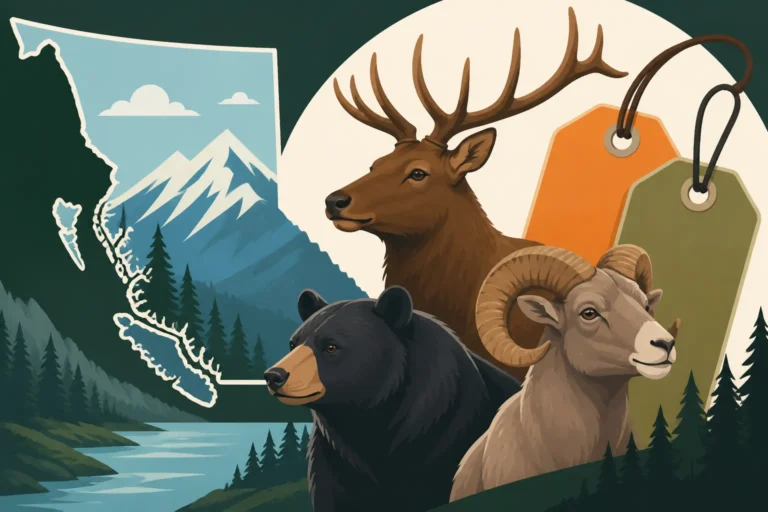
Imagine a resource that's incredibly valuable but also incredibly fragile. That's essentially what we have with Roosevelt elk. These impressive animals, known for their larger body size and impressive antlers compared to their Rocky Mountain cousins, thrive primarily in the dense, old-growth coastal rainforests and specific valley bottoms of Vancouver Island and the mainland coast. Their populations, while recovering in some areas, are often localized and sensitive to over-harvesting. The LEH draw is a critical conservation tool, carefully allocating a limited number of tags to ensure that harvest levels don't negatively impact herd health or population stability. Without such controls, these unique coastal elk could easily face unsustainable pressure, diminishing opportunities for everyone. It’s a classic supply-and-demand scenario where conservation takes precedence, and the draw is the mechanism for fair, albeit often challenging, allocation.
Roosevelt Elk Regions and Management Units
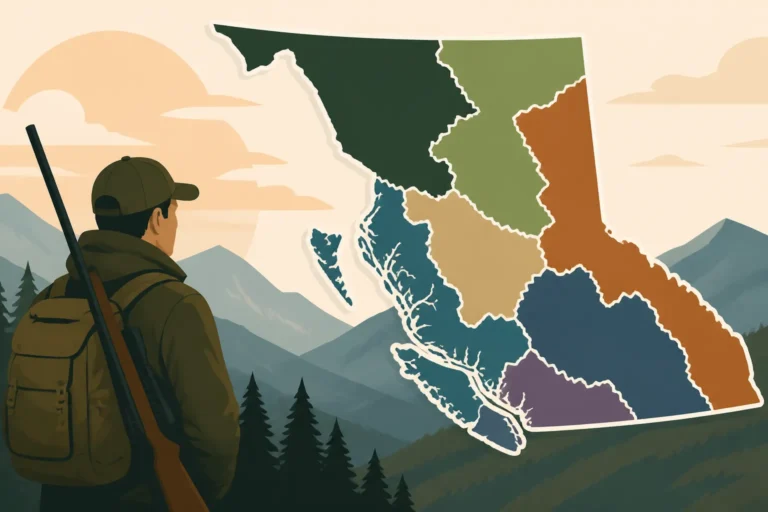
Roosevelt elk are not found throughout British Columbia. Their distribution is quite specific, concentrating heavily on Vancouver Island and certain areas of the mainland coast, particularly within Region 1 (Vancouver Island) and parts of Region 2 (Lower Mainland) and Region 3 (Thompson/Okanagan), specifically where coastal ecosystems extend inland. When you're looking at the LEH synopsis, you'll notice specific Management Units (MUs) or Zones that list Roosevelt elk hunts. For instance, many of the draws for these animals will be found in MUs across Vancouver Island. Each of these zones has its own unique population dynamics, habitat characteristics, and, consequently, its own set of draw odds. Hunters interested in pursuing these animals must familiarize themselves with these specific geographical distinctions. Understanding the unique challenges and opportunities of hunting Vancouver Island Blacktail in Second Growth, or how the coastal rain affects animal behavior, can also indirectly inform your elk strategy in these overlapping territories. The regulations synopsis provides a detailed breakdown, often with maps, indicating where these specific LEH opportunities exist for Roosevelt elk.
Eligibility and Prerequisites for Application
Before you can even dream of applying for a Roosevelt elk LEH tag, there are a few fundamental requirements you need to meet. First and foremost, you must be a resident of British Columbia, hold a valid BC hunting licence, and possess a valid Fish and Wildlife ID (FWID). If you’re just getting started in the province, understanding the process for Getting a British Columbia FWID is your initial step. Additionally, hunters must be of legal hunting age according to provincial regulations. While there isn't a specific "Roosevelt elk course," all hunters need to have successfully completed the Conservation Outdoor Recreation Education (CORE) program to obtain their FWID and hunting licence, which covers essential knowledge like wildlife identification, hunting ethics, and firearm safety. Without these basic prerequisites in place, your application will simply be ineligible, so make sure all your paperwork is up-to-date and your licence is active before the application window opens.
Navigating the LEH Application Process
The Limited Entry Hunting application process can seem daunting at first, especially when the stakes are high for a dream hunt like Roosevelt elk. However, by breaking it down into manageable steps and paying close attention to deadlines, you can navigate it smoothly.
Key Dates and Deadlines You Can't Miss
Missing a deadline for the LEH draw is a heartbreaking mistake that many hunters unfortunately make. For Roosevelt elk, just like all other LEH species, the application period is clearly defined each year. Generally, applications for British Columbia's LEH draws open in the spring, typically around late March or early April, and close in late May or early June. The exact dates can shift slightly from year to year, so it is absolutely critical to consult the most current British Columbia Hunting and Trapping Regulations Synopsis or the BC government's hunting website. This is not a "set it and forget it" situation; you need to mark these dates on your calendar and set reminders. I often advise hunters to use resources like GoHunt or other dedicated hunting apps that provide deadline notifications to ensure they don’t miss out. The results of the draw are then typically released in June or July, giving successful applicants time to plan their hunt. Knowing When British Columbia's LEH Applications Open and British Columbia's LEH Application Deadline are crucial first steps in your planning.
Submitting Your Application: Online Portal Details
The entire LEH application process for Roosevelt elk is conducted online through the BC government's Fish and Wildlife online system. This portal is where you'll log in using your FWID, select the specific Roosevelt elk hunt choices you're interested in, and pay the application fee. It's relatively user-friendly, but it pays to be prepared. Before you start, have your FWID ready and be clear about the Management Units and hunt codes you wish to apply for. You'll typically be allowed up to three choices, ranked in order of preference. For Roosevelt elk, these choices will usually be specific to bull elk, or in rare cases, antlerless, depending on the management objectives for that particular area. Double-check your entries meticulously before final submission. Errors, like choosing the wrong zone or an incorrect weapon type, can’t easily be rectified once submitted. Consider logging in a few days before the deadline, just in case you encounter any technical issues, which can and do happen when many people are trying to apply at once.
Party Applications and Their Benefits
One strategy often employed by hunters for LEH draws is applying as a party. For Roosevelt elk, this means two or more eligible hunters can link their applications together. If any member of the party draws a tag, then all members of the party draw a tag for that specific hunt. This can be a game-changer, especially for species with notoriously low odds like Roosevelt elk. However, there's a catch: the party's application is only successful if all members could have individually drawn a tag based on the lowest odds of any member. So, if one person in your party has accumulated several preference points (which we’ll discuss shortly) and another has none, your party's odds will be effectively weighted towards the person with no points. This means a party application can be excellent for ensuring friends hunt together if successful, but it doesn't necessarily improve your statistical odds unless all party members have similar point totals. Still, the camaraderie of a shared hunt, and the potential to collectively apply for more obscure draws, makes Applying as an LEH Party a popular option.
Strategies for Improving Your Draw Odds
When it comes to the Roosevelt elk LEH draw, "improving your odds" isn't about finding a secret loophole. It's about smart, informed application choices based on available data and a deep understanding of the system. Given how challenging it is to draw a Roosevelt elk tag, every bit of strategic planning helps.
Analyzing Past Draw Statistics
The single most valuable tool at your disposal for making informed Roosevelt elk LEH choices is the historical draw statistics. The BC government, and third-party platforms like GoHunt, publish these statistics after each draw cycle, detailing the number of applicants, the number of tags issued, and the points required to draw for each specific hunt code. By carefully studying these numbers, you can identify trends, understand which Management Units are historically harder to draw, and determine which options might offer a slightly better chance. For Roosevelt elk, you'll often see that the "trophy" bull hunts on Vancouver Island have incredibly low odds, sometimes requiring many years of accumulated points. Conversely, certain antlerless hunts or hunts in less accessible areas might have slightly higher success rates. Analyzing these stats helps you decide if you want to apply for the "long shot" dream hunt or a more realistic opportunity. Don’t just glance at the overall odds; drill down into the specific hunt codes that interest you. This data is critical for Reading LEH Odds Before You Apply and forms the backbone of any serious application strategy.
Understanding Preference Points
British Columbia's LEH system incorporates a preference points system, which is absolutely crucial for highly sought-after species like Roosevelt elk. For every year you apply for an LEH draw and are unsuccessful, you accrue one preference point for that species. When you do draw a tag, your points reset to zero for that species. These points essentially give you a higher priority in subsequent draws. For Roosevelt elk, many of the prime bull hunts will require a significant number of accumulated points to even have a realistic chance of drawing. This means that drawing a Roosevelt elk tag is often a multi-year commitment, requiring patience and persistence. If you're a new hunter, you'll be at the bottom of the points ladder, but every unsuccessful application moves you up one rung. This is why some hunters will apply for Roosevelt elk year after year, knowing they might not draw for a decade or more, but steadily building their preference. Understanding How LEH Points Carry Over is key to long-term success in these specific draws. For example, if you have 8 points for Roosevelt elk, you're competing against other hunters with 8 or more points, which significantly narrows the field compared to those with zero points.
Researching High-Opportunity Zones
While many Roosevelt elk hunts are highly competitive, not all Management Units are created equal. Some zones might have slightly higher draw odds due to a variety of factors: perhaps they are more remote, require specialized access like a jet boat or float plane, or offer a shorter season window. Others might have smaller elk populations that can only sustain a very limited harvest, making them incredibly difficult to draw. Using the draw statistics, combined with your own research into the geography and access of different MUs, can help you identify these "high-opportunity" zones, relatively speaking. For instance, some of the more accessible areas around Vancouver Island might see extremely high applicant numbers, driving odds down. Conversely, a less-known, harder-to-reach zone could have slightly better odds, even if the elk numbers aren't as dense. Dive into detailed maps, consider historical wildfire impacts on habitat, and think about what kind of hunt you're realistically prepared for. Platforms like GoHunt often offer detailed analytics that can help identify these nuances. It's a balance between drawing a tag and being prepared for the realities of hunting in challenging British Columbia terrain.
What Happens After the Roosevelt Elk Draw
The period after the LEH application deadline is a tense waiting game for many hunters. When the draw results are finally released, it's either a moment of immense excitement or quiet disappointment. Knowing what to do in either scenario is crucial for moving forward with your hunting plans.
If You Draw a Roosevelt Elk Tag
Congratulations! Drawing a Roosevelt elk tag in British Columbia is a significant achievement and the start of an incredible adventure. Once you receive your successful notification, the first thing you need to do is confirm your authorization through the online portal. This often involves downloading and printing your LEH authorization. This document is just as important as your general hunting licence and species tag; you must carry it with you at all times while hunting.
Next, it’s time to shift gears into serious hunt planning. For those fortunate enough to draw, the period of When LEH Results Are Released often coincides with the late spring or early summer, giving you ample time to prepare for a fall hunt. Roosevelt elk are typically found in rugged coastal terrain, often involving significant elevation changes, dense rainforest, or tricky access. This means physical conditioning, gear preparation (rain gear, sturdy boots, quality optics), and detailed scouting become paramount. Whether you plan to go Bugling to a Roosevelt Elk Bull or still-hunting, understanding the specific MU you drew in, its access points, and potential areas where elk might be found is critical. Many successful applicants will spend months pouring over maps, contacting local conservation officers for information (if appropriate), and possibly even making pre-season scouting trips. Remember, drawing the tag is only half the battle; successfully harvesting an elk in these challenging environments requires dedication and hard work.
If Your Application is Unsuccessful
For most hunters applying for Roosevelt elk, the reality is that many years will pass without drawing a tag. It's a tough pill to swallow, especially when you've been dreaming of that hunt, but it's an inherent part of the LEH system. The silver lining, as we discussed, is that an unsuccessful application means you've accrued another preference point for Roosevelt elk, moving you one step closer to success in future draws. Don't let the disappointment deter you. Instead, use it as motivation to start planning for next year's application, potentially adjusting your choices based on updated draw statistics or exploring other species with better odds for the current year.
This is also an excellent opportunity to reflect on your application strategy. Did you apply for the most competitive hunts, or did you explore other options? Did you consider a party application? It might be worth revisiting the Reading LEH Odds Before You Apply information with a fresh perspective. While you wait for your Roosevelt elk points to build, you can still participate in general open season hunts for other species, like Mule Deer Hunting in British Columbia or Black Bear Hunting British Columbia's Spring, to keep your skills sharp and enjoy time in the outdoors. The waiting game is part of the challenge and the reward of pursuing these magnificent animals, so stay persistent!
Preparing for a Roosevelt Elk Hunt
Even if you haven't drawn a tag yet, or perhaps you drew a general open season tag for Rocky Mountain Elk in British Columbia (a different subspecies, usually found inland), there's immense value in preparing as though you will draw a Roosevelt elk tag. This proactive approach ensures you're ready to hit the ground running when your number finally comes up.
For Roosevelt elk, physical fitness is not just a suggestion; it's a necessity. These animals inhabit some of British Columbia's most rugged and unforgiving terrain. Think steep, wet, brushy slopes, often far from roads. Training involves intense cardio, strength building, and hiking with a heavy pack. Your gear list will be paramount: high-quality rain gear is non-negotiable, along with waterproof boots, durable layers, and a reliable navigation system. Consider investing in a good spotting scope and binoculars for glassing, as well as a rangefinder. If you're interested in calling, practicing your bugles and cow calls will be essential for Bugling Roosevelt Elk on the Coast. Beyond the physical and gear aspects, mental preparation is key. Understand that hunting Roosevelt elk can involve long days, challenging weather, and potentially very low success rates even with a tag in hand. Embrace the experience, the solitude of the rainforest, and the privilege of being in their territory. Lastly, make sure you understand all the specifics regarding Hunting Roosevelt Elk in British Columbia Old Growth as their habitat is very unique.
Disclaimer
Please be aware that hunting regulations, seasons, and draw rules in British Columbia are subject to change. Always consult the most current British Columbia Hunting and Trapping Regulations Synopsis available on the provincial government's official website before planning any hunting trip or submitting any applications. This guide is for informational purposes only and does not supersede official government regulations.