Hunting a Beetle-Killed Pine Stand
The sight of a vast expanse of rust-coloured pine forest, or worse, a stand of ghostly grey snags, can be disheartening for any hunter. It looks desolate, unproductive, and frankly, a bit dangerous. Many of us see these areas and simply drive by, assuming there's no game to be found. But dismissing beetle-killed pine stands entirely is a mistake, because beneath that initial impression of devastation often lies an evolving ecosystem that, with the right approach, can hold some incredible hunting opportunities. This guide is here to help you understand the dynamics of these unique environments and equip you with the strategies to hunt them effectively and safely in British Columbia.
Understanding the Beetle-Kill Phenomenon and Its Habitat Impact
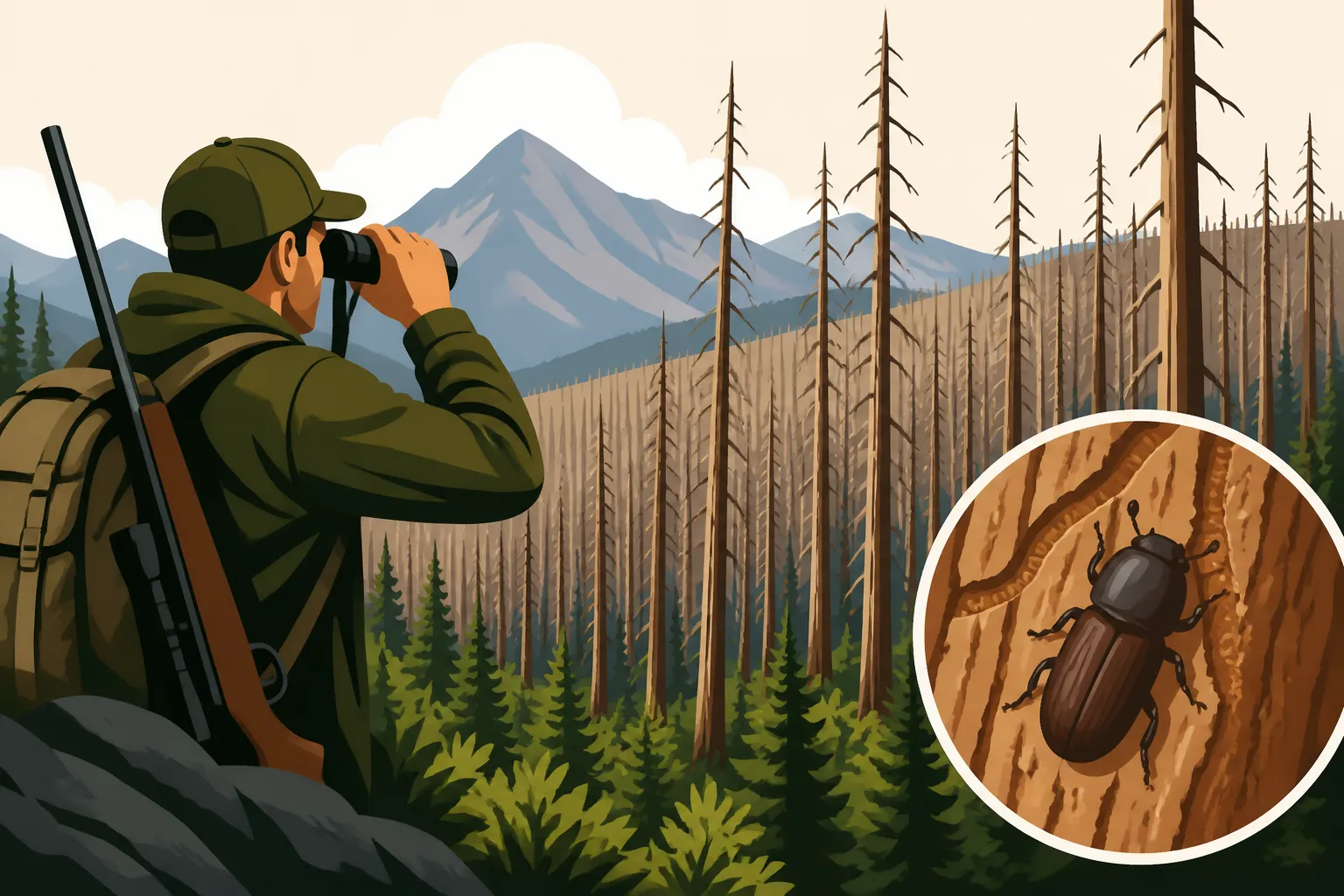
British Columbia has seen vast tracts of its lodgepole pine forests decimated by the mountain pine beetle (Dendroctonus ponderosae) over the last few decades. This tiny insect, thriving in warmer winters, chewed its way through millions of acres, leaving behind a stark, changed landscape. What many hunters initially perceived as a biological catastrophe and a total loss of habitat actually evolves into a complex new environment that, in many ways, benefits certain game species.
The Lifecycle of a Beetle-Killed Forest
When you're looking at a beetle-killed stand, you're not seeing a static snapshot; you're witnessing a stage in a long, dynamic process of forest regeneration.
- Initial Infestation (Red Phase): In the first year or two after a successful beetle attack, the needles of the pine trees turn a distinctive rusty red. At this stage, the trees are dying but still standing, offering some residual cover. The forest floor might still be relatively clear, but the long-term impact on the canopy means reduced food sources like pine needles for species that browse them. Deer, for example, might still move through these areas, but they aren't typically holding here for extended periods unless other food sources are present.
- Grey Phase (Snag Stage): Over the next few years, the needles drop, leaving behind grey, bare "snags." This is often the most challenging and visually unappealing phase for hunters. The lack of canopy allows more sunlight to reach the forest floor, stimulating the growth of grasses, shrubs, and deciduous trees like aspen and birch. While the snags themselves offer little in the way of food, they provide structure and potential rub posts for rutting bucks. This stage is also when falling timber becomes a significant concern, creating a maze of deadfall.
- Regeneration Phase: This is where the magic really starts to happen for wildlife. After 5-15 years, or even more, the ground beneath the fallen snags can become a veritable salad bowl of new growth. Fire, often exacerbated by the abundance of dead timber, can also play a role, resetting the ecosystem and promoting a vigorous flush of forbs, grasses, and deciduous browse. This rich, young vegetation provides crucial forage and cover for ungulates like mule deer and moose, as well as berries and insects for black bears. Areas that were once barren can become prime feeding grounds. When you're Hunting a Burned Slope Two Years On, you're often seeing a very similar habitat response to an older beetle-kill site that experienced a subsequent fire.
How Game Responds to These Changes
Different species react to beetle-killed forests in unique ways, often depending on the stage of regeneration and the availability of other resources.
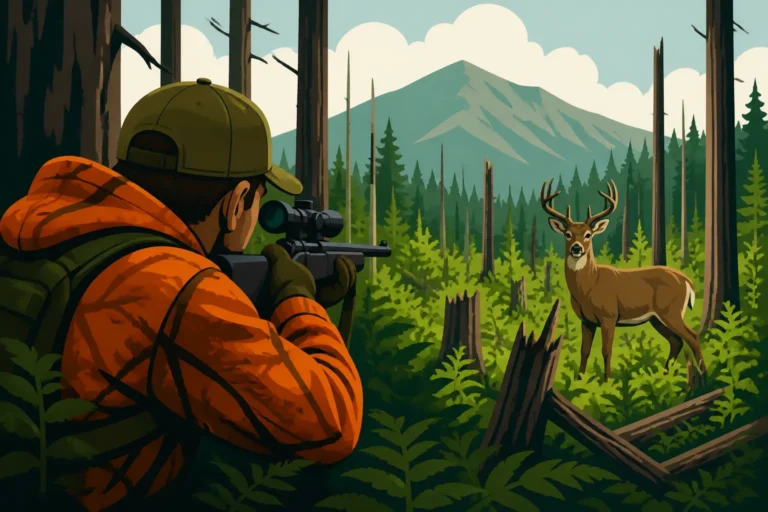
- Mule Deer: Initially, deer might avoid recently killed stands due to a lack of preferred forage and increased exposure. However, as the forest transitions into the regeneration phase, and a bounty of new shrubs and forbs emerges, these areas can become highly attractive. The dense new growth offers excellent cover, and the varied plant life provides a diverse diet. Pay particular attention to the edges of these regenerating stands, especially where they meet intact forest or open areas. Understanding What Mule Deer Eat in the Dry Interior is key to recognizing why these areas become productive.
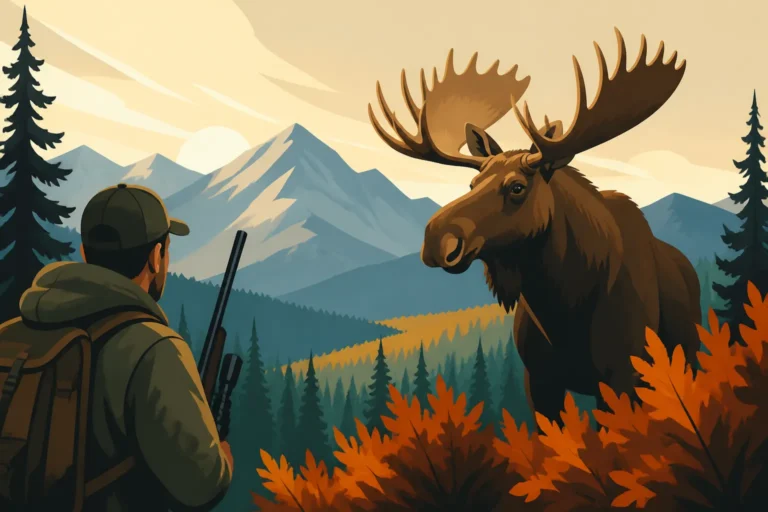
- Moose: Moose are exceptional browsers of deciduous vegetation, making them prime beneficiaries of older beetle-killed areas that have grown up in willow, aspen, and birch. The fallen timber might make travel difficult for humans, but moose are remarkably adept at navigating it. The thick, regenerating understory provides excellent cover and a consistent food supply. If you're Calling Moose in the Rut, these regrowing areas can offer dense cover to hide your approach and a good sound funnel.
- Black Bears: Black bears thrive on berries, grasses, and the insects found in decaying timber. Older beetle-killed stands, especially those with good berry production (huckleberries, saskatoons, cranberries), can be magnets for bears in the spring and fall. The increased sunlight allows these plants to flourish, and the fallen logs provide endless opportunities for foraging. If you're considering Hunting Fall Bears on British Columbia Berry Slopes, don't overlook a regenerating beetle-kill area with abundant fruit.
- Other Wildlife: Smaller furbearers, grouse, and even predators like wolves and cougars will utilize these areas. The complexity of the deadfall and new growth offers fantastic hiding places and ambush points.
Identifying Productive Areas Within a Beetle-Killed Stand
Just because an area is beetle-killed doesn't mean it's uniformly productive. Successful hunting in these zones comes down to understanding the nuances of the landscape and knowing what specific features attract wildlife. It's about finding the exceptions and the emergent patterns within the seemingly chaotic environment.
Satellite Imagery and Ground Scouting
Modern tools like satellite imagery, available through platforms like GoHunt, can be invaluable for identifying potential hotspots before you even set foot on the ground. Look for variations in canopy cover, signs of green undergrowth, or proximity to water sources.
- Green Patches and Transition Zones: On satellite maps, look for areas within the grey or red zones that show signs of green. These could be pockets of surviving conifers, stands of deciduous trees that weren't affected by the beetles, or areas of robust regeneration. Game animals will often gravitate towards these green oases for cover and food. The transition zones where beetle-kill meets untouched forest, old growth, or even clearcuts are particularly high-traffic areas. Consider how deer use these edges, similar to how they might use a Hunting a Second-Growth Timber Block edge.
- Water Sources: Even in a damaged forest, water remains a critical element for all wildlife. Identify creeks, springs, small ponds, or marshy areas within or adjacent to beetle-killed stands. Animals will need to drink, and these water sources often coincide with more lush vegetation.
- Topographic Features: Steep slopes, benches, and draws can offer different microclimates and vegetation types. South-facing slopes, for instance, often receive more sun, promoting earlier green-up and berry production. Draws can funnel game movement, offering natural travel corridors through otherwise dense deadfall. When Glassing an Interior Hillside for Mule Deer, remember that these beetle-killed slopes can also be productive.
Reading the Ground and Animal Sign
Once you're on the ground, your focus shifts to finding direct evidence of animal activity. The dense nature of older beetle-kill can make this challenging, but also more rewarding.
- Tracks and Trails: Look for game trails that navigate through or around the deadfall. Animals, being creatures of habit and efficiency, will often use the path of least resistance. These trails can lead you to bedding areas, feeding zones, or water. In softer ground, particularly after rain, tracks will be more evident.
- Rub and Scrapes: During the rut, bucks and bulls will rub their antlers on small trees and create scrapes. While pine trees might be dead, any surviving saplings or deciduous growth (like aspen) can be used. These are clear indicators of game presence and activity.
- Browse and Droppings: Fresh droppings indicate recent activity. Examine browsed vegetation to see what animals are eating and how recently. Look for fresh bites on young aspen, willow, or various forbs. This helps confirm that the area is not only holding game but providing essential sustenance.
- Bedding Areas: Game often seeks out dense cover for bedding, and the fallen timber and thick new growth in an older beetle-killed stand can offer precisely that. Look for flattened areas, often under thick branches or in dense thickets, that indicate an animal has been resting there.
Hunting Strategies for Beetle-Killed Pine Stands
Hunting beetle-killed stands requires a different mindset and approach than hunting in pristine, open timber. It's often slow, methodical work, but it can pay off significantly if you adapt your tactics.
Slow and Steady Still-Hunting
The noise created by fallen timber is perhaps the biggest challenge in beetle-killed areas. Every step seems to snap a twig or crack a branch, making it nearly impossible to move silently. This means you need to slow down, sometimes to an agonizing crawl.
- Foot Placement is Paramount: Focus intensely on where you place your feet. Test each step before committing your weight, looking for stable ground or solid logs to step on. Often, the best path is along the top of larger, stable logs, or carefully weaving through the gaps.
- Use the Wind and Listen: With all the noise you'll inevitably make, the wind is your best friend. Always hunt into the wind to carry your scent away from animals. Equally important is to pause frequently and listen. The crunching leaves or snapped branches you create might mask the sound of a deer walking, so stop, stand still, and let your ears do the work. Listen for subtle sounds – a twig snap that isn't yours, the rustle of leaves, or the soft grunt of a moose. This is similar to the patience needed when Still-Hunting Second Growth for Blacktail.
- Leverage the Cover: The dense regeneration and deadfall, while noisy, offer incredible visual cover. Animals are less likely to see you if you move deliberately and use the natural chaos to break up your silhouette. Think of it as hunting in a giant, natural blind.
Glassing and Elevated Positions
While the ground might be a mess, finding an elevated vantage point can unlock the potential of a beetle-killed zone.
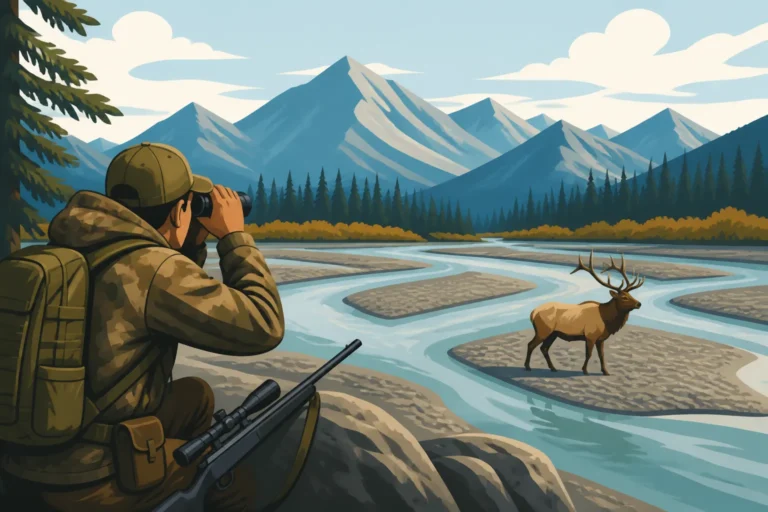
- Find a "High Spot": Look for rock outcroppings, small knolls, or even large, stable logs that allow you to get above the immediate deadfall. From here, you can use your binoculars to scan patches of new growth, open lanes, and transition zones. GoHunt's topographic layers can help you identify these spots beforehand.
- Patience is Key: Just like Glassing an Alpine Basin for Rams, patience is essential. Scan methodically, breaking the area into grids, and look for subtle movements, a flick of an ear, or an unnatural shape against the background. Game often feels secure in these dense areas and might move slowly or not at all.
- Use Logging Roads and Cutlines: If available, logging roads or old cutlines bordering or running through beetle-killed areas can provide excellent glassing opportunities. These open corridors offer shooting lanes and allow you to see into the thicker stuff without having to fight through it. This is a common tactic when Hunting British Columbia's Logging Road Network.
Specialized Tactics for Specific Species
- Mule Deer: Focus on the edges of regenerating stands, especially those adjacent to mature timber or grassland draws. In the rut, the dense cover offers good security for bucks. Consider using a rattling or grunting call to draw out curious bucks that might be bedded deep in the thicket.
- Moose: Moose love the browse that comes with regeneration. Look for them in low-lying areas, near water, and where deciduous growth is thickest. Their sheer size means they can navigate the deadfall with relative ease, so don't be afraid to push into areas that seem too thick for you. Calling moose, especially Calling Moose in the Rut, can be incredibly effective here, as the sound carries well through the scattered timber.
- Black Bears: As mentioned, berry patches are crucial. Concentrate your efforts in spring and fall around these food sources. Bears will often follow established game trails through the deadfall, connecting feeding areas to bedding sites.
| Feature / Strategy | Recently Affected (Red Phase) | Older Regeneration (Grey/Green Phase) |
|---|---|---|
| Vegetation | Dying pines, some undergrowth, declining food. | Dense undergrowth (shrubs, forbs), deciduous saplings, rich forage. |
| Deadfall | Minimal initially, increases over time. | Extensive, creating challenging travel and noise. |
| Visibility | Moderate to poor (red needles), improves as needles drop. | Very limited due to dense new growth and snags. |
| Game Presence | Transitional, passing through for cover or access. | High potential, especially for deer, moose, and bear seeking food/cover. |
| Hunting Strategy | Faster movement, focus on edges, look for passing game. | Extremely slow still-hunting, glassing from elevated points, patience. |
| Key Attraction | Proximity to intact forest, quick cover. | Abundant browse, dense bedding cover, berry production. |
| Safety Concerns | Falling trees (future), navigation. | Widowmakers, extreme navigation challenge, packing out. |
Safety Considerations and Challenges
Hunting in beetle-killed stands presents a unique set of challenges and safety concerns that demand careful preparation and awareness. It’s not just about finding game; it’s about making it home safely.
Navigation and Terrain Obstacles
Navigating these areas can be incredibly difficult, often feeling like an obstacle course.
- Deadfall Mazes: The sheer volume of fallen timber creates a tangled mess. You’ll be constantly climbing over, crawling under, or trying to find routes around massive log piles. This dramatically slows progress and exhausts you quickly. It also makes packing out an animal an absolute nightmare. When considering Getting Meat Out of Steep British Columbia Country, imagine adding acres of deadfall to the equation.
- "Widowmakers": Standing dead snags, often weakened by decay, pose a significant danger. Wind or even just time can cause them to fall unexpectedly, leading to serious injury or death. Always be aware of your surroundings, especially on windy days. Avoid setting up camp directly under standing dead trees.
- Lost Bearings: The uniform appearance of grey snags and dense undergrowth can make it easy to get disoriented. Familiar landmarks might be gone or obscured. Always carry a reliable GPS or a mapping app like GoHunt, along with a compass and physical map as backup. Knowing Scouting a British Columbia Management Unit Online and downloading offline maps is crucial.
Increased Risk of Fire
The abundance of dead, dry timber creates a massive fuel load, making beetle-killed forests highly susceptible to wildfires.
- Tinderbox Conditions: In dry periods, a single spark can ignite a catastrophic fire. Exercise extreme caution with any open flames, including campfires or even smoking. Be aware of fire bans and closures, which are frequently implemented in British Columbia, especially during late summer and early fall.
- Rapid Spread: Once ignited, fires in beetle-killed areas can spread with incredible speed and intensity, creating massive columns of smoke and hot spots that can appear hours after the initial blaze. Always have an escape route planned and be aware of wind changes. Be informed about British Columbia Road and Weather Closures before heading out.
Noise and Visibility
While the noise can be a tactical challenge, it’s also a constant reminder of your presence.
- Masking Sounds: The constant cracking of branches underfoot can mask sounds you need to hear, like approaching game or even other hunters. This means relying more on visual cues and patience.
- Limited Sightlines: The dense new growth and deadfall severely limit visibility. Shots might be close-range and require quick target acquisition through small windows in the vegetation. Practice shooting from various positions and be confident in your ability to make a clean shot.
Planning and Preparation
- Buddy System: Hunting with a partner is highly recommended in these challenging environments. It improves safety, helps with navigation, and makes packing out much more manageable.
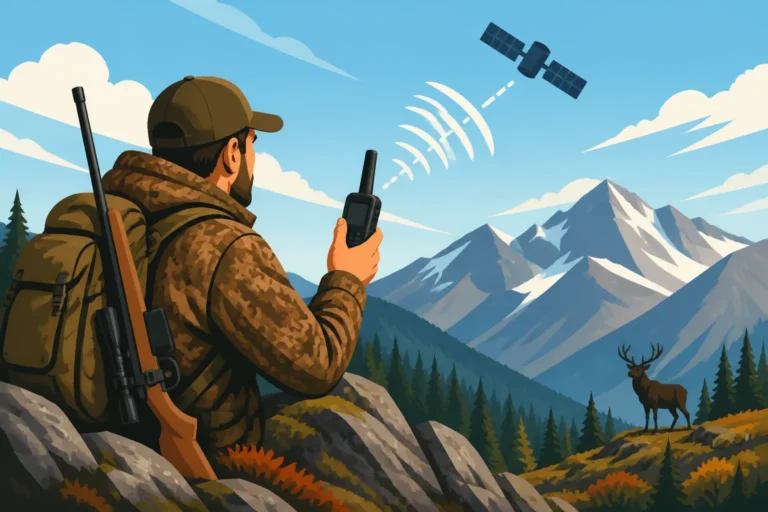
- Emergency Gear: Carry a satellite communication device (like an inReach or Spot), a comprehensive first-aid kit, extra water, and emergency shelter. Let someone know your detailed plans and expected return time. This aligns with good Emergency Planning in British Columbia's Backcountry.
- Physical Fitness: These hunts are physically demanding. Be prepared for strenuous climbing, navigating obstacles, and potentially long pack-outs over difficult terrain.
By understanding these challenges and preparing appropriately, you can turn a seemingly daunting beetle-killed stand into a productive and rewarding hunting experience. It’s about adapting to the landscape, not fighting against it, and respecting the power of nature’s ongoing cycle of death and rebirth.
Disclaimer
Hunting is an inherently risky activity. The information provided in this guide is for informational purposes only and should not replace proper training, local regulations, or common sense. Always prioritize safety, understand and follow all British Columbia hunting regulations, and be prepared for rapidly changing conditions in the backcountry.