Hunting a Grassland Draw in the Okanagan
Hunting in British Columbia's Okanagan can feel like a completely different world compared to the dense coastal forests or the vast northern wilderness. Many hunters find themselves frustrated by the seemingly open, arid landscape, wondering where deer could possibly hide and how to even begin a successful hunt. If you’ve ever stared at a sun-baked hillside, dotted with sagebrush and ponderosa pine, and felt utterly lost, this guide is for you. We're going to break down the ins and outs of hunting a grassland draw in the Okanagan, providing actionable strategies to help you find success in this unique and often challenging terrain.
The Unique Environment of Okanagan Grassland Draws
The Okanagan Valley, stretching from Vernon down to Osoyoos and beyond, is characterized by its dramatic landscape of deep lakes, arid benchlands, and rolling grasslands. Unlike the thick timber that many hunters are accustomed to, the Okanagan presents a more open, often unforgiving environment. Understanding these specific features is the first step toward unlocking its hunting potential.
What Defines a Grassland Draw?
When we talk about a "grassland draw" in the Okanagan, we're picturing those natural depressions, gullies, or small valleys that cut through the undulating sagebrush and grass-covered hillsides. These aren't always grand canyons, but often subtle changes in elevation – a dip in the terrain where moisture might collect just a bit more, allowing for slightly lusher vegetation. Think of them as natural wrinkles or creases in the land. They might be broad and shallow, or narrow and steep-sided, often winding down from a plateau into a valley bottom. These draws are critical because they offer a stark contrast to the exposed, sun-drenched slopes around them. They often feature denser clumps of shrubs like Saskatoon berry, chokecherry, and even scattered ponderosa pines or Douglas firs, providing crucial cover and forage that the surrounding open areas lack. The soil here might retain moisture longer, leading to a pocket of green that stands out against the dry, golden grasses for much of the hunting season.
The geology of the Okanagan plays a significant role in creating these draws. Ancient glacial activity and erosion have carved out these features over millennia. The softer soils and rock formations have eroded differently, leading to varied terrain. In many areas, especially around communities like Oliver and Osoyoos, you'll find these draws snaking through cattle range and vineyards, making access a significant consideration. It’s not just about the vegetation; it’s about the microclimate these draws create. They offer shade from the intense Okanagan sun, a slight break from the prevailing winds, and a concentrated source of food and water, all of which are magnets for wildlife. Identifying these subtle breaks in the terrain, even from a distance, becomes a vital skill for any hunter in this region. You might even use tools like GoHunt to scout these topographical features from above before you ever set foot on the ground, identifying potential bedding or feeding areas.
Why Game Animals Gravitate Towards These Features
For game animals, particularly mule deer, grassland draws are nothing short of essential survival corridors and havens. The primary reason is cover. In a landscape where dense timber is scarce, any depression or pocket of thicker vegetation becomes an immediate sanctuary. Deer use these draws to bed down during the day, seeking shelter from the sun, wind, and the prying eyes of predators, including human hunters. The broken topography within a draw offers excellent concealment, allowing an animal to disappear from view with just a slight dip or a few strides. They can lie low, remaining virtually invisible while still having a vantage point to observe their surroundings from a protected position.
Beyond cover, these draws often concentrate crucial resources. The slightly higher moisture content means more palatable forage compared to the drier, exposed slopes. Browsing animals like mule deer will find preferred shrubs and forbs that thrive in these microclimates. Furthermore, draws often funnel down to water sources – be it seasonal seeps, small springs, or the main rivers and lakes of the valley. This makes them natural travel routes for animals moving between bedding areas, feeding grounds, and water. During the heat of the day, especially in early season hunts like those covered in British Columbia's September Archery Opener, deer will often seek the coolest, shadiest spots, which are invariably found deep within these draws or on their north-facing slopes. Understanding this intrinsic link between the draws and animal survival is fundamental to developing a successful hunting strategy in the Okanagan.
Prime Game Species and Their Habits in the Okanagan Draws
While the Okanagan supports a variety of wildlife, a few species are particularly relevant when you’re focusing on grassland draws. Knowing which animals you’re likely to encounter and understanding their behaviour within this specific habitat will significantly improve your chances.
Mule Deer: Masters of the Broken Country
Mule deer are undeniably the stars of the show when it comes to hunting the Okanagan's grassland draws. These incredible animals are perfectly adapted to the broken, arid terrain, often blending seamlessly into the sagebrush and dry grass. Unlike their blacktail cousins on the coast or even whitetails found in more timbered river bottoms, Okanagan mule deer have developed a superb ability to utilize the sparse cover available. During the day, especially once the sun climbs high, you'll find them bedded in the draws, typically on north-facing slopes to catch what little shade they can, or nestled right down in the bottom amidst thick brush. They are masters of using topography to their advantage, often picking beds that allow them to see downhill and across the draw, while their back is protected by the bank.
As evening approaches and temperatures begin to drop, mule deer will start to move out of these draws to feed on the surrounding benches and slopes. They’ll browse on various shrubs, forbs, and grasses, often preferring the transitional zones between the dense draw vegetation and the more open grassland. When the rut approaches, usually peaking in November, their movements become more erratic, driven by the urge to breed. Bucks will travel extensively, checking draws and benches for does. Knowing British Columbia Deer Season Dates by Region is crucial, as early season hunts will see deer sticking tight to cover, while late season hunts might offer more open opportunities as bucks are on the move. When hunting mule deer in the Okanagan, remember they often won't flee far when spooked. Instead, they'll use the terrain to quickly put a hill or a stand of pines between themselves and danger, often pausing to look back once they feel secure. This characteristic "melt-away" behaviour makes them incredibly challenging but also predictable once you understand their tendencies.
Other Species You Might Encounter
While mule deer often get top billing, the Okanagan's grassland draws are also home to other fascinating game species that might pique a hunter's interest. White-tailed deer are becoming more prevalent in certain parts of the Okanagan, especially in areas with riparian zones or agricultural edges. They often prefer slightly denser cover than mule deer, but will use the draws as travel corridors between feeding areas in cultivated fields and bedding in thicker timber or river bottoms. If you're targeting whitetails, focus on draws that connect to more substantial cover or water sources.
Beyond deer, these draws can be excellent places to find upland game birds. Chukar, an introduced species, thrive in the rocky, arid hillsides and are frequently found using the steep, brushy slopes of these draws for cover and escape. California Quail also inhabit these areas, often in coveys, using the draws for protection and to access sparse water. You might hear their distinctive calls emanating from the brushy bottoms. For predator hunters, coyotes are ubiquitous in the Okanagan and frequently use draws as travel routes and ambush points. Their keen senses make them a challenge, but calling them from a vantage point overlooking a draw can be an effective strategy. It's always a good idea to research the specific regulations for all species you might encounter, as seasons and bag limits vary. Understanding what other game can be found here adds another layer of excitement and opportunity to your Okanagan hunting experience.
Strategic Approaches to Hunting Okanagan Grassland Draws
Successfully hunting in the Okanagan's grassland draws requires a blend of patience, keen observation, and an understanding of how animals interact with this unique landscape. It’s less about busting through thick brush and more about intelligent glassing and strategic movement.
Mastering the Art of Glassing and Spot-and-Stalk
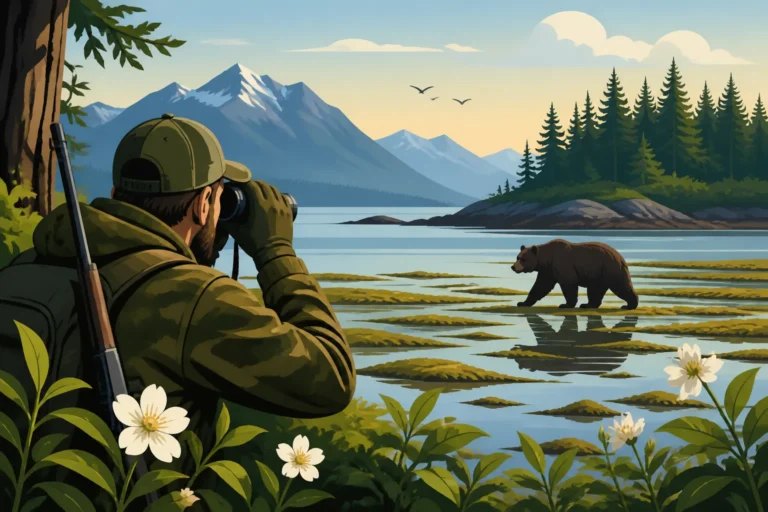
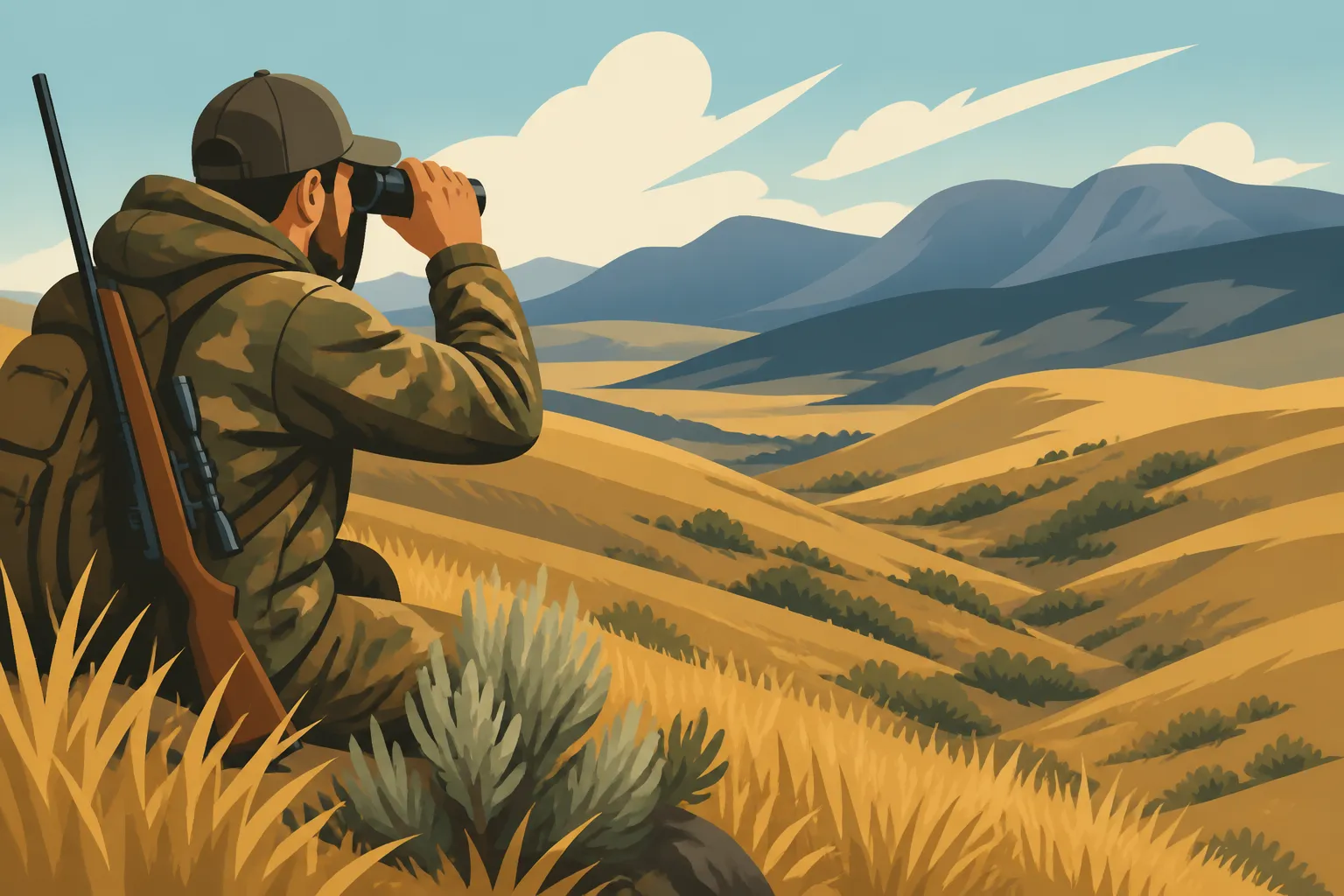
In the open country of the Okanagan, your binoculars and spotting scope are your most vital hunting tools. The phrase "Glassing an Interior Hillside for Mule Deer" couldn't be more appropriate here. Rather than walking aimlessly, choose high vantage points that offer expansive views of multiple draws and surrounding slopes. Spend significant time behind your optics, slowly picking apart every shadow, rock, and bush. Mule deer are incredibly good at blending in, and it often takes a patient, methodical scan to pick out an ear flick, a patch of hide, or the tell-tale horizontal line of a deer's back against the vertical textures of the landscape. Quality optics are non-negotiable; invest in the best you can afford, as they will be your eyes in this vast environment. Companies like Leupold, Vortex, and Swarovski offer excellent choices that can make a real difference in discerning an animal from its surroundings.
Once you spot an animal, the spot-and-stalk begins. This is where the true challenge and excitement lie. The key is to plan your approach meticulously, using the very draws and undulations that the deer use for cover. Before moving, identify your target's exact location, its likely escape routes, and any potential obstacles. Use mapping apps like GoHunt to study the topography in detail, pinpointing ridges, dips, and tree lines that can hide your advance. The open nature of the Okanagan means even small movements can be detected, so move slowly, deliberately, and always with the wind in your favour. Your goal is to get within an effective shooting range without being seen, heard, or smelled. This often involves long, circuitous routes that leverage the natural contours of the land, sometimes even crawling on your belly. Patience is paramount; a hasty approach will almost always end in a spooked animal and a missed opportunity. This method is perfectly suited for Spot-and-Stalk Mule Deer in British Columbia.
Understanding Wind, Thermals, and Cover
Hunting the Okanagan's grassland draws successfully hinges on a deep understanding of atmospheric conditions. Wind, of course, is a hunter's constant companion and biggest enemy. In open country, steady winds can carry your scent for long distances, alerting game animals long before you see them. Always try to hunt with the wind in your face or quartering to you, ensuring your scent is carried away from the animal's likely location. Use a wind checker frequently, especially as you move closer to a suspected bedding or feeding area.
Thermals are another critical factor, particularly in this valley environment. As the sun rises and warms the earth, air begins to move uphill, creating an upward thermal draft. In the evening, as the air cools, it sinks, creating a downward thermal draft. This means that in the morning, your scent will likely rise with the thermals up the draws and hillsides, while in the evening, it will sink down into the draws and valley bottoms. A common mistake is to hunt up a draw in the morning, only to have your scent carried right to the animals above you. Conversely, hunting down a draw in the evening can put your scent right into the bedding areas below. Plan your approach routes and hunting times around these predictable air movements. Often, the early morning and late evening "golden hours" are not only when deer are most active but also when thermals are most consistent, making it easier to predict scent dispersal. Combining this knowledge with the available cover – those scattered pines, dense sagebrush patches, and the draws themselves – allows you to move silently and remain undetected.
Overcoming Challenges and Ensuring a Responsible Hunt
Hunting in the Okanagan, while rewarding, comes with its own set of challenges. Being prepared for these obstacles and adhering to responsible hunting practices will ensure a safe and successful experience.
Navigating Access and Land Ownership in the Okanagan
One of the most significant hurdles for hunters in the Okanagan, particularly in the more accessible valley bottoms and benchlands, is navigating land ownership and access. Much of the prime grassland draw habitat is intertwined with private land, agricultural operations, vineyards, or actively managed cattle ranges. British Columbia Trespass and Private Land Law is strict, and hunters must always know exactly where they are. Respect for private property is paramount, and hunting without permission is not only illegal but also harms the reputation of all hunters.
Before heading out, it's essential to diligently research land ownership. Tools like the Integrated Land Management Bureau (ILMB) mapping tools, or subscription services like GoHunt, can be invaluable for identifying Crown land boundaries, private parcels, and potential access points. Many large ranches and agricultural holdings will have fences, gates, and "No Trespassing" signs; respect them. Sometimes, asking for permission from landowners can open up opportunities, but always do so politely and be prepared for a "no." Focus on public Crown land units, especially those in the Okanagan Highlands or higher up on the benches, which tend to have more open access. Even on Crown land, be aware of active logging operations, road closures, or other industrial activities that might restrict access. Always have a physical map and compass, in addition to your GPS device, because technology can fail, and cell service can be spotty in remote areas.
Essential Gear and Safety Considerations
Hunting in the Okanagan’s arid environment demands specific gear and a focus on safety. Hydration is key; the dry climate and often intense sun, even into the fall, can lead to dehydration quickly. Always carry more water than you think you’ll need, and consider a water filter or purification tablets for emergencies if you plan to be out for extended periods. Footwear is another critical item; sturdy, broken-in hiking boots with good ankle support are essential for navigating the steep, rocky, and often loose terrain of the draws. Your feet will thank you after miles of climbing and descending.
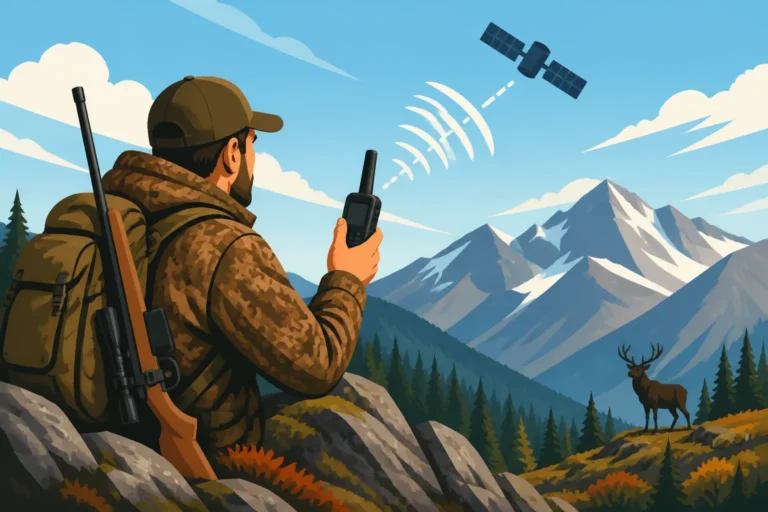
Layered clothing is also important. Even if the days are warm, temperatures can drop significantly in the evenings, especially at higher elevations. Breathable, moisture-wicking fabrics are ideal. Given the open nature of the terrain, sun protection—hat, sunglasses, and sunscreen—is a must. When it comes to safety, bear spray should always be accessible, as both black bears and grizzly bears can be encountered in the Okanagan, even in drier areas, particularly near riparian zones or berry patches. Furthermore, be prepared for emergencies. A well-stocked first-aid kit, fire-starting supplies, a headlamp, and a means of satellite communication (like an InReach or Zoleo) are not optional for backcountry hunts. Emergency Planning in British Columbia's Backcountry is crucial, as help can be a long way off. Finally, if you are successful, proper Keeping Meat Cool in an Early Season is vital, as warm temperatures can spoil your harvest quickly. Know your limits, hunt within them, and always tell someone where you are going and when you expect to return.
| Aspect of Hunting | Challenge in Okanagan Grassland Draws | Recommended Strategy |
|---|---|---|
| Visibility | Open terrain makes animals wary. | Use high vantage points for extensive glassing. |
| Cover | Sparse, animals hide effectively. | Focus on natural draws, depressions, and shaded slopes for bedding areas. |
| Scent | Open winds and thermals carry scent. | Always hunt with the wind in your face; understand and use thermals to your advantage. |
| Access | Interspersed private land, closures. | Thoroughly research land ownership (e.g., GoHunt); obtain permission for private land. |
| Hydration | Arid climate, intense sun. | Carry ample water; consider a filtration system for longer trips. |
| Navigation | Similar-looking terrain can disorient. | Use GPS with detailed maps; carry physical map and compass as backup. |
| Heat | Early season hunts can be very warm. | Hunt early morning/late evening; prioritize meat care. |
Disclaimer
Hunting carries inherent risks and requires strict adherence to all local, provincial, and federal regulations. This guide provides general information and should not be considered a substitute for official hunting regulations, hunter education, or professional guidance. Always prioritize safety, respect wildlife and property, and consult the most current British Columbia Hunting and Trapping Synopsis before planning any hunt.