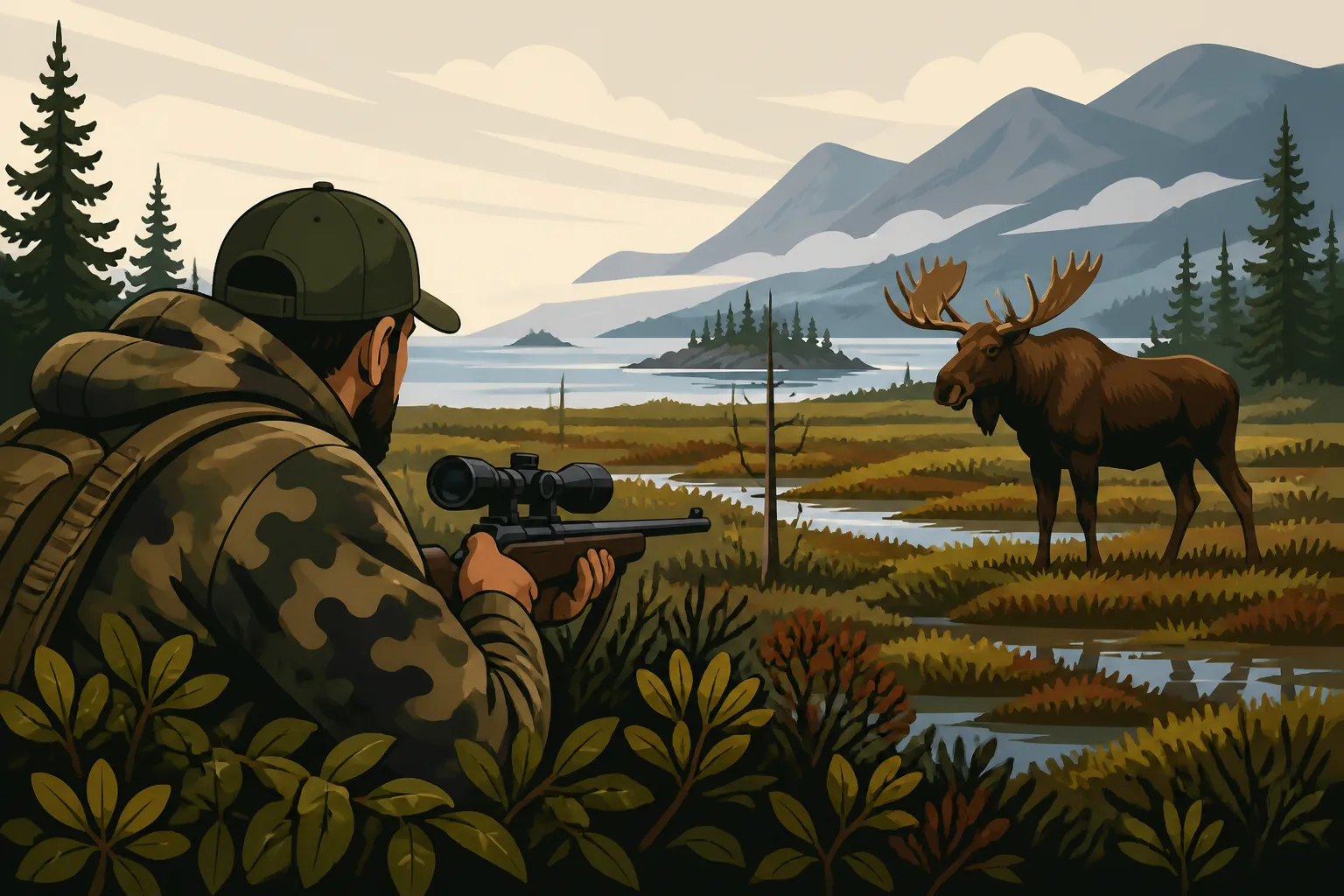
Hunting British Columbia’s Coastal Bogs
If you've spent any time at all looking at maps of British Columbia's coast, you've likely seen those vast, often featureless green or grey areas, crisscrossed by squiggly lines that might indicate drainage but tell you little else. These are often the coastal bogs, and for many hunters, they represent a perplexing blank spot on the map, an intimidating expanse of wet, difficult terrain that seems more obstacle than opportunity. The truth is, these unique ecosystems, while incredibly challenging, hold surprising potential for the dedicated hunter, and understanding how to navigate and hunt them can unlock opportunities many others overlook. This guide is here to unravel the mysteries of British Columbia's coastal bogs, helping you turn those intimidating green blobs into viable hunting grounds.
What Exactly Are Coastal Bogs? The Unique Landscape
When we talk about "coastal bogs" in British Columbia, we're referring to a fascinating type of wetland characterized by highly acidic, nutrient-poor water, and spongy, waterlogged soil dominated by peat and sphagnum moss. They're not your typical forest floor or even a regular swamp; these are ancient landscapes, often built up over thousands of years from decaying plant matter. For the uninitiated, they can feel like an alien world, a maze of stunted trees, deep moss, and hidden water. Many hunters shy away from them precisely because they are so unique and challenging, presenting navigation difficulties and often appearing barren from a distance. However, dismissing them entirely means missing out on potential pockets of game that thrive in or near these saturated environments.
The Lay of the Land: Bog Types and Formations
Not all bogs are created equal, even on the coast. British Columbia's expansive coastline hosts a variety of wetland formations, each with its own quirks. Generally, you'll encounter two main types: raised bogs and blanket bogs, though fens can also be found.
Raised bogs, as their name suggests, literally form domes that are higher in the center than at their edges. This elevation is due to the accumulation of peat, which acts like a giant sponge, holding rainwater and isolating the bog from mineral-rich groundwater. You’ll often find a fringe of stunted shore pines (Pinus contorta) or yellow cedars (Callitropsis nootkatensis) around their perimeter, giving way to an open, mossy expanse. Walking into one of these feels like stepping onto a giant mattress, each footfall squishing and compressing the thick sphagnum. The terrain can be deceivingly flat but hides subtle depressions and water channels.
Blanket bogs, on the other hand, quite literally "blanket" the landscape, conforming to the contours of the underlying topography. They form in areas with high rainfall and humidity, often on gentle slopes or plateaus, where constant saturation prevents the decomposition of organic matter. These can be particularly vast and unbroken, making navigation a true test of patience and skill. Imagine a seemingly endless carpet of moss, dotted with small, often gnarled trees and pools of dark, tannin-stained water. Both types are often incredibly wet, making travel slow and physically demanding. These environments are starkly different from the typical forests you might be used to, and understanding their formation helps in predicting where water might pool or where game might try to skirt their edges.
A Unique Ecosystem: Flora and Fauna
The acidity and nutrient-poor conditions of coastal bogs mean that only specialized plants can survive here, creating a unique biological community. You'll encounter fascinating carnivorous plants like sundews and pitcher plants, which supplement their nutrient intake by trapping insects. The dominant plant, however, is sphagnum moss, which can hold up to 20 times its weight in water and is responsible for the formation of peat. Alongside it, you'll see various sedges, rushes, and heaths like Labrador tea. The trees, if present, are often stunted, slow-growing, and widely spaced, creating an open canopy that is vastly different from the dense coastal rainforest nearby.
While bogs might seem desolate, they are integral to the larger ecosystem. They act as massive water filters and reservoirs, slowly releasing water into adjacent streams and rivers. This steady water supply and the unique vegetation mean that while some animals avoid the deep bog, others depend on its edges or even venture into its heart. Deer, in particular, will use these areas for bedding, especially if surrounded by thicker timber. The insects that thrive in the wet environment also provide food for various bird species, and the solitude of these challenging landscapes often appeals to larger animals seeking refuge from human activity. Understanding these interdependencies is key to unlocking the hunting potential of these often-overlooked habitats.
Why Hunt the Bogs? Species & Opportunities
So, with all the challenges, why would anyone bother hunting British Columbia's coastal bogs? The answer lies in the unique opportunities they present. These areas are often less pressured than more accessible timber blocks or traditional travel corridors. Animals that use them are generally less wary and can offer a more intimate hunting experience for those willing to put in the effort. It’s about seeking out the hidden corners where game feels safe, where the thick, squishy ground muffles your footsteps, and where the low visibility can sometimes work in your favour. The isolation and difficulty of access often mean that the animals here see fewer human encounters, leading to different patterns of behavior than in high-pressure areas.
Deer: Blacktail's Boggy Hideouts
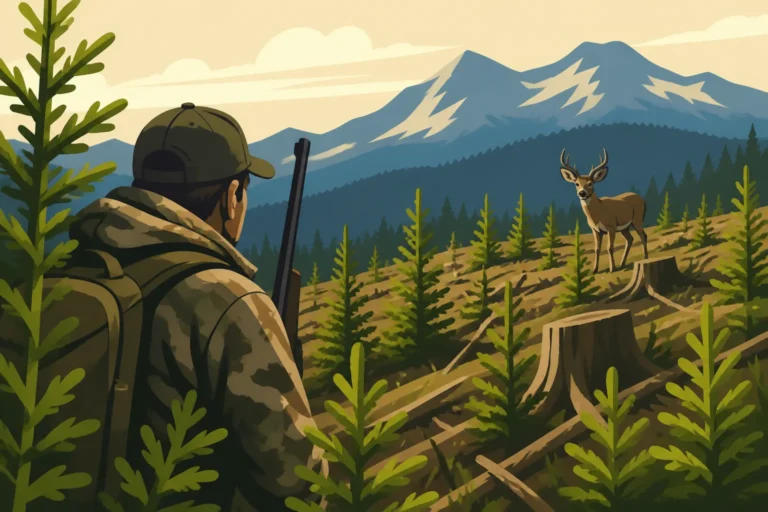
For many coastal hunters, the Columbian blacktail deer is the primary target, and these agile deer are surprisingly adept at utilizing boggy terrain. While they won't typically bed down in the deepest, most waterlogged parts, they frequently use the fringes, the raised islands of timber within the bog, and the transition zones where the bog meets denser forest. These areas offer excellent cover from predators and hunters, as well as a rich supply of browse like huckleberry and salal along their edges. When you’re Hunting British Columbia's Coastal Blacktail, you quickly learn they are masters of stealth, and a bog can be the perfect place for them to disappear.
Imagine still-hunting along the edge of a large bog, where the forest begins to thin, and the ground becomes softer. Tracks might be more evident here, pressed deep into the damp earth, indicating recent activity. During wet weather, which is common in these coastal environments, the bogs offer a quiet refuge. Rain often mutes ambient sounds, and the soft ground absorbs footfalls, making it easier to move undetected. Targeting the late fall seasons, when the deer are more active and the rut might be getting underway, can be particularly effective. The low visibility in some bog sections can also offer a chance for a close encounter with a buck that thinks it's well hidden. When you're Hunting Blacktail in British Columbia's Coastal Rain, remember that bogs are a key piece of their home range.
Bears and Other Predators
Black bears are another species that can frequently be found in or around coastal bogs. While they might not spend all their time in the deepest, wettest parts, they are often drawn to the periphery, especially during spring and fall. In spring, new growth and succulent plants emerge on bog edges, providing a crucial food source after denning. Later in the season, berry crops like blueberries and cranberries thrive in these acidic environments, making them prime foraging spots. A large coastal black bear, known for their size, can be a formidable presence in these areas. For instance, understanding What a Coastal Black Bear Weighs can give you an idea of the sheer scale of animals inhabiting these remote parts.
Beyond bears, other predators like wolves and cougars will also traverse boggy areas, often following deer trails or using the cover provided by stunted timber to ambush prey. While not typically "bog species," their presence indicates the health of the ecosystem and the presence of their prey. Calling predators in these environments can be challenging due to sound-dampening moss and dense fog, which often rolls in off the coast, making Navigating Fog on a British Columbia Coast Hunt essential. Keeping an eye out for scat, fresh tracks, and disturbed vegetation will tell you if these apex predators are using the bog.
Waterfowl and Upland Birds
While bogs are primarily associated with larger game, don't overlook their potential for certain bird species. Many coastal bogs contain small, stagnant ponds or slow-moving channels that can attract ducks, particularly species like mallards, green-winged teal, and wood ducks, especially during migration. These secluded water bodies offer quiet resting and feeding areas away from larger, more disturbed wetlands. If you're accustomed to Waterfowl Hunting British Columbia's Estuaries, the bog experience will be vastly different, requiring more stealth and patience rather than large spreads of decoys.
Upland birds, particularly certain grouse species, might also be found around the edges of bogs, especially where the stunted pines provide some cover or where berry bushes are plentiful. Blue grouse and ruffed grouse might use these transition zones, foraging on berries and insects. While not the primary hunting grounds for these birds, keeping an eye (and ear) out for them as you traverse the bog can add another dimension to your hunt. The unique vegetation, while sparse, offers different food sources and cover than the dense forest, making these areas small but significant pockets for various game birds.
Strategies for Successful Bog Hunting
Hunting British Columbia's coastal bogs isn't just about showing up; it requires a specific mindset, specialized gear, and a solid understanding of the terrain. It's a game of patience, stealth, and resilience. Without the right approach, you'll quickly find yourself soaked, frustrated, and potentially lost. The key is to embrace the challenges and adapt your usual hunting tactics to this unique environment. Forget wide-open shots and long-range glassing; bog hunting is often up close and personal, demanding acute situational awareness and a quiet approach.
Gearing Up for the Wet and Wild
Your gear choices can make or break a bog hunt. First and foremost, waterproof everything. This isn't just about staying dry; it's about staying warm and comfortable enough to remain focused. A high-quality rain suit is non-negotiable, and it needs to be durable enough to withstand snags from low-lying branches and abrasive bog plants. Your backpack should ideally have a waterproof cover or, even better, internal dry bags for crucial items like extra layers, food, first-aid, and electronics.
Footwear is perhaps the most critical component. Forget your favorite breathable hiking boots; you need serious waterproof boots, preferably rubber boots or a good quality waterproof leather boot that extends high up your calf. Brands like Muck Boot or Lacrosse are often favoured by hunters for their reliability in extremely wet conditions. Even with the best boots, your feet will likely get damp, so bringing multiple pairs of moisture-wicking wool socks is a must. Changing them periodically can prevent blisters and keep your feet warmer. It’s a good idea to research Boots for Steep British Columbia Country to understand what kind of traction and ankle support you'll need, even in flat-looking bogs, as the ground is uneven and spongy.
Navigation tools are paramount. A reliable GPS unit or a smartphone with detailed mapping apps like GoHunt is absolutely essential. The featureless nature of many bogs means traditional landmark navigation is often impossible, and even a slight fog can disorient you quickly. Always carry a physical compass and a waterproof map as a backup, and know how to use them.
Here’s a quick gear checklist for bog hunting:
| Item | Importance | Notes |
|---|---|---|
| High-Quality Rain Gear | Essential | Durable, breathable jacket and pants. |
| Waterproof Boots | Essential | Rubber boots or tall, waterproof leather. |
| Wool Socks | Essential | Multiple pairs for warmth and blister prevention. |
| GPS/Mapping App (GoHunt) | Essential | Download offline maps; mark your vehicle, camp, and key features. |
| Compass & Map | Essential | Backup navigation, waterproof. |
| Dry Bags | Essential | For electronics, extra clothing, food, and emergency supplies. |
| Headlamp | Essential | With fresh batteries; for early starts/late finishes or emergency. |
| First-Aid Kit | Essential | Waterproof, with blister care, pain relievers, and emergency blanket. |
| Bear Spray | Essential | Always accessible, especially in low visibility. |
| Satellite Communicator | Highly Recommended | For emergency communication where cell service is non-existent. Critical for Emergency Planning in British Columbia's Backcountry. |
| Trekking Poles | Recommended | For balance and testing ground ahead, especially in deep moss. |
| Water Filter/Purifier | Recommended | Bog water is often tannin-stained and acidic, not ideal for drinking directly. |
Navigating the Treacherous Terrain
Moving through a bog is an art form. It's slow, deliberate, and physically demanding. The ground is rarely firm, often a deceptive layer of moss over deep water or soft peat. Each step is a test, and you'll quickly learn to feel for solid ground. Trekking poles can be invaluable here, not just for balance but for probing the ground ahead to avoid stepping into a knee-deep sinkhole.
One common technique is to "read" the vegetation. Areas with larger, more established trees or denser shrubs might indicate slightly firmer ground or a raised hummock. Avoid areas dominated by open water or particularly vibrant green, seemingly lush sphagnum, which often signals deeper, wetter conditions. Always assume the ground will be softer than it looks. When using a mapping app like GoHunt, pay close attention to contour lines and aerial imagery, which can sometimes reveal subtle changes in elevation or the presence of islands of timber within the bog. Mark your entry point clearly on your map, and regularly check your location. The uniform nature of the bog can make it incredibly easy to become disoriented, especially in fog or low light.
Stick to the edges where possible, or use animal trails if you find them. Deer and bear often create subtle paths through bogs, choosing the driest and most efficient routes. These trails are not always obvious, especially when you’re Reading Blacktail Sign in Wet Ground, but they offer invaluable guidance and are a good indication of animal movement.
Reading the Bog: Sign and Stalking
Hunting in a bog requires a different approach to spotting game. Long-range glassing is often ineffective due to the low, stunted vegetation and the undulating nature of the ground. Instead, focus on close-quarters observation and still-hunting. Move slowly, stopping frequently to listen and scan. The soft ground can be a blessing, muffling your footsteps and allowing for incredibly quiet movement, but it also means you need to be extra vigilant.
Look for subtle disturbances: a bent branch, a freshly browsed plant, a track pressed into damp moss. Pay particular attention to the transition zones where the bog meets denser forest or where there are islands of slightly higher ground. These are often preferred bedding or feeding areas. The dark, tannin-stained water can also reveal subtle tracks along its edges.
When you do spot game, your stalking technique needs to be impeccable. The soft ground helps, but the open nature of many bogs means you might be exposed. Utilize the stunted trees, small hummocks, or even dense patches of Labrador tea for cover as you move. Be prepared for a shot to come quickly and at close range. The patience required to meticulously stalk through such terrain is immense, but the reward of a successful harvest in such a unique environment is unparalleled.
Overcoming the Challenges of Coastal Bog Hunting
Let's be real: hunting British Columbia's coastal bogs isn't for the faint of heart. It’s going to test your limits, both physically and mentally. But understanding these challenges upfront and preparing for them is half the battle. This isn't just about bagging an animal; it's about the adventure, the solitude, and the satisfaction of mastering a truly wild environment. Embracing the discomfort and preparing meticulously are essential components of a successful and safe bog hunt.
The Physical and Mental Grind
Bog hunting is a supreme physical challenge. Every step requires effort, lifting your foot from the suction of the mud, balancing on uneven ground, and pushing through dense vegetation. You'll be constantly on guard for sinkholes and tripping hazards. This slow, arduous movement means you cover less ground than in typical terrain, so adjust your expectations for daily mileage. Building endurance and core strength before the hunt will serve you well. Many hunters find that Hunting British Columbia's Alpine in September or Packing Out of British Columbia's Steep Country requires similar levels of physical conditioning, making bog hunting a great alternative challenge.
The mental grind can be just as tough. The constant dampness, the biting insects, the low visibility, and the sheer monotony of the landscape can wear down your resolve. You need patience, perseverance, and a positive attitude. Celebrating small victories, like finding fresh sign or successfully navigating a tricky section, can help maintain morale. It's easy to get discouraged when the going is slow and the game seems scarce, but remember that the very difficulty is what keeps many other hunters away, potentially concentrating game for those willing to persist.
Weather, Bugs, and Other Delights
British Columbia's coast is synonymous with rain, and bogs amplify this reality. Expect to be wet, constantly. Even if it's not actively raining, the ground is saturated, and dew on the vegetation will soak you through. Fog is also a frequent visitor, reducing visibility to mere yards and making navigation even more critical. Cold, damp conditions can quickly lead to hypothermia if you're not properly dressed and don't have dry layers in your pack. This is why investing in top-tier rain gear is non-negotiable.
And then there are the bugs. Mosquitoes, black flies, and no-see-ums thrive in these damp, stagnant environments. They can be relentless, turning an otherwise peaceful stalk into a buzzing nightmare. Pack a good quality insect repellent, preferably one with a high percentage of DEET, and consider a head net, especially during peak season. Remember, you'll be moving slowly, which means they'll have plenty of time to find you. Hunting in the cooler shoulder seasons might offer some relief from the worst of the insect onslaught.
Safety First: Bears, Water, and Getting Lost
Safety in the bogs is paramount. Given the low visibility and dense cover, encounters with bears, particularly black bears, are a real possibility. Always carry bear spray, make noise periodically, and be vigilant, especially when moving through thick alder patches or dense patches of berry bushes. Understanding Bear Safety While Hunting in British Columbia is crucial for any coastal hunt, and even more so in these isolated, low-visibility areas.
The water itself presents risks. Deep bog pools, hidden channels, and soft, unstable ground can lead to falls or getting stuck. Be cautious, especially when crossing what looks like a solid patch of ground. As mentioned, trekking poles can help. If you do get wet, prioritize getting dry and warm immediately to prevent hypothermia. This means having those spare, dry layers in a waterproof bag.
Getting lost is a very real concern in featureless bog landscapes. The combination of fog, uniform terrain, and dense low vegetation can make it incredibly disorienting. Always tell someone your plans, expected return time, and exact hunting area. Regularly check your GPS or mapping app, and have a backup compass and map. Consider carrying a satellite communication device like a Garmin inReach or a Zoleo for emergency contact, especially since cell service is virtually non-existent in most remote coastal bogs. For comprehensive guidance, review Emergency Planning in British Columbia's Backcountry. These tools aren't just for extreme alpine hunts; they are lifesavers in any isolated, challenging environment.
Coastal bogs in British Columbia are not easy hunting grounds, but they offer a profound connection to the wild and the chance to find game in places other hunters bypass. With the right preparation, gear, and mental fortitude, you can unlock these unique landscapes and experience a truly memorable hunt.
Disclaimer
Hunting is an inherently risky activity. This guide provides general information for educational purposes only and is not a substitute for professional instruction, adherence to all local regulations, or personal responsibility. Always prioritize safety, respect wildlife, and obtain the necessary licenses and permits before heading into the field. Conditions in British Columbia's wilderness can change rapidly, and hunters must be prepared for all eventualities.