Hunting Coyotes on British Columbia Grassland
The frustrating reality for many ranchers, farmers, and even wildlife enthusiasts across British Columbia is the ever-present challenge of coyote populations. These intelligent and adaptable predators can have a significant impact on livestock and game bird numbers, making responsible management through hunting a necessary pursuit. This guide aims to thoroughly explore the nuances of hunting coyotes on British Columbia's expansive grasslands, offering practical insights and strategies to increase your success and contribute to healthy wildlife ecosystems.
The Unique Landscape of British Columbia's Grasslands and Coyotes
British Columbia is often celebrated for its majestic mountains, dense forests, and rugged coastlines, but tucked within its diverse geography are vast and vital grassland ecosystems. These areas, particularly prominent in the interior, offer a distinct hunting environment that requires a specialized approach, especially when targeting adaptable predators like coyotes.
Identifying Key Grassland Regions
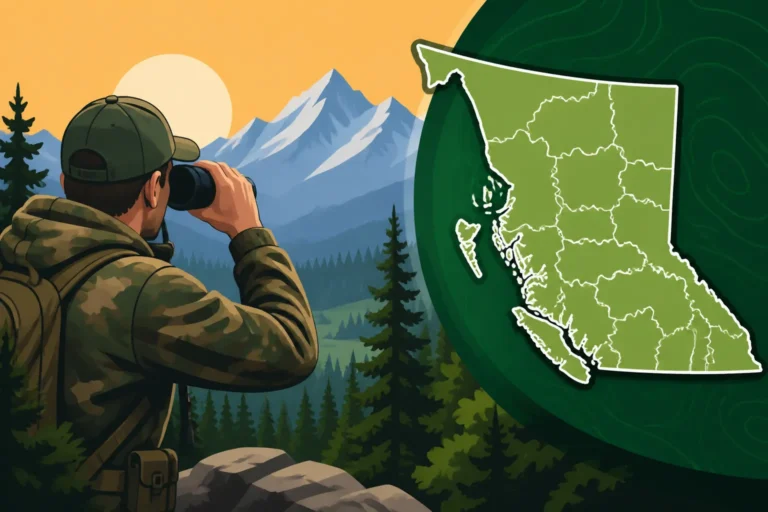
When you picture British Columbia, you might not immediately think of sprawling grasslands, but they are a crucial part of our landscape, especially as you head east from the Coast Mountains into the interior. Areas like the Okanagan Valley, the Nicola Valley, and the Cariboo Plateau are prime examples, characterized by open plains, rolling hills, and a mix of sagebrush, bunchgrass, and scattered Ponderosa pine forests. These are not just pretty places; they're bustling ecosystems supporting everything from deer and elk to grouse and, of course, a healthy population of coyotes.
These grasslands aren't uniform; they range from the arid, almost desert-like benches near Osoyoos to the higher, more productive rangelands of the Cariboo. Each area presents slightly different challenges and opportunities for the coyote hunter. For instance, the broken terrain of the Okanagan offers draws and coulees that coyotes use for travel and cover, making spot-and-stalk tactics possible alongside calling. In contrast, the more open, rolling expanses of the Cariboo might favor longer-range calling setups and more patience. Utilizing tools like GoHunt can be incredibly beneficial here, as their mapping features help you visualize the terrain, identify potential travel corridors, and understand the property boundaries, which is crucial for ethical and legal hunting. Understanding the local nuances of these regions is the first step to becoming a successful grassland coyote hunter. You might find some excellent insights into similar terrain when looking into articles on Hunting a Grassland Draw in the Okanagan or Hunting the Nicola Valley Grasslands.
The Role of Coyotes in the Grassland Ecosystem
Coyotes, often misunderstood, play a significant role in the natural balance of these grassland environments. They are opportunistic omnivores, feeding on small mammals like voles, mice, and ground squirrels, as well as deer fawns, game birds, and even insects or berries depending on the season. While they are a natural part of the ecosystem, their populations can sometimes swell, leading to increased predation on domestic livestock, particularly calves and lambs, and a noticeable impact on local game populations. This is where hunters come in.
Responsible coyote hunting isn't about eradication; it's about management. By reducing coyote numbers in areas where they are impacting livestock or struggling game populations, hunters contribute to the overall health of the ecosystem. It's a way to mitigate conflict and maintain a more balanced food web. The challenge lies in their incredible adaptability and intelligence. Coyotes learn quickly, are wary of human presence, and can be incredibly elusive. They’re not easy to hunt, which is part of what makes it so rewarding. Farmers and ranchers often welcome hunters who can help manage these populations, highlighting the practical benefits of this type of hunting.
Understanding Coyote Behavior and Activity Patterns
To consistently find success hunting coyotes, you need to think like a coyote. Their daily routines, seasonal movements, and reactions to environmental factors are all critical pieces of the puzzle that will help you put together a winning strategy.
Seasonal Movements and Habitat Use
Coyote behavior changes with the seasons, largely driven by food availability, breeding cycles, and the need for shelter. In the spring, after pups are born, coyotes are often focused on providing for their young. This can make them more aggressive in their hunting and, surprisingly, sometimes more susceptible to calling, especially if you can mimic the distress of a small animal near their denning areas. They'll frequent areas with abundant small prey, like rodent-infested fields or areas where deer fawns are being born.
As summer progresses, young coyotes begin to forage with their parents, and their range might expand. They'll still stick close to reliable food sources, and in hot weather, they might seek shade in riparian areas along creeks or in the scattered timber that borders the grasslands. Fall sees a peak in activity as young coyotes disperse and all members of a pack prepare for winter. This can be an excellent time to hunt as they are actively searching for food and establishing new territories.
Winter, especially early winter before heavy snow, can also be productive. Coyotes are constantly on the move, looking for food in a landscape where prey is harder to find. They'll often follow game trails and concentrate in areas where deer or elk are wintering. Understanding these shifts is paramount. If you're out late in the season, checking resources like Coyote and Small Predator Rules will ensure you're hunting within the legal framework for the time of year and specific management unit.
Peak Activity Times for Calling
Coyotes, like many predators, are most active during crepuscular hours—dawn and dusk. This is when their natural prey is often most active, and when the changing light provides them with an advantage. Early morning, just as the sun is beginning to peek over the horizon, and late afternoon into the evening are often the best times to be out calling. The cooler temperatures and lower light conditions make them feel more secure and increase their willingness to respond to calls.
However, don't rule out midday, especially on overcast or cooler days. A hungry coyote is a hungry coyote, regardless of the sun's position. In my experience, even high noon can be productive, particularly if you're hunting areas that see less pressure or if a weather front is moving in. On bright, sunny days, coyotes might be bedded down in shaded areas or deep coulees, so your calling strategy might need to be more aggressive to pull them out of their resting spots. Understanding British Columbia Shooting Hours is critical here, as you need to ensure you're within legal hunting times, especially at the edges of daylight. Using a moon phase app can also give you an edge, as coyotes are often more active on moonlit nights, which can translate into daytime movement patterns.
Effective Strategies for Hunting Coyotes on Grasslands
Hunting coyotes on British Columbia's grasslands is a chess match. It requires patience, stealth, and a good understanding of both the animal and the environment. Simply walking out and blowing on a call rarely yields consistent results.
Mastering Calling Techniques
Calling is arguably the most effective method for bringing coyotes into range on open grasslands. There are various types of calls, each designed to mimic different scenarios:
- Distress Calls: These mimic a rabbit, fawn, or other small animal in distress. They tap into a coyote's instinct to investigate a potential easy meal. Electronic calls like those from Foxpro or Primos are incredibly versatile, allowing you to switch between dozens of sounds, adjust volume, and even play multiple sounds simultaneously. I've had great success with a frantic rabbit distress in the early morning.
- Howls: Coyote howls are used for communication – locating pack members, challenging intruders, or announcing territory. A lone howl can often provoke a response, allowing you to pinpoint a coyote's location before moving in for a setup. Using pup distress or a challenge howl during the breeding season can also be highly effective.
- Barks and Chirps: These are often used as an investigation or alarm. A series of short barks can sometimes stop a coyote that's running, giving you a shot opportunity.
The key to calling is variety and realism. Don't just blast one call for five minutes straight. Vary your sequences, incorporate pauses, and listen intently for responses. Start softly, then increase volume. If nothing responds after 10-15 minutes, change calls or move to a new location. Remember, coyotes are smart; they hear a lot of calling, especially in accessible areas. Being able to adapt and switch tactics is essential. Think about the local prey base; if there are lots of rabbits, a rabbit distress will be more natural.
Here's a quick comparison of common calling sounds:
| Call Type | Sound Mimicked | Best Use Case | Ideal Season | Coyote Reaction |
|---|---|---|---|---|
| Rabbit Distress | Injured rabbit | High-pitched, frantic. Attracts hungry coyotes | All year | Rapid approach, often aggressive. |
| Fawn Distress | Young deer in distress | Deeper, mournful. Very effective during fawning | Late Spring/Early Summer | Cautious approach, can bring in multiple coyotes. |
| Coyote Howls | Pack communication | Locating coyotes, challenging territorial ones | Fall/Winter | Responds with howls, sometimes approaches. |
| Rodent Squeaks | Mouse/vole in distress | Subtle, close-range. For wary coyotes. | All year | Slow, investigative approach. |
| Bird Distress | Injured bird | Varies. Good alternative if other calls fail. | All year | Investigative, sometimes quick approach. |
Scouting and Setup for Success
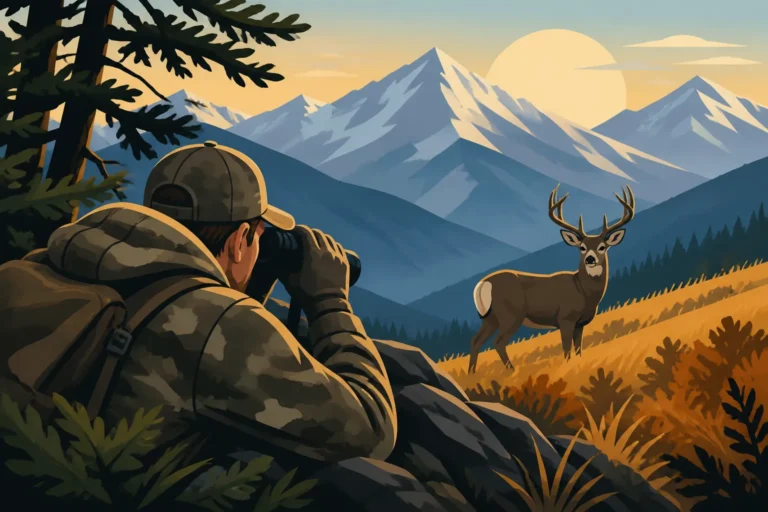
You can have the best calls in the world, but if your setup is poor, you're not going to be successful. Scouting is paramount. Before you even set up your call, spend time glassing the area. Use a good pair of binoculars or a spotting scope to locate any coyotes that might already be in the area. Look for tracks, scat, and other signs of activity, especially around water sources or game trails. Tools like the GoHunt app's detailed satellite imagery can help you identify natural funnels, elevated positions, and potential bedding areas before you even step foot in the field.
When choosing a setup location, always consider the wind. Coyotes have an incredible sense of smell, and if they catch your scent, the hunt is over. Position yourself so the wind is blowing from the direction you expect coyotes to approach, towards you, or cross-wind. This allows your scent to blow away from their likely travel paths.
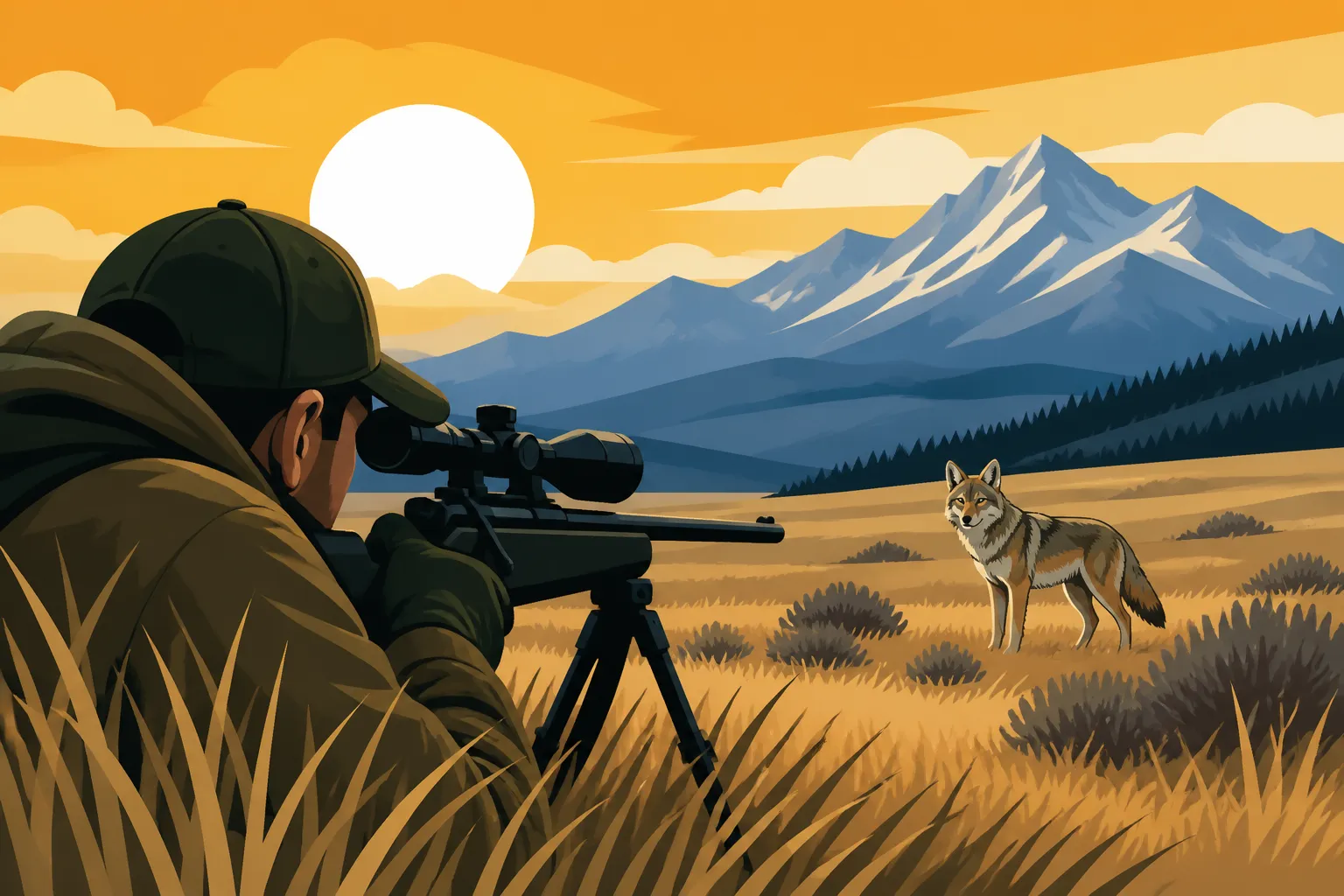
Concealment is also key. Utilize natural features like sagebrush bushes, rock formations, or small hills to break up your silhouette. Wear good camouflage. On open grasslands, this can be challenging, but even a slight rise or a patch of taller grass can make a difference. Position yourself with a clear shooting lane, but remain hidden. Having a shooting stick or bipod for stability is almost essential in open country, allowing for precise shots at longer distances. Think about the sun's position too; having the sun at your back can make it harder for the coyote to see you as it approaches. This thoughtful approach extends to scouting for any species, as seen in Scouting a British Columbia Management Unit Online.
Shot Placement and Ballistics
Coyotes are tough animals for their size, and a clean kill is always the goal. Shot placement is critical. Aim for the vital triangle behind the shoulder, slightly lower than you would for a deer. This targets the heart and lungs, ensuring a quick and humane dispatch. Head shots are also effective but present a smaller target, especially at longer ranges or if the animal is moving.
On the open grasslands, shots can often be at considerable distances, frequently exceeding 100 yards, sometimes pushing 300 yards or more. This means you need a rifle and cartridge combination capable of accuracy at these ranges, and more importantly, you need to be proficient with it. Calibers like .223 Remington, .22-250 Remington, or .204 Ruger are popular choices, offering flat trajectories and minimal recoil. Always know your rifle's ballistic data. Practice shooting from various positions, including prone and with shooting sticks, at different distances. Rangefinders are indispensable for quickly and accurately determining target distance, eliminating guesswork. Account for wind drift, which can be a significant factor in open grassland environments.
Essential Gear and Safety Considerations
A successful and safe coyote hunt in British Columbia’s grasslands hinges on having the right gear and, just as importantly, prioritizing safety. The elements can be unforgiving, and coyotes are often found in remote areas.
Clothing, Optics, and Firearms
Your gear needs to match the conditions. British Columbia weather can change rapidly, even in the interior grasslands. Layering is key. Start with a moisture-wicking base layer, add insulating layers like fleece or down, and top it with a waterproof and windproof outer shell. Even if it starts sunny, rain or snow can blow in quickly. Good quality, broken camouflage is essential for blending into the sagebrush and dry grass.
Optics are non-negotiable. A good pair of 10×42 binoculars will be your best friend for scanning vast areas for coyotes before they spot you. A spotting scope can also be invaluable for identifying distant animals and planning your approach. As mentioned, a laser rangefinder is crucial for making accurate shot calculations.
For firearms, choose a rifle you are proficient with and that's suitable for predators. Varmint-style rifles in .223 Rem, .22-250 Rem, or .204 Ruger are excellent choices, offering speed and accuracy. Bring enough ammunition, and make sure it's sighted in perfectly before you head out. A reliable shooting rest, whether a bipod attached to your rifle or a set of shooting sticks, is vital for stability in open country. Also, consider carrying a small daypack with essentials like water, snacks, a first-aid kit, a headlamp, and a knife. A compass and a GPS device or a robust mapping app like GoHunt on your phone are also critical, especially if you plan on covering significant ground or venturing into less familiar terrain. This kind of preparation is universally important, as you’d see when planning for something like Emergency Planning in British Columbia's Backcountry.
Prioritizing Safety in Open Country
Safety should always be your number one priority. Hunting in British Columbia, especially in remote grassland areas, carries inherent risks.
- Tell someone your plans: Always inform a trusted person of your hunting location, expected return time, and who you are with.
- Weather awareness: Check the forecast frequently and be prepared for sudden changes. Getting caught in a blizzard or a torrential downpour far from your vehicle can turn dangerous quickly. Knowing about Weather Windows in British Columbia's Mountains can be lifesaving.
- Firearm safety: Always follow the four fundamental rules of firearm safety: treat every firearm as if it's loaded, always point the muzzle in a safe direction, keep your finger off the trigger until ready to shoot, and be sure of your target and what is beyond it.
- Identify your target: On open grasslands, it can be easy for animals to blend in or for your perspective to be distorted. Be absolutely certain you are shooting at a coyote and not a domestic animal or another hunter.
- Respect private land: Much of British Columbia's grasslands are privately owned ranch land. Always know where you are and have permission before hunting on private property. Trespassing can lead to fines and loss of hunting privileges.
- Bear awareness: Even in grasslands, bears can be present, especially black bears. Carry bear spray and know how to use it.
- Hydration and sun protection: In the summer, grasslands can get very hot. Carry plenty of water, wear a hat, and use sunscreen to prevent dehydration and sunburn.
- Vehicle readiness: Ensure your vehicle is in good working order, has a full tank of gas, and consider carrying a spare tire, jumper cables, and a basic tool kit, especially if you plan on Hunting British Columbia's Logging Road Network which can be rough.
By taking these precautions and being well-prepared, you can enjoy a safe and productive coyote hunting experience on British Columbia's beautiful and challenging grasslands.
Disclaimer
Please note that hunting regulations, seasons, and access rules in British Columbia can change. It is your responsibility to consult the most current British Columbia Hunting and Trapping Synopsis, available from the provincial government, before any hunting activity. Always respect private property, obtain necessary licenses and tags, and adhere to all local and provincial laws.