Packing Out of British Columbia’s Steep Country
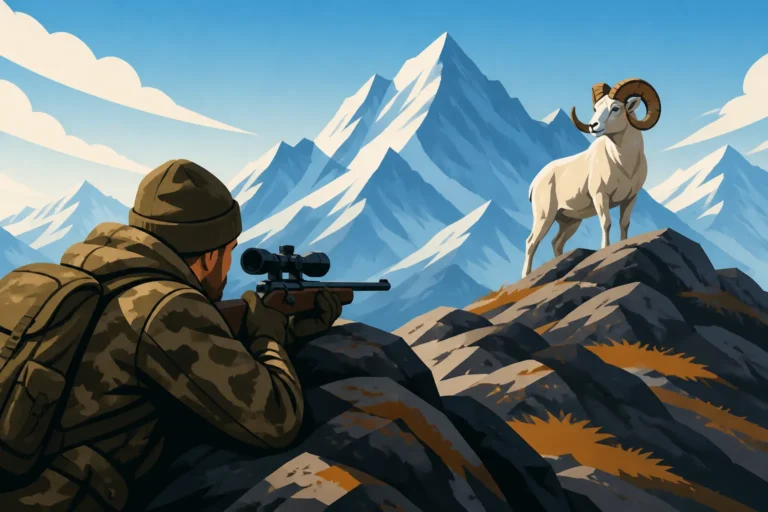
You've just put in the hours, made the perfect stalk, and delivered a clean shot. The animal is down. Relief washes over you, but then the reality hits: you're miles deep in British Columbia's incredibly steep and rugged terrain, and now the real work begins. Getting that hard-won game back to the truck or camp can be one of the most physically demanding and mentally challenging parts of any hunt, especially when gravity is not on your side. This guide is all about tackling the beast that is packing out of British Columbia's steep country, offering practical advice to help you get your meat and trophy home safely and efficiently.
The Harsh Reality of Steep Country Pack Outs
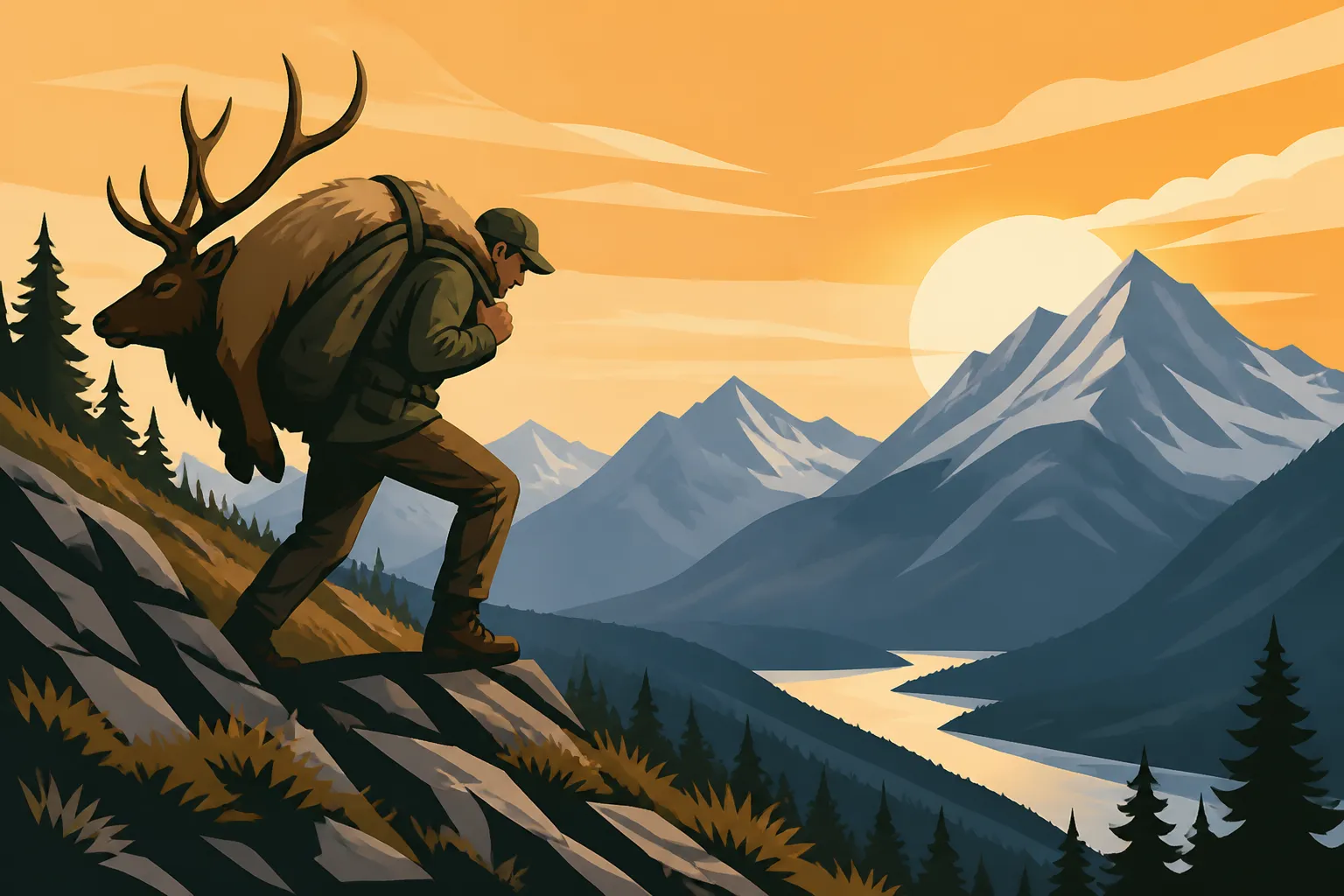
Harvesting an animal in British Columbia’s vast and varied landscape is a monumental achievement, but the immediate aftermath can quickly turn into a grueling test of endurance. What looks like a manageable slope from a distance can transform into an impassable wall of rock and timber when you’re standing at its base, contemplating how to move hundreds of pounds of meat uphill, or even just across an uneven side-hill.
The Unexpected Challenges of Elevation and Terrain
British Columbia is synonymous with mountains. From the jagged Coast Range to the vast Cariboo Chilcotin and the towering Rockies, steep terrain is simply part of the deal here. When you’re looking at a map or glassing from a distant ridge, a patch of timber or a seemingly gentle draw might appear to offer a decent route. However, once you're on the ground, those "gentle draws" often turn into deep, brush-choked canyons, and those "timber patches" reveal themselves as dense, tangled messes of blowdown and thick undergrowth that demand every ounce of your strength to navigate, let alone with a heavy pack.
The sheer physical toll is immediate and relentless. Every step is an effort, especially when you're traversing loose scree, navigating slippery moss-covered rocks, or pushing through chest-high alders. Even a mule deer that might seem manageable on flat ground suddenly feels like a full-grown moose when you're trying to haul it up a 45-degree incline. The higher the elevation, the thinner the air, further compounding the effort required. You might have excellent fitness for a typical hike, but combine that with a substantial load and the unstable footing of a mountain environment, and you’ll quickly find muscles aching in ways you never knew possible.
Weather, Light, and Time Constraints
The weather in British Columbia’s mountains is famously fickle. A sunny, calm morning can quickly give way to a torrential downpour, dense fog, or even a sudden snowfall, regardless of the season. These rapid changes not only make the terrain more treacherous – think slippery rocks, muddy slopes, and obscured visibility – but also severely impact your ability to navigate and maintain your bearings. Getting caught in a whiteout with a heavy pack and no clear path back to camp is a nightmare scenario no hunter wants to experience. Proper Emergency Planning in British Columbia's Backcountry is paramount for these situations.
Beyond the weather, the clock is always ticking. Daylight hours can be surprisingly short, especially in the fall as seasons advance, and the thought of trying to pack out hundreds of pounds of meat in the dark, through unforgiving terrain, is daunting. The pressure to get the animal field-dressed and out of the elements adds to the urgency. Temperatures can drop dramatically once the sun sets, increasing the risk of hypothermia if you’re unprepared, and critically, accelerating the rate at which meat can spoil. Plus, leaving game overnight, especially in areas with a healthy population of grizzlies and wolves, is a significant risk that most hunters want to avoid at all costs. This is where smart planning and a swift, efficient process become critical.
Essential Gear for a Successful Pack Out
Successfully extracting an animal from British Columbia's steep country is as much about having the right tools as it is about physical prowess and mental grit. Skimping on crucial gear can turn an already difficult task into a dangerous ordeal, or even lead to lost meat.
The Right Pack System
Your pack is the single most important piece of gear for a heavy pack-out. This isn't the time for a lightweight daypack. You need a dedicated meat-hauling system, and generally, that means a stout external frame pack or a robust internal frame pack designed for heavy loads.
External frame packs, like those from reputable brands such as Kifaru or Mystery Ranch, often excel at distributing immense weight. Their rigid frames allow for substantial loads to be carried directly against your back, keeping the weight high and balanced. This design helps prevent the pack from sagging and pulling you backward on steep descents or off-balance on traverses. Look for a pack with a strong, adjustable hip belt that can transfer most of the weight to your legs, and well-designed load lifters that pull the top of the pack closer to your body, preventing it from leaning back and straining your shoulders. When you're Packing Meat With a Frame Pack, these features are non-negotiable.
Internal frame packs have come a long way, and many modern designs can comfortably handle heavy loads up to 100 pounds or more. The key is finding one with a truly robust frame sheet and stays, coupled with an excellent suspension system. While they might not carry quite as rigidly as a full external frame, their sleeker profile can be advantageous when navigating dense timber or tight spots. Regardless of the type, prioritize a pack with ample lashing points and a dedicated meat shelf or compression system to secure quarters tightly to the frame. A loose load is a miserable and dangerous load.
Field Dressing and Meat Care Tools
Once the animal is down, the clock starts ticking, and proper field dressing is paramount to preserving your hard-earned meat.
- Knives and Sharpening Tools: A sharp, reliable knife is essential. Many hunters carry two or three—a stout fixed blade for initial skinning and jointing, and a smaller, razor-sharp caping knife for finer work or even a replaceable blade knife like those from Havalon or Outdoor Edge. Make sure you have a way to keep them sharp in the field, whether it's a small ceramic sharpener, a strop, or replacement blades. Dull knives lead to frustration, slow work, and potential accidents.
- Game Bags: Forget burlap or cotton pillowcases. Invest in good quality, breathable game bags made from synthetic material like nylon or cotton-poly blends, often treated to repel insects. These bags protect the meat from dirt, flies, and debris while allowing air to circulate, which is crucial for cooling. Brands like TAG Bags or Argali make excellent reusable options. You'll need enough bags to cover all your quarters, backstraps, tenderloins, and miscellaneous meat. This is especially true for Meat Care in British Columbia's Warm Early Seasons, where cooling the meat quickly is absolutely vital.
- Paracord: A few lengths of 550 paracord are indispensable. Use it to hang meat quarters from trees to cool them rapidly and keep them away from ground scavengers, or to lash irregular loads onto your pack frame. It's lightweight, strong, and incredibly versatile.
- Plastic Gloves and Wipes: Maintain hygiene during field dressing to prevent contamination. Disposable plastic gloves are a must, and a small pack of wet wipes or a hand sanitizer can make a big difference in cleanliness before you handle food or snacks.
Navigation and Safety Essentials
When you’re deep in British Columbia’s wilderness, especially in steep, featureless terrain, reliable navigation and communication are critical for your safety.
- GPS and Offline Maps: A handheld GPS unit (like a Garmin GPSMAP series) or a smartphone with a robust hunting app like GoHunt, loaded with offline topo maps, is essential. Mark your kill site, your truck, and any crucial waypoints like water sources or difficult obstacles. GoHunt's mapping features can be a lifesaver for navigating complex terrain, allowing you to retrace your steps or find a new, safer route out, even without cell service.
- Satellite Messenger: Cell service is non-existent in much of BC’s backcountry. A satellite messenger device (Garmin inReach, Zoleo, or Spot X) allows you to send and receive text messages, share your location, and most importantly, trigger an SOS in an emergency. This is a non-negotiable safety item for remote hunts and vital for Satellite Communication on a Remote Hunt.
- Headlamps and Spare Batteries: Packing out often stretches into or through the night. Always carry a reliable headlamp with fresh batteries, and at least one set of spares. A backup flashlight is also a good idea. Trying to navigate steep, uneven ground in the dark without adequate light is a recipe for disaster.
- First-Aid Kit: A comprehensive first-aid kit is essential. It should be capable of treating cuts, sprains, blisters, and other common hunting injuries. When you’re physically exhausted and far from help, even a minor injury can become a serious problem.
Strategies for Breaking Down and Transporting Meat
Once the animal is down, the real mental and physical game begins. Getting that meat broken down efficiently and transported safely requires strategy, patience, and often, sheer will.
Quartering the Animal in Challenging Positions
Field dressing in British Columbia's steep country is rarely a comfortable affair. You might find yourself on a precarious slope, amidst thick brush, or in rapidly changing weather. Adapting your technique to these conditions is crucial.
- The Gutless Method: For steep or difficult terrain, the gutless method is often preferred. Instead of rolling the animal onto its back and removing the guts first, you skin one side, remove the front and hind quarters, backstraps, and tenderloins, then flip the animal and repeat. This method minimizes movement of the animal, keeps the meat cleaner by avoiding the gut pile, and is less physically demanding than trying to manipulate a large animal on an incline. It’s particularly useful when you're working alone or on a very steep side-hill. When Quartering a Moose in Grizzly Country, this method can also reduce the time you spend exposed to potential predators.
- Bone-in vs. Deboned: Deciding whether to pack meat bone-in or deboned depends on several factors: the size of the animal, the distance to the vehicle, and your physical capacity. Bone-in quarters are easier to handle and protect the meat better, but they are significantly heavier. For a truly long or arduous pack-out, deboning the meat can save considerable weight. While it adds time and requires more skill with a knife, saving 30-50% of the weight can be a game-changer on a multi-day trip or when facing extreme vertical. Ensure you have proper game bags for deboned meat to keep it clean and allow air circulation. Remember, regulations in British Columbia require evidence of sex for certain species until the meat is processed, so be sure to check the synopsis for specific rules.
- Stability and Safety: Always prioritize your safety. Find a stable position for yourself before you start cutting. If on a slope, dig in your heels or use natural features for support. Be extra careful with sharp knives when you're tired and the ground is uneven. Keep your knife sharp; a dull knife requires more force and is more prone to slipping.
Planning Your Route Downhill
Don't just grab a quarter and start walking. Take a moment to survey the terrain and plan your route. What looks like a straight line down might be a series of cliff bands, impenetrable thickets, or a hidden creek that turns into a raging torrent.
- Scout the Path of Least Resistance: If possible, take a few minutes to walk a short distance in the direction you plan to go, looking for game trails, open timber, or drainages that offer a more gentle descent. Look for "green breaks" in the canopy from your vantage point above, which often indicate flatter, more open areas or old logging roads. Using your GoHunt map to identify elevation changes and potential obstacles can save you hours of struggle.
- Avoid Cliff Bands and Dense Brush: These are energy sappers and dangerous. Better to go a bit out of your way to find a manageable route than to get stuck above a sheer drop or exhaust yourself pushing through dense undergrowth.
- The "Slide vs. Carry" Debate: In some very steep, clear areas, especially with snow on the ground, sliding a quarter or even a whole carcass might seem tempting. However, this often results in dirty, damaged meat and is rarely practical or safe in British Columbia's typical rugged, rocky, and timbered terrain. Focus on carrying your load safely and deliberately. For example, when Getting a Moose Out on a British Columbia River, you might utilize a boat, but getting it to the river's edge first is the challenge.
- Mark Your Way: Use your GPS or GoHunt app to mark critical points on your planned route. This is invaluable, especially if you need to make multiple trips or if fog rolls in.
The Buddy System and Teamwork
While solo hunting has its allure, packing out in British Columbia's steep country is one task where a partner or a team truly shines.
- Sharing the Load: The most obvious benefit is the ability to distribute the weight. Even if you're a beast, splitting a large animal into lighter, more manageable loads across two or three hunters makes the journey significantly easier and faster. This also reduces the risk of injury.
- Spotting Dangers: A second set of eyes is invaluable. One person can focus on the path ahead, spotting loose rocks, slippery roots, or hidden hazards, while the other focuses on their footing and the weight on their back. This is especially true when navigating precarious ledges or crossing steep, unstable slopes.
- Motivation and Morale: When you're physically exhausted and the going gets tough, having a hunting partner to encourage you, share a joke, or simply commiserate with, can make all the difference. Misery loves company, and a shared challenge strengthens bonds. You can take turns leading, spotting, and even carrying the heaviest loads.
- Coordination: If you're hunting with a group, plan who carries what. Ensure vital gear like the first-aid kit, satellite messenger, and extra water are easily accessible, not buried under a quarter of elk. A well-coordinated team is far more efficient than a collection of individuals. For more on group dynamics, consider reading about Applying as an LEH Party.
Physical and Mental Preparation for the Grind
There's no way around it: packing out heavy game from British Columbia's steep terrain is an intense physical and mental challenge. Trying to do it without preparation is a recipe for pain, frustration, and potential injury.
Building Strength and Endurance
Hunting in British Columbia demands a high level of fitness, and the pack-out is often the peak of that demand. Your training should reflect the specific stresses you'll encounter.
- Hill Repeats and Weighted Carries: These are your best friends. Find the steepest hill you can, load up your pack with progressively heavier weight (start with 25-30% of your body weight and gradually increase), and walk or run up and down. Focus on controlled descents, which tax different muscles and joints. This simulates the real-world conditions of packing game down steep grades.
- Leg Strength and Core Stability: Strong legs and a solid core are paramount. Incorporate exercises like squats, lunges, deadlifts, and step-ups into your routine. A strong core helps stabilize your spine under heavy loads, preventing back injuries, while powerful legs will keep you moving upward and downward efficiently.
- Cardiovascular Endurance: Don't neglect your cardio. Long hikes, running, or cycling will build the stamina needed for sustained effort over hours or even days. The ability to recover quickly from bursts of intense effort will serve you well.
- Year-Round Fitness: Don't wait until August to get in shape for a September hunt. British Columbia's terrain is unforgiving. Maintain a consistent fitness regimen throughout the year to build a solid foundation. This is especially true if you plan on Hunting British Columbia's Alpine in September, where conditions can be brutal. If you’re truly aiming for big game in the mountains, think about what it takes for Fitness for a British Columbia Sheep Hunt; that level of preparation is an excellent benchmark.
Mental Fortitude and Problem Solving
Physical fitness will get you far, but the mental game is just as important, if not more so, when you're battling gravity, exhaustion, and dwindling daylight.
- Break Down the Task: Looking at a whole animal and imagining carrying it miles through steep terrain can be overwhelming. Instead, break the task into smaller, manageable chunks. Focus on getting one quarter out, or reaching the next landmark. Celebrate small victories, even if it's just making it to the bottom of a particularly nasty ravine.
- Stay Positive: It sounds cliché, but a positive attitude can literally move mountains. When you're exhausted and your body is screaming, reminding yourself why you're there, thinking about the delicious meat, or the incredible trophy, can provide the necessary boost. Complaining saps energy from everyone involved.
- Adapt and Overcome: Unforeseen obstacles are the norm in the backcountry. A downed tree across your path, a suddenly impassable stream, or an unexpected cliff band. Don't let these surprises derail you. Stay calm, assess the situation, and be willing to reroute or problem-solve. Your GoHunt app can be invaluable here for quickly finding alternative routes. This ability to adapt is crucial when you are hunting in remote areas like a Hunting a British Columbia Mountain Pass.
- Self-Talk and Visualization: Mentally prepare for the worst-case scenario. Visualize yourself successfully navigating difficult terrain with a heavy pack. Positive self-talk can push you through moments of doubt and pain. Remind yourself that you've trained for this, and you are capable.
Advanced Techniques and Considerations
Sometimes, sheer will and physical strength aren't enough, or there are ways to make the process easier and safer. Understanding some advanced techniques and considering specialized tools or assistance can be invaluable for the most challenging pack-outs in British Columbia.
Utilizing Mechanical Advantage
While often associated with flat ground, some mechanical advantage tools can be adapted for less extreme steep country or to overcome specific obstacles.
- Game Carts: In very specific scenarios where the terrain isn't too steep, and there's a relatively clear path (like an old, overgrown logging road or a flat river bottom), a heavy-duty game cart might be an option. However, for genuinely steep, rocky, or heavily timbered British Columbia terrain, they are often more of a hindrance than a help. Don't count on one being useful unless you've thoroughly scouted the exit route beforehand and know it's suitable.
- Block and Tackle Systems: For extremely heavy loads, or for getting an animal out of a deep ravine or off a sheer ledge, a small block and tackle system (pulley system) can multiply your pulling power. This is specialized gear and requires knowledge of rigging, but for a multi-hunter group tackling an enormous moose in a particularly tough spot, it might be the only way to get the animal to more manageable ground for quartering. These systems can be used to hoist quarters up to a tree for cooling, or to gain enough leverage to drag a section over a difficult obstacle.
- Sleds for Snow: If you’re lucky enough to harvest an animal in British Columbia's late season when there's significant snow on the ground, a durable plastic sled can be a godsend. Even on moderate slopes, a sled can drastically reduce the effort of dragging quarters or a whole animal. This is particularly useful in open timber or on old logging roads that might be covered in a few feet of snow.
The Role of Horses or Aircraft
For the truly remote, rugged, or massive animals found in British Columbia, sometimes human power alone isn't practical or safe. This is where horses or aircraft come into play.
- Horseback Access: Many of British Columbia's vast wilderness areas are accessible via horseback. If you're hunting in country suitable for horses, hiring a packer or utilizing your own stock can transform an impossible multi-day pack-out into a much more manageable undertaking. Horses can carry enormous loads, navigate challenging terrain (though still limited by extreme steepness or thick timber), and significantly reduce the physical toll on hunters. This option is common for hunts into remote alpine regions or vast interior plateaus. For more information, consider reading about Horseback Access to British Columbia's Alpine or Using Horses to Pack Out in British Columbia.
- Fly-In Hunts: For the most remote and pristine hunting grounds, particularly in Northern British Columbia or areas with vast river systems, flying in with a bush plane (like a de Havilland Beaver or Cessna 185) or even a helicopter is often the only realistic access method. While expensive, this option opens up opportunities for truly unpressured game and means that packing out often involves getting the animal to an accessible pick-up point, rather than hiking it all the way back to civilization. This is common for hunts targeting species like Stone's sheep or Dall's sheep in the far north. The logistics here are complex and require significant pre-planning with a licensed air charter service or guide-outfitter.
Choosing these options requires significant financial investment and logistical planning, but for certain hunts and certain animals, they are essential considerations to ensure the ethical recovery of game.
| Game Bag Material | Pros | Cons | Ideal Use Case |
|---|---|---|---|
| Cotton | Breathable, affordable, traditional | Absorbs moisture (can lead to bacterial growth), heavy when wet, less durable | Short pack-outs, cooler weather |
| Synthetic (Nylon/Polyester) | Highly durable, lightweight, moisture-wicking, often treated with insect repellent | More expensive, less breathable than cotton if tightly woven | Long, strenuous pack-outs, all weather conditions, especially warm early seasons |
| Pillowcase/Burlap | Very cheap, readily available | Poor breathability, attracts insects, tears easily, contaminates meat with fibers | Emergency situations only, not recommended for quality meat care |
Disclaimer
The information provided in this guide is for general knowledge and informational purposes only, and does not constitute professional advice. Hunting in British Columbia involves inherent risks, and conditions can change rapidly. Always consult the official British Columbia Hunting and Trapping Regulations Synopsis, carry appropriate safety and navigation gear, inform others of your plans, and prioritize safety above all else. Adherence to all provincial and federal hunting laws is the responsibility of the hunter.