Hunting British Columbia’s Alpine in September
Stepping into British Columbia's alpine in September for a hunt is an experience unlike any other, promising breathtaking views and the potential for an unforgettable encounter with an elusive animal. However, the raw beauty of these high-country environments often masks their unforgiving nature, leaving many hunters feeling overwhelmed by the sheer scale, unpredictable weather, and the physical demands required. This guide is designed to equip you with the knowledge, strategies, and mindset needed to confidently navigate and succeed in British Columbia's challenging yet rewarding alpine hunting landscape during the early fall.
The Allure and Reality of September Alpine Hunting in British Columbia
There's something truly magnetic about hunting above the timberline. The vast, open spaces, the crisp, clean air, and the panoramic views are intoxicating. But don't let the postcard-perfect images fool you; September in the British Columbia alpine is a wild, untamed beast that demands respect and thorough preparation. It's a land of extremes, where glorious sun-drenched days can quickly give way to sudden blizzards, and a successful hunt often hinges on your ability to adapt.
Why September in the Alpine is Special and Challenging
September is a prime month for alpine hunting in British Columbia for several compelling reasons. Many big game animals, particularly mature bucks and rams, are still spending their days high up in the mountains, enjoying the last of the green feed before the snow pushes them down to lower elevations. The air is often clearer than in the hazy days of summer, making glassing more effective. Plus, the changing larch trees paint the mountainsides in hues of gold, creating an undeniably stunning backdrop for your adventure.
However, these very conditions also bring significant challenges. The weather is notoriously fickle; you could experience all four seasons in a single day. Warm afternoons can necessitate diligent meat care, while freezing nights demand proper layering and shelter. The terrain itself is relentless – steep, rocky, and often devoid of easy access. Finding and stalking game in these wide-open spaces requires exceptional patience, keen observation skills, and a level of physical fitness that many lowland hunts simply don't demand. It's a place where every step is earned, and every successful stalk feels like a monumental achievement.
Key Species to Target Above Treeline
When you venture into British Columbia's alpine in September, a few species typically dominate the thoughts of high-country hunters. The most sought-after are often the majestic mountain sheep and goats, along with certain populations of mule deer.
Mule deer bucks, especially the older, wiser ones, frequently hold to higher elevations well into September. They'll be feeding heavily, building up reserves for the upcoming rut, and often seeking solitude in the rugged basins and timberline fringes. Finding these deer often means covering vast amounts of ground with your optics, patiently scanning every patch of subalpine timber, every rocky outcrop, and every grassy bench. For more on pursuing these animals, you might find Hunting Mule Deer in British Columbia a useful resource.
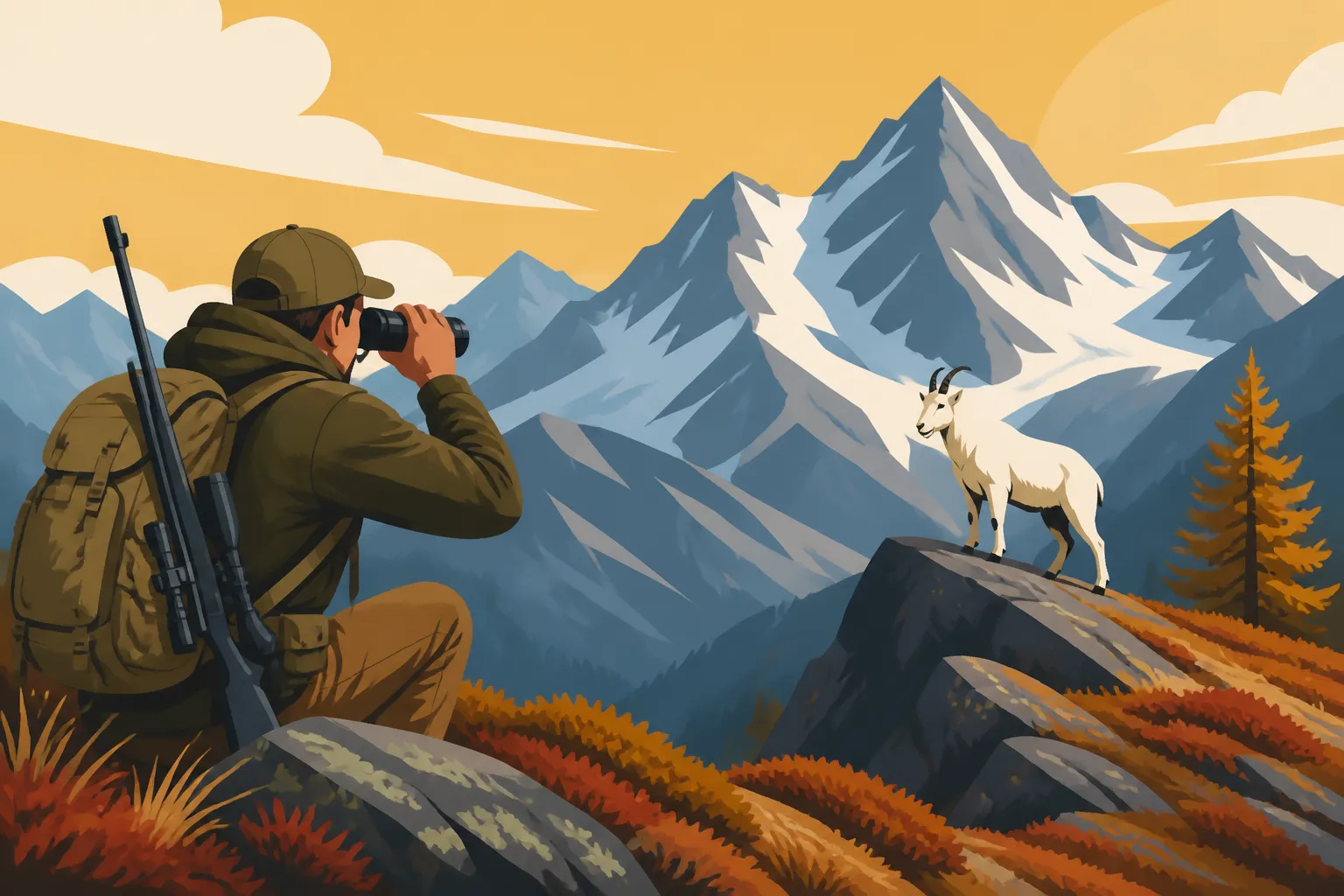
For those lucky enough to draw a tag, mountain sheep like Stone's Sheep or Bighorns are the quintessential alpine quarry. Their entire existence revolves around these high, craggy peaks. Similarly, mountain goats are true masters of the vertical world, and September is an excellent time to find them in their summer feeding grounds before the harshest winter weather arrives. Both sheep and goat hunts are often highly regulated, usually requiring a Limited Entry Hunting (LEH) authorization, and present some of the most physically demanding hunting experiences available. Exploring Backpack Hunting British Columbia's Sheep Country or Hunting Mountain Goat on British Columbia Rock can give you a deeper insight into these specialized hunts.
Essential Gear for British Columbia Alpine Adventures
The right gear isn't just about comfort; it's about safety and success when you're miles from the nearest road in British Columbia's alpine. Every item you pack needs to earn its place in your backpack, serving multiple functions and performing flawlessly under challenging conditions. Skimping on quality here can literally put you in a dangerous situation.
Layering for Unpredictable Mountain Weather
In the alpine, the weather changes with astonishing speed. One moment you're sweating uphill in a T-shirt, the next you're huddled against a biting wind or soaked by a sudden downpour. Effective layering is your best defense against these rapid shifts. Start with a good quality base layer, ideally made of merino wool or a synthetic fabric that wicks moisture away from your skin. Avoid cotton at all costs; it holds moisture and loses its insulating properties when wet, a recipe for hypothermia.
Your mid-layers should provide insulation. A fleece jacket or a lightweight puffy made with synthetic fill or down is excellent. These layers trap warm air close to your body and can be easily added or removed. Finally, your outer shell needs to be completely waterproof and windproof, allowing you to shrug off sudden rain, snow, or gale-force winds. Look for breathable options like Gore-Tex or similar membranes. Always pack an extra insulating layer, like a heavier puffy jacket, that you can throw on when glassing or at camp, as even in early September, temperatures can drop dramatically when the sun goes down or the clouds roll in. Remember, having options means you can adapt to whatever the mountains throw at you.
Footwear, Navigation, and Safety Gear
Your feet are your most important tool in the alpine, so investing in proper footwear is non-negotiable. You'll want stiff, supportive, waterproof boots with excellent ankle support and a deep lug sole for traction on loose rock and steep slopes. Make sure they are thoroughly broken in before your hunt to avoid painful blisters that can ruin a trip. Paired with good quality wool socks, your boots will be your best friend when you’re ascending thousands of feet over rugged terrain.
Navigation is paramount, especially in expansive, featureless alpine bowls or when fog rolls in. While a reliable GPS unit (like a Garmin inReach Mini) or a robust hunting app on your phone (GoHunt offers excellent mapping features for detailed terrain analysis) is essential, never rely solely on electronics. Always carry a physical map of the area and a compass, and know how to use them. These provide a critical backup when batteries die or signals are lost. Beyond navigation, a comprehensive first-aid kit, a reliable fire starter, a headlamp with extra batteries, and bear spray (and the knowledge of how to use it) are absolute musts. These items are your lifeline in an emergency, and it's always better to have them and not need them than to need them and not have them.
| Gear Category | Essential Items | Key Considerations |
|---|---|---|
| Clothing | Base layers (merino/synthetic), mid-layers (fleece/puffy), waterproof/windproof outer shell, warm hat, gloves, extra socks | No cotton; prioritize moisture-wicking, quick-drying, and packable insulation. |
| Footwear | Stiff, waterproof, high-ankle support hunting boots, wool socks | Fully broken-in; excellent traction for steep, rocky terrain. |
| Navigation | GPS device, physical map, compass, satellite messenger (e.g., InReach) | Redundancy is key; know how to use all tools, especially map and compass for backup. |
| Optics | Binoculars (10x-15x), spotting scope (20x-60x), tripod | Crucial for efficient glassing vast landscapes; quality matters for identifying game. |
| Shelter & Sleep | Lightweight tent/bivy, sleeping bag (-10°C rating), sleeping pad | Durable, packable, and rated for cold mountain nights; insulation from the ground is vital. |
| Safety & Survival | First-aid kit, bear spray, fire starter, headlamp, knife, signaling device | Comprehensive kit; know how to use bear spray effectively; always have an emergency plan. |
| Food & Water | High-calorie, lightweight food, water filter/purifier, hydration bladder | Sufficient calories for high energy output; reliable water access and treatment. |
Strategies for Locating Game in High Country
The sheer scale of British Columbia's alpine can be daunting. You're not looking for a needle in a haystack; you're looking for an entire herd of needles in a continent-sized haystack. Success here comes down to patience, persistence, and a deep understanding of how animals use the high-country environment. It's less about crashing through the bush and more about intelligent observation.
The Art of Glassing and Identifying Key Terrain
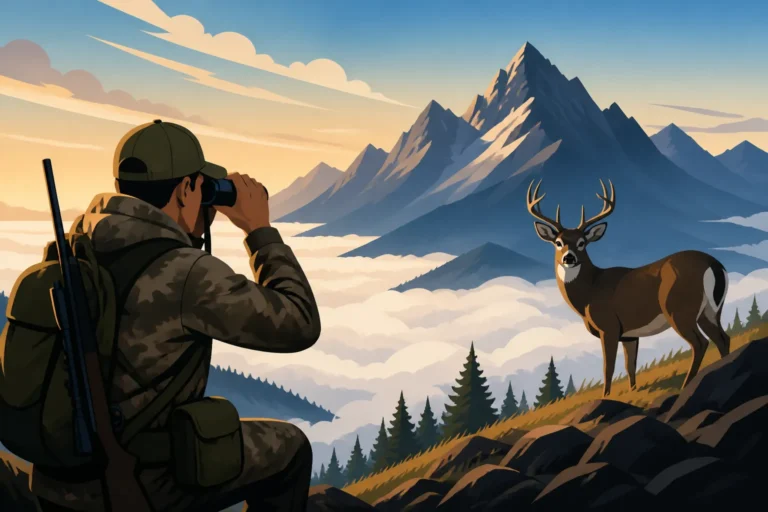
Glassing is, without a doubt, the most important skill for alpine hunting. You'll spend far more time looking through optics than walking. Find a high vantage point that offers expansive views of multiple basins, ridge lines, and avalanche chutes. Set up your spotting scope and binoculars on a sturdy tripod – this minimizes fatigue and allows for precise, long-duration scanning. Start scanning systematically, working from near to far, side to side, or top to bottom. Don't rush. Animals often blend in incredibly well, and what might look like a rock at first glance could reveal itself to be an ear or an antler after several minutes of steady observation.
Focus your attention on key features. Animals seek out feed, water, and security. Look for green patches of grass, especially on south-facing slopes that get more sun. Examine the edges of timberline, where animals might bed during the day. Pay close attention to the bottom and top edges of avalanche chutes and the heads of subalpine basins, as these are natural travel corridors and feeding areas. Understanding how thermals work is also crucial; animals often move uphill in the cool mornings and downhill in the evenings. By patient and meticulous glassing, you'll greatly increase your odds of spotting game before they spot you. Many hunters find using advanced mapping tools, like those found on GoHunt, invaluable for identifying potential game hotspots from afar, even before they set foot on the mountain.
Approaching and Stalking in Open Alpine
Once you've spotted an animal you want to pursue, the real challenge begins: the stalk. Unlike dense timber, the alpine offers very little cover. Every move you make needs to be calculated and deliberate. The first step is to analyze the terrain between you and the animal. Look for draws, ridges, rock bands, or clumps of stunted trees that can provide concealment. Plot your route carefully, always keeping the wind in your face or quartering into it. A shifting wind can instantly betray your presence.
Move slowly, taking your time with each step, particularly on loose rock where a single dislodged stone can send a warning signal. Use your binoculars frequently during the stalk to confirm the animal's location and ensure it hasn't moved or become aware of you. This is where fitness truly pays off – you might have to climb thousands of feet, sometimes dropping into a drainage only to climb back out, all while staying concealed. Be prepared for a long, arduous approach. Once you're within shooting range, ensure you have a solid shooting rest, as long shots across alpine valleys are common. Misjudging distance in this open country is easy, so a rangefinder is an indispensable tool. A successful stalk often takes hours, sometimes an entire day, but the reward of getting close to a truly wild animal in its natural habitat is unparalleled.
Physical and Mental Preparation for the Vertical World
Hunting British Columbia's alpine in September isn't just a walk in the park; it's a demanding expedition that tests both your body and your mind. Many hunters underestimate the physical toll of high-country hunting, leading to exhaustion, frustration, and ultimately, missed opportunities. Being physically prepared allows you to hunt harder and safer, while mental toughness keeps you going when your body wants to quit.
Building the Necessary Stamina and Strength
To truly enjoy and succeed in the British Columbia alpine, you need to be in top physical condition. This means focusing on a combination of cardiovascular endurance, strength, and stamina. Begin your training months in advance. Incorporate activities like hiking with a weighted pack, running, cycling, or stair climbing to build your lung capacity and leg strength. Mimic the demands of the hunt by carrying a pack loaded with water bottles or sandbags, gradually increasing the weight as your fitness improves. Aim for hikes with significant elevation gain.
Strength training should target key muscle groups: your legs for climbing, your core for stability, and your back and shoulders for carrying heavy packs. Exercises like squats, lunges, deadlifts, and overhead presses are excellent. Don't forget flexibility and balance training, as these help prevent injuries on uneven terrain. Beyond general fitness, practice shooting from various field positions – kneeling, sitting, prone, using your pack as a rest – because a perfect bench rest shot is rarely an option in the mountains. Your physical preparation directly translates into your ability to reach prime hunting areas, execute a successful stalk, and most importantly, pack out your hard-earned game from steep country.
Mental Fortitude and Dealing with Setbacks
While physical conditioning is crucial, mental fortitude is equally, if not more, important in the alpine. The mountains are a place where things rarely go according to plan. You'll face unpredictable weather, grueling climbs, endless glassing, and the inevitable frustration of not finding game, or perhaps even missing a shot after a long stalk. Being able to push through discomfort, maintain a positive attitude in the face of adversity, and make sound decisions when fatigued is what separates successful alpine hunters from those who give up.
Develop a resilient mindset by embracing challenges during your training. Push yourself a little further, climb that extra hill, or train in less-than-ideal weather. This builds mental toughness. Understand that setbacks are part of the game. A missed animal, a whiteout, or a lost trail can be demoralizing. Instead of dwelling on it, learn from it, adapt, and keep moving forward. A good hunting partner who shares a positive outlook can also be invaluable for boosting morale when things get tough. Remind yourself that the effort itself, the challenge of being in such a wild and magnificent place, is a significant part of the reward. For those times when the weather truly turns, knowing what to do if What Happens If Weather Ruins the Hunt can be a crucial piece of mental preparation.
Logistics and Backcountry Living in British Columbia's Alpine
Hunting the British Columbia alpine isn't a day trip; it's an immersive backcountry experience. Managing your camp, ensuring proper meat care, and staying safe from wildlife are critical components of a successful and ethical hunt. These logistical elements often dictate how long you can stay in the field and how effectively you can hunt.
Camp Selection and Staying Warm and Dry
Choosing the right location for your spike camp or main base camp in the alpine is vital. Look for a spot that offers some natural shelter from the wind, ideally near a reliable water source. Flat ground is a luxury, but necessary for a good night's sleep. Avoid setting up camp in avalanche paths, narrow creek bottoms prone to flash flooding, or directly on game trails. Pay attention to the ground; a dry, well-drained spot will keep you warmer.
Your tent or shelter needs to be robust enough to withstand high winds and heavy precipitation, which are common in September. A lightweight mountaineering tent designed for three-season (or even four-season) use is ideal. Inside, a good sleeping bag rated for temperatures well below what you expect, combined with an insulated sleeping pad, is essential to prevent heat loss to the ground. Managing condensation inside your tent is a constant battle; good ventilation helps, as does shaking off excess moisture from your gear before bringing it inside. Remember, staying warm and dry in camp allows your body to recover properly for the next day's strenuous hunting.
Meat Care, Packing Out, and Bear Safety
Once you've harvested an animal, the real work begins. In September, even in the alpine, temperatures can be warm during the day, making rapid meat care essential to prevent spoilage. Field dress your animal immediately, removing the entrails to allow the carcass to cool down as quickly as possible. Quartering the animal and getting the meat off the bone significantly aids cooling. Hang the quarters in game bags in a shady, airy spot, away from direct sunlight, and ideally off the ground to promote airflow and deter scavengers. If you are far from camp, consider a quicker bone-out method. For more detailed guidance, see Keeping Meat Cool in an Early Season.
Packing out game from British Columbia's steep country is often the most physically demanding part of the hunt. A well-fitting, sturdy frame pack is indispensable. Plan your route carefully, especially if you're navigating treacherous terrain with heavy loads. Break down the pack-out into manageable loads, and consider caching meat if necessary, marking the location clearly and taking precautions against bears. Speaking of bears, bear safety while hunting in British Columbia is paramount, especially when you have fresh meat. Always keep a clean camp, store food and meat away from your sleeping area (e.g., hanging from a tree or in bear-resistant containers), and carry bear spray on your person, not just in your pack. Make noise when hiking to avoid surprising a bear, and be aware of your surroundings, especially during dawn and dusk.
Navigating Regulations and Ethical Considerations
Hunting in British Columbia's alpine isn't just about physical prowess and good gear; it's also about understanding and adhering to the province's specific hunting regulations and upholding a strong ethical code. The mountains are a shared resource, and responsible hunting ensures these opportunities remain for future generations.
Understanding British Columbia's Specific Alpine Rules
Before you even think about heading into the alpine, you absolutely must be intimately familiar with the current British Columbia Hunting Regulations Synopsis. This document outlines everything from season dates and bag limits to species-specific rules for each Management Unit (MU) and Region. Many prime alpine species, like Stone's Sheep and Mountain Goats, are managed through the Limited Entry Hunting (LEH) system, meaning you need to apply in advance for a chance to draw a tag. Understanding British Columbia's Limited Entry Hunting Draws is critical if you're targeting these species.
Even for general open season (GOS) species like mule deer, there can be antler point restrictions, such as British Columbia's Four-Point Antler Restriction, which are often in place to protect younger bucks and promote herd health. Be certain of the specific rules for the MU you plan to hunt, as they can vary dramatically from one area to another. Double-check your licences and tags, ensure you have your FWID, and understand any compulsory reporting requirements for species harvested. The province's regulations are updated every two years, so always consult the most recent British Columbia's Two-Year Regulations Synopsis before planning your trip. Ignorance of the law is never an excuse, and violations can result in hefty fines or loss of hunting privileges.
Respecting the Resource and Other Users
Beyond the letter of the law, ethical hunting demands a profound respect for the animals, the land, and other users of the backcountry. Practicing Leave No Trace principles is fundamental: pack out everything you pack in, including all garbage. Minimize your impact on the delicate alpine environment by staying on established trails where possible and avoiding unnecessary disturbance to sensitive vegetation.
Consider other hunters you might encounter. The alpine is vast, but popular areas can see pressure. Be respectful of other groups, give them space, and avoid disrupting their hunt. Communication and courtesy go a long way in fostering a positive hunting community. For example, if you see a group glassing a basin, choose a different area to avoid interfering. If you’re using a mapping app like GoHunt, remember that while it aids your navigation, it’s also a tool for understanding access and potential pressure points. Ultimately, ethical hunting means making a clean kill, retrieving all edible meat, and making every effort to recover any wounded animal. It means understanding that we are guests in these wild places and have a responsibility to preserve them for future generations.
Disclaimer
Hunting is an inherently dangerous activity. This guide provides general information and recommendations, but it is not a substitute for personal research, preparation, training, or professional guidance. Always prioritize safety, understand and follow all local, provincial, and federal regulations, and be prepared for emergencies. The author and publisher are not responsible for any accidents, injuries, or legal issues that may arise from using this information.