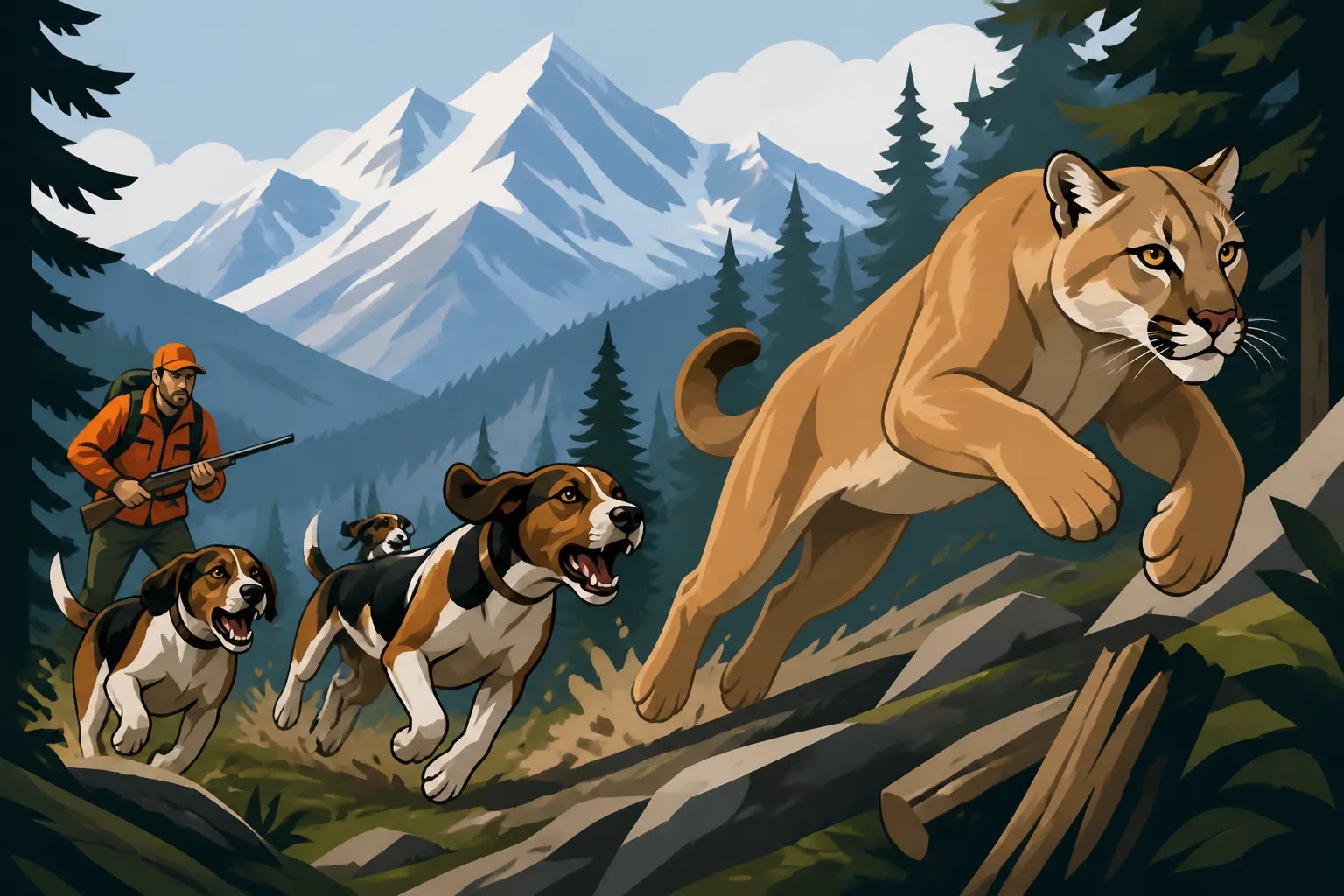
Hunting Cougar With Hounds in British Columbia
The idea of chasing a cougar through the rugged British Columbia wilderness with a pack of baying hounds is often romanticized, but the reality is a gruelling, physically demanding pursuit that tests both hunter and canine to their limits. Many hunters dream of this iconic experience, yet few truly understand the intricate details, the sheer effort, and the specialized knowledge required to successfully hunt these elusive predators. This comprehensive guide will peel back the layers of frustration and mystery, offering a realistic, in-depth look at what it truly takes to hunt cougar with hounds in British Columbia, from understanding the regulations to the adrenaline-pumping moments of the chase.
Understanding Cougar Hunting with Hounds
Hunting cougars with hounds is a deeply traditional method, steeped in history and requiring a unique bond between hunter and dog. It's not just about tracking an animal; it's about interpreting canine behaviour, navigating challenging terrain, and understanding the intricate dance between predator and prey.
The Role of Hounds in Cougar Hunting
Hounds aren't just pets; they are highly specialized athletes, bred and trained for generations to follow a specific scent trail. When hunting cougar, the dogs are paramount. They possess an olfactory sense far superior to humans, allowing them to detect the faint scent left by a cougar, even hours after it has passed. Once a "cold" track is found, the hounds are released, their baying calls echoing through the forest as they commit to the chase.
The real magic happens when the dogs pick up a "hot" track, meaning the cougar is relatively close. Their behaviour changes, their excitement palpable, and their voices intensify. Their job is to push the cougar, to pursue it relentlessly until it makes a decision: either it trees, taking refuge in the branches of a large fir, or it bays on the ground, cornered but still dangerous. This pursuit often covers many miles over incredibly difficult terrain, from steep mountainsides to dense timber, making it a test of endurance for all involved. Without these dedicated animals, reliably locating and cornering a cougar in the vastness of British Columbia's wilderness would be an almost impossible feat for most hunters.
Why Hound Hunting is Effective for Cougars
Cougars are masters of stealth, often referred to as "ghosts of the forest" because of their solitary nature and ability to disappear into the landscape unnoticed. Their vast territories, nocturnal habits, and incredibly acute senses make them notoriously difficult to spot and stalk. Imagine trying to find a single, camouflaged shadow in tens of thousands of acres of dense forest or rocky outcrops. It's a needle in a haystack, and that's precisely why hounds become indispensable.
Hounds level the playing field. Their ability to track scent overcomes the cougar's visual camouflage and silent movement. While a cougar might effortlessly glide through the undergrowth, its scent clings to the leaves, needles, and soil, creating a roadmap only a dog can follow. This effectiveness is crucial for management as well, allowing wildlife biologists and managers to more accurately assess cougar populations and address local issues, such as predation on livestock or other game species. It's not about making it "easy"; it's about making it feasible to consistently locate an animal that otherwise exists almost entirely outside human perception.
The Legalities and Logistics of Hound Hunting in BC
Before you even dream of hitting the trails, understanding the regulatory framework is paramount. British Columbia has specific rules governing cougar hunting, and hound hunting adds another layer of complexity. Getting it wrong can lead to serious penalties and jeopardize your future hunting opportunities.
British Columbia Cougar Regulations and Seasons
Hunting cougars in British Columbia is subject to specific regulations outlined in the provincial hunting synopsis, which is updated every two years. Hunters must possess a valid British Columbia Hunting Licences and Fees and a specific British Columbia's Species Licences and Tags for cougar. It's critical to pay attention to the regional nuances, as British Columbia Cougar Season Dates can vary significantly across the province's nine hunting regions. For instance, in some management units, cougar seasons might run from September right through to June, while others have more restricted periods.
Beyond season dates, bag limits are also strictly enforced. Typically, a hunter might be allowed one cougar per license year. It's also important to be aware of any special restrictions, such as limitations on hunting female cougars with dependent kittens. Respecting these rules is not just about legality; it's about responsible wildlife management and ensuring healthy cougar populations for future generations. Always check the current synopsis for the specific British Columbia's Management Units and Regions you intend to hunt.
Rules for Using Hounds and Ethical Considerations
In British Columbia, the use of hounds for cougar hunting is generally permitted, but with certain stipulations. For example, hunters must ensure their dogs are properly licensed and that the hunt adheres to fair chase principles. This means no harassing animals unnecessarily, no hunting cougars in areas where they are unduly vulnerable (like deeply crusted snow that impedes their movement), and always ensuring a clean, ethical harvest once the animal is treed or bayed. The pursuit should be about the challenge of the hunt, not simply cornering an animal for an easy kill.
There's also a strong ethical component to consider. Public perception of hound hunting can be mixed, and demonstrating respect for the animal and the wilderness is vital. This includes responsible dog handling, minimizing disturbance to other wildlife, and ensuring any harvest is done respectfully and documented according to British Columbia's Compulsory Reporting Rules. If you're going with a guide, make sure they are well-versed in these ethical considerations and operate with the highest standards. Resources like GoHunt can sometimes offer insights into ethical outfitter practices or connect you with experienced hound hunters who prioritize fair chase and conservation.
Finding a Reputable Hound Hunter or Guide
Unless you're an experienced hound hunter yourself with your own well-trained pack, finding a reputable guide or mentor is crucial for a successful and ethical cougar hunt in British Columbia. This isn't a DIY venture for the uninitiated; the specialized knowledge and equipment are significant barriers.
What to Look for in a Cougar Guide
Choosing the right guide for a cougar hunt with hounds is perhaps the most critical decision you'll make. Look for someone with a proven track record specifically in cougar hunting, not just general big game. An experienced hound hunter will have a deep understanding of cougar behaviour, be intimately familiar with the local terrain and Where Cougars Are Most Common, and, most importantly, possess a well-trained, disciplined pack of dogs. Don't be afraid to ask for references from past clients. A good guide will be transparent about their success rates, their hunting methods, and their commitment to ethical hunting practices.
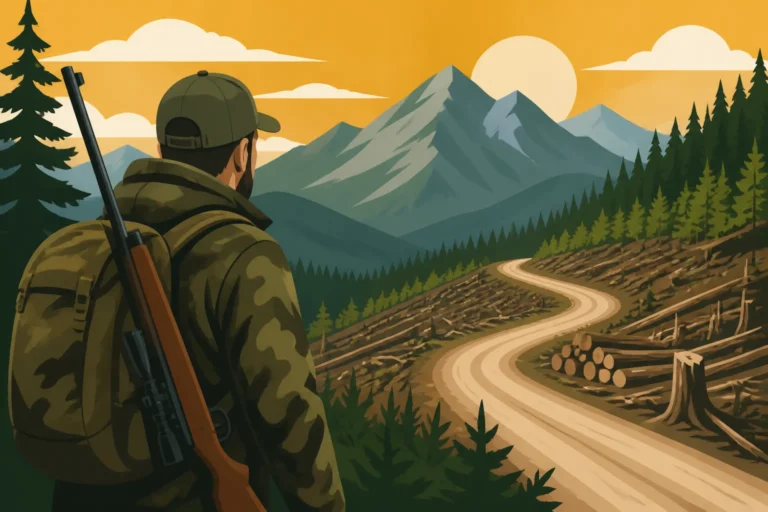
Consider their logistical capabilities: Do they have reliable vehicles capable of navigating Hunting British Columbia's Logging Road Network? Do they carry essential safety gear, satellite communication, and first-aid equipment? Will they help with quartering and packing out your animal? It's also important to discuss the physical demands of the hunt. A reputable guide will be upfront about the strenuous nature of following hounds through rugged country and ensure you're adequately prepared. Websites like GoHunt might feature reviews or directories of licensed guides, which can be a valuable starting point for your research.
The Value of Experience and Local Knowledge
Cougar hunting is not just about the hounds; it's heavily reliant on the hunter's experience in reading tracks, understanding local conditions, and knowing how cougars use the landscape. An experienced guide will know where to "cut track" – areas like logging roads, river bottoms, or fresh snow where cougars often cross, leaving tell-tale signs. They can differentiate between fresh tracks and older ones, determining if a chase is even worthwhile.
Local knowledge is invaluable in British Columbia. Guides who have hunted a specific management unit for years understand the migratory patterns of deer and elk, which are primary cougar prey, and therefore, where cougars are likely to be. They know the escape routes, the dense timber stands where a cougar might hide, and the big trees where they prefer to be treed. This intimate understanding of the ecosystem significantly increases your chances of a successful hunt and, perhaps more importantly, ensures a safer and more enjoyable experience for everyone involved, especially the hounds.
The Dynamics of the Hunt: From Track to Tree
The actual hunt itself is a dynamic, high-stakes ballet of tracking, pursuit, and adrenaline. It's rarely a leisurely stroll; expect physically challenging days and intense moments. This is where the magic, and the grind, truly happen.
Cutting Track and Releasing the Hounds
The hunt typically begins before dawn, often driving slowly down remote logging roads, looking for fresh cougar tracks in the snow or mud. This initial phase, known as "cutting track," requires a keen eye and extensive knowledge of cougar sign. Once a promising track is found, the dogs are brought in to confirm the scent. If the track is fresh enough to warrant a chase, the hounds are released. The moment those dogs hit the scent trail and their melodious baying erupts is an unforgettable sound that signals the true start of the hunt.
Each dog in the pack has a distinct bark, allowing the handler to identify who is leading the chase and how far they've gone. The initial chase can be fast and furious, covering significant ground as the cougar attempts to outrun its pursuers. The hunter's job is to follow the dogs, navigating the challenging terrain, listening intently to the changing barks of the pack. This stage demands physical fitness, quick decision-making, and a deep trust in the hounds. You can learn more about the intricacies of this pursuit in articles like Hunting Cougar Behind Hounds.
The Chase, the Tree, and the Harvest
Following the hounds can be an arduous journey, often involving scrambling up steep inclines, pushing through dense brush, and crossing creeks. As the chase progresses, the cougar may try various evasive tactics: running along fallen logs, jumping between trees, or even backtracking to throw the dogs off. Eventually, if the hounds are persistent enough, the cougar will either "tree" (climb a tree to escape the dogs) or "bay" on the ground (stand its ground, often on a rock ledge or in a thicket).
When the dogs finally "tree" or "bay," their excited, rapid barks confirm the location. The hunter then makes the final approach, often taking time to catch their breath and calm their nerves. This is the moment of truth. Before taking a shot, it's crucial to properly identify the animal, ensuring it meets legal requirements and presents an ethical shot opportunity. If the cougar is treed, a steady shot is typically taken to dispatch the animal quickly and humanely. This is not a rushed process; respect for the animal dictates a calm, deliberate approach to ensure a swift and ethical harvest.
Essential Gear and Preparation for a Hound Hunt
Hunting cougar with hounds is an incredibly demanding physical activity that often occurs in cold, wet, and rugged conditions. Being properly equipped and physically prepared is not just about comfort; it's about safety and success.
Clothing, Footwear, and Navigation
Your gear will make or break your cougar hunt. Layering is key, as your exertion levels will fluctuate wildly. Start with moisture-wicking base layers, add insulating mid-layers like fleece or down, and top it with a waterproof and windproof outer shell. You'll be sweating during the climb and cooling off quickly when stopped. Bright orange is often mandatory during big game seasons in BC, so make sure you have appropriate blaze orange items, even if it's just a vest.
Footwear is arguably the most critical component. Invest in high-quality, waterproof, and well-broken-in hiking boots with excellent ankle support and aggressive traction. You'll be traversing uneven, often slippery terrain for hours. Gaiters are also a must to keep snow, mud, and debris out of your boots. For navigation, a reliable GPS unit (like those supported by GoHunt maps, which offer detailed satellite imagery and property boundaries) and a compass with a physical map are essential. Cell service is often non-existent in the remote areas where cougars live, so don't rely solely on your phone.
Safety, Communication, and Field Care
Safety in the backcountry is non-negotiable. Always carry a comprehensive first-aid kit, a headlamp with extra batteries, fire-starting materials, and emergency shelter. Given the presence of other predators, understanding Bear Safety While Hunting in British Columbia is always wise, even if you're primarily hunting cougar. A satellite messenger or inReach device for two-way communication and emergency SOS capabilities is highly recommended, especially when you are far from any road or trail.
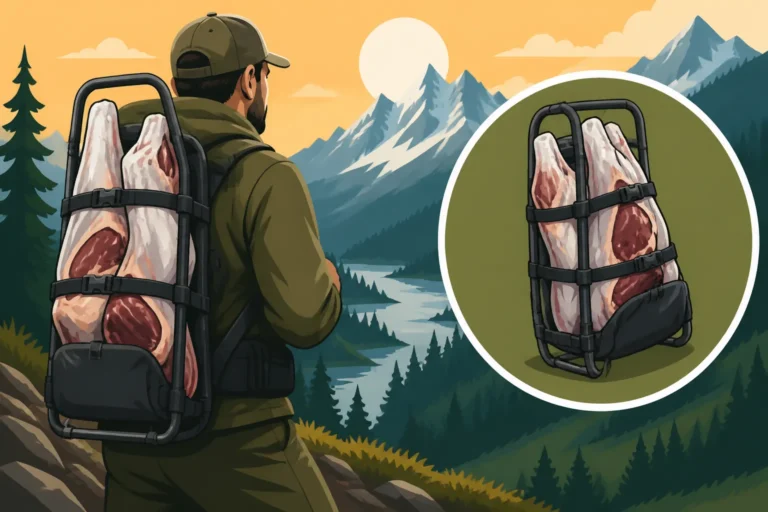
For field care of your harvested cougar, you'll need a sharp knife, game bags, and perhaps a small saw. Given that What a British Columbia Cougar Weighs can often exceed 150 pounds, be prepared for a significant pack out, possibly in steep or difficult terrain. Knowing how to efficiently skin and quarter the animal in the field is vital. While cougar meat is edible and can be quite good, proper care immediately after harvest is essential to ensure quality, especially if you plan to save the hide for taxidermy. Make sure you have the means to protect the hide from damage during the pack out.
Ethical Considerations and Conservation
Hunting cougar with hounds sometimes draws scrutiny, making ethical conduct and a strong commitment to conservation even more important. Hunters who pursue these elusive animals have a responsibility to uphold the highest standards.
Responsible Predator Management
Cougars are apex predators, playing a crucial role in maintaining healthy ecosystems by naturally regulating populations of deer, elk, and other prey species. Responsible cougar hunting, particularly through regulated seasons and harvest limits, can be an effective tool in wildlife management. In areas where cougar populations are thriving and impacting local livestock or game populations, hunting helps to balance the ecosystem. It's not about eradication, but about sustainable management.
Hunters contribute valuable data through mandatory reporting. For example, What Happens If You Report Late can impact the accuracy of wildlife management decisions. By diligently following British Columbia's Compulsory Reporting Rules, hunters provide wildlife agencies with crucial information on harvest numbers, locations, and animal health, which directly informs future management strategies and ensures healthy cougar populations continue to thrive across British Columbia.
Public Perception and Hunter Advocacy
The image of hound hunting can be controversial for some members of the non-hunting public, who may misunderstand the nature of the chase or view it as inhumane. This makes it incredibly important for hound hunters to be exceptional ambassadors for their sport. This means conducting oneself with the utmost integrity, adhering strictly to regulations, and showing profound respect for the animal and the environment at every stage of the hunt.
Hunter advocacy involves educating others about the ecological role of cougars, the conservation benefits of regulated hunting, and the unique challenges and traditions associated with hound hunting. Sharing positive, ethical hunting stories and demonstrating a commitment to conservation can help shift public perception. By being open, transparent, and always upholding the highest ethical standards, British Columbia's cougar hunters can ensure the long-term viability and public acceptance of this challenging and rewarding pursuit.
Cougar Hunting Checklist for British Columbia
To help you get organized, here's a handy checklist of key items and considerations for a cougar hunt with hounds in BC.
| Category | Item | Notes |
|---|---|---|
| Licensing & Docs | BC Resident Hunting License | Required for all resident hunters. |
| Species Tag: Cougar | Specific tag for cougar, check regional availability. | |
| FWID (Fish & Wildlife ID) | Essential for all licenses and tags. | |
| Hunting Synopsis | Current year's regulations for your hunting area. | |
| Hunter Harvest Report | Be prepared to fill this out after harvest. | |
| Clothing & Footwear | Layered Clothing System | Base, mid, and outer waterproof/windproof shell. |
| Sturdy, Waterproof Hiking Boots | Excellent ankle support and traction. | |
| Gaiters | Keep snow and debris out of boots. | |
| Warm Hat, Gloves/Mitts | Essential for cold conditions. | |
| Blaze Orange Vest/Hat | Mandatory in many areas during big game seasons. | |
| Navigation & Safety | GPS Unit & Spare Batteries | Pre-loaded with maps, including Crown land boundaries. |
| Compass & Physical Map | Backup navigation, know how to use them. | |
| Satellite Messenger/InReach | For emergency communication beyond cell service. | |
| Headlamp & Spare Batteries | Crucial for pre-dawn starts and late finishes. | |
| First-Aid Kit | Comprehensive for backcountry emergencies. | |
| Fire Starter (Lighter/Matches) | Waterproofed. | |
| Emergency Shelter/Bivy | Lightweight emergency bivy sack. | |
| Bear Spray (optional, but wise) | And know how to use it safely. | |
| Hunting Gear | Rifle/Bow (Legal Calibre) | Ensure it meets Legal Rifle Calibres for Big Game or bow rules. |
| Ammunition/Arrows | Sufficient quantity for practice and hunt. | |
| Optics (Binoculars/Spotting Scope) | For scanning and identification. | |
| Hunting Pack | Comfortable for carrying gear and potentially meat. | |
| Knife & Sharpening Stone | For field dressing. | |
| Game Bags | Clean, breathable bags for meat and hide. | |
| Water & Snacks | High-energy provisions for long days. | |
| Miscellaneous | Camera | To capture memories (respectfully). |
| Cooler with Ice | For transporting meat/hide after the hunt. | |
| Physical Fitness | Critical for keeping up with hounds over challenging terrain. |
Disclaimer
Hunting involves inherent risks, including but not limited to adverse weather conditions, challenging terrain, wildlife encounters, and the use of firearms or other hunting equipment. This guide provides general information and recommendations only. Always consult the most current British Columbia Hunting Regulations Synopsis, adhere to all local laws, and prioritize safety. Engage with licensed and reputable guides, and ensure you have the necessary skills, fitness, and equipment for any hunting endeavor. The responsibility for a safe and legal hunt rests solely with the individual hunter.