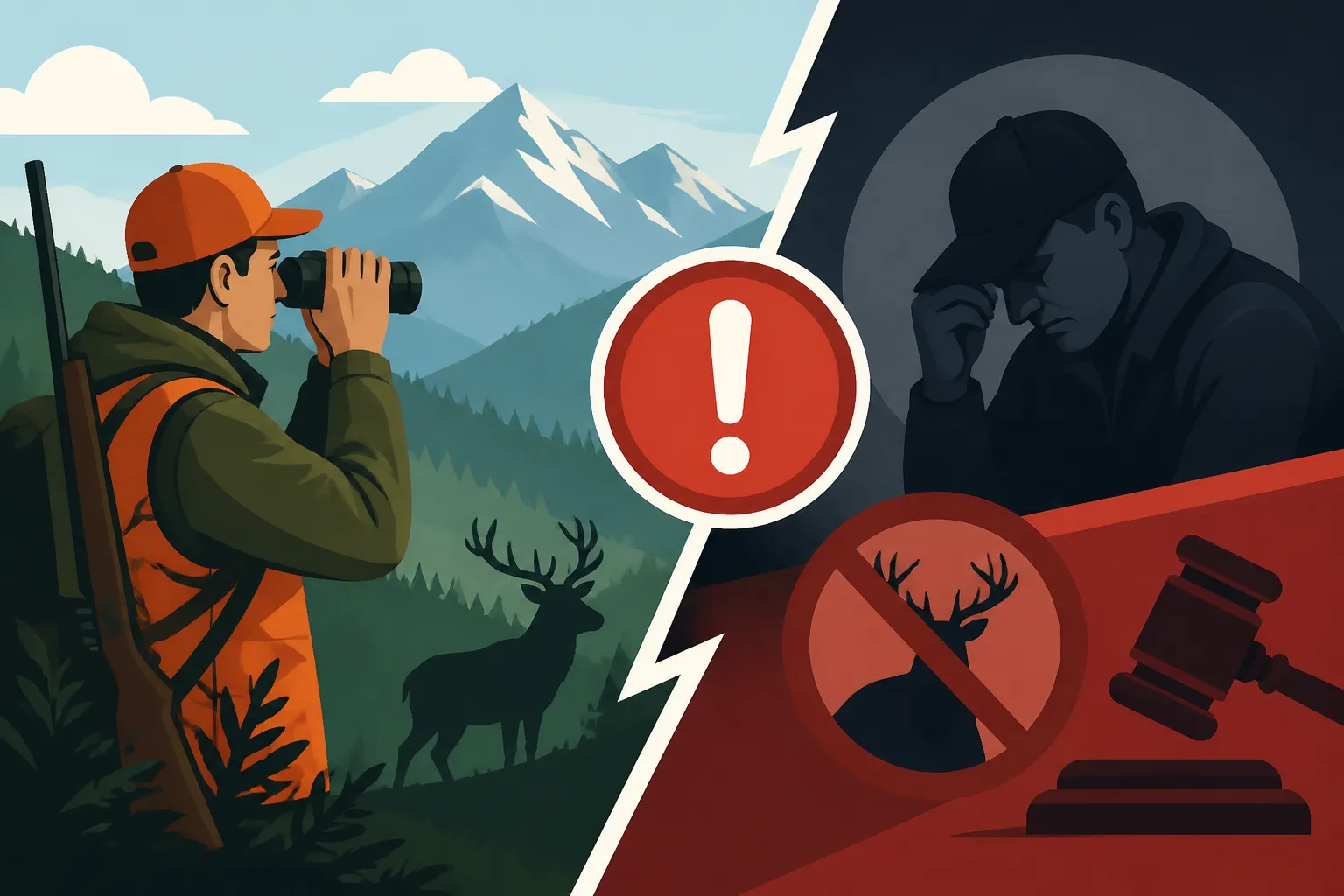
What Happens If You Report Late
It's a common fear among British Columbia hunters: you’ve had an incredible hunt, filled your tag, processed your animal, and then, a few weeks later, a cold sweat breaks out. Did you remember to report your harvest? Forgetting or submitting your compulsory harvest report late can feel like a huge oversight, bringing with it a cloud of uncertainty and worry. This guide is here to demystify what happens if you report your harvest past the deadline and how to navigate these often-anxiety-inducing situations.
Understanding Compulsory Reporting in British Columbia
Compulsory reporting isn't just a bureaucratic hurdle; it's a vital component of British Columbia's wildlife management strategy. Every time a hunter successfully harvests certain species, they're required to submit a report to the provincial government. This data is critical for understanding population trends, harvest rates, and the overall health of our wildlife. Missing this step, even accidentally, can have real consequences, not just for you but for the integrity of the data that informs future hunting opportunities.
The Rationale Behind Compulsory Reporting
Think of compulsory reporting as the backbone of sustainable wildlife management. Without accurate and timely data on harvest numbers, wildlife biologists would be flying blind when it comes to setting seasons, bag limits, and managing specific populations. For instance, knowing how many moose tags were filled in a particular management unit helps determine if that population is stable, growing, or declining, influencing future Moose Hunting British Columbia's Interior opportunities. The information you provide, from the date of harvest to the sex and location of the animal, paints a clearer picture for wildlife managers. This allows them to make informed decisions that protect our hunting heritage for generations to come. It’s about more than just your individual hunt; it’s about collective stewardship.
When you take an animal in British Columbia, you become part of a larger monitoring system. The data collected helps identify areas where a species might be struggling or thriving, indicating where management efforts, such as habitat restoration or predator control, might be necessary. It helps balance hunter access with conservation goals. Essentially, your harvest report directly contributes to the scientific understanding that keeps our wild places abundant and healthy. This system ensures that our hunting regulations are based on real-world numbers rather than guesswork, protecting the very resource we cherish.
Species That Mandate Reporting
Not every animal you harvest in British Columbia requires a compulsory report. Generally, the species that fall under this rule are those with more sensitive populations or those where harvest data is particularly crucial for management. These typically include many of our big game animals, such as deer, elk, moose, caribou (where open), sheep, goats, and bears. Smaller game animals, like waterfowl or grouse, usually don't have the same strict individual reporting requirements, although their harvest is tracked through other means like federal migratory bird permits or general bag limits.
It’s absolutely critical to consult the most current British Columbia Hunting and Trapping Regulations Synopsis before every hunting season to confirm which species require compulsory reporting. These regulations are updated every two years, and sometimes specific management units will have unique reporting requirements. For a detailed breakdown, you’ll find all the specifics in the section on British Columbia's Compulsory Reporting Rules. Don't assume anything; always double-check the rules for the specific species and management unit you're hunting. Using a reliable app like GoHunt can help keep these regulations at your fingertips, reducing the chance of an oversight.
The Official Reporting Window
The "thirty-day reporting deadline" is one of the most emphasized rules in British Columbia hunting regulations for compulsory reporting. This means that from the moment you harvest an animal that requires compulsory reporting, you have exactly 30 days to submit that report. It’s a firm deadline, not a suggestion. This timeline is in place to ensure that data is collected promptly, allowing wildlife managers to react to harvest trends in a timely manner, especially for seasons that might span several months.
Missing this 30-day window is what constitutes "late reporting" and can trigger the consequences we'll discuss. It’s easy to get caught up in the excitement of the hunt, the challenging pack out, and the meat processing, but setting a reminder as soon as the animal is down is a smart move. Whether you prefer a physical calendar, a note on your phone, or an app like GoHunt that can help manage your hunt logistics, ensuring you meet The Thirty Day Reporting Deadline is paramount to staying on the right side of the regulations and doing your part for wildlife conservation.
The Consequences of Late Compulsory Reporting
So, what actually happens if you miss that all-important 30-day window? The repercussions for late compulsory reporting in British Columbia can range from a simple warning to more serious penalties, depending on the severity of the delay and whether it's a repeat offense. It’s not something to take lightly, as consistent failure to adhere to these rules can jeopardize your hunting privileges.
Initial Steps and Potential Fines
In many cases, if you're just a few days or weeks late on your first offense, the initial consequence might be a warning or a relatively small administrative fine. Conservation Officers (COs) have discretion, and if you proactively report your error, it can often go a long way. They understand that honest mistakes happen, especially when hunters are juggling busy lives. However, an administrative penalty, often a monetary fine, is a common first step. These fines are designed to be a deterrent and to emphasize the importance of timely reporting.
The exact amount of a fine can vary, and it’s always best to consult the official regulations or speak directly with the BC Conservation Officer Service if you find yourself in this situation. It's far better to be upfront about a late submission than to ignore it, hoping it will go unnoticed. The system is designed to catch these discrepancies, and trying to avoid reporting altogether is a much more serious offense with significantly harsher penalties. Think of it this way: a late report is a mistake, but no report at all is a violation that undermines the entire wildlife management framework.
Licence and Privilege Implications
Beyond monetary fines, one of the most significant consequences of late reporting, especially for repeat offenders or in cases of extreme delays, can be the suspension or revocation of your hunting licence. This is where the impact really hits home for a dedicated hunter. Losing your hunting privileges, even temporarily, means you can't participate in future seasons, which can be a huge blow. This doesn't just apply to your current year's licence but could extend to future years as well.
Imagine planning a multi-year effort to draw a coveted LEH tag, only to have your eligibility suspended due to a missed reporting deadline. This scenario highlights why adherence to reporting rules is so vital. The goal of these measures is to ensure compliance and reinforce the message that participating in hunting comes with responsibilities. For detailed information on specific penalties, the Penalties for a Hunting Violation article covers a broader range of infractions and their associated consequences, providing further context to why timely reporting is so crucial.
Impact on Future LEH Applications
This particular consequence often catches hunters off guard. If you frequently submit compulsory reports late, or if you completely fail to report an animal, it can negatively impact your ability to apply for Limited Entry Hunting (LEH) draws in the future. The LEH system is already competitive, and a clean record of compliance with hunting regulations is implicitly expected from all applicants. The province needs confidence that you're a responsible hunter who contributes to data collection.
Some regulations state that you might be ineligible to apply for LEH if you have outstanding reporting requirements or a history of violations. This means that all those preference points you’ve been accumulating for a chance at a coveted moose or elk tag could be jeopardized. It's a real wake-up call for many hunters who take the LEH system very seriously. To ensure your eligibility, always ensure your Mandatory Reporting for Moose Licences and other species is handled well within the 30-day deadline. This also ties into how vital it is to understand the details of British Columbia's Limited Entry Hunting Draws and ensure you meet all the criteria.
How to Avoid Late Reporting and Rectify Mistakes
No hunter wants to face penalties or lose their hunting privileges. Fortunately, avoiding late reporting is entirely within your control, and even if you do make a mistake, there are steps you can take to mitigate the damage. Proactive planning and knowing how to respond if an error occurs are key.
Best Practices for Timely Reporting
The easiest way to avoid late reporting is to incorporate the reporting process into your post-harvest routine. As soon as you've successfully harvested an animal that requires compulsory reporting, make a note of the date. Then, prioritize submitting that report. Here are some practical tips:
- Set Immediate Reminders: Use your phone’s calendar, a dedicated hunting app, or even a simple sticky note to remind yourself of the 30-day deadline. Many hunters find that reporting within a few days of the harvest, while all the details are fresh, is the most effective approach.
- Understand the Online System: British Columbia's harvest reporting is primarily done online through the WildSafe BC Hunter Reporting website. Familiarize yourself with the interface before you ever need to use it. Knowing exactly What Information a Harvest Report Needs will make the process quicker and less stressful.
- Keep Your FWID Handy: Your Fish & Wildlife ID (FWID) is essential for accessing the reporting system. Make sure you know it and have it readily available. This is also a good time to ensure your Getting a British Columbia FWID information is current.
- Leverage Technology: Apps like GoHunt can be invaluable resources. While they might not directly link to the BC reporting system, they can help you manage your hunt schedule, track regulations, and set custom reminders for important deadlines. Planning your hunt, from Scouting a British Columbia Management Unit Online to marking your kill site, can also include a reminder for reporting.
What to Do If You've Already Missed the Deadline
Discovering you've missed the reporting deadline can be stressful, but panicking won't help. The best course of action is immediate and transparent.
- Report Immediately: Even if you are late, submit your report online as soon as you realize your error. A late report is still better than no report at all, as it demonstrates an intent to comply. The system will record the submission date, so there's no hiding the lateness.
- Contact the Conservation Officer Service: Once you've submitted the late report, consider calling your local Conservation Officer Service. Explain the situation honestly and politely. Their contact information can typically be found on the government's hunting regulations website. Being proactive and transparent about your mistake might lead to a more lenient outcome, such as a warning rather than a significant fine or license suspension. They appreciate honesty and accountability.
- Review Your Processes: Use this as a learning opportunity. Implement the best practices mentioned above for your next hunt. Figure out what went wrong in your personal system and how to prevent it from happening again. This could involve using digital reminders more effectively or adding a physical checklist to your gear.
The Importance of Accurate Reporting
Beyond just timely submission, the accuracy of your harvest report is equally crucial. Providing incorrect information, whether accidental or intentional, can also lead to issues. Ensure that all details about your harvest – species, sex, age (if applicable), management unit, and date – are precisely what transpired in the field. This accurate data feeds directly into the larger provincial wildlife management plan, influencing everything from future hunting season lengths to specific antler point restrictions.
For instance, if too many hunters mistakenly report a "cow" instead of a "spike bull" where specific antler rules apply, the data will be skewed, potentially leading to incorrect management decisions for future British Columbia Elk Season Dates. It’s about being a responsible steward of the resource. By providing accurate and timely reports, you contribute directly to the health and sustainability of British Columbia's incredible hunting opportunities. Always consult the official British Columbia's Two-Year Regulations Synopsis for any changes or clarifications on reporting specifics.
Summary of Compulsory Reporting Outcomes
| Scenario | Common Initial Consequence | Potential Further Action | Impact on Future Hunting | Recommended Action |
|---|---|---|---|---|
| Reported on time | No issues | N/A | Maintains good standing | Continue best practices |
| Slightly late (first offense) | Warning letter, minor administrative fine | Increased scrutiny if repeat offense | Minimal, but creates a record | Submit immediately, consider contacting CO Service, implement better reminders |
| Significantly late (first offense) | Higher administrative fine, formal warning | Potential short-term licence suspension | May affect LEH application eligibility or future draws | Submit immediately, definitely contact CO Service, be prepared for consequences |
| Repeat late reporting | Increased fines, longer licence suspension | Revocation of hunting licence, legal proceedings | Significant impact on LEH and general hunting privileges, potential ban | Seek legal advice if serious, commit to strict adherence, demonstrate rehabilitation |
| Failure to report (deliberate) | Significant fines, automatic licence suspension/revocation | Potential criminal charges, permanent hunting ban | Severe, likely permanent loss of hunting privileges | Highly advised to avoid at all costs, contact legal counsel immediately if accused |
Disclaimer
This guide is intended for informational purposes only and should not be considered legal advice. Hunting regulations in British Columbia are complex and subject to change. Always consult the most current British Columbia Hunting and Trapping Regulations Synopsis, available on the BC government website, or contact the British Columbia Conservation Officer Service directly for the most accurate and up-to-date information regarding compulsory reporting requirements and associated penalties. Adherence to all provincial and federal hunting laws is the responsibility of the individual hunter.