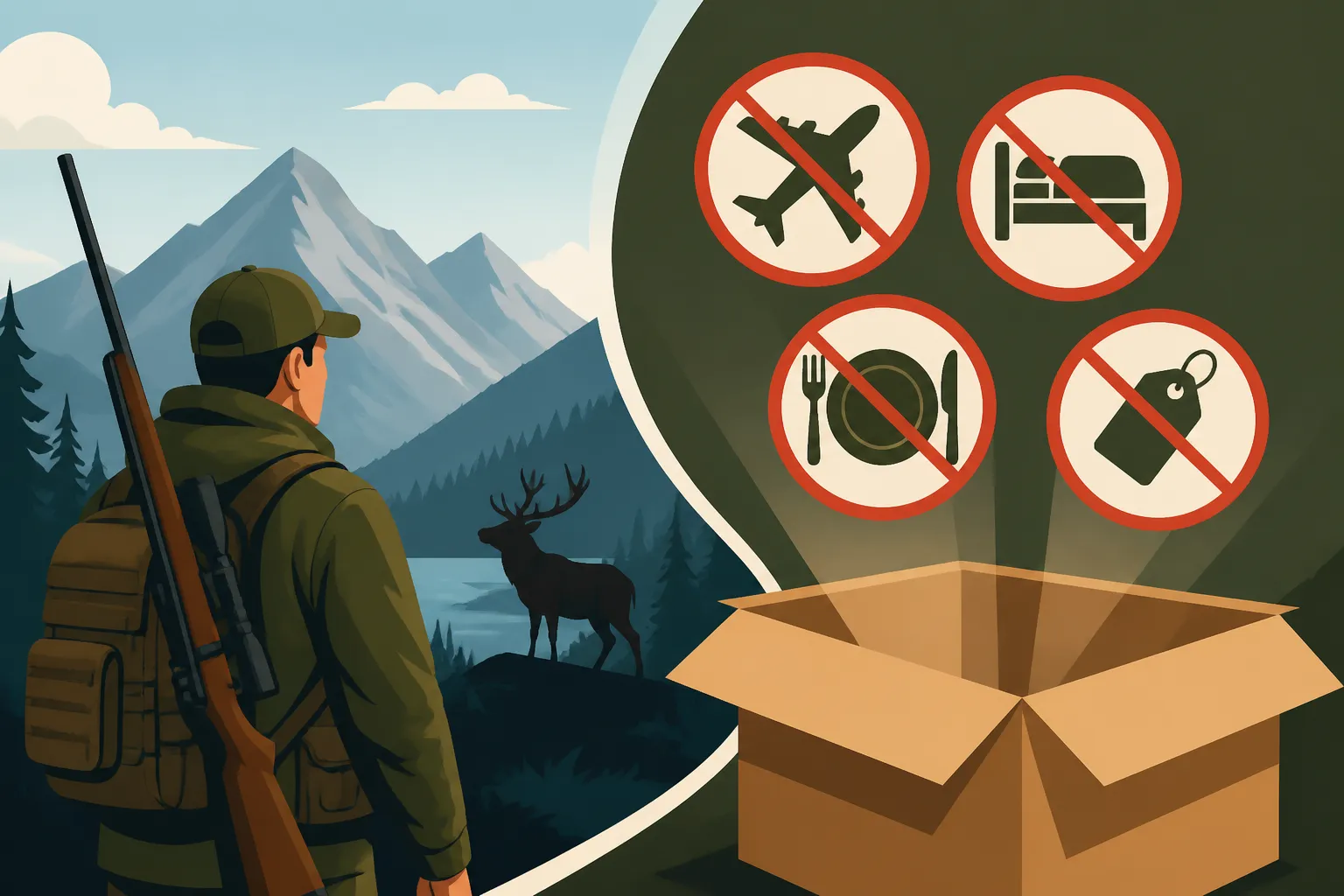
What Is Never Included in a Package
So, you've finally decided to book that dream guided hunt in British Columbia! The anticipation is probably buzzing, and you're imagining majestic mountains, incredible wildlife, and that perfect shot. But then you start looking at outfitters' websites, and you see that enticing "package price," often followed by a list of "what's included." What about the stuff that isn't included? That's where the budget can suddenly swell, and you definitely don't want any surprises when you're deep in the backcountry or settling up at the end of an incredible trip. This guide is all about shedding light on those often-unspoken, or easily overlooked, expenses that are almost universally not part of your standard guided hunting package in British Columbia.
Beyond the Base Price: Expected but Excluded Costs
When you're comparing guided hunt packages, it's easy to focus on the big number – the price tag for the hunt itself. But savvy hunters know that number is rarely the final cost. There are a handful of essential items and services that, while absolutely necessary for your hunt, are almost always separate expenses. Thinking of these ahead of time will save you a headache and ensure your budget is realistic.
Licences, Tags, and Permits
This is perhaps the biggest and most obvious exclusion, but it's surprising how many hunters, especially those new to British Columbia, don't fully factor it into their initial budgeting. Every hunter, resident or non-resident, needs a basic hunting licence. Beyond that, you'll need specific species licences (often called tags) for each animal you intend to harvest, whether it's a British Columbia Deer Species Licence Cost, a moose tag, or a highly sought-after sheep tag.
For non-residents, these costs can be substantial, often significantly higher than what a resident pays. You might also need a Habitat Conservation Trust Foundation surcharge, which goes to a great cause but is another line item. If you're planning a bird hunt, don't forget the federal migratory game bird permit on top of any provincial bird licences. These aren't just fees; they're your legal right to hunt, and your outfitter can't purchase them for you. You'll buy these directly from the provincial government's online system, often well in advance of your trip. Sometimes outfitters will guide you through the process, but the cost itself is yours alone.
Travel to and From the Outfitter's Rendezvous Point
Your guided hunt package typically begins and ends at a predetermined meeting point, which could be anything from a major city airport like Prince George or Vancouver to a small bush plane strip or a remote trailhead. What's never included is the cost of getting yourself, and all your gear, to that starting point.
This can be a significant expense, especially for hunters coming from outside British Columbia or even other parts of the province. Consider your flights, which can add up, particularly if you're bringing firearms (which involve extra airline fees). Then there's ground transportation: you might need to rent a vehicle, pay for shuttles, or even arrange for a charter flight into a remote camp. Often, after a long journey, you might need a night or two in a hotel before or after your hunt, adding to the lodging costs. Fuel, meals on the road, and any unforeseen travel delays are all on your dime. Always clarify the exact rendezvous point with your outfitter early in the planning process so you can accurately price out your travel logistics. Some outfitters list their hunts on platforms like BookYourHunt, where details about travel arrangements are usually quite clear, but the cost remains external.
Taxidermy and Meat Processing
The outfitter's team will undoubtedly assist you with field dressing, quartering, and often getting your meat and trophy safely out of the backcountry. This critical first step in game care is generally part of the package. However, what happens after that initial field care is almost always an extra cost.
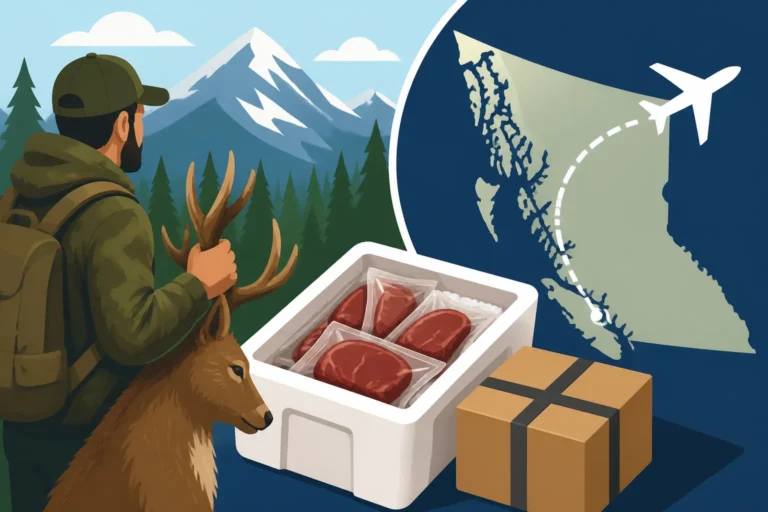
We're talking about the professional processing of your meat – cutting, wrapping, freezing, and boxing it up for transport. If you've harvested a large animal like a moose or elk, this can be a substantial undertaking and a significant expense. Similarly, for your trophy, while your guide will cape and salt it, the actual taxidermy work – whether a shoulder mount, a life-size mount, or a European mount – is a specialized service performed by a taxidermist, not your outfitter. Shipping these finished products home, especially large frozen meat boxes or valuable trophies, also comes with its own set of fees. It’s important to research local processors and taxidermists in the area where your hunt concludes or make arrangements for transport to your preferred professionals at home. Getting Meat Processed in British Columbia and Exporting a Trophy From British Columbia are big topics to research here.
The Finer Print: Unexpected Exclusions and Hidden Fees
While some exclusions are common knowledge, others can slip under the radar, leading to some uncomfortable surprises if you haven't prepared. These are the details where the "finer print" really comes into play.
Gratuities for Guides and Camp Staff
This is a cultural expectation in the guided hunting world, and it's almost never included in the upfront package price. Tipping your guide, cook, wrangler, and any other camp staff is a customary way to show appreciation for their hard work, expertise, and dedication to making your hunt successful and comfortable.
The amount can vary based on the duration of the hunt, the species pursued, the level of service, and your overall satisfaction. It's a discretionary expense, of course, but it's one that a seasoned hunter always budgets for. Not tipping, or tipping minimally, can be seen as a serious breach of etiquette. These folks work incredibly hard, often for long hours in challenging conditions, to provide you with a memorable experience. It's important to understand this unwritten rule and plan accordingly. Many articles, including How Much to Tip a British Columbia Guide, can give you a good starting point for budgeting this important cost.
Gear and Personal Equipment
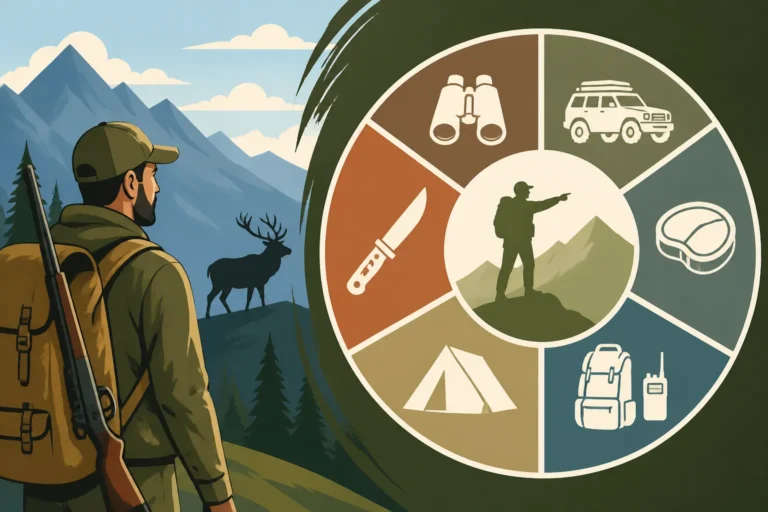
Your outfitter provides the camp, the transportation in the field, and often some communal gear, but they won't provide your personal hunting equipment. This includes your firearm or bow, ammunition, optics (binoculars, spotting scope, rangefinder), specialized hunting clothing (think layers, rain gear for Hunting in British Columbia's Coastal Rain, warm insulated gear for colder interior hunts), sturdy boots suitable for Boots for Steep British Columbia Country, a quality backpack, and any personal hygiene items or medications.
While you likely already own some of these items, a guided hunt, particularly in British Columbia's diverse and often rugged terrain, might require specific upgrades or additions. For instance, a mountain sheep hunt demands lightweight, high-performance gear, while a coastal bear hunt requires excellent waterproof outerwear. Don't forget smaller essentials like headlamps, knives, fire starters, and personal navigation devices. If you're flying, make sure your rifle case meets airline requirements and you understand the rules for Declaring a Firearm at the Canadian Border. Some outfitters might offer rifle rentals, but that's an additional fee, not an inclusion.
Trophy Export and Shipping
Once your trophy is caped and perhaps salted, getting it from British Columbia to your home can be a complex and costly process. The package price rarely, if ever, covers this. This isn't just about boxing it up and sending it via courier; there are often specific regulations and paperwork involved, especially for certain species or if you're crossing international borders.
You might need CITES permits for species like sheep or goats, which are strictly controlled. This paperwork is your responsibility to obtain or arrange for. Then there are brokerage fees if you're crossing an international border, and the actual shipping costs, which can be substantial given the size and weight of a cape and horns. You'll need to work with your taxidermist or a specialized shipping agent to navigate these requirements. It's a good idea to factor in these costs upfront, especially for highly prized trophies. Platforms like GoHunt often provide resources or forums where hunters discuss these logistical challenges and costs, which can be immensely helpful in your planning.
Planning Your Budget: What to Ask Your Outfitter
The best way to avoid any nasty financial surprises is to be proactive and ask direct questions. A reputable outfitter will be transparent about their pricing and what is, and isn't, included.
A Detailed Price Sheet
Don't just rely on the general price quoted on a website. Request a detailed, itemized price sheet or a clear contract from your outfitter. This document should explicitly break down what the package covers. If it's not clear, ask for clarification.
For instance, does the "trophy fee" (if applicable) cover just the animal, or does it include any initial field prep? Are there any hidden fees for certain camp amenities, extra mileage, or specific guide services? A good outfitter will appreciate your thoroughness and be happy to provide all the information you need. Understanding the full financial picture ensures you can relax and enjoy your hunt without worrying about unexpected bills. When you look into British Columbia's Guide Outfitter Licensing Rules, you'll see transparency is part of being a professional operation.
Understanding "All-Inclusive"
The term "all-inclusive" can be a bit misleading in the hunting world. While some high-end packages truly do cover almost everything from the moment you arrive at a major airport, most "all-inclusive" packages still have a list of exclusions. It often means that once you reach the rendezvous point, all operational costs of the hunt – guiding fees, camp, meals, in-field transportation – are covered.
However, the items we've discussed above, like licences, tags, gratuities, personal gear, and post-hunt processing/shipping, are almost universally separate. Always ask for a precise definition of "all-inclusive" from your outfitter. Get it in writing if possible. This clarity will prevent any misinterpretations and ensure you're comparing apples to apples when looking at different packages. A thorough conversation about What a Guide Fee Actually Covers is essential.
Currency Exchange and Taxes
British Columbia is in Canada, so all prices quoted by outfitters are typically in Canadian dollars. If you're coming from the United States or another country, the exchange rate will play a significant role in your final cost. Make sure you understand the current exchange rate and factor that into your budget.
Additionally, don't forget about taxes. In British Columbia, the Goods and Services Tax (GST) is usually applied to services. Confirm with your outfitter whether the quoted price includes or excludes these taxes. Some outfitters might list prices exclusive of tax, which can add a percentage to your final bill. Always clarify the total amount you'll be expected to pay, in Canadian dollars, including all applicable taxes, before you commit. Some outfitters may accept U.S. dollars at an agreed-upon exchange rate, but it's always best to clarify this beforehand.
Here's a quick summary of what's typically included versus what's almost always extra:
| Item/Service | Typically Included (within package) | Almost Always Excluded (extra cost) |
|---|---|---|
| Hunting Services | Guide services, in-field transportation, camp setup, meals in camp | Licences, tags, permits (e.g., British Columbia Resident Hunting Licence Cost, Moose Species Licence Cost) |
| Accommodation & Food | Basic camp lodging (tents, cabins), food & non-alcoholic drinks in camp | Hotel nights before/after hunt, travel meals outside of camp, alcoholic beverages |
| Game Care (Field) | Field dressing, initial quartering, basic cape/trophy prep | Professional meat processing, taxidermy services, freezing, shipping |
| Travel | In-field transportation (e.g., horseback, jet boat, ATV to hunting areas) | Airfare, ground transport to rendezvous point, car rental, fuel |
| Personal Gear | (None specific) | Your rifle/bow, ammo, optics, clothing, boots, backpack, personal items |
| Financial | (Base package price) | Gratuities/Tips, government taxes (GST), currency exchange rate differences |
| Administrative/Other | (None specific) | CITES permits, trophy export fees, travel insurance, emergency extraction insurance |
Knowing what to expect and diligently planning for these extra costs will ensure your British Columbia hunting adventure is everything you hoped for, without any unwelcome surprises when it's time to head home. Enjoy the journey and the incredible hunting opportunities this province offers!
Disclaimer
This article is for general informational purposes only and does not constitute professional advice. Laws, prices and regulations vary by location and change over time. Consult a qualified professional for guidance on your specific situation.