Vancouver Island Guides and Blacktail Hunts
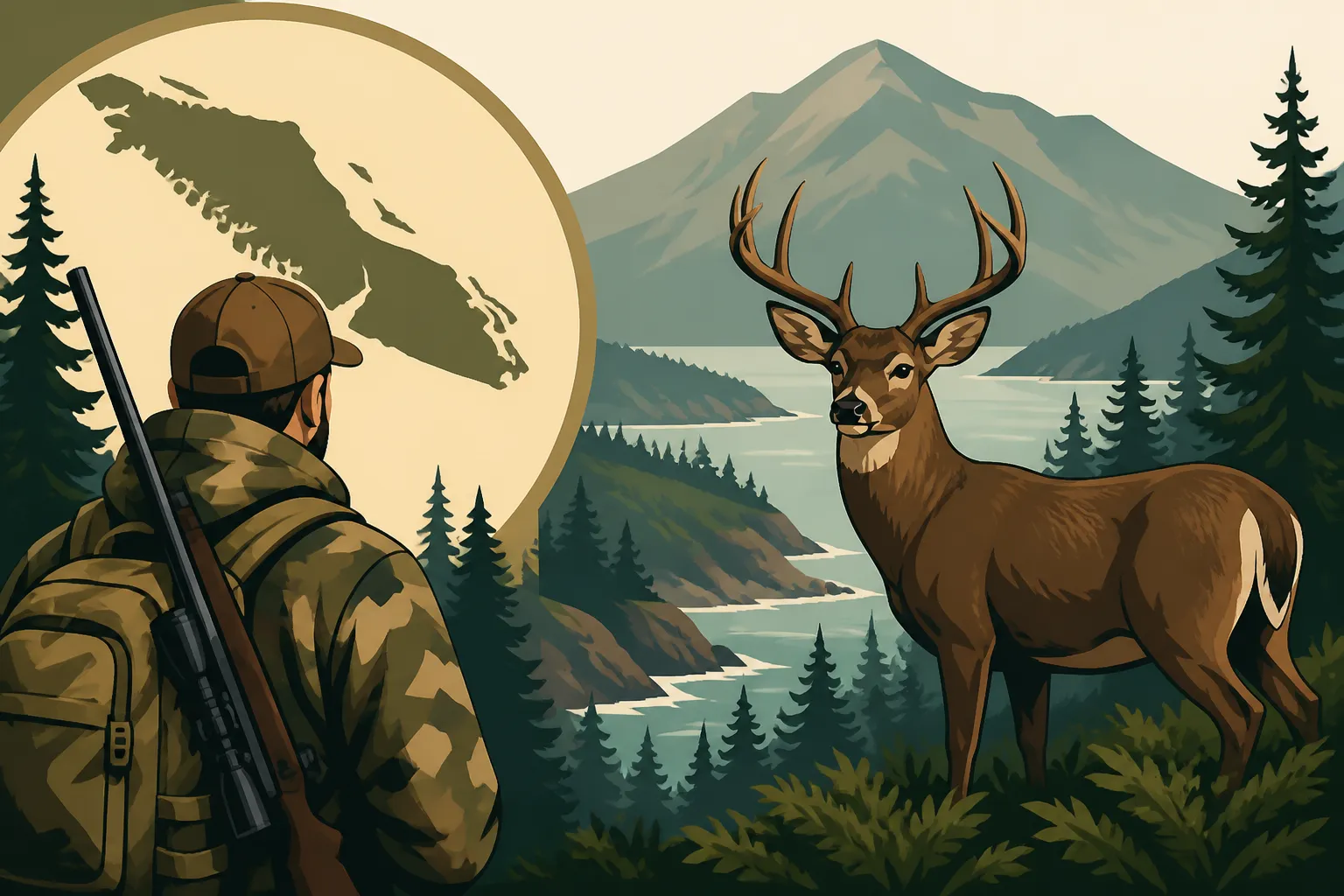
Dreaming of a blacktail buck through the mist-shrouded rainforests of Vancouver Island? It's a truly iconic British Columbia hunting experience, but it’s also one that comes with its own unique set of challenges, from dense old-growth timber to the famously wet coastal weather. Many hunters feel overwhelmed trying to figure out where to even begin, especially when considering hiring a guide to help them navigate this complex terrain and pursue these elusive deer. This comprehensive guide is here to demystify the process, walking you through everything you need to know about finding, vetting, and embarking on a successful Vancouver Island blacktail hunt with a trusted guide.
Why Hunt Vancouver Island Blacktail with a Guide?
Hunting Vancouver Island blacktail isn't like chasing mule deer on an open sagebrush flat in the Interior. This is a special kind of challenge, a chess match played in thick cover and often under a persistent drizzle. While some experienced hunters might tackle it DIY, for many, especially those unfamiliar with the island's unique ecosystem, a guide can be the difference between a frustrating trip and a rewarding one.
The Unique Challenges of Island Hunting
Vancouver Island presents a formidable landscape for hunters. We're talking about incredibly dense coastal rainforest, where visibility can be measured in yards, not hundreds of meters. The terrain is often steep, broken by deep ravines, and blanketed in thick moss and tangled undergrowth. Navigating this environment quietly and efficiently requires specialized skills and an intimate knowledge of the land. Furthermore, access can be tricky, with much of the land being private timber holdings or deactivated logging roads. Without local insight, you can spend days just trying to figure out where to even begin hunting legally and effectively.
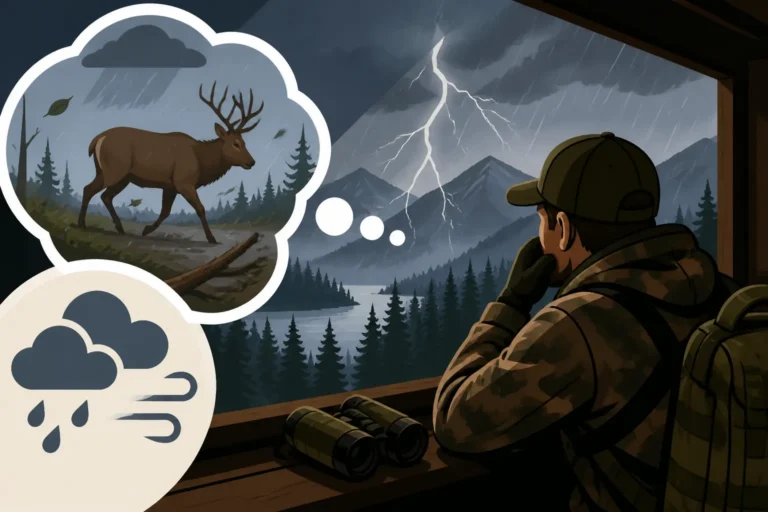
The weather is another significant factor. While beautiful, the coastal climate is notoriously wet and can change rapidly. Persistent rain, fog, and even sudden squalls are common, making tracking difficult and dampening spirits (and gear) if you're not prepared. Understanding how these weather patterns influence blacktail movement is key, and it's knowledge that guides possess through years of observation. They know which draws hold deer in a downpour and where bucks might emerge during a break in the clouds.
Maximizing Your Odds with Local Expertise
A Vancouver Island guide brings an unparalleled level of local expertise to your hunt. They’ve spent countless seasons learning the habits of Black-Tailed Deer Hunting in British Columbia in their specific territories, understanding their seasonal movements, bedding areas, and preferred feeding grounds. They know the subtle nuances of the rut, when bucks are most active, and how to effectively call them in. This isn't just about knowing where to hunt, but how to hunt it.
Their experience allows them to quickly assess conditions and adapt the hunt plan on the fly. Maybe a particular cutblock isn't producing, but they know of another bench that always holds deer in similar weather. Perhaps the prevailing wind makes one approach impossible, but they have an alternative route that utilizes the topography to your advantage. This kind of nuanced understanding comes only from years on the ground, knowledge that no map or online scouting tool can truly replicate. They also have a deep understanding of the British Columbia's Vancouver Island Blacktail Herd and how population dynamics might affect hunt strategy.
Safety and Logistics in Remote Terrain
Beyond simply finding deer, a guide significantly enhances your safety and handles much of the logistical headache. Vancouver Island's backcountry can be remote and unforgiving. Getting lost, injured, or having vehicle trouble in an area with no cell service is a serious concern. Guides are equipped for these scenarios, carrying satellite communication devices, first-aid supplies, and often having extensive training in backcountry emergencies. Their vehicles are typically well-maintained and suited for rough logging roads, often equipped with winches and other recovery gear.
Furthermore, a guide takes care of the day-to-day logistics that can eat up precious hunting time. This includes navigating complex road systems, knowing which British Columbia Forest Service Road Access are open or deactivated, setting up comfortable camp, cooking meals, and packing out game. This frees you up to focus on the hunt itself, allowing you to conserve energy for the physical demands of stalking and retrieving your animal. For non-residents, a guide also navigates the specific requirements of hunting in British Columbia, ensuring all regulations are met.
Understanding Vancouver Island Blacktail Habitat and Behaviour
To truly appreciate the value of a guide on Vancouver Island, it helps to understand the challenging environment these blacktail call home. It's a world away from many other big game habitats, demanding different strategies and an intimate knowledge of the terrain.
The Dense Coastal Rainforest Environment
The primary habitat for Vancouver Island blacktail is the temperate coastal rainforest. This isn't just woods; it's an ecosystem defined by immense trees – often Douglas fir, Western hemlock, and Western redcedar – forming a dense canopy that limits light penetration. The forest floor is a tangled mess of salal, huckleberry, ferns, and devil's club, making for incredibly noisy and challenging travel. Visibility is often severely restricted, sometimes to only a few yards, which makes traditional spot-and-stalk tactics difficult. Instead, still-hunting and careful, slow movement are often the keys to success.
This dense cover provides blacktail with excellent refuge from predators and hunters, making them incredibly elusive. They are masters of blending into their surroundings, often standing motionless, relying on their camouflage to avoid detection. A guide, through years of experience, develops an "eye" for seeing deer in this cover, noticing subtle flickers of an ear or the distinct outline of an animal amidst the foliage that an untrained eye would easily miss. They know how to interpret subtle sign in Reading Blacktail Sign in Wet Ground, which is crucial in such a lush environment.
Blacktail Movement in Second Growth and Old Growth
Blacktail deer on Vancouver Island are particularly adept at utilizing the mosaic of habitat created by logging activity. While old-growth forests provide cover and some forage, it's often the "second growth" – areas that have been logged decades ago and are now regenerating – that offer prime habitat. These areas often have a mix of denser cover and browse plants, creating ideal conditions. Knowing how Hunting Vancouver Island Blacktail in Second Growth works is crucial. They are also incredibly agile, navigating the blowdowns and thickets with ease.
Deer will move between these habitat types, often seeking refuge in dense timber during the day and moving to edges or younger growth to feed, especially at dawn and dusk. A guide understands these patterns within their specific territory, knowing which clearcuts have regrown to the perfect height for browse, or which older timber blocks offer thermal cover and security. They can read the landscape to predict deer movement, knowing how deer will skirt a Hunting a British Columbia Island Clearcut Edge or utilize a particular drainage to travel undetected. This local knowledge is invaluable in predicting where a buck might be found at any given time.
Rut Timing and Seasonal Opportunities
Understanding the blacktail rut is critical for timing a successful hunt, and it can vary slightly depending on elevation and specific location on the island. Generally, the When the Blacktail Rut Peaks on Vancouver Island tends to occur in late October and early to mid-November. During this period, bucks become much more active, less cautious, and more focused on breeding, making them more vulnerable to hunters. This is often the prime time to target a trophy buck.
Guides will often have specific insights into the peak of the rut for their hunting areas. They've observed the signs year after year – scrapes, rubs, and increased buck activity – and can advise on the best windows for your hunt. Beyond the rut, early season archery hunts can be productive when deer are still in their summer patterns, often in higher elevations or specific feeding areas. Late season hunts, especially with snow on the ground, can also be fantastic as deer are pushed to lower elevations and their tracks become easier to follow. Your guide can help you choose the best time to maximize your chances, depending on your preferred hunting style and target animal.
Finding and Vetting a Reputable Vancouver Island Guide
So, you've decided a guide is the way to go for your Vancouver Island blacktail hunt. Now comes the crucial step: finding the right one. This isn't a decision to rush; a good guide can make your trip, and a poor one can break it. You need to do your homework.
Where to Start Your Search
Begin your search by looking for guides specifically licensed to operate on Vancouver Island. British Columbia's guide outfitter territories are defined, and a guide can only operate within their assigned area. This ensures they have a deep, intimate knowledge of their specific hunting grounds. Websites like BookYourHunt and GoHunt can be excellent starting points, offering directories and sometimes initial reviews of outfitters. These platforms allow you to filter by species and region, helping you narrow down options to those specializing in blacktail on Vancouver Island.
Beyond these directories, look for outfitters with strong online presences, including their own websites and social media. Pay attention to the types of hunts they showcase – do they frequently feature blacktail? Do their photos and videos reflect the kind of hunting experience you're seeking (e.g., tough backcountry hunts versus more accessible road hunting)? Rod and gun club forums, hunting discussion boards, and reputable hunting publications might also offer recommendations or insights from past clients. Don't be afraid to cast a wide net initially, collecting several potential guides to consider.
Key Questions to Ask Potential Outfitters
Once you have a shortlist, it's time to start contacting guides and asking the tough questions. Treat this like an interview; you're entrusting them with your time, money, and hunting dreams. Here’s a table of essential questions:
| Category | Question | Why It's Important |
|---|---|---|
| Experience | How many years have you guided blacktail on Vancouver Island? | Demonstrates depth of local knowledge and consistent operation. |
| What is your typical hunting style for blacktail in this territory? | Ensures their approach aligns with your expectations (e.g., spot-and-stalk, still-hunting, calling). | |
| Logistics | What is included in the hunt package? (e.g., food, lodging, transportation) | Clarifies what you're paying for and helps you budget for additional expenses. |
| What does a typical day on your hunt look like? | Gives you a realistic expectation of the daily routine, physical demands, and hunting hours. | |
| Success Rates | What are your typical success and harvest rates for blacktail? | Provides an indication of the likelihood of success, but remember "success" can mean different things. |
| How do you define "success" on a blacktail hunt? | Important to align expectations – is it solely about killing a buck, or about the overall experience? | |
| References | Can you provide references from past blacktail clients? | Crucial for independent verification of their reputation and service. |
| Safety | What are your safety protocols, especially for bear encounters or injuries? | Essential for your peace of mind and understanding how emergencies are handled in Bear Safety While Hunting in British Columbia. |
| Licenses | Are you and your assistant guides fully licensed and insured in BC? | Verifies legal operation and protects you in case of unforeseen incidents. |
Beyond these, ask about specific dates they have available, group sizes, and how they handle adverse weather. Always remember to ask about any additional fees not included in the base price, such as taxes, trophy fees, meat processing, or shipping. Questions to Ask Before Booking is an excellent resource for a more extensive list.
Understanding Guide Certifications and Insurance
In British Columbia, guide outfitters and their assistant guides must be licensed by the provincial government. This licensing ensures they meet certain professional standards and have the necessary permits to operate within their assigned territories. Always verify that your prospective guide holds a valid Guide Outfitter Licence. You can often check this through the Guide Outfitters Association of British Columbia (GOABC) or by asking the outfitter directly for their license number.
It's also critical to inquire about their insurance coverage. A reputable guide outfitter will carry liability insurance to protect both themselves and their clients in the event of an accident or injury. While no one expects an incident, hunting in remote, rugged terrain inherently carries risks. Knowing your guide is adequately insured provides an important layer of protection. Don't hesitate to ask for proof of their insurance. This due diligence isn't about distrust; it's about making an informed decision for your safety and investment. The British Columbia Guide Outfitter Licensing Rules outlines these requirements.
What to Expect from a Guided Vancouver Island Blacktail Hunt
Committing to a guided hunt is a significant investment, both financially and in terms of your time and effort. Knowing what to expect beforehand can help you arrive prepared, manage your expectations, and ultimately enjoy the experience more fully.
Typical Hunt Durations and Styles
Most guided blacktail hunts on Vancouver Island range from five to seven hunting days, excluding travel days. This duration allows enough time to scout, adjust to conditions, and pursue a quality animal without feeling rushed. Shorter hunts might be available, but they often come with lower success odds simply due to less time in the field. Longer hunts, while offering more opportunity, naturally come with a higher price tag.
The hunting style will largely depend on the specific guide's territory, their preferences, and the time of year. Common methods include:
- Still-hunting: Moving very slowly and deliberately through the dense timber and second growth, stopping frequently to glass and listen. This is particularly effective in Hunting British Columbia's Coastal Rain conditions when deer movement might be subtle.
- Spot-and-stalk: While challenging in thick cover, this can be done from vantage points overlooking clearcuts, old roadbeds, or avalanche chutes, followed by a careful stalk.
- Calling: Utilizing fawn bleats, grunts, or rattling during the rut to draw a curious buck closer.
- Stand hunting: Less common for blacktail, but sometimes used near known travel corridors or feeding areas.
Your guide will tailor the approach to the conditions and their knowledge of the area, potentially using a combination of these methods throughout the hunt. Be prepared for early mornings and full days in the field, often covering challenging terrain.
Accommodation and Camp Life
The type of accommodation will vary greatly between outfitters. Some Vancouver Island guides operate out of comfortable lodges or cabins that offer hot showers, cooked meals, and beds – a welcome luxury after a long day in the wet woods. Others might utilize wall tents or even spike camps set up deeper in the backcountry, offering a more rustic experience closer to the hunting action. Still others might use RVs or campers, especially if they are moving between different hunting zones.
Regardless of the setup, expect your guide to handle most of the camp duties, from cooking to keeping things organized. Food is typically hearty and filling, designed to fuel active hunters. Be sure to discuss any dietary restrictions or preferences with your guide well in advance. Camp life is generally a collaborative experience; while the guide takes the lead, offering a hand with tasks when appropriate is always appreciated. It's a chance to bond, share stories, and learn from their experience.
The Shape of Costs and What's Included
The cost of a guided Vancouver Island blacktail hunt can vary significantly, usually depending on the duration of the hunt, the level of accommodation, the remoteness of the territory, and the outfitter's reputation. While specific figures can't be given, generally expect guided hunts to represent a substantial investment. This cost typically covers the guide's fee, use of their expertise and equipment, meals, and accommodations during the hunt.
What is not usually included in the base price are your personal hunting license and species tags, which you'll need to purchase separately from the provincial government. Travel costs to and from Vancouver Island, trophy fees (if applicable for larger bucks), meat processing, taxidermy, and shipping of your trophy or meat are also almost always extra. Gratuities for your guide and any camp staff are customary and should be factored into your overall budget. Always get a detailed breakdown of all costs and what's included (and excluded) in writing before booking. It ensures clarity and avoids any unpleasant surprises down the road. You can look into the British Columbia Resident Hunting Licence Cost and British Columbia Deer Species Licence Cost to understand your personal expenses.
Preparing for Your Vancouver Island Blacktail Adventure
Once you've booked your hunt, the preparation begins. This isn't just about packing a bag; it's about getting yourself physically and mentally ready for a challenging and rewarding experience. Proper preparation can significantly impact your enjoyment and success.
Physical Fitness and Mental Toughness
Vancouver Island blacktail hunting, especially with a guide, can be physically demanding. You'll likely be walking long distances over uneven, steep, and often slippery terrain, sometimes through thick brush. Even if you're not climbing mountains, simply navigating the dense undergrowth and downed timber is a workout. Therefore, a good level of physical fitness is paramount. Start a consistent exercise regimen well in advance of your hunt, focusing on cardiovascular endurance, leg strength, and core stability. Hiking with a loaded pack, even just around your local trails, can mimic the demands of the hunt and get your body ready for Packing Out of British Columbia's Steep Country if you're successful.
Equally important is mental toughness. The coastal weather can be relentless, and days can be long without seeing a deer. Patience, perseverance, and a positive attitude are crucial. Be prepared for discomfort – wet clothing, cold hands, tired muscles. A guide can lead you to the deer, but it's your mental fortitude that will keep you going when the going gets tough. Discuss the expected physical demands with your guide during your initial conversations so you know what to train for.
Essential Gear for Wet and Rugged Conditions
Your gear choices are critical for comfort and safety on Vancouver Island. The key is to stay dry and warm, even in persistent rain. Focus on a layered clothing system made of synthetic or wool materials that retain warmth when wet and wick moisture away from your body. Avoid cotton at all costs. A high-quality waterproof and breathable outer shell (jacket and pants) is non-negotiable for What to Wear for British Columbia's Coastal Rain. Bring multiple changes of base layers and socks.
Footwear is another crucial consideration. You need sturdy, waterproof hiking boots with excellent ankle support and aggressive tread for the slippery, uneven ground. Gaiters are also highly recommended to keep debris and moisture out of your boots. Other essentials include a good quality backpack, binoculars, a rangefinder, a sharp knife, headlamp, and a small survival kit. Discuss specific gear recommendations with your guide; they know their territory best and can offer tailored advice. For more specific advice on footwear, check out Boots for Steep British Columbia Country.
Navigating Travel and Firearms Regulations
If you're traveling to Vancouver Island from outside British Columbia, or especially from outside Canada, understanding the travel and firearms regulations is paramount. For Canadian residents, ensure your Possession and Acquisition Licence (PAL) is current. For non-residents, particularly from the United States, you'll need to declare your firearms at the Canadian border. This involves completing a Non-Resident Firearm Declaration Form, which essentially acts as a temporary firearms licence for your hunting rifles or shotguns. It's crucial to have this form filled out correctly and to understand the rules around restricted and prohibited firearms in Canada. Leave handguns at home; they are generally prohibited for hunting purposes in Canada.
Ensure your hunting licence and species tags are purchased and in hand before your hunt begins. Non-residents may have specific requirements, such as needing to hunt with a guide or a resident on a What a Permit to Accompany Allows. Your guide will be a valuable resource for navigating these regulations, but it's ultimately your responsibility to ensure you are compliant. Start this paperwork process well in advance to avoid any last-minute complications that could jeopardize your hunt. British Columbia Legal Firearms and Bows provides more detail on legal hunting equipment.
Disclaimer
This article is for general informational purposes only and does not constitute professional advice. Laws, prices and regulations vary by location and change over time. Consult a qualified professional for guidance on your specific situation.