British Columbia Hunt Trip Planning Timeline
Planning a British Columbia hunting trip can feel like trying to solve a complicated puzzle, especially for those venturing here for the first time. The vastness of the province, coupled with specific licensing requirements, draw deadlines, and the sheer logistics of getting to remote hunting grounds, can leave even seasoned hunters feeling overwhelmed. You want to make the most of your adventure, but sometimes just figuring out where to start is the biggest hurdle. This comprehensive guide will walk you through a realistic planning timeline, breaking down the essential steps to ensure your British Columbia hunt is as smooth and successful as possible.
The Early Bird Gets the Tag: 12-24 Months Out
When it comes to hunting British Columbia, especially for sought-after species or specific draw tags, thinking ahead isn't just a good idea—it's absolutely essential. Many of the truly iconic hunts here, like a sheep or goat adventure, have lead times that can span years. Even for more common species, laying the groundwork early provides peace of mind and significantly increases your chances of success.
Dream Big, Then Get Realistic: Species and Regions
This is the fun part: dreaming about what you want to hunt. Are you envisioning a mountain goat hunt high in the Coast Range, a moose hunt in the vast northern wilderness, or perhaps chasing a monster mule deer in the Interior? British Columbia offers an incredible diversity of species and terrains, from the dense rainforests of the coast to the expansive grasslands and towering peaks of the interior. The sheer scale of options can be a little overwhelming, but it’s crucial to start narrowing down your focus. Different species have different seasons, different habitat requirements, and vastly different logistical challenges.
Once you have a few target species in mind, begin to research the regions they inhabit. The province is divided into nine administrative regions, each with its own unique characteristics and opportunities. For example, if you're set on a mountain caribou, you'll be looking far north, while blacktail deer are predominantly a coastal pursuit. Early research here will prevent you from chasing a phantom. You’ll want to get a general feel for the seasons, the typical weather, and the general open season rules for your chosen quarry. Don't fall into the trap of trying to do too much on one trip; sometimes focusing on one or two key species in a specific region yields a much more satisfying experience.
Understanding Licensing and Entry Requirements
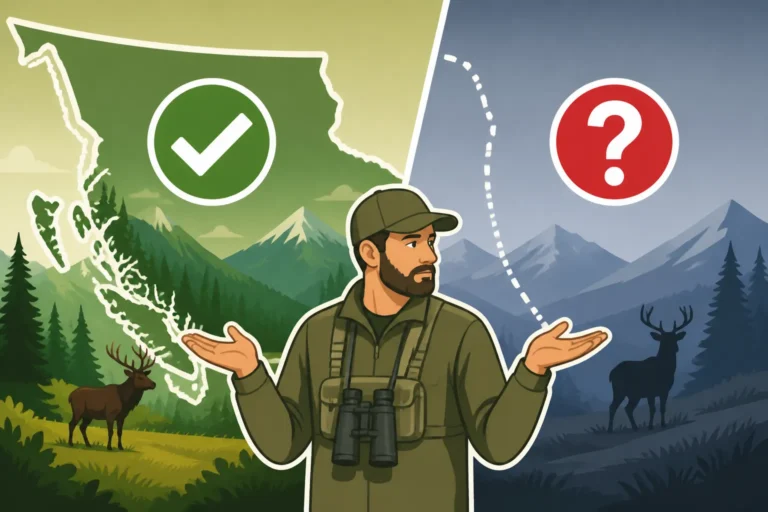
Before you can even think about pulling a trigger or releasing an arrow, you need to understand the fundamental legal requirements for hunting in British Columbia. For residents, this means obtaining your British Columbia's CORE Exam and FWID and purchasing your basic hunting licence. For non-residents, the landscape is a bit different, and frankly, it's often a source of confusion and frustration. If you're a non-resident, you generally must hunt with a licensed guide outfitter, or, if you're fortunate enough to have a close resident friend or family member, you might qualify for a Permit to Accompany Explained. This isn't just a suggestion; it's the law, and there are severe penalties for non-compliance.
During this early planning phase, take the time to read through British Columbia's Two-Year Regulations Synopsis. Yes, it's dense, but it's your bible for understanding legal firearms, bag limits, season dates, and compulsory reporting rules. Familiarize yourself with the overall structure of British Columbia's hunting system, including how the management units (MUs) work and the differences between general open seasons and Limited Entry Hunting (LEH) draws. Understanding these foundational rules early will save you a world of headaches down the line.
Researching Outfitters and Draw Systems
If you're a non-resident, or even a resident looking for a specialized or challenging hunt, this is the time to start researching reputable British Columbia outfitters. The best outfitters, especially those offering prime sheep, goat, or moose hunts, often book up years in advance. Don't expect to call in May for a September sheep hunt and find availability! Websites like BookYourHunt can be a great starting point for finding outfitters and seeing what kinds of packages they offer. Look for outfitters with a long-standing reputation, consistent success rates (and be realistic about what 'success' means), and transparent communication.
For specific species or prime hunting areas, British Columbia utilizes a Limited Entry Hunting (LEH) system. This is a lottery system where hunters apply for a chance to draw a tag in a specific management unit for a specific species. Understanding How British Columbia's LEH System Works and getting a handle on Reading LEH Odds Before You Apply is critical if you plan to go this route. These applications typically have an annual deadline, so knowing when that is and preparing your application well in advance is key. Missing the deadline means missing the opportunity for that year, and that's a tough pill to swallow after all that planning.
Laying the Groundwork: 6-12 Months Out
With your species and region goals somewhat solidified, and an initial understanding of the regulatory landscape, the 6-12 month mark is when you start to make concrete commitments. This phase is less about dreaming and more about doing. You're moving from abstract ideas to firm plans that will shape the reality of your hunt.
Booking Your Guided Hunt or Securing a Host
If you're going with an outfitter, this is likely when you'll sign contracts and put down significant deposits. Review the contract carefully. Understand what's included (guide, food, lodging, transportation from a specific point) and, just as importantly, what's not included (licences, tags, taxes, gratuities, meat processing, trophy shipping). Make sure you're clear on their cancellation policies and what happens in unforeseen circumstances like wildfires or early snow. Good outfitters will be transparent and happy to answer all your questions, but it's up to you to ask them.
For those planning to hunt under a Permit to Accompany, solidify that arrangement with your resident host. This isn't a casual agreement; your host is legally responsible for you in the field. Discuss expectations, responsibilities, and logistics in detail. Ensure they understand What a Permit to Accompany Allows and how many non-residents they can accompany. It’s a serious undertaking for both parties, and clear communication is paramount to avoid any misunderstandings or legal issues later on.
Physical Preparation and Skill Development
Let's be honest, hunting in British Columbia isn't always a stroll in the park. Whether you're navigating steep mountain terrain for sheep, slogging through dense coastal timber for blacktail, or packing out a moose from a remote cutblock, physical fitness makes a huge difference. Six to twelve months out is the ideal time to start a dedicated fitness regimen. Focus on cardiovascular endurance, strength training, and, critically, leg strength. You’ll be covering miles with weight on your back, potentially at altitude.
Don't neglect your shooting skills either. This is the time to get comfortable with your chosen weapon. Practice shooting from various positions—prone, kneeling, sitting, off a pack—and at different distances. Simulating hunting scenarios, perhaps by hiking with your rifle and then quickly setting up a shot, will build confidence. The last thing you want is to be winded and then have to make a crucial shot on an animal of a lifetime. Many outfitters will even expect a certain level of shooting proficiency, so taking this seriously will not only increase your chances but also show respect for the animal and your guide's efforts.
Gear Assessment and Acquisition
Now is the time to start seriously evaluating your gear. You don't need to buy everything at once, but begin making a comprehensive list and identifying gaps. Quality optics (binoculars, spotting scope, rangefinder) are invaluable. Layered clothing systems suitable for diverse weather conditions are a must; British Columbia weather can change on a dime, especially in the mountains. Invest in good quality, broken-in hiking boots—your feet will thank you!
Consider things like a dependable backpack (perhaps a frame pack if you anticipate heavy hauling), navigation tools (GPS, reliable mapping apps like GoHunt, compass), shelter, and sleeping systems. If you're bringing your own rifle or bow, ensure it's in top working order and you have enough appropriate ammunition. Remember that the initial investment in good gear pays dividends in comfort, safety, and success in the field.
The Nitty-Gritty Details: 3-6 Months Out
As the calendar pages turn, your focus shifts to the administrative essentials that can make or break your hunt. This is where deadlines start to loom large, and proactive planning is your best friend. Don't let these crucial steps slip through the cracks!
Applying for Licences and Tags (LEH if applicable)
This is a critical window for securing your legal permissions. If you're hoping for a Limited Entry Hunting draw, make absolutely sure you know British Columbia's LEH Application Deadline. These dates are firm, and there's no wiggle room once they pass. For general open seasons, you'll need to purchase your basic hunting licence and then specific species licences (tags) for each animal you intend to harvest.
Remember that a Habitat Conservation Surcharge is also part of the package, contributing to vital wildlife conservation efforts in the province. Buying your licences and tags well in advance gives you time to troubleshoot any online issues and ensures you're fully compliant before you even step foot in the woods. Nothing is more deflating than showing up to hunt only to realize you missed a crucial deadline for your tags.
Travel Logistics and Border Crossing Prep
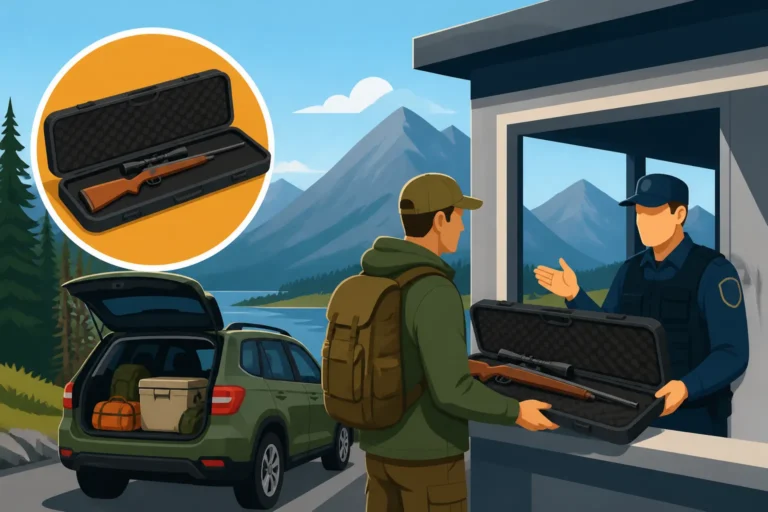
If you're flying in, now is the time to book those flights. Consider whether you'll need a vehicle rental once you arrive, especially if you're not going directly to a guide's pick-up point. For non-residents bringing firearms into Canada, this is a particularly important step. You must declare your firearms at the Canadian border. Familiarize yourself with Declaring a Firearm at the Canadian Border and ensure you have the necessary documentation, like the non-resident firearm declaration form (RCMP 5589), completed in triplicate.
It's also wise to check your passport's expiration date. Ensure it's valid for at least six months beyond your planned return date. If you're planning to take your trophy or meat home, start researching the import/export rules for your home country. Some species or parts might require specific permits or documentation, so getting ahead on this now will save a lot of headaches post-hunt.
Communication with Your Guide or Hunt Partners
Maintain regular communication with your guide outfitter or hunting partners. Confirm all travel details: where you'll be picked up, when, and what to bring. Many outfitters provide detailed gear lists, and it's wise to stick to theirs, as they know the specific conditions of their hunting area best. This is also the time to relay any critical personal information, such as dietary restrictions, allergies, or medical conditions, so they can plan accordingly.
Establishing clear communication channels and setting expectations is key. Ask about camp arrangements, typical daily routines, and any specific safety protocols. The more information you share and confirm now, the fewer surprises there will be when you arrive, allowing everyone to focus on the hunt itself.
Final Countdown: 1-3 Months Out
With your hunt now truly on the horizon, this period is all about fine-tuning. It's time to test, confirm, and prepare for the inevitable unknowns that a British Columbia wilderness adventure can throw your way.
Gear Check and Packing Strategy
Don't just assume your gear is ready to go. Lay everything out. Test your tent, check your headlamp batteries, confirm your water filter is working. Critically, break in those new boots if you haven't already; blisters are a hunt killer. Practice packing your backpack with your full load, ensuring everything fits, is accessible, and the weight is distributed properly. If you're facing weight limits for a bush plane or horseback pack-in, this is where you make the tough decisions about what stays and what goes.
Consider the specific conditions you might face. Hunting in British Columbia's Coastal Rain demands truly waterproof gear, while Hunting British Columbia's Alpine in September means preparing for potentially freezing temperatures, snow, and intense sun all in one day. Think about backups: an extra knife, fire starter, first aid supplies, and emergency signalling devices. This meticulous check ensures you're prepared for anything the British Columbia wilderness might throw your way.
Physical and Mental Peak
Your physical training should be peaking now. Maintain your fitness, but don't overdo it and risk injury right before your trip. Focus on recovery and staying healthy. Just as important is your mental preparation. Visualize successful scenarios, but also visualize challenges and how you'll overcome them. Being mentally tough, patient, and adaptable is just as crucial as being physically fit, especially on demanding mountain hunts or when facing a string of bad weather days.
Managing expectations is also part of this mental game. Not every hunt ends with a trophy animal, and that's okay. Focus on the experience, the camaraderie, the challenge, and the beauty of the backcountry. A positive mindset can make all the difference when things get tough, which they invariably will on a challenging British Columbia hunt.
Contingency Planning
What happens if something goes wrong? This is where contingency planning comes in. What's your backup plan if a flight is delayed or cancelled? Do you have travel insurance, and does it cover trip interruptions or medical emergencies in a remote setting? Consider things like Emergency Planning in British Columbia's Backcountry, including satellite communication devices like an inReach or Spot tracker, especially if you're venturing into areas without cell service.
Share your itinerary and emergency contact information with someone reliable back home. Discuss potential rendezvous points or emergency extraction procedures with your guide or hunting partners. Understanding the limitations of remote areas and having a plan for unexpected situations—from a twisted ankle to a lost piece of critical gear—will give you immense peace of mind. This is where British Columbia Hunt Cancellation Insurance can also be a valuable investment, protecting your financial outlay against unforeseen circumstances.
The Week Of: Last Minute Checks
You’re almost there! The final week before your British Columbia hunt is all about tying up loose ends, ensuring everything is in its place, and shifting your focus entirely to the adventure ahead. This isn't the time for major changes, but for meticulous confirmation.
Confirmations and Documents
Take the time to reconfirm every single booking: flights, accommodations, vehicle rentals, and your guide’s pick-up schedule. Print out all your essential documents: your hunting licence, species tags, FWID, passport, and that critical The Non-Resident Firearm Declaration form. Make multiple copies and keep them in different places (e.g., one on your person, one in your main bag, one securely with a trusted travel companion). Having everything organized and easily accessible will reduce stress, especially when navigating airports or border crossings.
Beyond your hunting documents, ensure you have copies of your emergency contacts, medical information, and any insurance details. In the rush and excitement of travel, it’s easy to misplace a small card or a piece of paper, so redundancy is your friend. A quick call or email to your guide outfitter a few days prior also doesn’t hurt, just to confirm everything is still on schedule.
Final Pack and Prep
This is it—the actual packing of your bags. Resist the urge to add "just one more thing." Stick to your well-thought-out gear list. Double-check your clothing layers for the expected weather, and pack any last-minute essentials like toiletries, medications, and snacks for the journey. Ensure all electronics are fully charged, and pack chargers and spare batteries.
For your rifle or bow, a final check of the zero is always a good idea if possible. If you’re flying, ensure your firearm is properly cased and unloaded, ready for airline regulations. If driving, secure it safely. A final inventory of your first-aid kit is also a wise move, topping up anything you might have used or is expired. This final pack is about precision and making sure nothing is forgotten that could impact your safety or comfort.
Mindset and Readiness
The adrenaline will likely be flowing, but try to channel it positively. Get good rest in the days leading up to your departure. Embrace the spirit of adventure and be ready to adapt to whatever challenges British Columbia throws your way. Weather can change rapidly, game can be elusive, and plans might need to pivot. A flexible and resilient mindset is just as important as any piece of gear.
Focus on the experience, the wild places you'll see, and the memories you'll create, regardless of the outcome. Hunting is about more than just harvesting an animal; it's about connecting with nature, pushing your limits, and building relationships. Arrive in British Columbia with an open mind, a sense of wonder, and a readiness for adventure.
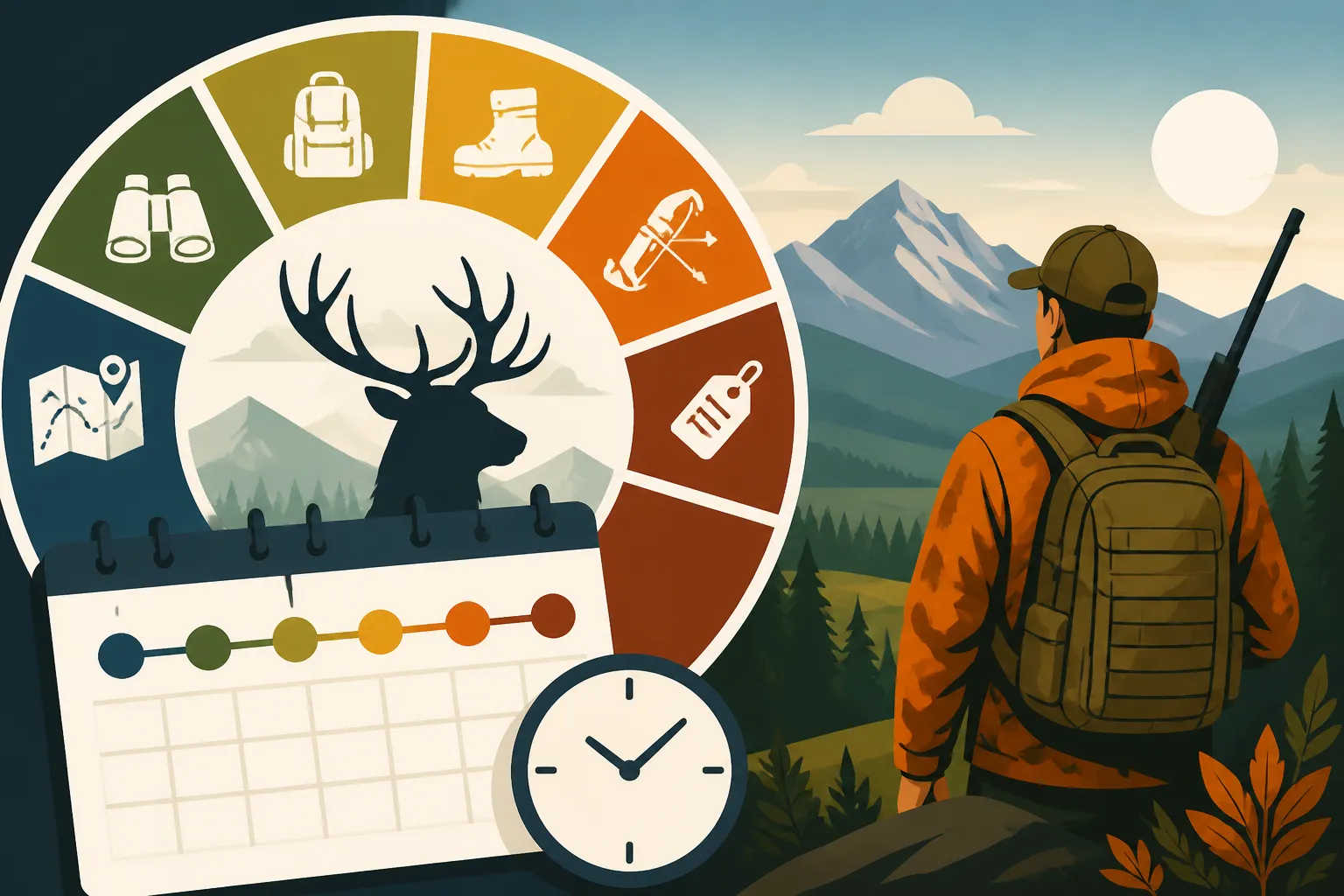
Here’s a quick overview of key planning milestones:
| Timeframe Out | Key Activities | Important Considerations |
|---|---|---|
| 12-24 Months | Define species/region goals | Non-resident guide requirement or Permit to Accompany |
| Research outfitters & LEH system | LEH odds, long booking lead times for premium hunts | |
| Study British Columbia hunting regulations | Familiarize with FWID, CORE, MU system | |
| 6-12 Months | Book guided hunt / confirm resident host | Contracts, deposits, legal responsibilities of host |
| Initiate physical fitness program | Focus on endurance, strength, specific hunt demands (e.g., mountains) | |
| Inventory & begin acquiring essential gear | Quality optics, layered clothing, broken-in boots, primary weapon | |
| 3-6 Months | Apply for licences & species tags (LEH) | Crucial deadlines for LEH applications; ensure basic licence and tags are secured |
| Arrange travel (flights, rentals, border forms) | Passport validity, firearm declaration forms (RCMP 5589), import/export regulations for trophies | |
| Communicate specific needs with guide/partners | Dietary, medical, specific gear requests from outfitter | |
| 1-3 Months | Final gear check & packing strategy | Test all equipment, break in boots, consider weight limits for remote access |
| Peak physical & mental conditioning | Maintain fitness, visualize challenges, practice shooting, manage expectations | |
| Develop contingency plans | Travel insurance, emergency communication (satellite devices), itinerary sharing | |
| Week Of Hunt | Reconfirm all bookings & documents | Flights, accommodations, guide rendezvous, multiple copies of all permits & IDs |
| Final pack & equipment verification | Loaded firearms secured, charged electronics, last-minute necessities | |
| Adopt flexible, positive mindset | Be ready for variable weather, unexpected situations, focus on the overall experience |
Disclaimer
This article is for general informational purposes only and does not constitute professional advice. Laws, prices and regulations vary by location and change over time. Consult a qualified professional for guidance on your specific situation.