British Columbia Outfitters on the Coast
Hunting British Columbia's expansive and often unforgiving coast is a dream for many, but the sheer scale, dense forests, unpredictable weather, and complex access can turn that dream into a logistical nightmare. This guide is here to shed light on how British Columbia outfitters operating in these challenging coastal environments can transform your aspirations into a successful, safe, and truly unforgettable hunting adventure.
Understanding British Columbia's Coastal Hunting Landscape
The British Columbia coast isn't just a strip of land; it's a vast, intricate tapestry of islands, fjords, dense rainforests, and rugged mountains that plunge directly into the Pacific Ocean. This unique geography creates a hunting experience unlike almost anywhere else, presenting both incredible opportunities and significant hurdles.
The Unique Challenges and Rewards of Coastal Hunting
Imagine endless miles of shoreline, steep mountains rising abruptly from saltwater, and rainforests so thick that visibility can be measured in feet rather than yards. This is the reality of coastal British Columbia. The weather is notoriously fickle, often shifting from bright sunshine to torrential rain and back again within hours. This dampness permeates everything, from your gear to your spirits, and requires constant vigilance against hypothermia and rust. Terrain can be steep, rocky, and riddled with blowdowns and thick undergrowth, making every step a deliberate effort. Navigation is a beast, with few trails and dense canopy obscuring views, meaning GPS and local knowledge are absolutely paramount.
Yet, these challenges are precisely what make coastal hunting so rewarding. The solitude is profound; you can go days without seeing another human. The scenery is breathtaking, with misty fjords, ancient old-growth forests, and wildlife at every turn. And the opportunity to pursue game in its true wilderness habitat, often right down to the tideline, offers a primal connection to the hunt. It’s an adventure, pure and simple, but one that demands respect and a deep understanding of its intricacies.
Key Game Species Found on the Coast
The British Columbia coast is home to several iconic big game species, each thriving in their specific niches within this unique ecosystem. Understanding these animals and their habits is crucial for any hunter.
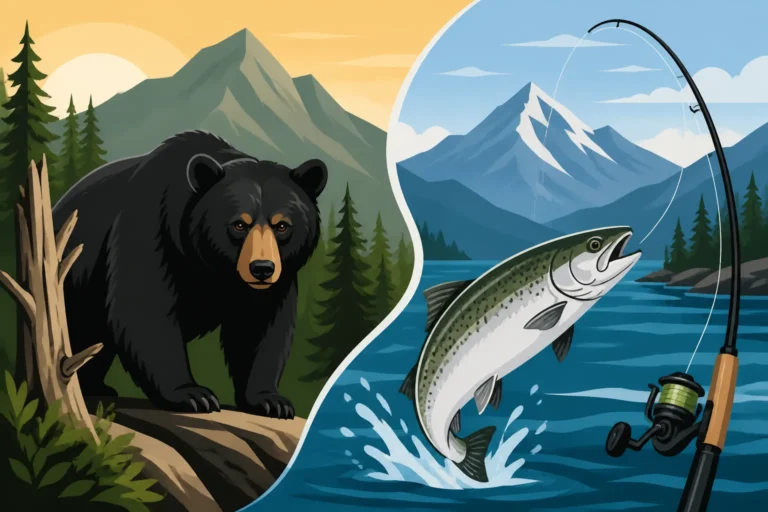
First and foremost are the black bears. British Columbia is famous for its bear populations, and the coast boasts some of the densest numbers and largest specimens. These bears are often drawn to estuaries and salmon streams, especially in spring when they emerge from hibernation and seek fresh greenery, or in fall as salmon runs begin. Hunters target them from boats, glassing estuaries and clearings, or still-hunting logging roads. Then there are the black-tailed deer, particularly the Columbian blacktail on the mainland and Vancouver Island, and the Sitka blacktail on Haida Gwaii. These deer are masters of the dense coastal forest, utilizing second-growth timber and old-growth edges. Their stealthy nature makes them notoriously difficult to hunt, often requiring slow, methodical still-hunting or spot-and-stalk tactics in brief moments of visibility. If you're looking for an unforgettable blacktail experience, consider Black-Tailed Deer on British Columbia's Coast.
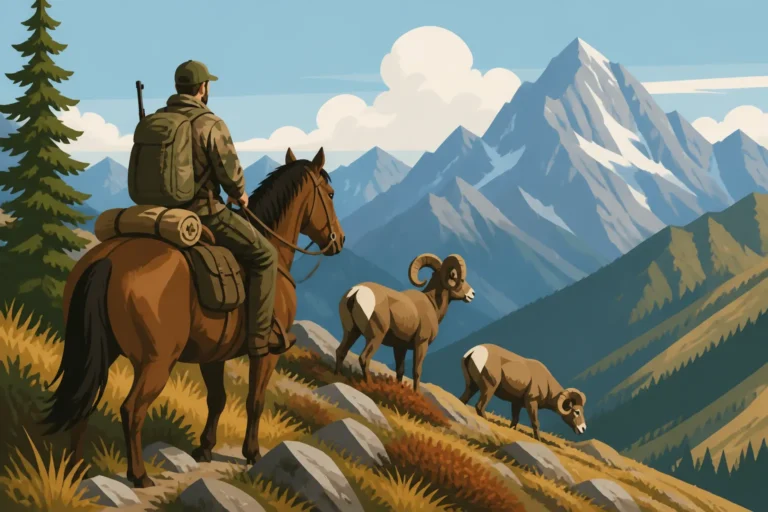
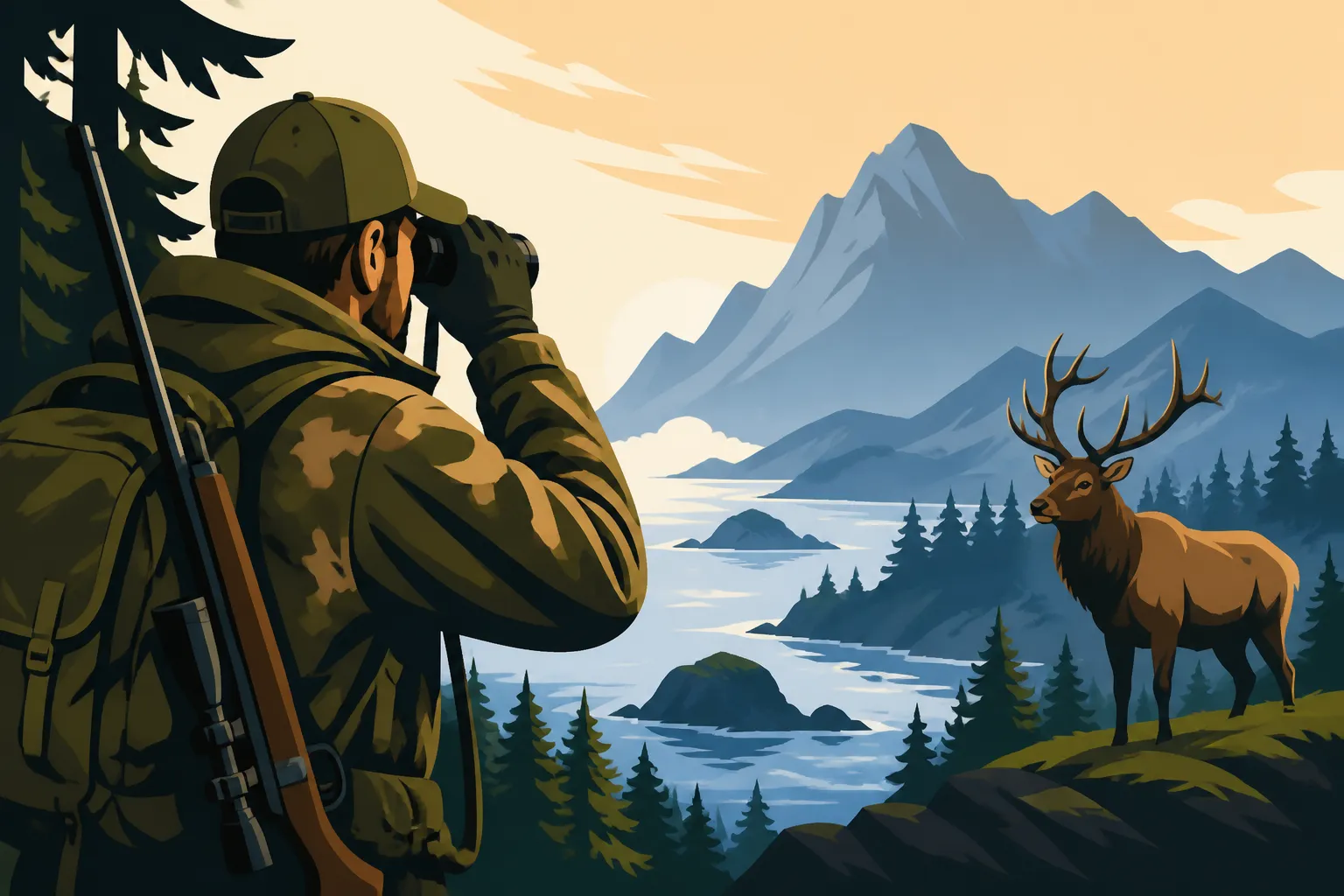
Further inland, though still influenced by the coastal climate, you'll find healthy populations of Roosevelt elk, particularly on Vancouver Island and the mainland coast. These are the largest subspecies of elk in North America, and hunting them in the dense rainforest can be an incredibly challenging yet exhilarating experience. Their bugles echoing through the mist are something you'll never forget. For those seeking the ultimate mountain challenge, portions of the coastal range also hold mountain goats, clinging to the impossibly steep, rocky slopes above timberline. These hunts are physically brutal but incredibly rewarding, offering views and experiences few ever witness. And let's not forget the incredible waterfowl hunting opportunities along the estuaries and sheltered inlets, offering diverse species and exciting wing-shooting.
How Coastal Guiding Territories Operate
For non-resident hunters in British Columbia, the law is clear: you must be accompanied by a licensed guide outfitter or a resident under a "Permit to Accompany." This is where coastal guiding territories come into play. British Columbia is divided into guide outfitter territories, and these are often vast, sometimes encompassing entire valleys, mountain ranges, or stretches of coastline. British Columbia Guide Outfitter Territories are essentially exclusive areas where a licensed outfitter has the sole right to guide non-resident hunters for specific species.
This exclusivity is a huge advantage for hunters. It means that the outfitter has a vested interest in maintaining healthy game populations and ensuring sustainable hunting practices within their area. They know these territories intimately – every ridge, every creek, every bedding area. They understand the patterns of the game, the nuances of the local weather, and the safest ways to navigate the challenging terrain. It removes much of the guesswork and logistical headache for the hunter, allowing you to focus on the hunt itself. For a non-resident, working with a reputable outfitter is not just a regulatory requirement; it’s often the key to a safe and successful coastal hunt.
Why Consider a British Columbia Coastal Outfitter?
Hunting the BC coast on your own, especially as a non-resident, is a monumental undertaking. It's not just about finding the animals; it's about survival, navigation, and understanding a truly wild and often unforgiving landscape. This is where the value of a professional outfitter truly shines.
Navigating Remote and Rugged Terrain
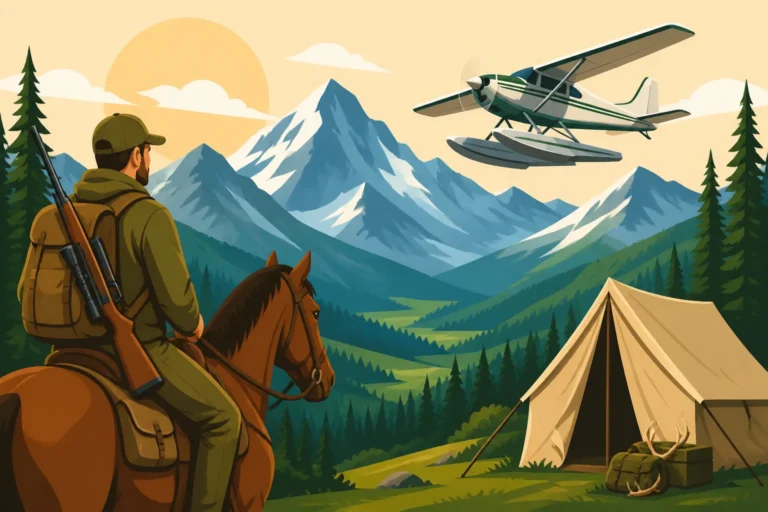
Imagine trying to access a remote inlet accessible only by boat or float plane, then navigating dense, slippery rainforests with limited visibility, all while carrying heavy gear. This is the reality many coastal hunters face. British Columbia's coast is vast and often roadless, meaning much of the best hunting ground is only reachable by specialized transport. Outfitters have the means – from rugged jet boats and ocean-going vessels to strategically placed float planes – to get you safely into and out of these remote areas. They have years, if not decades, of experience reading tides, currents, and mountain weather patterns, which are critical for safe travel.
Beyond transportation, their local knowledge of the terrain is invaluable. They know where the hidden game trails are, which drainages hold the most sign, and how to safely traverse steep, rocky slopes or navigate through thick bush. This isn't just about efficiency; it's about safety. Getting lost or injured in British Columbia's coastal backcountry can quickly turn life-threatening, and an experienced guide is your best defense against such scenarios. They carry satellite communication devices and have emergency plans in place, ensuring a much safer hunting experience.
Accessing Exclusive Hunting Opportunities
One of the most compelling reasons to use a British Columbia coastal outfitter is the access they provide to exclusive hunting opportunities. As mentioned, outfitters hold specific territorial rights. This means you’re often hunting areas that see very little, if any, pressure from other hunters. Imagine chasing a black bear on an estuary that hasn't seen a hunter all season, or stalking a blacktail buck in an old-growth timber block where the animals have grown undisturbed. This reduced pressure often translates to more mature animals and a higher chance of success.
Furthermore, these territories can be massive, giving guides flexibility to move if game patterns shift due to weather or food sources. They’re not confined to a small public land parcel; they have vast expanses to explore. This allows them to tailor the hunt to your fitness level, desired species, and hunting style, whether it's glassing vast clearcuts, still-hunting through dense timber, or pursuing Roosevelt Elk on British Columbia's Coast deep within the rainforest. It’s about leveraging their exclusive access to put you in the best possible position for a quality hunt.
Expertise in Coastal Game Species and Their Behavior
Coastal game species in British Columbia have unique behaviors shaped by their environment. Black bears on the coast, for instance, are intimately tied to salmon runs, foraging habits in the intertidal zone, and specific berry patches. Black-tailed deer are notoriously reclusive, moving like ghosts through the dense undergrowth, and understanding their subtle signs is an art. Roosevelt elk have adapted to the rainforest, often utilizing dense cover and moving quietly through the wet forest floor.
A seasoned coastal outfitter has spent years, if not a lifetime, observing these animals. They know what time of year bears will be on the estuaries, where blacktail bucks will be during the rut, and which drainages hold elk herds. They can read subtle changes in wind and tide, understand the specific vocalizations of animals, and interpret faint tracks or rubs in the damp soil. This deep ecological knowledge is something that can't be gained from a map or a few days of scouting. It's an accumulated wisdom that significantly increases your chances of finding and successfully harvesting an animal, transforming a challenging environment into a productive hunting ground.
What to Expect from a Coastal British Columbia Hunt Package
Booking a guided hunt on the British Columbia coast means more than just having someone show you where the animals are; it's an immersive experience that provides all the necessary infrastructure for a successful and safe adventure.
Typical Hunt Durations and Logistics
Coastal hunts in British Columbia generally range from 5 to 10 days, depending on the species and the type of experience you’re after. Bear hunts might be shorter, around 5-7 days, while a dedicated elk or mountain goat hunt could extend to 10 days or even longer to account for weather, difficult terrain, and the elusive nature of the game. Your adventure typically begins with arrival at a major airport like Vancouver or Prince George, followed by a connecting flight or charter to a smaller regional hub closer to the outfitter's territory. From there, you might embark on a boat trip, a float plane flight, or a lengthy drive on logging roads to reach the main camp.
The logistics are usually seamless, handled entirely by the outfitter. They coordinate all in-field transportation, whether that means daily boat runs to glass estuaries, ATV travel on logging roads, or spike camp deployments via backpack or boat. You'll discuss these logistical details well in advance, so you know exactly what to expect regarding travel time and methods. This extensive planning and execution is part of what makes Boat-Based Coastal Hunts in British Columbia so effective.
Accommodation and Camp Life on the Coast
Accommodation on a coastal hunt can vary dramatically, reflecting the diverse nature of British Columbia's coastline and the style of hunting. Many coastal outfitters operate comfortable lodges or permanent tent camps strategically located in their territories. These might offer amenities like hot showers, hearty meals, and comfortable beds, providing a much-needed respite after a long day in the field. Imagine a warm cabin fire after a day spent in the coastal rain! These types of camps are particularly common for bear and deer hunts where daily excursions from a central point are feasible.
For more remote or specialized hunts, like mountain goat or some elk expeditions, you might experience spike camps. These are temporary, lightweight setups, often just quality tents, sleeping bags, and minimal cooking gear, allowing you to stay closer to the hunting action for several days. Some coastal outfitters even operate fully boat-based camps, where a comfortable cabin cruiser or yacht serves as your floating lodge, moving from one prime hunting location to another. Regardless of the setup, outfitters generally provide three square meals a day, often prepared by a dedicated cook, ensuring you're well-fueled for the physical demands of the hunt.
Inclusions and Exclusions in Outfit Packages
When reviewing outfit packages, it's crucial to understand what's covered and what isn't, as costs can add up. A typical British Columbia coastal hunt package will generally include:
- Guiding Services: The expertise of your licensed guide.
- Accommodations: Lodging at the main camp, lodge, or spike camp.
- Meals: All food and non-alcoholic beverages during your hunt.
- In-field Transportation: Boats, vehicles, or horses used during the hunt.
- Initial Trophy Care: Field dressing, skinning, and caping your animal.
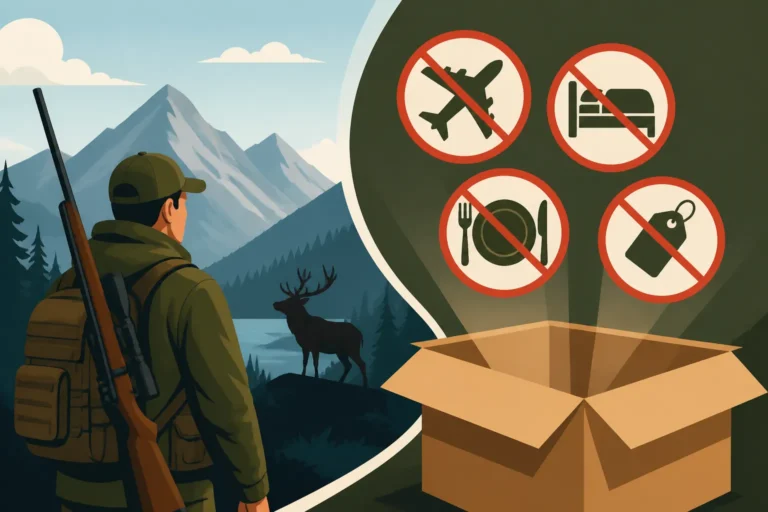
However, several significant costs are almost always excluded and need to be budgeted for separately:
- Hunting Licenses and Species Tags: You'll need a basic hunting license and specific tags for each animal you intend to hunt. These costs are separate and can be found on the provincial government website. Be sure to check British Columbia Hunting Licences and Fees.
- Travel to/from Rendezvous Point: Your flights, ground transportation, or charter flights to reach the outfitter's starting point are your responsibility.
- Gratuities: Tipping your guide and other camp staff (cooks, wranglers) is customary and an important part of their income.
- Meat Processing and Shipping: While outfitters will field dress and skin your animal, further processing, butchering, and shipping meat or trophies home is usually an additional cost.
- Taxidermy: If you plan to mount your trophy, this is a separate service.
- Personal Gear: Your clothing, optics, rifle, and other personal items are your responsibility.
- Alcoholic Beverages: Typically not included.
Always get a detailed written agreement from your outfitter outlining all inclusions and exclusions to avoid any surprises.
Choosing the Right Coastal British Columbia Outfitter
Finding the perfect outfitter for your coastal British Columbia adventure is a critical step. It’s an investment, both financially and emotionally, so thorough research and clear communication are key.
Researching and Vetting Potential Guides
The internet has made researching outfitters easier than ever, but it also means wading through a lot of information. Start by identifying outfitters who specialize in coastal hunts and the specific species you're targeting, whether it's British Columbia's Coastal Black Bears or Roosevelt elk. Look for outfitters with a long-standing presence and positive reputation. Websites like BookYourHunt can be a useful starting point, providing a platform where outfitters list their packages and previous clients can leave reviews. However, don't stop there.
Once you have a shortlist, dive deeper. Ask for a list of recent references (from the last 1-2 years), and actually call those clients. Ask them specific questions about their experience: Was the camp as described? How knowledgeable was the guide? What was the general atmosphere like? How transparent was the outfitter about success rates and costs? Also, check social media for photos and videos – these can offer a more candid look at an outfitter's operations and the condition of their game. It's not just about finding an outfitter; it's about finding the right outfitter for you.
Essential Questions to Ask Before Booking
Once you've narrowed down your choices, prepare a list of questions for your potential outfitter. Don't be shy; a reputable outfitter will welcome your inquiries. Here are some critical points to cover:
- Success Rates: Ask for their success rate on your chosen species over the last 3-5 years. Crucially, ask what "success" means to them. Is it an animal harvested, or an opportunity presented? Understand that success rates are not guarantees, and ethical outfitters will always emphasize fair chase.
- Guide-to-Hunter Ratio: What is the typical guide-to-hunter ratio? For challenging coastal hunts, a 1:1 ratio is often preferred, but sometimes 1:2 can work depending on the species and terrain.
- Physical Demands: Be honest about your fitness level and ask about the physical demands of the hunt. Are long hikes in steep terrain expected? Is it primarily boat-based? Fitness for a British Columbia Sheep Hunt touches on the level of exertion some hunts require; apply that thinking to coastal elk or goat.
- Gear and Equipment: What gear does the outfitter provide (tents, cooking equipment, boats, etc.)? What do you need to bring? Discuss weapon requirements and any restrictions.
- Emergency Plan: What is their emergency communication and evacuation plan in case of injury or severe weather? This is vital in remote coastal areas.
- Meat and Trophy Care: Confirm their procedures for field care, and what assistance they offer with butchering, shipping, or connecting with local taxidermists.
- Weather Contingency: What happens if severe weather disrupts the hunt? Are there alternative hunting opportunities or revised schedules?
- Cancellation Policy: Understand their deposit and cancellation policy thoroughly.
Tools like GoHunt, while often focused on DIY public land Western hunts, can still provide valuable insights into specific management units, season dates, and general game populations within British Columbia, which can inform your conversations with outfitters.
Understanding Pricing and Payment Structures
British Columbia guided hunts, especially for coastal big game, represent a significant investment. Prices vary widely based on species, hunt duration, remoteness, and the level of service offered. What a British Columbia Guided Hunt Costs can give you a broad overview. Expect to pay a substantial deposit (often 30-50%) at the time of booking, with the balance typically due 30-90 days before your hunt starts.
It's important to understand currency conversion if you're coming from outside Canada, as most outfitters will quote prices in Canadian dollars. Be aware of any sales tax that may be added to the package price. Reputable outfitters will have clear, written payment schedules and cancellation policies. Read these thoroughly. What happens if you have to cancel? What happens if the outfitter has to cancel (due to unforeseen circumstances, illness, or changes in regulations)? Travel insurance that specifically covers hunting trip cancellations is highly recommended for such a significant investment. Don't let financial ambiguities overshadow the excitement of your hunt; clarity upfront protects both you and the outfitter.
Preparing for Your British Columbia Coastal Hunt
The success of your coastal hunting adventure hinges not only on your outfitter but also on your personal preparation. The British Columbia coast is a demanding environment, and being physically and mentally ready is paramount.
Physical Conditioning for Coastal Terrain
Coastal hunting in British Columbia is not a sedentary pursuit. Even on boat-based hunts, you'll likely be hiking through dense, uneven terrain, climbing steep hillsides, and navigating slippery shorelines. Whether you’re stalking blacktail in second growth or climbing to a goat's lofty perch, physical fitness is a non-negotiable aspect. You don't need to be an Olympic athlete, but you do need to be able to comfortably walk for several hours, navigate obstacles, and handle adverse weather conditions while carrying a pack.
Your training regimen should focus on endurance, strength, and flexibility. Incorporate hiking with a weighted pack, stair climbing, and exercises that strengthen your core and legs. Pay particular attention to ankle stability, as the uneven ground and slippery rocks can be treacherous. Practice shooting positions after a strenuous activity to simulate real-world hunting scenarios. The fitter you are, the more you'll enjoy the hunt and the better your chances of success, as you'll be able to keep up with your guide and respond when an opportunity arises.
Essential Gear for a Coastal Environment
The coastal British Columbia climate dictates specific gear choices. Forget cotton; think layers and waterproof everything. Your clothing system needs to keep you warm when wet, dry quickly, and allow for maximum mobility.
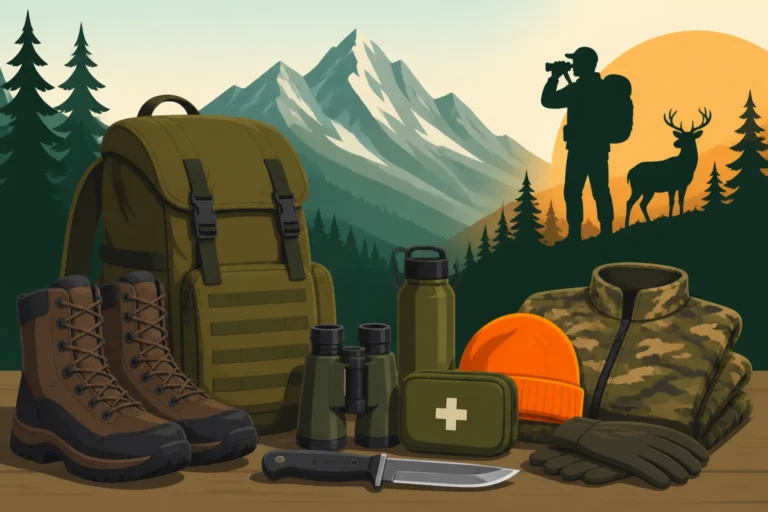
Key gear essentials include:
- Rain Gear: This is non-negotiable. Invest in high-quality, durable, breathable rain jacket and pants that can withstand sustained downpours. Think Gore-Tex or similar technical fabrics. What to Wear for British Columbia's Coastal Rain goes into more detail.
- Layering System: A base layer (synthetic or merino wool) to wick moisture, a mid-layer for insulation (fleece or puff jacket), and your waterproof outer shell. Avoid cotton at all costs, as it loses insulating properties when wet.
- Footwear: Waterproof, sturdy hiking boots with excellent ankle support are a must. Consider gaiters to keep debris and water out of your boots. Rubber boots might also be useful for estuary or wet forest floor hunting. Bring a spare pair of dry socks for camp.
- Optics: Binoculars are essential for glassing, especially on boat-based hunts or in open clearcuts. A good spotting scope is invaluable for sheep or goat country.
- Weapon: Ensure your rifle or bow is zeroed and functions reliably in wet conditions. Bring a waterproof cover for your firearm.
- Backpack: A comfortable daypack for daily excursions and possibly a larger frame pack if you anticipate packing out meat. Packing Meat With a Frame Pack is a good resource here.
- Safety Gear: Headlamp with extra batteries, navigation tools (GPS, compass, map), a personal first-aid kit, and a satellite messenger or inReach device for emergency communication (even if your outfitter has one, it's wise to have your own).
- Dry Bags: Essential for protecting sensitive electronics, extra clothing, and personal items from the pervasive dampness.
Pack for cooler temperatures and constant moisture, even if the forecast looks mild. The coast can change in an instant.
Navigating British Columbia's Regulations and Licenses
For non-resident hunters, navigating British Columbia's hunting regulations can feel like a maze. However, understanding the process is straightforward once you know where to look. First, you'll need a British Columbia Hunter Number and a Fish & Wildlife ID (FWID). This is your unique identifier for all hunting-related transactions. You then need to purchase a basic hunting licence. Following that, you'll purchase specific species tags for each animal you intend to hunt (e.g., a black bear tag, a black-tailed deer tag).
As a non-resident, remember the mandatory requirement to hunt with a licensed guide outfitter or under a Permit to Accompany. Your outfitter will often assist you with the licensing process, guiding you through the online system. It's critical to ensure all your licenses and tags are in order before you arrive for your hunt. Don't wait until the last minute. Familiarize yourself with the general regulations, bag limits, and any compulsory reporting requirements for your chosen species. The official British Columbia hunting synopsis, available online, is your definitive source for all rules and regulations. Rules for Non-Residents Hunting British Columbia is a must-read.
Making the Most of Your Coastal Hunting Adventure
A guided hunt on the British Columbia coast is more than just a trip; it's an experience that tests your limits and rewards you with unparalleled memories. To truly make the most of it, embrace the journey, respect the wild, and prepare for anything.
Embracing the Elements and Unexpected Changes
The British Columbia coast is an environment of constant flux. Weather windows are often short-lived, fog can roll in unexpectedly, and rain can settle in for days. Your mental fortitude will be tested as much as your physical endurance. Go into the hunt with an open mind and a flexible attitude. If the weather closes in, preventing access to a prime area, trust your guide to have a Plan B or even a Plan C. They know their territory and the game's movements better than anyone, and sometimes patience is the most crucial skill.
Be prepared for early mornings, long days, and potentially challenging conditions. The rewards often come to those who persevere through the discomfort. Embrace the rain; it's part of the coastal experience. Appreciate the moments of clear skies and stunning views when they appear. This acceptance of the elements, rather than fighting against them, will allow you to fully immerse yourself in the wild beauty of British Columbia's coast.
Ethical Hunting Practices and Conservation
Hunting with a reputable British Columbia outfitter means upholding the highest standards of ethical hunting and contributing to conservation. Fair chase is the cornerstone of these practices: giving the animal a reasonable chance, making clean shots, and respecting the wildness of the game. Your guide will emphasize shot placement and encourage you to take only ethical shots within your comfort range.
Responsible meat care is also paramount, especially in British Columbia's variable coastal temperatures. Your outfitter will guide you through field dressing and initial cooling of the animal to preserve the meat. Resources like Meat Care in British Columbia's Warm Early Seasons can give you an idea of the best practices. Moreover, your participation in a guided hunt contributes directly to wildlife conservation efforts through license and tag fees, which fund habitat projects and wildlife management. Outfitters are often deeply involved in local conservation, as the health of the game populations directly impacts their livelihood. Respect the land, respect the animals, and leave no trace.
Documenting Your Experience and Preserving Your Trophy
While the focus is always on the hunt, taking the time to document your adventure is something you'll cherish for years to come. Bring a quality camera, and don't be afraid to capture the stunning landscapes, the camaraderie in camp, and the challenges and triumphs of the hunt itself. Your guide might even have some fantastic photo opportunities in mind.
Once an animal is harvested, proper field care of the hide and skull is crucial for preserving your trophy. Your outfitter and guide are experts at this. They will typically assist with skinning, caping, and salting to ensure the hide is in prime condition for transport. Discuss your taxidermy plans with your outfitter beforehand; they often have recommendations for reputable taxidermists in British Columbia who specialize in coastal species. If you plan to export your trophy internationally, be aware of the necessary paperwork, including CITES permits for certain species, and discuss this well in advance with your outfitter and taxidermist to ensure a smooth process.
Here’s a look at different types of coastal hunting camps you might encounter:
| Camp Type | Description | Amenities | Best For | Pros | Cons |
|---|---|---|---|---|---|
| Lodge/Cabin | Permanent structure, often comfortable, located strategically within the territory. | Hot showers, flush toilets, prepared meals, comfortable beds, heating. | Black Bear, Black-Tailed Deer (road/boat access), Waterfowl. | Comfort, warmth, reliable shelter, good for longer stays. | Less "roughing it," might require travel to hunt areas. |
| Boat-Based | Hunting from a comfortable vessel, which serves as living quarters, moving to different locations daily. | Varies (can be quite luxurious), prepared meals, heating, sometimes showers. | Coastal Black Bear, Waterfowl, access to remote inlets. | Mobile, access to diverse coastal areas, often very comfortable. | Dependent on ocean conditions, limited to coastal access points. |
| Spike Camp/Tent | Temporary, lightweight tent camp set up closer to the hunting action for a few days. | Basic shelter, sleeping bag, minimal cooking gear, no running water. | Mountain Goat, Roosevelt Elk, deep backcountry Black Bear/Deer. | Deep immersion, closer to game, ultimate wilderness experience. | Minimal comfort, exposed to elements, more physically demanding. |
| Permanent Tent Camp | Robust tent structures (wall tents) with wood stoves, often semi-permanent in a prime location. | Wood stove, cot/beds, often outhouse, prepared meals, more rustic than lodge. | Black Bear, Black-Tailed Deer, some Elk hunts in more accessible areas. | More rustic than a lodge but still provides good shelter and warmth. | Less luxurious than a lodge, still susceptible to severe weather. |
Disclaimer
This article is for general informational purposes only and does not constitute professional advice. Laws, prices and regulations vary by location and change over time. Consult a qualified professional for guidance on your specific situation.