Asking a British Columbia Rancher for Access
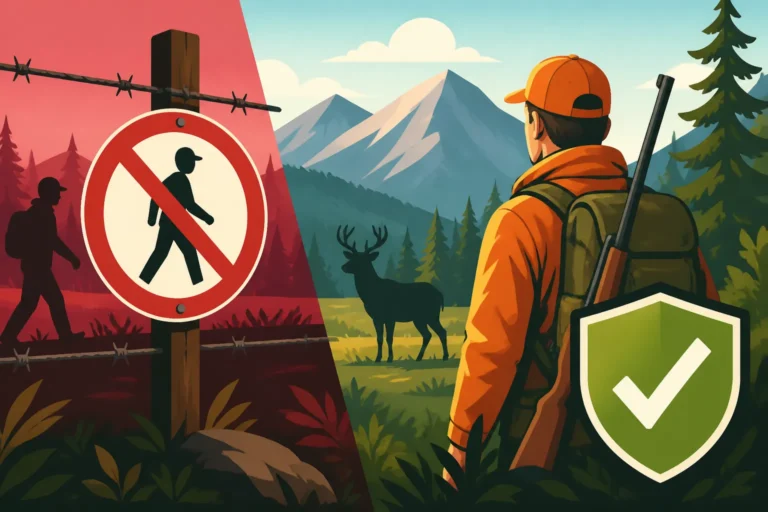
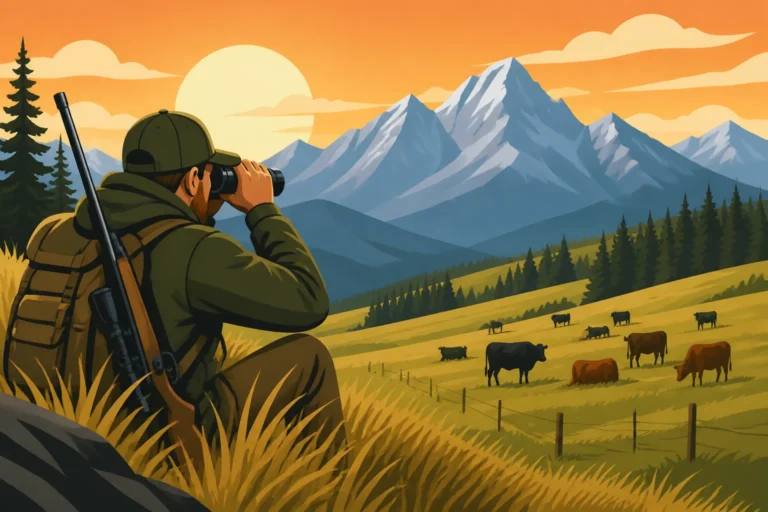
It’s a scenario many British Columbia hunters know all too well: you’re scouting a promising area, brimming with wildlife sign, only to find a fence line and a "No Trespassing" sign. Or maybe you've been eyeing that perfect valley on a map, only to discover it’s mostly private ranch land. Gaining access to private property can feel like cracking a secret code, but with the right approach and a respectful attitude, it's absolutely possible. This guide will walk you through the nuanced process of asking a British Columbia rancher for hunting access, covering everything from initial research to building a lasting relationship.
Understanding Private Land in British Columbia
Hunting in British Columbia often conjures images of vast, untamed wilderness, but the reality is a patchwork of Crown land, private holdings, and First Nations territories. Understanding this landscape is crucial for any ethical hunter.
Why Private Land Access Matters for Hunters
Let's be honest, public land, especially around more populated areas or those with easy road access, can see a lot of pressure. Hunters are always looking for that quiet corner, that undisturbed pocket where game animals can truly thrive. Often, those pockets are on private ranches. These properties, frequently used for cattle grazing or agriculture, often provide excellent habitat for big game like mule deer, white-tailed deer, and elk, not to mention various game birds. They can offer crucial winter range, secluded bedding areas, and food sources that aren't constantly disturbed. The animals on private land tend to be less pressured and, frankly, often larger. Gaining access means escaping the crowds, finding better quality game, and experiencing a more solitary hunt.
The challenge is that this desirable land isn't just sitting there waiting for you. It's owned and managed, and the owners have every right to protect their property and privacy. Many hunters feel a sense of frustration when they see prime habitat behind a locked gate, but that frustration needs to be tempered with respect for private property rights. The good news is that many ranchers are also hunters, or at least understand the tradition, and some are open to allowing responsible individuals onto their land. It's about finding those individuals and making a compelling, respectful case.
Identifying Private Land Boundaries
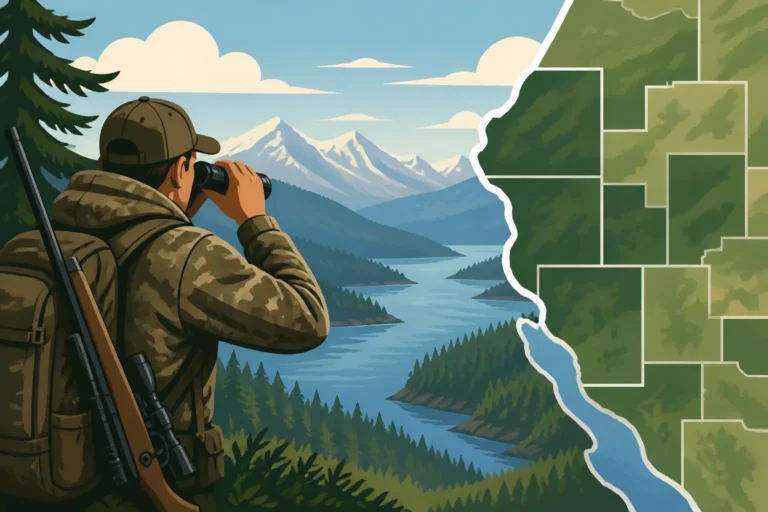
One of the biggest hurdles is simply knowing where public land ends and private land begins. In a province like British Columbia, with its varied terrain and complex land ownership patterns, this can be incredibly difficult, especially when you're out in the field. Relying solely on older paper maps might lead to unintentional trespass, which can quickly sour any chance of future access, and even lead to legal trouble.
This is where modern technology becomes your best friend. Tools like onX Hunt, for example, have revolutionized how hunters navigate land ownership. These apps, used on your smartphone or GPS device, provide detailed parcel maps that overlay property boundaries, showing you clearly whether you are on Crown land, private property, or a land designation like a First Nations reserve. They'll often even show the landowner's name and contact information, though this isn't always publicly available or up-to-date. Similarly, services like GoHunt offer mapping solutions that can provide invaluable insights into land status. Before you even think about approaching a rancher, you need to be absolutely sure about the property lines. You can also research through local government offices or land registry systems, though this can be more time-consuming. Reading a British Columbia Regional Boundary is a crucial skill here, as is Finding a British Columbia Management Unit Map.
The Legalities of Trespass
Let's be crystal clear: trespassing in British Columbia is a serious matter. Whether it's accidental or intentional, it can lead to fines, confiscation of equipment, and even loss of hunting privileges. The British Columbia Trespass Act is designed to protect private property rights, and landowners are well within their rights to enforce it. Accidental trespass can happen easily if you're not meticulous with your mapping, especially in areas where Crown and private land intermingle like a checkerboard. Imagine you're tracking a wounded animal, focused entirely on the blood trail, and you inadvertently cross onto private land without permission. You've just broken the law, even if your intentions were good.
Even if you don't get caught by the landowner or enforcement, being seen trespassing by neighbours or other land users can quickly give all hunters a bad name. It reinforces negative stereotypes and makes it much harder for ethical hunters to gain access elsewhere. Ranchers communicate. If one has a bad experience with a hunter, word spreads, and it can shut down opportunities for everyone. It's not just about avoiding a penalty; it's about upholding the integrity of the hunting community. Familiarize yourself with What British Columbia's Trespass Act Requires and British Columbia Posted Land Rules before you ever step foot near private property.
Preparing for the Conversation with a Rancher
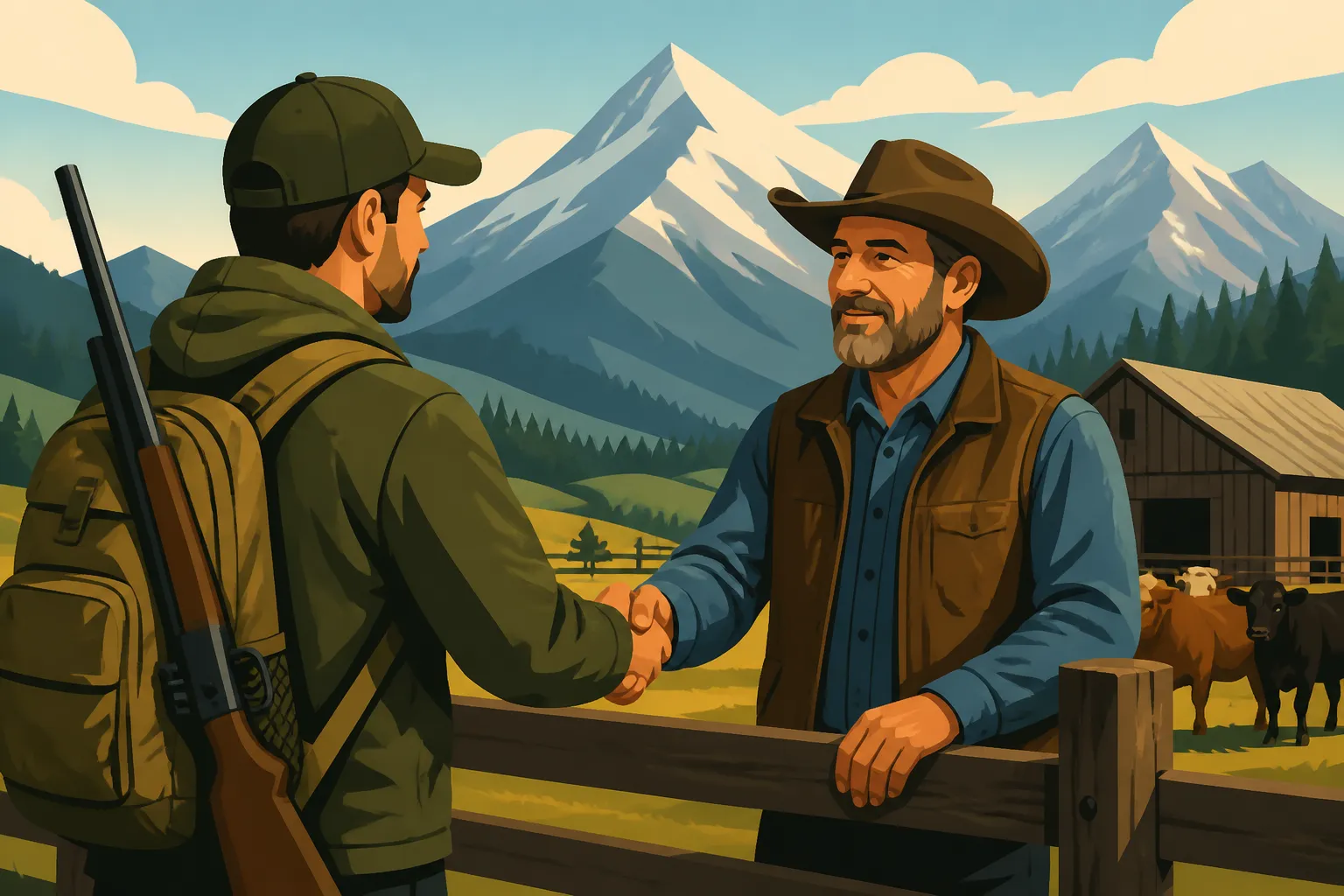
Approaching a rancher for hunting access isn't like buying a licence; it's a personal interaction that requires respect, preparation, and a genuine understanding of their perspective. They're not just providing a service; they're considering allowing a stranger onto their home and livelihood.
Researching the Rancher and Property
Before you even knock on a door, do your homework. This isn't about being creepy; it's about being informed and respectful. Is the property actively being used for cattle grazing, hay production, or something else? Knowing this can help you tailor your request and show that you understand their operations. For instance, if you know they have cattle, you can immediately reassure them about proper gate etiquette and keeping a safe distance from livestock. If you know they grow hay, you'll be extra careful about driving off trails or through fields.
You can often learn a lot through local gossip, community bulletin boards, or by simply observing from public roads. Are there "No Hunting" signs already prominently displayed? If so, your chances might be slim, but not impossible if you can offer a unique benefit. Have other hunters been granted access in the past? If so, what was their experience like? Local tackle shops, feed stores, or even community Facebook groups can sometimes provide subtle clues, but always be discreet and polite in your inquiries. The more you know about their operation, the better you can frame your request to address their potential concerns directly. You might even find out they are struggling with a specific issue like coyote predation on calves, which leads nicely into the next point.
What to Offer in Return
Think of this as a negotiation, not a handout. What value can you bring to the rancher? Access to private land is a privilege, not a right, and offering something in return can significantly increase your chances. This doesn't always have to be monetary, and in many cases, offering cash might even be considered offensive by some.
- Predator Control: This is often a huge selling point. If a rancher is losing calves to coyotes or deer to wolves, offering to help with predator control can be a massive benefit. Make sure you are proficient and compliant with all Calling Predators in British Columbia rules and regulations if you offer this.
- Assistance with Chores: Can you help mend fences, move cattle, stack firewood, or repair a gate? Even a few hours of labour can be incredibly valuable to a busy rancher.
- Wildlife Monitoring: Perhaps they want to know what deer or elk are frequenting their property. You could offer to provide reports, trail camera footage, or just general observations.
- Respect and Responsibility: This is the most fundamental offering. Promise to be incredibly careful, close all gates, avoid driving on wet fields, respect livestock, pack out all your trash, and leave no trace. This builds trust, which is the ultimate currency.
The key is to genuinely want to help and not just offer a shallow promise. Your sincerity will come across.
Essential Information to Have Ready
When you finally do approach a rancher, you need to be prepared to present yourself as a responsible, organized, and accountable individual. Have a small folder or a concise summary of information ready.
- Identification: Your driver's licence and your British Columbia hunting licence and FWID number. This immediately shows you are a legal, licensed hunter.
- A Clear Hunt Plan: What species are you interested in? What dates? What areas of their property are you hoping to access? How will you access it (on foot, ATV, truck)? Be specific. "I'm hoping to hunt a mule deer buck in the southern timber block, walking in off the old logging road, perhaps for a couple of days in early November." is much better than "Can I hunt deer here?"
- Insurance: While not mandatory, showing proof of liability insurance (often part of a hunting club membership) can be a huge trust-builder. It shows you're thinking ahead about potential accidents.
- References: If you have permission from another landowner or have been involved in community initiatives, a brief, professional reference can speak volumes.
- Contact Information: Be ready to give them your phone number and email.
- Vehicle Information: They might ask for your vehicle make, model, and licence plate number.
- Safety Plan: Briefly mention your commitment to safety, including wearing blaze orange if appropriate, and always handling firearms responsibly. British Columbia Blaze Orange and Safety Rules are worth reviewing.
Having this information at your fingertips demonstrates professionalism and foresight. It shows you're taking their concerns seriously and that you are organized and reliable.
Approaching the Rancher: Tips for Success
This is the moment of truth. How you present yourself and your request can make all the difference. Remember, first impressions are critical.
Timing and Etiquette for the First Contact
Don't just show up unannounced at 6 AM on a Sunday morning. That's a surefire way to get a "no" before you even open your mouth. Think about a rancher's schedule. Early mornings and late evenings are often busy with chores. Weekends might be family time.
- Choose your timing wisely: Mid-morning or early afternoon on a weekday, when they might be taking a break from fieldwork or finishing up a task, is often best. Never during meal times unless invited.
- Dress respectfully: You don't need a suit, but don't show up in your grimy hunting clothes covered in mud either. Presentable casual attire shows you respect them and the occasion.
- Approach with humility: Start by introducing yourself clearly, stating your purpose without any sense of entitlement. "Hello, my name is [Your Name], and I was hoping to speak with you for a few minutes about the possibility of hunting access on your land."
- Be prepared for a quick conversation: They might be busy, so have your main points clear and concise. If they ask you to come back later, respect that immediately.
- Listen more than you speak: Pay close attention to their concerns, their rules, and their stories. This shows you value their input.
A positive attitude and a respectful demeanor are far more effective than any perfectly rehearsed speech. Remember that their land is their livelihood and their home, and you're asking for a favour.
What to Discuss and Agree Upon
If the rancher seems open to discussion, it's time to lay out the specifics. Be clear, concise, and don't leave anything to assumption. This is where you iron out the "terms" of your access.
- Specific Areas: Pinpoint exactly where on the property you'd like to hunt. Use your mapping app to show them. Are there certain pastures they want you to avoid? Areas near their home or outbuildings that are off-limits?
- Species and Seasons: Clarify what you're hunting (deer, elk, birds, predators) and during what season. "I'm interested in hunting mule deer during the general open season in November. I understand you have cattle, so I'd stay far away from the pastures where they're grazing."
- Dates and Duration: How many days? Will you be hunting consecutive days or spaced out? Will you notify them each time you come and go?
- Vehicle Use: Can you drive on their roads? Are ATVs allowed? Where can you park? "I'd plan to park my truck at the main gate and walk in, avoiding any driving on wet fields."
- Gates and Fences: The golden rule: "If you open it, close it." Reiterate your understanding of this.
- Livestock: Discuss how you'll interact with cattle or other animals. Keep your distance, never harass them, and be extra careful with firearms.
- Emergency Contacts: Provide them with your cell number and an emergency contact for yourself. Ask for theirs.
- Reporting: Will you check in with them after each hunt, successful or not?
- Other Hunters/Users: Are there other hunters or family members who use the property? Who else should you be aware of?
It’s often a good idea to write down these agreed-upon points, even if it's just a quick bullet list, and leave a copy with the rancher and keep one for yourself. This reduces misunderstandings down the road.
Handling a "No" Graciously
Sometimes, despite your best efforts, the answer will be no. And that's perfectly okay. There could be countless reasons: they've had bad experiences in the past, they have too many people already, it's family-only land, or they simply aren't comfortable with the idea.
- Accept it immediately and politely: "I completely understand. Thank you so much for taking the time to talk with me anyway."
- Don't argue or try to convince them further: This will only solidify their "no" and leave a negative impression.
- Reiterate your appreciation: "I really appreciate your time. If anything ever changes, or if you ever need a hand with anything on the ranch, please don't hesitate to give me a call."
- Leave your contact information: Even if they say no, leave your card or a slip of paper with your name and number. You never know when circumstances might change, or if a neighbour might recommend you later.
- Move on: Don't linger or make them uncomfortable. A graceful exit leaves the door open, even if it's just a tiny crack, for a future possibility.
A polite "no" today doesn't mean "no" forever. Sometimes, it just means "not right now." Leaving on a good note ensures that if they ever do reconsider, they'll remember the polite hunter, not the persistent nuisance.
Here’s a quick summary of dos and don'ts:
| Aspect | Do's | Don'ts |
|---|---|---|
| Preparation | Research the property and rancher. | Show up without knowing anything about their operation. |
| Have your licence, ID, and hunt plan ready. | Expect them to hand over access without any information from you. | |
| Think about what value you can offer (e.g., predator control). | Only focus on what you want (access to good hunting). | |
| Approach | Choose a respectful time (mid-morning/afternoon on a weekday). | Show up at dawn, dusk, or during meal times. |
| Dress presentably and be polite and humble. | Roll up in dirty gear, acting entitled or demanding. | |
| Introduce yourself clearly and state your purpose concisely. | Be vague, ramble, or assume they know why you're there. | |
| Discussion | Be specific about where, when, and what you want to hunt. | Say "I just want to hunt deer" without any further details. |
| Discuss vehicle use, gates, livestock, and safety. | Leave any of these crucial details up in the air. | |
| Offer to check in and report back. | Assume you can just show up and leave without contact. | |
| If Denied | Thank them for their time and accept the "no" gracefully. | Argue, get upset, or try to change their mind. |
| Leave your contact info in case things change. | Make them feel uncomfortable or like you're a burden. |
Maintaining a Good Relationship and Future Access
Gaining access is just the first step. The real success lies in proving yourself to be a trustworthy, responsible hunter and building a relationship that could lead to many seasons of quality hunting. This isn't a transactional agreement; it's a partnership built on mutual respect.
Following Through on Your Promises
This is non-negotiable. Every single promise you made during your initial conversation must be honoured. If you said you'd only hunt on specific dates, stick to them. If you agreed to park in a certain spot, do it. If you offered to help with a task, follow through promptly and thoroughly.
Imagine a rancher who, after years of bad experiences, decided to give a new hunter a chance. If that hunter then leaves a gate open, drives through a freshly seeded field, or shoots too close to livestock, it confirms every negative bias the rancher ever had. That door will slam shut, not just for you, but potentially for every other hunter who might come after you. Your actions reflect on the entire hunting community. Consistent, reliable behaviour is how trust is built, and trust is the foundation for continued access. Hunting a Cariboo Cattle Range means understanding the specific challenges and responsibilities that come with that type of land.
Communicating During and After the Hunt
Communication is key to any good relationship. Don't be a ghost once you get access.
- Before you arrive: A quick text or call "Hey [Rancher's Name], just letting you know I'm heading out to the north timber block this morning for a few hours. I'll check in when I'm done." goes a long way.
- During the hunt (if needed): If you see something unusual, like a downed fence or an issue with livestock, report it immediately. This shows you're looking out for their property.
- After the hunt: Whether you were successful or not, check in. "Just finished up, no luck today, but I wanted to let you know I'm out. Everything looks good on the property." If you harvested an animal, "Got a nice buck in the timber block! I'm quartering it up now and will be leaving shortly. Thanks again for the access!" This keeps them informed and makes them feel involved.
- Show gratitude: A simple "thank you" after each visit, and a more substantial token of appreciation at the end of the season (like a small gift basket, a bottle of local wine, or even some of the wild game meat you harvested) can reinforce your appreciation.
This consistent communication reinforces your reliability and politeness. It also builds a rapport that could lead to invaluable insights about animal movements, changes in the land, or even a chance to meet up and chat more in depth.
Leaving No Trace and Beyond
The principle of "leave no trace" is fundamental to ethical hunting, but on private land, you often need to go above and beyond.
- Pack out everything: Every wrapper, every spent shell casing, every piece of trash needs to leave with you. Leave the land cleaner than you found it.
- Respect the landscape: Stick to agreed-upon paths and trails. Avoid driving through fields, especially when wet, or causing any unnecessary disturbance to the land, crops, or vegetation.
- Close all gates: This cannot be stressed enough. An open gate can lead to lost livestock, mixed herds, or even animals wandering onto dangerous roads. Double-check every single gate you encounter.
- Respect livestock and infrastructure: Give cattle, horses, and farm equipment a wide berth. Never shoot in the direction of buildings or anything that isn't your intended target.
- Report any issues: If you accidentally damage something, be honest and report it immediately. Offer to fix it or pay for repairs. Honesty, even in error, builds more trust than concealment.
- Offer continued help: Check in throughout the off-season. "Hey, just thought I'd drop by and see if you need any help with haying this summer, or maybe a hand with fences?" This cements your long-term commitment and makes you a valued member of their extended community.
By consistently demonstrating respect for their land, their livelihood, and their privacy, you're not just securing hunting access; you're building a relationship that benefits everyone. This goes far beyond just a hunting season; it's about being a good neighbour and a responsible outdoors person, which opens doors far wider than any map ever could. It also sets a positive example for other hunters and helps preserve the future of hunting in British Columbia.
Disclaimer
This article is for general informational purposes only and does not constitute professional advice. Laws, prices and regulations vary by location and change over time. Consult a qualified professional for guidance on your specific situation.