Best British Columbia Ground for Mule Deer
Finding prime mule deer hunting ground in British Columbia can feel like searching for a needle in a vast, rugged haystack. It's a daunting task, knowing these elusive animals thrive in specific environments, and trying to pinpoint those sweet spots takes a lot more than just glancing at a map. This guide will help you understand the types of terrain and habitats mule deer prefer across BC, giving you a clearer picture of where to focus your efforts for a successful hunt.
Understanding Mule Deer Habitat Preferences in British Columbia
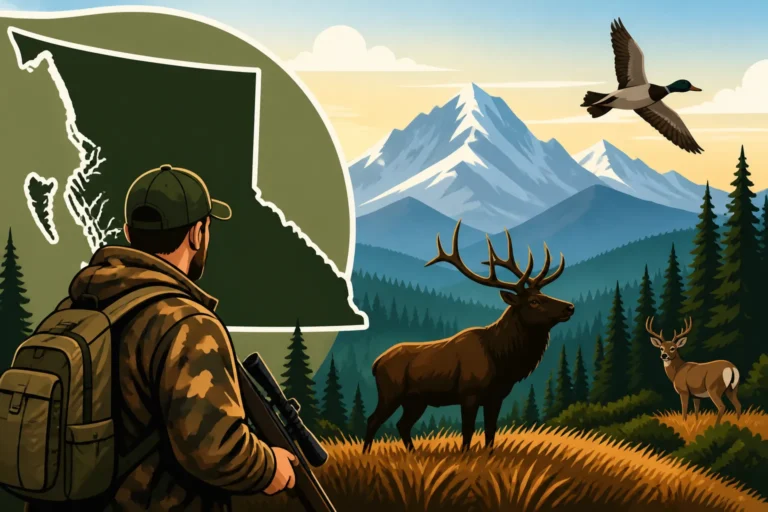
Mule deer are masters of adaptation, but they certainly have their preferred addresses in British Columbia. Unlike their whitetail cousins who often hug agricultural lands and denser cover, mule deer tend to gravitate towards more open, broken country, especially in the interior. This isn't to say you won't find them in timber, but generally, they appreciate a landscape that offers a mix of feed, cover, and escape routes, often with good visibility. Their choice of habitat is fundamentally driven by survival: access to quality forage, security cover from predators and harsh weather, and areas that allow them to move efficiently.
The Dry Interior and Its Appeal
When most hunters think of "mule deer country" in British Columbia, their minds immediately drift to the dry interior. Regions like the Okanagan, Thompson-Cariboo, and parts of the Kootenays offer extensive tracts of prime mule deer habitat. Here, the landscape is characterized by open ponderosa pine and Douglas fir forests, interspersed with sagebrush flats, grasslands, and rocky bluffs. These areas provide the diverse forage mule deer thrive on, from grasses and forbs in spring and summer to browse like bitterbrush, aspen, and willow in fall and winter. The broken terrain offers countless draws, benches, and ridges for bedding and escape.
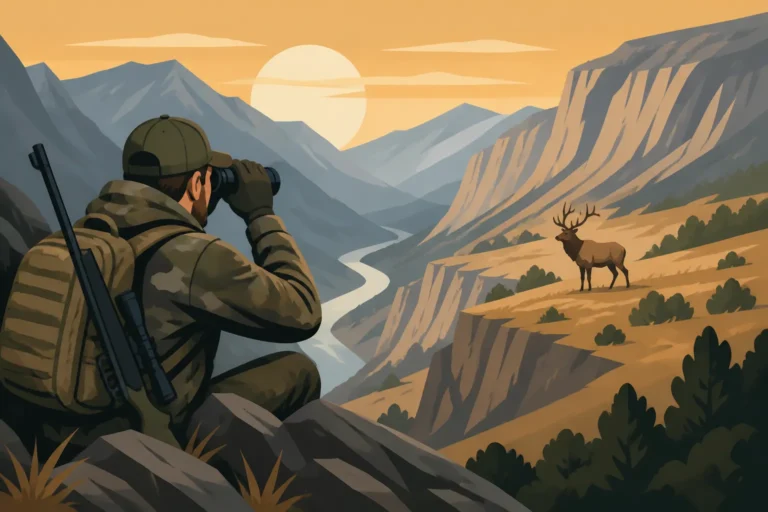
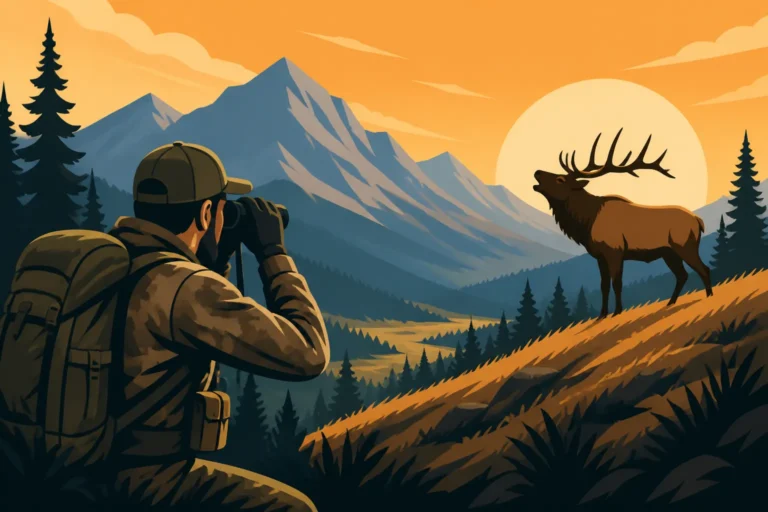
Imagine glassing a vast hillside in the Okanagan in the early morning, the sun just touching the sagebrush and stunted pines. You're not just looking for a deer; you're looking for the perfect deer habitat within that expanse. It's often where a south-facing slope with good sun exposure meets a north-facing slope with denser timber, offering both warmth and security. The deer will transition between these areas throughout the day. Hunters often find success by focusing on these transitions, where two distinct habitat types merge. Hunting a Sagebrush Flat for Mule Deer is a great resource for understanding these specific areas.
High Country and Subalpine Basins
As fall progresses and especially during the early seasons, many mule deer, particularly the mature bucks, head for higher ground. The subalpine basins and alpine fringes become magnets for these deer, offering abundant summer forage and cooler temperatures. This is where you'll find expansive meadows dotted with pockets of stunted fir, larch, and rocky outcroppings. The feed up high is often incredibly nutritious, and the remoteness offers a sanctuary from human pressure.
Accessing these areas often means a significant hike, horse packing, or even a fly-in trip, but the reward can be substantial. Bucks will graze in these open areas during the cooler parts of the day and bed in the timbered fingers or rocky terrain, always with an eye on the thermals. Scouting these areas can involve looking for old rubs on high elevation trees, well-worn game trails leading to water sources, and distinct bedding areas on sheltered benches. Knowing Hunting a Subalpine Basin at First Light can really make a difference up here.
River Valleys and Creek Draws
While not as dramatic as the high alpine, river valleys and creek draws, especially those with adjacent benches and timbered slopes, are also critical mule deer habitat. These areas often provide consistent water sources and a richer variety of vegetation due to increased moisture. In the dry interior, these riparian zones are lifelines, drawing deer in from the drier uplands.
Picture a meandering creek bottom in the Kootenays, flanked by a mosaic of aspen groves, willow thickets, and steep, timbered hillsides. Deer will use these draws for movement, feeding, and bedding, especially when they need to escape the heat or find refuge from a stiff wind. Focusing on these linear features, particularly where they intersect with benches or natural funnels, can be highly productive. It's a classic example of identifying how deer use the landscape to their advantage, moving through cover and feeding where resources are concentrated.
Key Terrain Features and Topography
Mule deer are highly influenced by topography. They are creatures of contour, using the lay of the land to their advantage for feeding, bedding, and evading predators. Understanding these key terrain features is paramount to finding the best ground.
South-Facing Slopes and Winter Range
South-facing slopes are gold mines for mule deer, especially as temperatures drop. These slopes catch the most sunlight, melting snow faster and greening up earlier in the spring. This makes them crucial winter range and early spring feeding areas. The vegetation on these sun-drenched slopes often includes browse species that retain their nutritional value longer into the cold months.
During the late fall and winter hunting seasons, finding these specific exposures can be the difference between success and going home empty-handed. Deer will move off the higher elevations and consolidate on these warmer slopes, seeking both food and thermal cover. When you're scouting, pay close attention to the transition lines where these sunny slopes meet the deeper snow and denser timber of north-facing aspects. This is often where deer will bed, just a stone's throw from their feeding areas. Why Mule Deer Move to Winter Range dives deeper into this critical seasonal movement.
Draws, Ridges, and Benches
Mule deer are masters of using draws, ridges, and benches for travel and security.
- Draws: These natural depressions in the landscape provide sheltered travel corridors, especially during windy conditions or when deer want to move undetected. They'll often feed their way up or down a draw, utilizing the cover it provides.
- Ridges: Ridges offer vantage points, allowing deer to survey their surroundings. Bucks, especially, will often bed just below a ridge crest, using the wind to detect threats from behind and their eyes to watch the country below.
- Benches: These flat or gently sloping areas that break up a steep hillside are prime bedding locations. They offer a comfortable place to rest, often with good views and easy escape routes.
Using tools like onX Hunt can really highlight these contours, allowing you to visualize the terrain even before you set foot on it. You can mark potential bedding benches, identify key draws for travel, and plan your approach routes to take advantage of the prevailing winds and minimize your presence. When you're out there, look for signs of heavy use on these features – fresh tracks, droppings, and rubbed trees are all indicators of a well-used deer highway or sanctuary.
Escape Cover and Security Zones
Mule deer, particularly mature bucks, crave security. They will often choose bedding areas that offer dense cover for concealment, but also provide immediate escape routes. This could be a thicket of young growth, a patch of fallen timber, or a cluster of rocky outcroppings. The key is that these areas allow them to vanish quickly if disturbed.
Think about dense pockets of timber within more open country, or north-facing slopes with thick underbrush. These aren't necessarily where the deer feed, but they are where they feel safe enough to rest during daylight hours. Hunters often struggle because they focus solely on feeding areas and neglect these crucial security zones. By understanding that deer need both food and safety, you can expand your search and dramatically increase your chances of finding that big buck tucked away.
Seasonal Movements and Habitat Shifts
Mule deer are highly migratory in many parts of British Columbia, especially those living in mountainous terrain. Their annual movements are dictated by snow depth, forage availability, and the breeding cycle (rut). Ignoring these seasonal shifts is a surefire way to be in the wrong place at the wrong time.
Spring and Summer Forage Areas
In spring, as the snow recedes, mule deer will follow the green-up, often moving to lower elevation south-facing slopes or open grasslands where fresh, nutritious growth is abundant. As summer progresses, they'll spread out, moving higher into the mountains or deeper into timbered areas to take advantage of new forage and escape the heat and insect pressure.
During these months, their diet is rich in forbs, grasses, and succulent leaves. You'll find them in alpine meadows, clearcuts with new growth, and forest openings. This is a great time for scouting, as deer are often less wary and can be observed in their summer patterns. Use good optics and spend time glassing vast areas, noting travel patterns, preferred feeding spots, and potential escape routes. This intel is invaluable for your fall hunts.
Fall Migration and Rutting Grounds
As autumn arrives and temperatures drop, mule deer begin to shift their focus. They'll start to move from their high-elevation summer ranges back down towards lower-elevation winter ranges. This migration often coincides with the rut, making certain areas hotbeds of activity. The rut, typically peaking in mid-to-late November in many areas, sees bucks actively pursuing does. When British Columbia's Mule Deer Rut Peaks is a must-read if you're planning a late-season hunt.
During the rut, bucks become less cautious, making them more vulnerable. They'll be found in areas where does congregate, which are often the same south-facing slopes and transition zones they'll use for winter. Key areas to focus on include:
- Transition lines: Where different habitat types meet, creating natural travel corridors.
- Bottlenecks: Narrow strips of cover or terrain that funnel deer movement.
- Browse-rich areas: Where does are feeding, bucks won't be far behind.
Wintering Habitat and Overwinter Survival
Once heavy snows arrive, mule deer move to their critical winter ranges. These are typically lower elevation, south-facing slopes with sparse timber and available browse that protrudes above the snow. These areas are vital for their survival, providing thermal cover and relatively accessible food sources. Deep snow can be a major challenge for deer, making these specific zones essential.
Hunting during these late seasons can be incredibly challenging due to weather, but also rewarding. Deer are concentrated, but their survival instincts are heightened. You'll need to be stealthy, patient, and prepared for harsh conditions. It's not uncommon to find large herds of does and fawns, with a few mature bucks trailing them, seeking out every last bit of available forage. Respecting these sensitive winter ranges is also paramount to ensure herd health for future seasons.
Scouting for Mule Deer Hotspots
Finding mule deer isn't just about knowing their general preferences; it's about pinpointing the specific locations they frequent within those habitats. Effective scouting, both virtual and boots-on-the-ground, is key to success.
Utilizing Digital Mapping Tools
Modern technology has revolutionized how we scout. Tools like onX Hunt and GoHunt are indispensable for identifying promising mule deer habitat from the comfort of your home. These apps allow you to:
- Analyze topography: Identify south-facing slopes, draws, ridges, and benches.
- Overlay various map layers: See public/private land boundaries, forest cover types, historical fires, and potential access roads. This is incredibly helpful for Finding Open Forest Roads in British Columbia and understanding the impact of a British Columbia burn.
- Mark waypoints: Drop pins for potential feeding areas, bedding sites, water sources, and observation points.
- Track your movements: Record your routes while scouting, helping you learn the terrain and revisit productive areas.
Before hitting the field, spend hours poring over these maps. Look for patterns, identify pinch points, and visualize how deer might move through the landscape. This digital reconnaissance will save you countless hours of aimless wandering in the bush. Consider how features like a recent clearcut might offer new forage, or how a dense timber patch might provide crucial escape cover for a mature buck.
Boots-on-the-Ground Reconnaissance
While digital tools are fantastic, nothing replaces actual time in the field. Hands-on scouting allows you to:
- Confirm digital observations: Verify that the "draw" on the map is actually a deer highway, or that the "bench" is indeed a well-used bedding area.
- Find fresh sign: Look for tracks, droppings, rubs, and scrapes. The freshest sign indicates recent activity and helps you understand current deer movements.
- Assess forage quality: See what plants are present and whether they're being browsed.
- Identify water sources: Note where deer are watering, especially in dry areas.
- Check prevailing winds: Understand how the wind flows through the terrain at different times of the day, crucial for planning your approach.
When scouting, move slowly and deliberately. Think like a deer. Where would you eat, drink, rest, and feel safe? Pay attention to subtle changes in vegetation or terrain that might indicate a prime location. Early morning and late evening are often the best times to actually spot deer during scouting trips, as they're most active. You might even discover areas of deep snow and need to prepare for Hunting Above Timberline in Cold Weather.
Seasonal Scouting Strategies
Your scouting approach needs to change with the seasons.
- Pre-Season (Summer): Focus on finding summer feeding areas and identifying potential trophy bucks. They'll be in velvet, but you can learn their patterns. This is an excellent time to cover vast amounts of ground and note where deer are congregating.
- Early Season (September/October): Deer are often still relatively high in elevation, but starting to shift. Focus on alpine and subalpine areas, as well as areas adjacent to prime summer feed. This is often a great time for Glassing an Interior Hillside for Mule Deer.
- Mid-Season (October/November): Deer are actively migrating to lower elevations and the rut is approaching. Focus on transition zones between summer and winter range.
- Late Season (November/December): The rut is in full swing or just finished, and deer are consolidating on winter range. Concentrate your efforts on south-facing slopes, river bottoms, and areas with available browse.
By adapting your scouting to the seasonal movements of mule deer, you'll be able to consistently put yourself in the right place at the right time. Each season offers unique opportunities and challenges, and understanding these shifts is fundamental to finding the best British Columbia ground for mule deer, no matter when you plan to hunt.
| Habitat Type | Typical Elevation | Key Features | Season for Best Results |
|---|---|---|---|
| Dry Interior Slopes | Low to Mid | Ponderosa Pine, Sagebrush, Grasslands, Rocky Bluffs | Early Fall, Late Fall (Rut), Winter |
| High Alpine/Subalpine | High | Open Meadows, Stunted Fir, Rocky Outcroppings | Summer (Scouting), Early Fall (Archery, Early Rifle) |
| River/Creek Valleys | Low | Riparian Zones, Aspen/Willow, Adjacent Benches | Any Season (especially valuable in dry periods), Late Fall |
| South-Facing Slopes | All | Early Green-up, Snow Melt, Browse | Late Fall (Rut), Winter (Critical) |
| Dense Timber Pockets | Mid to High | Thick Conifers, Old Growth, Downed Timber | Bedding (any season), Security (during pressure), Late Fall |
| Recent Clearcuts/Burns | Mid to High | New Growth, Forbs, Grasses, Openings | Summer (Forage), Early Fall (Feeding) |
This article is for general informational purposes only and does not constitute professional advice. Laws, prices and regulations vary by location and change over time. Consult a qualified professional for guidance on your specific situation.