Hunting the Valleys Around Port Alberni
Hunting the valleys around Port Alberni on Vancouver Island presents a unique set of challenges and incredibly rewarding opportunities for the dedicated hunter. The dense coastal rainforest, intertwined with an extensive network of logging roads and private timber holdings, can feel like a maze if you don't know how to approach it. This comprehensive guide aims to demystify hunting these captivating valleys, helping you understand the terrain, game, regulations, and strategies needed to successfully pursue blacktail deer, Roosevelt elk, and black bears in this rugged corner of British Columbia.
The Unique Landscape of Port Alberni's Valleys for Hunters
The Port Alberni region is characterized by a dramatic landscape where towering mountains meet lush river valleys and the deep inlet of the Pacific Ocean. This geographical tapestry creates diverse ecosystems, each offering distinct opportunities and challenges for the hunter. Understanding this environment is the first step to a successful hunt.
Geography and Terrain
The Alberni Valley itself, cradling the city of Port Alberni, is a central hub, but for hunters, the real interest lies in the numerous river valleys that feed into it, such as the Somass, Stamp, Sproat, and Nahmint. These valleys are typically narrow, hemmed in by steep, often precipitous slopes. The terrain is a relentless mix of dense, impenetrable second-growth timber, interspersed with pockets of ancient old-growth forest that somehow escaped the saw. River bottoms are often choked with alder and willow, providing ideal cover and forage, while higher elevations transition into more open subalpine zones, though these are less common directly in the immediate valley bottoms.
Hunting here isn't like glassing open fields or sprawling pine forests. Visibility can be extremely limited, often just a few dozen yards, making still-hunting and tracking paramount. The ground underfoot is almost perpetually damp, a mix of moss, ferns, and decaying organic matter, which can make for quiet walking if you're careful, but also masks animal tracks quickly. Expect significant elevation changes, even near roads, requiring good physical conditioning. The sheer density of vegetation means that even a short distance off a road can feel incredibly remote and disorienting. Access often relies heavily on older logging roads that may be overgrown or partially decommissioned, presenting their own travel challenges.
Key Game Species and Their Habitat
The Port Alberni valleys are a stronghold for three primary big game species: black-tailed deer, black bears, and Roosevelt elk. Each species utilizes the varied habitat in distinct ways, and understanding their preferences is key to finding them.
Black-Tailed Deer: These are the bread and butter of Vancouver Island hunting. Blacktail thrive in the mosaic of cutblocks, regenerating forests, and old-growth edges. They are masters of using the dense cover that defines this region, often browsing on young deciduous growth in recent clearcuts or sheltering in thick stands of conifer. You'll find them anywhere from sea level right up into the subalpine, though they tend to concentrate in areas with good forage adjacent to security cover. Hunting Vancouver Island Blacktail in Second Growth is a fantastic resource for understanding their habits. Look for them along the edges of new growth, where ferns and salal provide ample food, especially during the morning and evening hours. Their movements are often dictated by the weather, with heavy rain sending them deeper into the timber for shelter.
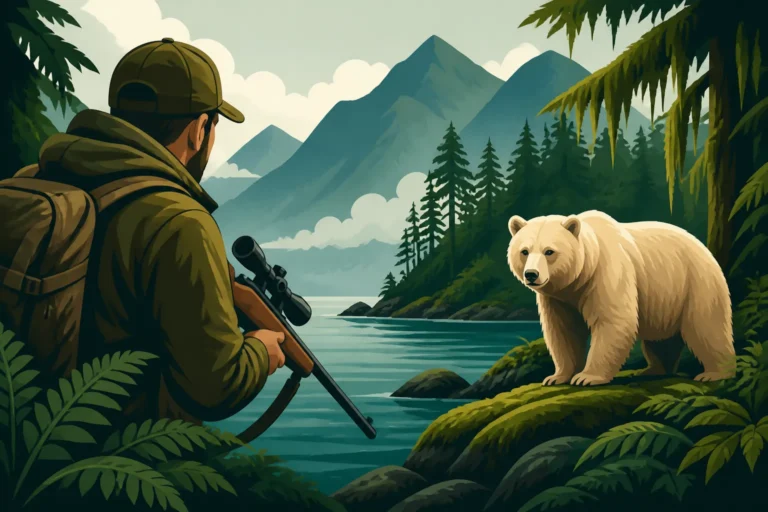
Black Bears: Vancouver Island boasts a robust black bear population, and the Port Alberni valleys are no exception. These bears are opportunists, feeding heavily on new green growth in the spring, switching to berries in the summer and fall, and frequenting salmon-bearing streams as the fish return. Clearcuts, particularly those with berry bushes like huckleberry and salal, are prime locations in late summer and fall. Estuaries and river mouths where salmon spawn can also be hot spots, attracting bears looking for an easy meal. British Columbia black bear season dates vary, but both spring and fall offer excellent opportunities here. They'll use the thick timber for bedding and escape cover, making them challenging to spot unless they are out feeding in more open areas.
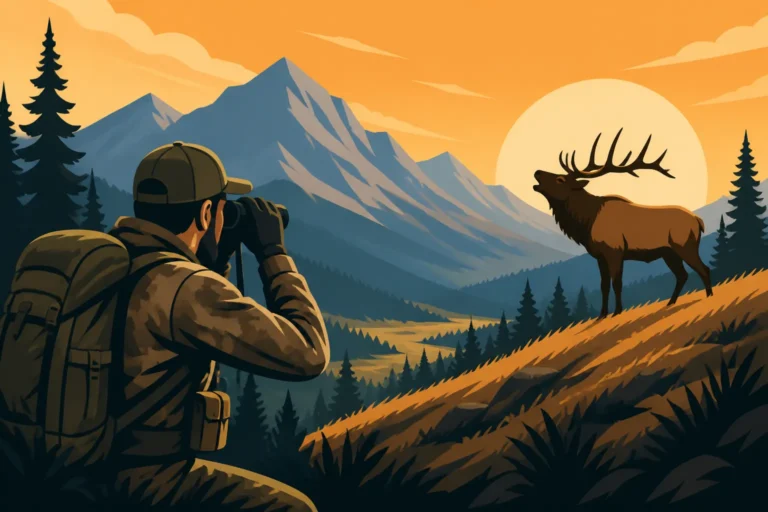
Roosevelt Elk: The majestic Roosevelt elk are another prize of this region. These massive animals prefer the mixture of dense old-growth and younger regenerating forests, using the former for cover and the latter for browsing. River valleys, with their lush vegetation and proximity to water, are critical habitats. While general open seasons for elk are rare here, opportunities primarily come through the Limited Entry Hunting (LEH) draw system. Hunting Roosevelt Elk in British Columbia Old Growth highlights their reliance on these ancient forests. During the rut, the sound of a bugling bull echoing through these valleys is an unforgettable experience, but locating them can still be a monumental task given the dense cover. Their sheer size and strength mean that once you've located one, the real work of extraction begins.
Navigating Access and Regulations in the Port Alberni Area
Successfully hunting in the Port Alberni valleys requires more than just understanding the game; it demands a thorough grasp of land access and British Columbia's specific hunting regulations. This is where many hunters, especially those new to the area, can get tripped up.
Understanding Forest Service Roads and Private Lands
One of the biggest realities of hunting Vancouver Island, including the Port Alberni area, is the prevalence of private forest lands, often owned by large timber companies like Mosaic Forest Management or TimberWest. These companies frequently gate their lands, and access often requires purchasing a permit, sometimes on a daily, weekly, or annual basis. Without these permits, you're trespassing, which carries serious penalties. It's not uncommon for gates to open and close seasonally, or even daily, depending on active logging operations or fire danger. Always check the current status of roads and gates before heading out.
Alongside private lands, British Columbia has an extensive network of Forest Service Roads (FSRs) on Crown land. Many of these roads penetrate deep into the backcountry, offering excellent access. However, many FSRs in the Port Alberni area are active logging routes, meaning you'll encounter heavy industrial traffic. Always drive with your headlights on, be prepared to yield to logging trucks, and use appropriate radio channels if you have one. Other FSRs may be deactivated, meaning they are no longer maintained and might be overgrown, washed out, or have culverts removed. These deactivated roads can be fantastic for foot access beyond the crowds but require careful navigation and can become impassable in inclement weather. Using a reliable mapping app, like onX Hunt, is absolutely invaluable here. It allows you to clearly see property boundaries, FSRs, and private land, preventing accidental trespass and helping you find routes less traveled. Hunting British Columbia's Logging Road Network goes into more detail about how to effectively use these corridors.
Management Units and Specific Regulations
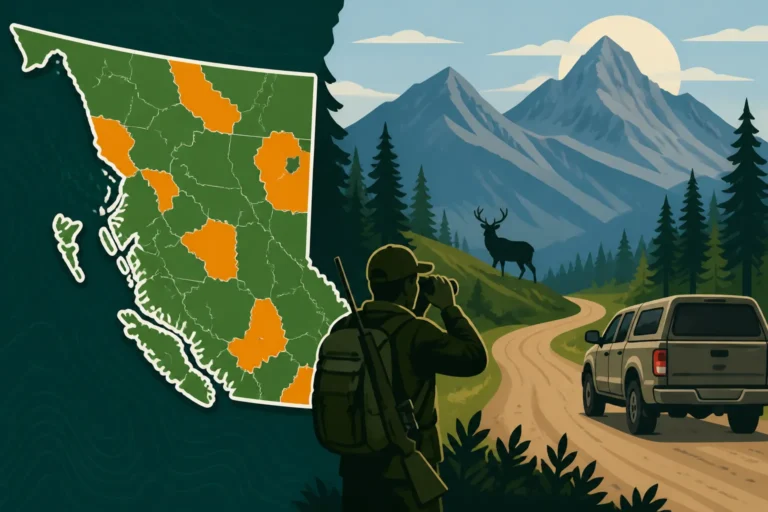
The Port Alberni area falls primarily within Management Units (MUs) 1-6 and 1-7 of British Columbia's Region 1 (Vancouver Island). These MUs have very specific regulations that hunters must abide by. Before you even think about packing your gear, you need to pore over the latest BC Hunting and Trapping Regulations Synopsis. This isn't optional; it's your hunting bible.
Deer: For black-tailed deer, the general open season typically runs from early September through to mid-December, though specific dates and antler restrictions can vary. The common "4-point" antler restriction for bucks is critical to understand and properly identify in the field. There are also usually short "any deer" or "any buck" seasons, which offer different opportunities. Bag limits are often one or two deer per hunter per year, but always check the synopsis for your specific MU.
Elk: Roosevelt elk hunting on Vancouver Island is almost exclusively done through the Limited Entry Hunting (LEH) draw. This means you must apply for a specific hunt in a specific MU and be drawn to receive an authorization to hunt elk. The odds of drawing an elk tag can be low, especially for mature bulls, but it's the only way to legally harvest one in most areas. Application deadlines are usually in late May. Utilizing resources like GoHunt can help you research past draw odds and regulation changes to make informed application choices.
Bears: Black bear seasons are usually split into a spring season (April-June) and a fall season (September-December). There are often bag limits of one or two bears per hunter per year, depending on the MU. Remember, grizzly bears are closed to hunting in British Columbia, and while true grizzlies are exceedingly rare on Vancouver Island, understanding the visual differences between black bears and grizzlies is a fundamental safety and regulatory requirement.
Table: Common Game Species and Habitat in Port Alberni Valleys
| Species | Primary Habitat | Key Season(s) | Notes |
|---|---|---|---|
| Black-Tailed Deer | Dense second-growth, old-growth edges, clearcuts with new browse, river bottoms | Fall (Sept-Dec) | Often found near water, utilize thick cover extensively |
| Black Bear | Clearcuts (berries), salmon streams, dense timber for bedding, estuaries | Spring (Apr-Jun), Fall (Sept-Dec) | Highly opportunistic feeders; look for food sources |
| Roosevelt Elk | Old-growth timber, regenerating cutblocks, river valleys | Fall (LEH only) | Relies on dense cover; vocal during the rut |
Always remember to obtain your BC hunting licence and species tags before heading into the field. And don't forget the mandatory harvest reporting for many species; British Columbia's Compulsory Reporting Rules outline exactly what information you need to submit and the deadlines.
Strategies for Successful Hunting in Port Alberni's Valleys
Hunting in the dense, wet coastal environment of Port Alberni demands different tactics than hunting in more open terrain. Patience, stealth, and a keen eye for subtle sign are your most valuable assets.
Hunting Black-Tailed Deer in Dense Cover
Successfully hunting black-tailed deer in the thickets around Port Alberni is a game of slow, deliberate movement. Still-hunting is incredibly effective here. This involves moving through the forest at a snail's pace, stopping frequently to scan your surroundings, listen intently, and look for any unnatural shapes or movements. Think in terms of mere steps, then stop for several minutes. Use binoculars, even in dense cover, to pick apart shadows and identify parts of an animal. Focus on subtle cues: an ear twitch, the flick of a tail, or the slight shift in color that indicates a deer rather than a stump.
Blacktail often use natural funnels created by terrain features, logging roads, or changes in vegetation. Scout these areas for tracks, droppings, and rubs. During the rut, calling with a fawn bleat or grunt can sometimes bring a curious buck into range, especially in early morning or late evening. Pay particular attention to areas where new growth meets thicker stands, or along the edges of clearcuts that have begun to regenerate. Deer will often browse on the younger plants then retreat into the denser cover for security. The constant rain on Vancouver Island means that Reading Blacktail Sign in Wet Ground becomes a critical skill; learn to differentiate fresh tracks from old ones in the soft, damp soil. Scent control is also important, as thermal currents can be unpredictable in these valleys, often swirling.
Tracking Roosevelt Elk and Black Bears
Hunting Roosevelt elk in these valleys can be truly arduous. They are known for their preference for incredibly steep, brushy terrain. During the rut (late September through October), bugling is a prime tactic. Locating a bugling bull and then trying to close the distance in the dense timber is an experience that will test your physical and mental limits. Remember that elk in this environment can be very wary, especially if they've been pressured. Still-hunting thick timber and slowly working through prime feeding and bedding areas can also yield results. Always be aware of the wind, as these animals have an incredible sense of smell.
For black bears, early spring hunts often involve glassing recent clearcuts for bears feeding on fresh green growth. This can mean long hours with binoculars from a vantage point, if you can find one that overlooks an open area. In the fall, focus shifts to areas with abundant berries, again often found in clearcuts or along natural openings. As salmon runs begin, scout river systems and estuaries for bears feeding on fish. Remember that bear hunting often involves patience and positioning; finding a good food source and waiting for a bear to show up can be more effective than trying to track them through the impenetrable brush. Hunting Bears on a Coastal Estuary in May is a prime example of a specialized tactic for this region. Be prepared for close encounters, especially near salmon streams, and always carry bear spray, knowing how to use it effectively.
Essential Gear and Safety Considerations
The coastal wilderness around Port Alberni is beautiful but unforgiving. Having the right gear and a solid safety plan isn't just a good idea; it's absolutely crucial for your well-being and success.
Recommended Gear for Coastal Mountain Hunting
Your gear list for hunting the Port Alberni valleys needs to prioritize waterproofness, durability, and reliability. This isn't the place for fair-weather equipment.
- Rain Gear: This is non-negotiable. Expect rain, lots of it, at any time of year. Invest in high-quality, breathable, waterproof jacket and pants. Look for bombproof construction that can stand up to thick brush. Layering underneath is key to managing your temperature.
- Footwear: Sturdy, waterproof boots with excellent ankle support are paramount. You'll be traversing uneven, often slippery terrain, mud, and shallow streams. Good traction is essential. Consider knee-high rubber boots for wading through boggy areas or crossing small creeks.
- Navigation Tools: A reliable GPS unit or a smartphone with a robust offline mapping app like onX Hunt is critical. Cell service is virtually nonexistent just a short distance from the main roads. Mark your vehicle, important access points, and any game trails you find. A compass and paper map are excellent backups.
- Backpack: A comfortable, durable pack capable of carrying essential gear for the day (or several days, if backpacking) and, hopefully, meat, is vital. Look for one with a good frame that can handle heavy loads.
- Optics: Binoculars are useful even in dense timber for picking apart cover. A good quality pair will help you identify game at longer distances when opportunities arise.
- Cutting Tools: A sharp knife is obvious, but consider a small folding saw for clearing shooting lanes or aiding in field dressing.
- Emergency Kit: Always carry a first-aid kit, fire-starting materials, a headlamp, extra food and water, and emergency shelter.
Bear Safety and Emergency Preparedness
Vancouver Island is bear country, and while black bears are the primary concern in the immediate Port Alberni area, always remain bear-aware. Bear Safety While Hunting in British Columbia is a must-read.
- Bear Spray: Carry bear spray on your hip or chest, readily accessible, and know how to use it. It is your last line of defense in a close encounter.
- Food Storage: If camping, store all food and scented items in bear-resistant containers, hung from a tree, or in your vehicle, away from your sleeping area.
- Making Noise: While still-hunting requires stealth, when moving through dense brush or areas of low visibility, making some noise can alert bears to your presence, reducing the chance of a surprise encounter.
- Emergency Communication: Given the lack of cell service, a satellite messenger or satellite phone is highly recommended. These devices can send distress signals and allow for two-way communication in emergencies, providing a critical lifeline in remote terrain.
- First Aid and Training: Beyond a basic first-aid kit, consider taking a wilderness first-aid course. Knowing how to deal with common injuries or medical emergencies in a remote setting can make a huge difference.
Hunting the valleys around Port Alberni offers a truly wild and challenging experience. With thorough preparation, a deep respect for the land, and the right strategies, you can unlock some of the most rewarding hunting opportunities British Columbia has to offer.
Disclaimer
This article is for general informational purposes only and does not constitute professional advice. Laws, prices and regulations vary by location and change over time. Consult a qualified professional for guidance on your specific situation.