Hunting the North Island Around Port Hardy
Hunting the North Island around Port Hardy presents a truly unique challenge, a beautiful but often unforgiving landscape that can frustrate even seasoned hunters with its dense forests, relentless rain, and rugged topography. If you've ever dreamt of pursuing blacktail deer or coastal black bears in their wild domain, but felt intimidated by the sheer scale and isolation of this region, this guide is for you. We're going to break down what it takes to navigate the North Island's wilderness, helping you prepare for a successful and safe adventure in one of British Columbia's wildest corners.
Understanding the North Island's Unique Hunting Landscape
The North Island, particularly the areas surrounding Port Hardy, isn't your typical British Columbia hunting ground. Forget wide-open clearcuts of the Interior or the vast grasslands of the Cariboo; this is a land defined by its proximity to the Pacific Ocean, resulting in a distinct environment that demands specific approaches.
The Rugged Terrain and Dense Forests
Imagine a landscape sculpted by ancient glaciers and covered in a tapestry of towering trees, from old-growth giants to dense second-growth thickets. This is the reality of hunting around Port Hardy. The terrain is often steep and unforgiving, carved with deep ravines, choked with fallen timber, and blanketed in a thick, mossy understory that absorbs sound and hides game incredibly well. You'll find yourself pushing through salmonberry and huckleberry bushes so dense you can barely see your boots, let alone a deer standing just twenty yards away.
This challenging environment dictates much of your hunting strategy. Long-distance glassing opportunities are rare, making spot-and-stalk hunting incredibly difficult unless you're specifically targeting recent clearcuts or open estuaries. Instead, hunters often rely on slow, methodical still-hunting, picking apart the cover inch by arduous inch. The damp, soft ground can offer excellent tracking conditions if you have the patience and skill to read subtle signs. Access can also be a significant hurdle, as main logging roads often give way to overgrown spurs or heavily reforested areas that require significant foot travel. It's a place that demands physical fitness, mental grit, and a profound respect for the wild.
Key Game Species Around Port Hardy
While the North Island boasts a variety of wildlife, two species truly dominate the hunting landscape around Port Hardy: the resilient Columbian black-tailed deer and the abundant coastal black bear.
Blacktail deer thrive in this environment, utilizing the dense cover for security and the constant regeneration of vegetation for forage. They are notoriously elusive, masters of using the slightest dip in terrain or patch of brush to disappear. Their numbers can be quite good in certain areas, especially in the patchwork of clearcuts and second-growth timber that provides both food and security. Finding their sign – rubs, scrapes, and tracks in the soft earth – becomes paramount here, as direct sightings can be fleeting. Many hunters dedicate their efforts to Hunting Vancouver Island Blacktail in Second Growth or focusing on areas above the fog line.
Coastal black bears are also prevalent, benefiting from the rich food sources this ecosystem provides. In spring, they emerge from hibernation to feed on fresh green growth in estuaries, avalanche chutes, and logging road edges. Come fall, they transition to berry patches and, famously, the salmon-choked rivers and streams. These bears can grow to impressive sizes, feasting on the abundant protein of the Pacific salmon runs. Hunting them often involves patient glassing of open areas like clearcuts or river flats, or carefully still-hunting through berry-laden slopes. Understanding Black Bear Hunting British Columbia's Spring can be a huge advantage. While Roosevelt elk are present on Vancouver Island, obtaining a tag for these magnificent animals typically requires success in the Limited Entry Hunting (LEH) draw, making them a less common general hunting pursuit for many.
Navigating Access and Planning Your Hunt
One of the biggest hurdles for anyone planning a hunt on the North Island, especially around Port Hardy, is simply knowing where you can go and how to get there. This isn't a place where public access is always straightforward; logging activity and private land play a huge role.
Accessing Management Units Near Port Hardy
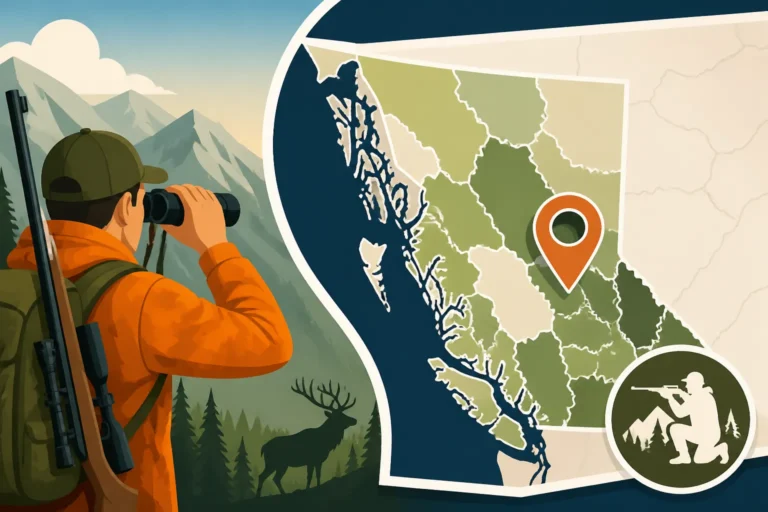
The majority of huntable land around Port Hardy is Crown land, but much of it is intertwined with active logging tenures or private forest lands, particularly those owned by large timber companies. This means that while you might technically be on Crown land, access can be restricted by gates, road deactivations, or active logging operations. Relying solely on older paper maps can be a recipe for frustration. Modern mapping applications like onX Hunt or GoHunt are incredibly valuable tools here, as they often have updated layers showing private land boundaries, active logging zones, and recent road closures, helping you discern where you can legally and practically go.
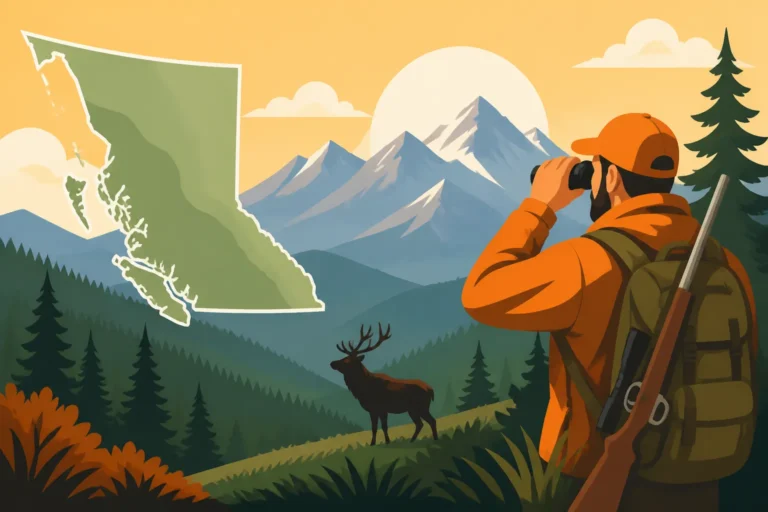
Before heading out, it's crucial to research the specific Management Units (MUs) you intend to hunt. Information on active logging and road status is sometimes available from local forestry offices or the companies themselves, though this can be hit-or-miss. Expect to encounter locked gates, especially on older, deactivated spurs that lead into prime hunting country. Often, these deactivated roads mean parking your vehicle and covering significant ground on foot or mountain bike to reach more remote areas. Knowing how to interpret a British Columbia Management Unit Map and understanding the nuances of Finding Open Forest Roads in British Columbia will save you countless hours of driving up to locked gates. Be prepared for Driving a Deactivated Logging Road, which can be rough and require a capable 4×4 or even a chainsaw for fallen trees.
Seasonal Considerations and Weather
The North Island's weather is famously wet and unpredictable, a defining characteristic that shapes every aspect of a hunt. This is the temperate rainforest, after all, and rain is a constant companion.
Hunting during the early fall seasons, perhaps for archery blacktail, can still bring relatively mild temperatures, but the consistent drizzle or heavy downpours are almost guaranteed. This rain isn't just an inconvenience; it affects game movement, scenting conditions, and visibility. Animals may seek thicker cover, but the wet ground also makes them quieter, which can be both a blessing and a curse. As seasons progress into late fall, temperatures drop, and the rain can turn to sleet or snow at higher elevations, making conditions even more challenging. Navigating fog on a British Columbia Coast Hunt can also add an element of adventure, or frustration, depending on your perspective.
Hunters must be prepared for everything. Layers are absolutely essential, with a high-quality waterproof and breathable outer shell being non-negotiable. Forget cotton; embrace synthetics and wool. Keeping your gear, especially your optics and firearm, dry is a constant battle. The dampness also means that your camp setup needs to be robust, and drying out gear at the end of the day is a critical component of staying comfortable and healthy. Understanding Hunting in British Columbia's Coastal Rain is not just about technique, it's about preparation and mindset.
Strategies for a Successful North Island Hunt
Given the unique environment around Port Hardy, traditional hunting methods often need a coastal adaptation. Success here isn't about covering vast amounts of ground quickly, but rather about methodical movement, keen observation, and persistence in challenging conditions.
Effective Hunting Techniques for Dense Cover
When you're hunting blacktail in thick coastal timber, stealth and patience are your best friends. Still-hunting is a primary tactic. This involves moving incredibly slowly, taking a few steps, then stopping to scan and listen for several minutes. Your eyes should constantly be searching for horizontal lines (a deer's back or belly) in a vertical world of trees, or the subtle twitch of an ear. Pay close attention to wind direction, as the swirling breezes in broken terrain can make it tricky. Use your ears; the rustle of leaves, the snap of a twig, or the subtle sound of hooves on wet ground can be your first indication of a deer.
Focus on terrain features that funnel deer movement, such as old logging roads that have grown over, natural benches, creek bottoms, or the edges where dense second-growth meets more open, older timber. Deer will often stick to established game trails, especially those leading between bedding areas and feeding sites. Learning to read Reading Blacktail Sign in Wet Ground is critical. Look for fresh tracks, droppings, and browsed vegetation. If you find a good vantage point overlooking a clearcut or a natural opening, patient glassing, even for short periods, can pay off, especially at first light and last light. Don't be afraid to put on the miles and explore different pockets of habitat. Hunting a British Columbia Island Clearcut Edge often produces results.
Bear Hunting Strategies on the North Island
Black bears around Port Hardy are opportunistic feeders, and your strategy will largely depend on the season and their current food sources.
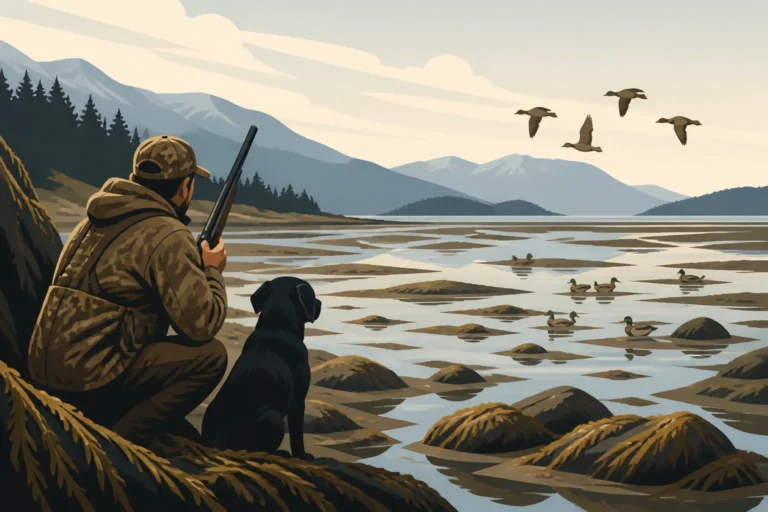
In the spring, after emerging from their dens, bears are drawn to fresh green growth. This means targeting open areas like avalanche chutes, clearcut edges that are growing in, or coastal estuaries where new grasses and sedges emerge early. Hunting Bears on a Coastal Estuary in May can be incredibly productive, often involving glassing from a boat or a concealed vantage point at low tide, watching for bears to emerge and graze on the nutrient-rich vegetation. Road hunting (from legal vantage points, respecting shooting-from-road laws) along active or recently deactivated logging roads can also be effective, as bears often feed on the new growth along these corridors.
In the fall, their focus shifts to berries – huckleberries, salmonberries, and blueberries – and the critical salmon runs. Look for bears on brushy slopes laden with berries, especially those with good escape cover nearby. Later in the fall, bears will congregate around salmon-spawning streams. This can be an exciting but also potentially dangerous time to hunt, as large numbers of bears are focused on feeding. Stealth and a keen eye for fresh sign (tracks, scat, overturned rocks from foraging) are key. Always prioritize Bear Safety While Hunting in British Columbia, especially in areas with high bear concentrations, and carry bear spray in an accessible holster.
Essential Gear and Safety in North Island Wilderness
The rugged, wet, and often remote nature of North Island hunting means that your gear choices and safety protocols are absolutely paramount. This isn't the place to skimp on essentials.
Recommended Gear for Coastal Hunting
Your gear needs to be robust, reliable, and capable of keeping you comfortable in persistent wet conditions.
- Clothing: Forget denim or cotton. Invest in high-quality wool or synthetic base layers, fleece mid-layers, and a top-tier waterproof/breathable outer shell (jacket and pants). You'll sweat hiking in, then cool down when you stop, so layering is crucial for regulating body temperature. A waterproof hat with a brim is also a game-changer for keeping rain off your face and optics.
- Footwear: Sturdy, waterproof boots with excellent ankle support are non-negotiable. The terrain is often slippery, uneven, and riddled with hidden obstacles. You'll be crossing creeks, scrambling over blowdowns, and sinking into muddy depressions. Gaiters are highly recommended to keep debris and water out of your boots.
- Navigation: While you might get intermittent cell service near Port Hardy itself, expect absolutely no service once you head into the bush. A dedicated GPS unit or a reliable mapping app on your phone (like onX Hunt, with offline maps downloaded) is essential. Carry a physical map and compass as a backup, and know how to use them. A satellite communication device, such as a Garmin InReach or Spot device, is arguably the most critical piece of safety gear for remote hunts. This allows you to send and receive messages, check weather, and trigger an SOS in an emergency, even when you're far beyond cell coverage. Satellite Communication on a Remote Hunt can be a literal lifesaver.
- Optics: Binoculars (8x or 10x) are useful for picking apart clearcuts and assessing distant game, even in dense cover. A rangefinder is always helpful.
- Emergency Gear: Beyond your satellite messenger, pack a well-stocked first-aid kit, fire-starting materials (waterproof matches, lighter, fire starter), a headlamp with spare batteries, emergency shelter (a lightweight tarp or bivy sack), extra food, and plenty of water or a water filter.
Planning for the Unexpected
The North Island wilderness around Port Hardy demands a high degree of self-sufficiency and meticulous planning. Being prepared for the unexpected isn't just a good idea; it's a necessity.
Before you leave, always inform someone of your detailed hunting plans: your specific route, intended hunting area, expected return time, and who to contact if you don't check in. This simple step can be critical for search and rescue efforts if something goes wrong. Understand the potential hazards of the area – beyond bears, there's treacherous terrain, unpredictable weather, and the sheer isolation. Carry a basic repair kit for your vehicle or ATV if you're using one for access, and know how to change a tire or make minor repairs.
Familiarize yourself with basic wilderness first aid. What would you do if you or a hunting partner sustained a sprained ankle, a deep cut, or became hypothermic? Having a plan and the necessary supplies can make a huge difference while you await help. Think through various "what if" scenarios, from getting lost to encountering an aggressive animal, and mentally rehearse your responses. Emergency Planning in British Columbia's Backcountry isn't about being paranoid; it's about being responsible and respecting the power of the wild.
By combining thorough preparation with a deep understanding of the unique coastal environment, your hunt around Port Hardy can be an incredibly rewarding experience, connecting you with the raw beauty and challenging pursuit of British Columbia's North Island.
| Aspect of Hunt | Black-Tailed Deer Hunting | Black Bear Hunting |
|---|---|---|
| Primary Challenge | Elusive in dense cover, navigating thick brush. | Locating feeding areas, bear safety, identifying sex. |
| Key Tactics | Still-hunting, reading sign, focusing on clearcut edges, old roads, natural benches. | Glassing clearcuts/estuaries (spring), berry patches/salmon streams (fall), patience. |
| Best Seasons | Early archery through general rifle seasons (fall). | Spring (May-June) and Fall (Sept-Oct). |
| Terrain Focus | Second-growth timber, regeneration areas, creek bottoms, ridge lines. | Openings (clearcuts, avalanche chutes), estuaries, river banks, berry-laden slopes. |
| Essential Gear | Quiet layers, good optics, reliable GPS/mapping. | Bear spray, powerful binoculars/spotting scope, good boots. |
| Considerations | Patience is paramount; blacktail are masters of concealment. | Constant awareness of surroundings; proper bear identification is crucial. |
Disclaimer
This article is for general informational purposes only and does not constitute professional advice. Laws, prices and regulations vary by location and change over time. Consult a qualified professional for guidance on your specific situation.