Hunting the Okanagan Highlands
Hunting in the Okanagan Highlands can feel like trying to solve a complex puzzle, with its beautiful but often challenging mix of open grasslands, dense timber, and the ever-present question of public versus private land. Many hunters feel overwhelmed trying to pinpoint where to go and what to expect in this diverse landscape. This comprehensive guide aims to demystify hunting in the Okanagan Highlands, offering practical advice and strategies to help you navigate its unique terrain and increase your chances of a successful hunt.
Understanding the Okanagan Highlands Landscape
The Okanagan Highlands are a truly distinct part of British Columbia, offering a hunting experience unlike anywhere else in the province. It's a land of contrasts, where rolling hills give way to steep canyons, and arid sagebrush flats meet lush pockets of timber. This isn't your coastal rainforest, nor is it the high alpine of the northern Rockies. It demands a specific approach and a deep appreciation for its nuanced environment.
The Unique Ecology and Terrain
When you first drive into the Okanagan Highlands, you'll immediately notice the mosaic of ecosystems. You'll pass through extensive ranchlands, often bordered by ponderosa pine and Douglas fir forests. Higher up, as you gain elevation, these give way to aspen groves and spruce, and even pockets of subalpine fir. The terrain itself ranges from gently rolling benchlands, perfect for glassing, to rugged, timbered draws that hide game incredibly well. Interspersed throughout are small lakes, creeks, and wetlands, providing crucial water sources in an otherwise dry landscape. This varied terrain means you need to be versatile in your hunting methods, prepared for everything from long-range glassing to tight-quarters still-hunting. The patchwork of cover and open ground also dictates how animals move and where they prefer to bed, especially during the heat of the day or when facing hunting pressure.
Weather Patterns and Their Impact on Game
The weather in the Okanagan Highlands can be a significant factor, and it often catches new hunters by surprise. Summers are notoriously hot and dry, making early season hunts challenging as game will be much more nocturnal and tied to water sources. You'll find yourself needing to adapt your strategy, focusing on dawn and dusk, and scouting shaded north-facing slopes or timbered bottoms where animals can escape the heat. As fall progresses, the weather typically cools, but it can still swing wildly. Warm, sunny days can quickly turn to cold, wet, or even snowy conditions, especially at higher elevations. This variability means packing layers is crucial, and being prepared for rain, snow, or even sudden temperature drops is paramount. These weather shifts, particularly the first significant snowfall, can trigger major game movements, pushing animals down from higher elevations into more sheltered winter ranges or concentrating them in specific feeding areas, which can be a real game-changer for hunters who pay attention. Why Interior Game Moves With the Snow Line is a concept you'll quickly become familiar with here.
Prime Species and Where to Find Them
The Okanagan Highlands are renowned for several key species that draw hunters from all over. Each animal utilizes the diverse landscape in its own way, and understanding these patterns is vital for a successful hunt. You're not going to find moose or caribou here, but for mule deer, bears, and birds, it's a fantastic region.
Mule Deer on the Benchlands and Draws
Mule deer are undeniably the kings of the Okanagan Highlands for many hunters. These are often big-bodied deer, and the landscape is perfectly suited for them. You'll typically find mule deer frequenting the transitional zones – those areas where the open sagebrush and grassland benches meet the scattered timber. In the early morning and late evening, they'll often be out feeding on the open slopes, taking advantage of the nutritious forage. As the sun climbs and temperatures rise, they'll often retreat into the cooler, denser timber of the draws and north-facing slopes to bed down. Learning to Glassing an Interior Hillside for Mule Deer effectively is your number one tool here. Pay close attention to the small draws, the edges of recent burns, and even the shadows cast by sparse timber. During the rut, which typically peaks in November, bucks will become much more active, ranging across larger areas in search of does. Understanding the British Columbia mule deer season dates by region will help you plan your hunt to coincide with these critical periods of activity. They are truly masters of using the topography to their advantage, making them a challenging but rewarding quarry.
Black Bears and Their Habitat Preferences
Black bears are another prominent species in the Okanagan Highlands, offering fantastic hunting opportunities, especially in spring and fall. These bears thrive in the mix of timbered slopes, berry patches, and river bottoms that characterize the region. In spring, as they emerge from their dens, they'll often be found foraging on green-up – the first flush of new grass and plants on south-facing slopes, avalanche chutes, and logging road edges. Later in the summer and into fall, their diet shifts dramatically, and they become highly concentrated around berry patches (huckleberries, saskatoons, cranberries) and any areas with abundant mast crops like acorns, if present. Black Bear Hunting British Columbia's Spring can be particularly fruitful if you know where to look for these early food sources. Rivers and larger creek systems also provide important corridors and food sources for bears throughout the year, especially if salmon or other fish runs are present. When hunting bears, remember their incredible sense of smell and their preference for areas with dense cover close by for quick escape.
Upland Birds in the Aspen and Fir Pockets
For those who enjoy a more active, walk-and-stalk style of hunting, the Okanagan Highlands offers excellent opportunities for upland birds. Ruffed grouse and blue grouse (now often referred to as dusky or sooty grouse depending on subspecies) are common here. Ruffed grouse, with their distinctive drumming, are often found in riparian zones, alder bottoms, and mixed deciduous-conifer stands, particularly around aspen groves and creek beds. You'll find them holding tight in this cover, making for exciting flushes as you walk through. Blue grouse, on the other hand, tend to prefer higher, drier slopes dominated by Douglas fir and ponderosa pine, moving up into the alpine during late summer and fall. British Columbia's Grouse Species are diverse, and the Highlands offer a chance at several. Knowing the subtle differences in their preferred habitats will significantly increase your success. Chukar and California quail can also be found in specific, localized areas, typically on the drier, rockier hillsides and canyons. A good bird dog can be an invaluable asset for these hunts, helping to locate and retrieve birds in often dense cover.
Navigating Access and Regulations
Hunting in the Okanagan Highlands, like much of British Columbia, requires a solid understanding of land ownership and hunting regulations. It's not always straightforward, and what looks like prime hunting ground on a map might actually be private land or a special management area. Failing to do your homework here can lead to frustrating encounters or, worse, legal trouble.
Public vs. Private Land Challenges
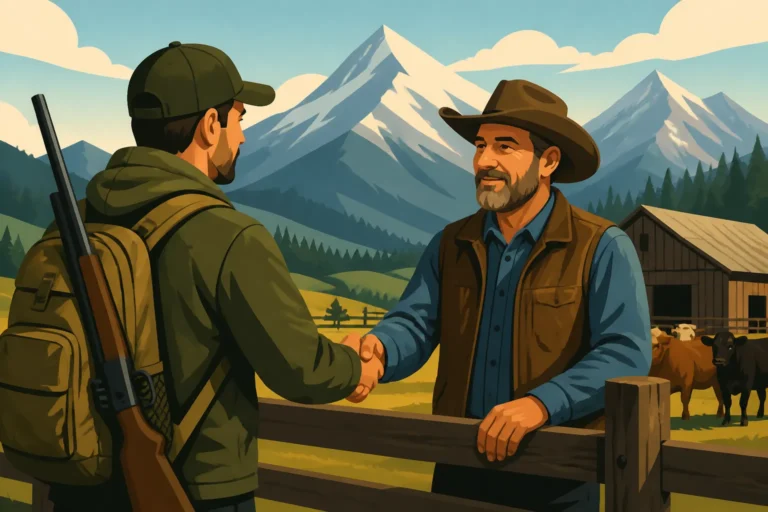
One of the biggest hurdles for hunters in the Okanagan Highlands is distinguishing between public (Crown) land and private property. Large portions of the lower elevations are privately owned, often by ranchers or forestry companies. While much of British Columbia is Public Hunting Land in British Columbia, these areas are often fragmented, with private parcels intermingled with Crown land. It’s absolutely critical to know precisely where you are at all times. This is where tools like onX Hunt truly shine. Using a reliable mapping app like onX Hunt on your phone or GPS device allows you to clearly see property boundaries, helping you avoid accidental trespass. You can download maps for offline use, which is essential as cell service can be spotty to non-existent in many remote areas. Without it, you might spend hours scouting what you think is open country, only to find a "No Trespassing" sign at the crucial moment. Always carry physical maps as a backup, too. Being respectful of private land and seeking permission when necessary not only keeps you out of trouble but also helps maintain a positive image for all hunters.
Key Management Units and Specific Regulations
The Okanagan Highlands fall within a few key Management Units (MUs) and regions, each with its own set of specific regulations, bag limits, and season dates. It's not enough to just know the provincial rules; you need to delve into the nuances of the particular MU you plan to hunt. For example, some units might have antler point restrictions for mule deer, or specific season closures for certain species. Before you even pack your truck, head over to the BC Hunting and Trapping Regulations Synopsis and meticulously study the MUs you're interested in. Online resources from brands like GoHunt can also offer valuable insights into specific unit characteristics, drawing odds (if applicable for LEH zones that border or encompass parts of the Highlands), and even historical harvest data, helping you to refine your choice of hunting grounds. Understanding the British Columbia's Management Units and Regions is foundational to any successful hunt in this province. Always double-check regulations for your chosen unit, as they can sometimes change between regulatory cycles.
| Species | Typical Habitat in Okanagan Highlands | Key Considerations for Hunters |
|---|---|---|
| Mule Deer | Benchlands, draws, timber edges | Focus on early morning/late evening, glassing, rut in November. Check antler point restrictions. |
| Black Bear | Timbered slopes, berry patches, creek bottoms | Spring (green-up), Fall (berries). Watch for sign, consider prevailing winds. |
| Ruffed Grouse | Riparian zones, aspen groves, dense cover | Still-hunting, walking logging roads and creek beds. Listen for drumming. |
| Blue Grouse | Higher slopes, Douglas fir, subalpine fir | Focus on higher elevation timber, often found on south-facing slopes. |
| Coyote | Open grasslands, forest edges | Calling techniques effective, especially in open country. No closed season. |
Strategies for Success in the Highlands
Hunting the Okanagan Highlands is a blend of patience, persistence, and strategic planning. The terrain, combined with variable game behavior, means you can't just rely on one trick. You need a full arsenal of tactics to maximize your chances.
Spot-and-Stalk Techniques for Open Terrain
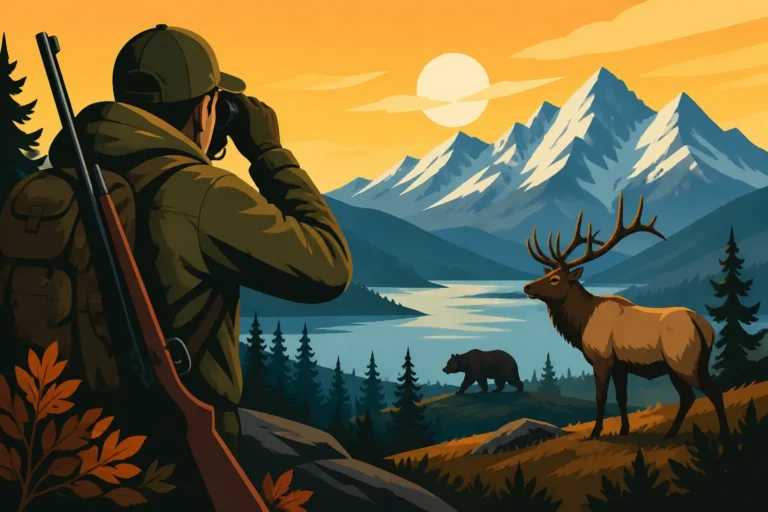
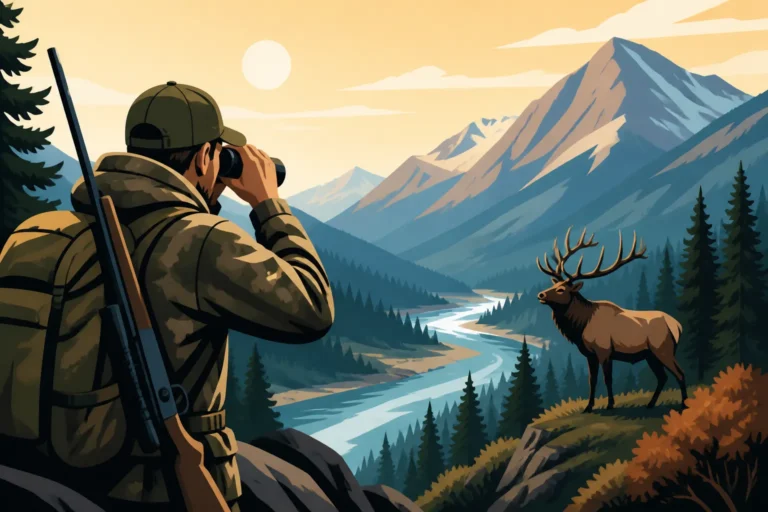
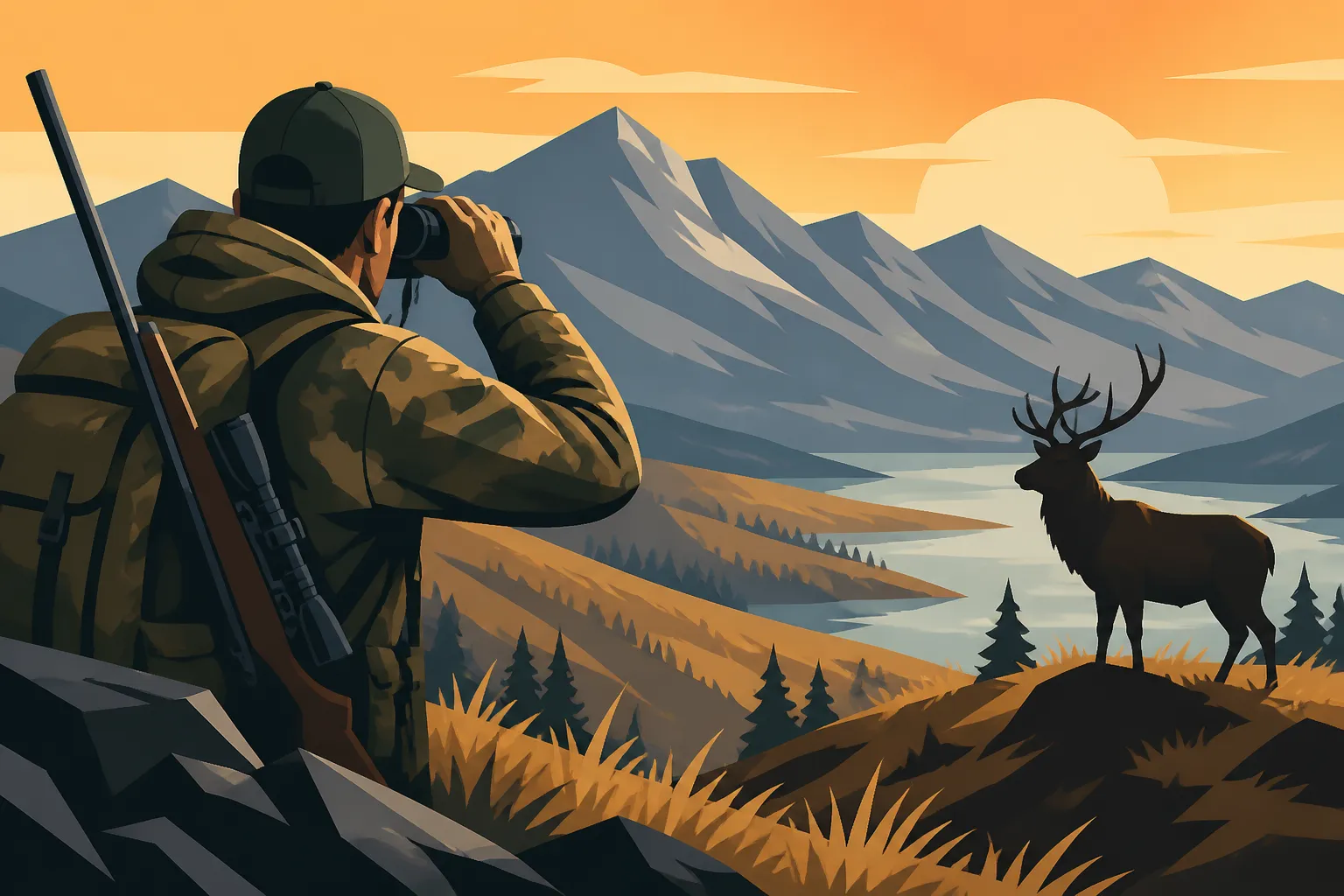
Given the expansive views and often open nature of the Okanagan Highlands, spot-and-stalk is a hugely effective method, especially for mule deer and even bears. This isn't a place for crashing through the bush. Instead, you'll want to find a high vantage point – a knoll, a ridge, or a bluffy outcrop – and spend significant time glassing. Quality optics are non-negotiable here. A good set of binoculars (10x or 12x) and a spotting scope can help you pick apart distant hillsides and timber edges, looking for the tell-tale flicker of an ear, a patch of hide, or the outline of an antler. Patience is key; often, it's not the first scan that reveals the animal, but the tenth. Once an animal is spotted, the real chess match begins: planning your approach. You need to consider wind direction, available cover, and the animal's potential escape routes. This often involves long, deliberate stalks, using every dip and rise in the terrain to stay hidden. Remember, onX Hunt can also aid in planning your stalk by showing topography and potential blind spots. Learning to move slowly and quietly, taking one careful step at a time, is paramount. Spot-and-Stalk Mule Deer in British Columbia is a skill you'll hone quickly in this environment.
Timing Your Hunt with Game Movement
Understanding game movement patterns is critical in the Okanagan Highlands. Animals here are highly attuned to weather, food availability, and hunting pressure. For example, during the warm early seasons, deer might be most active at dawn and dusk, retreating to shaded, cooler areas during the heat of the day. This means your prime hunting windows are often shorter, requiring intense focus during those specific times. As the seasons progress and temperatures drop, particularly with the first snow, game might start to move more freely throughout the day. The rut for mule deer, typically late October into November, is another prime time, as bucks are far less cautious and more focused on breeding. Hunting British Columbia's October Rifle Opener can be a fantastic time for mule deer as they begin to transition. For bears, knowing when different berry crops are ripe can help you pinpoint feeding areas. Scouting is invaluable – look for tracks, scat, rub lines, and feeding sign to understand where animals are moving and feeding. Pay attention to how game react to different types of pressure; often, a little bit of quiet walking can push animals into an area where a waiting partner is set up.
Disclaimer
This article is for general informational purposes only and does not constitute professional advice. Laws, prices and regulations vary by location and change over time. Consult a qualified professional for guidance on your specific situation.