Trail Camera Rules in British Columbia
The world of British Columbia hunting is full of specific regulations, and it's easy to get caught up wondering about the legality and ethics of modern tools like trail cameras. Many hunters find themselves scratching their heads, unsure if their favourite scouting gadget is allowed in the specific areas they hunt, or if they're inadvertently breaking some unwritten rule. This guide aims to clear up the confusion surrounding trail camera use in BC, providing you with a clear understanding of the current landscape, ethical considerations, and best practices so you can scout confidently and legally.
Current Regulations and the "Spirit" of the Law
When it comes to trail cameras in British Columbia, it’s not as simple as flipping to a page in the hunting synopsis with a clear "yes" or "no" answer. Unlike some jurisdictions that have specific, detailed legislation on these devices, BC's approach often relies on interpreting existing regulations, particularly those concerning baiting and harassment, and applying a strong dose of ethical judgment. This can be frustrating for hunters who just want straightforward answers, but it also means there's a greater emphasis on understanding the spirit of the law.
Is It Legal to Use Trail Cameras in BC?
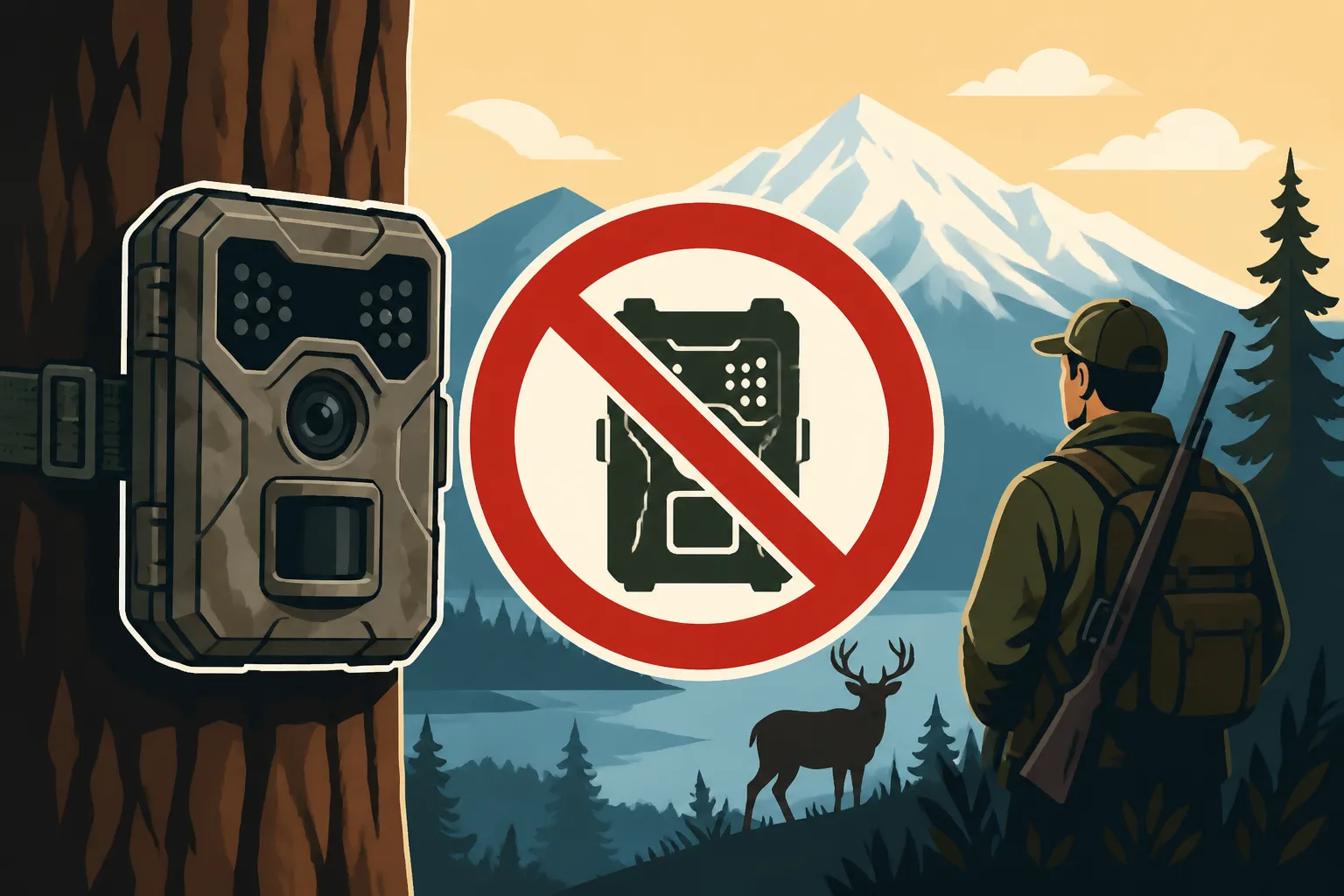
Generally speaking, yes, the physical act of placing a trail camera on Crown land or private land (with permission) is not explicitly prohibited in British Columbia. There isn't a specific provincial statute that says "thou shalt not use a trail camera." This absence of a direct ban often leads hunters to believe they are operating entirely within the bounds of the law, and in many cases, they are. Hunters use these devices as valuable scouting tools, helping them understand game movement patterns, habitat use, and even identify specific animals without constant human presence. It allows us to be less intrusive, which, when done right, can actually be more ethical from an animal disturbance perspective. However, the legality hinges entirely on how and where those cameras are used, and what other activities might be associated with their deployment.
The critical distinction often lies in the line between legitimate scouting and illegal baiting or harassment. For instance, if you're placing a camera to simply observe a game trail or a feeding area that animals are naturally using, that's generally fine. But if you start adding attractants, minerals, or food, then your "trail camera setup" quickly becomes a "baiting station," and that's where you run into serious trouble. The intent behind your camera placement is key, and conservation officers are well-versed in differentiating between pure observation and deliberate luring.
Key Definitions and Interpretations
To truly understand the nuances, we need to look at how certain terms are defined in BC's hunting regulations and how they might relate to trail camera use. The most pertinent concepts are "baiting" and "harassment."
-
Baiting: This is the big one. British Columbia's hunting regulations are very clear that it is unlawful to "hunt, trap, wound or kill wildlife with the use of bait." While a camera itself isn't used to "hunt" an animal, placing a camera in conjunction with bait could be seen as part of an illegal baiting setup. The definition of bait is broad and includes "any substance that is used to attract wildlife." This means everything from salt licks and corn to molasses blocks and even certain scents could fall under this definition. Many hunters use mapping applications like onX Hunt to scout potential camera locations, checking topography and historical game sign, without introducing anything artificial into the environment. This distinction is crucial. Your trail camera should be there to observe natural behaviour, not create it.
-
Harassment: While less commonly applied directly to static trail cameras, the concept of harassment relates to disturbing wildlife. A trail camera itself, placed discreetly, is unlikely to harass an animal. However, if a camera's flash is constantly startling animals, or if the frequent human visits to check cards are creating undue disturbance, then the activity surrounding the camera could verge on harassment. This is less about the camera and more about the impact of human presence.
It’s about more than just the camera; it's about the entire approach. Are you using the camera to learn about natural animal movements, or are you creating an artificial scenario to get a picture or intel that gives you an unfair advantage? The regulations might not mention "trail cameras" by name, but the underlying principles apply directly.
Ethical Considerations Beyond the Letter of the Law
Even if an action is technically legal, it doesn't always mean it's ethical or in line with fair chase principles. The hunting community often operates on a set of unwritten rules and shared values that go beyond the black and white text of the regulations. Trail cameras, because of their intrusive nature into an animal's natural habitat, bring up several important ethical discussions.
For many, ethical hunting means engaging with wildlife on its terms, using skill, knowledge, and patience to pursue game. Relying heavily on technology to locate specific animals and track their every move can feel like it's tipping the scales too far in the hunter's favour. While a camera can show you a big buck, it doesn't replace the hours spent glassing, tracking, or understanding subtle changes in terrain. There's a fine line between using technology as a scouting aid and letting it do all the heavy lifting.
Another ethical concern revolves around privacy and potential impact on other hunters. If you're placing cameras on public land, remember that it's public land. Other hunters have just as much right to be there, and stumbling upon someone else's camera can feel like an encroachment, even if it's not. Some hunters view widespread trail camera use on public land as a way to "claim" areas or gain an unfair advantage over others who prefer more traditional scouting methods. Good etiquette suggests being mindful of others and their hunting experiences.
Finally, there's the long-term impact on animal behaviour. While a single, static camera might have minimal impact, a proliferation of cameras, especially when combined with frequent human visits, could alter animal movement patterns or habituate them to human presence in ways that aren't beneficial for their long-term wildness. These are ongoing discussions within the hunting community, and as ethical hunters, it's our responsibility to consider these broader implications.
Specific Applications and Scenarios
The context in which you use a trail camera in British Columbia makes a huge difference. What's perfectly acceptable in one situation might be highly problematic in another. Understanding these distinctions is crucial for responsible and legal camera deployment.
Using Cameras on Crown Land
Most of British Columbia is Crown land, open to public use, including hunting. Placing a trail camera on Crown land is generally permissible, provided you adhere to the aforementioned guidelines about baiting and harassment. You're scouting, observing wildlife, and that's an allowed activity. However, there are a few important considerations:
- No Expectation of Privacy: On Crown land, your camera is essentially on public display. It could be found, moved, or even stolen by other users of the land, whether they are hunters, hikers, or ATV riders. While frustrating, there's little recourse for theft if you've left valuable equipment unattended in public access areas.
- Ethical Placement: Think about where you put it. Is it hidden well? Is it pointing towards a game trail or a natural feature, rather than directly at a public trail or recreation site where people might feel uncomfortable being filmed? Even if not illegal, it's a courtesy.
- Minimizing Disturbance: When you visit your cameras, be mindful of your own impact. Try to limit your scent, noise, and visual disturbance. Treat it like you're actively hunting that spot, even if you're just swapping an SD card. You don't want to educate the animals you're trying to observe. Hunters often leverage mapping tools like GoHunt to analyze terrain and plan efficient, low-impact routes to their camera sites, minimizing disturbance to the area.
There are vast tracts of Crown land, often accessed via the British Columbia's Forest Service Road Network, where cameras can be an invaluable tool for understanding game patterns. Just ensure your deployment methods don't mimic baiting.
Private Land and Permission
If you're hunting on private land, the rules shift considerably. The primary concern here is trespass. You absolutely cannot place a trail camera on private property without explicit permission from the landowner. Doing so is a clear act of trespass, and it can lead to legal penalties and severe damage to hunter-landowner relations.
If you have permission to hunt on private land, then you generally have the right to place cameras there, subject to any specific conditions the landowner might impose. Always have a clear discussion with the landowner about your intentions, where you plan to place cameras, and how often you'll be checking them. This builds trust and ensures you're both on the same page. Some landowners might welcome the extra eyes on their property, while others might prefer no cameras. Always respect their wishes. British Columbia Trespass and Private Land Law is quite clear on this, and breaking that trust can shut down access for all hunters.
Table: Trail Camera Use by Land Type in British Columbia
| Feature/Aspect | Crown Land (Public) | Private Land (With Permission) | Private Land (No Permission) |
|---|---|---|---|
| Legality | Generally permissible, if not used for baiting/harassment | Permissible with landowner's express consent | Illegal Trespass |
| Baiting Rules | Strictly prohibited (provincial regulation) | Strictly prohibited (provincial regulation) | N/A (cannot place camera) |
| Privacy | No expectation; camera may be found/stolen | Owner's discretion; generally more private | N/A (cannot place camera) |
| Ethical Duty | Respect other users, minimize disturbance, fair chase | Respect landowner's wishes, maintain good relations | N/A |
| Retrieval of Camera | Risk of loss if found by others | Subject to landowner's agreement | Potential legal action if found by owner |
| Recommended Action | Scout natural game features, hide cameras well | Discuss placement with landowner, get written permission | Do not place cameras |
Impact on Different Game Species
While the rules apply broadly, the impact of trail cameras can vary depending on the species you're targeting.
- Deer (Mule Deer, Blacktail, Whitetail): Deer are often the most common target for trail cameras. They are generally curious and can become accustomed to cameras relatively quickly if there's no associated human pressure or perceived threat. Cameras are fantastic for identifying specific bucks, understanding their nocturnal patterns, and pinpointing when the When British Columbia's Mule Deer Rut Peaks or When the Blacktail Rut Peaks is starting in your area.
- Moose: Moose are large and generally less wary than deer, though they can be quite sensitive to human disturbance in certain areas. Cameras can reveal their travel corridors, bedding areas, and wallows. When Calling Moose in the Rut, a camera might confirm bull activity, but again, ensure no attractants are used.
- Bears (Black Bears): Bears are incredibly scent-driven. Placing a camera near natural bear feeding areas, like berry patches in the fall or green-ups in spring, is common. However, the strong scent of human presence during camera checks can be a big factor. It's crucial not to inadvertently create an attractant by leaving food wrappers or spilling anything edible near the camera. The issue of Bear Safety While Hunting in British Columbia is always paramount.
- Elk: Elk are social animals that move in herds, and cameras can help locate these groups, particularly during the rut when bulls are vocal. They can be very sensitive to pressure, so discreet camera checks are vital. Understanding When British Columbia's Elk Rut Peaks can be greatly aided by camera intel.
- Sheep and Goats: These mountain species typically inhabit remote, rugged terrain where camera placement can be incredibly challenging and often impractical. The sheer effort to get a camera into high alpine basins means they are less commonly used for these species, though certainly not prohibited where feasible.
In all cases, the principle remains: use cameras to observe natural behaviour, not to influence it with bait.
Practical Considerations and Best Practices
Beyond legality and ethics, there are practical aspects to using trail cameras in British Columbia's diverse and sometimes challenging environment. Addressing these can save you headaches and ensure your cameras provide valuable insights without causing problems.
Minimizing Disturbance and "Baiting" Concerns
The number one practical rule for trail camera users in BC should be: leave no trace, leave no attractant.
- No Bait, Period: We can't stress this enough. Even "natural" attractants like mineral blocks, apples, or corn are considered bait under BC regulations if used to attract wildlife for hunting purposes. If you want to use a camera, find a natural game trail, a water source, a rub line, or a scrape.
- Scent Control: Animals, especially deer and bears, are incredibly sensitive to human scent. Wear clean clothes, gloves, and consider using scent-eliminating sprays when deploying or checking cameras. The less human odour you leave behind, the more natural the area will remain for wildlife.
- Access Routes: Plan your access to camera sites carefully. Use routes that are less likely to disturb the game you're trying to observe. If a camera is near a primary game trail, approach from downwind and off to the side to minimize your impact. Consider the Hunting British Columbia's Logging Road Network for easier access to some areas, but be mindful of associated human traffic.
- Frequency of Checks: How often are you checking your cameras? Every few days, or once a month? The more frequently you visit, the more disturbance you create. Newer cellular-enabled cameras, which transmit images remotely, significantly reduce the need for physical visits, thus lowering human impact. This is where tools like onX Hunt can help you mark camera locations and plan your visits efficiently.
Data Management and Privacy
Trail cameras capture a lot of data, and managing it responsibly is part of being a good outdoor citizen.
- Image Review: Regularly review your images and videos. Delete anything sensitive, especially if it inadvertently captures other people. While you have no expectation of privacy on Crown land, sharing images of other recreationists without their consent is generally frowned upon.
- Storage and Backup: SD cards can fail, and cameras can be stolen. Always back up your valuable footage. Cloud storage or external hard drives are excellent ways to keep your intel safe.
- Privacy Settings (if applicable): Some cellular cameras offer privacy settings or allow you to blur human faces. Utilize these if you're concerned about capturing other users on public land.
- Respectful Sharing: When sharing your trail camera photos online, be mindful of revealing sensitive location details. "Honey holes" are often guarded secrets for a reason, and over-sharing can lead to overcrowding and conflict.
Theft and Security Issues
Unfortunately, theft of trail cameras is a real concern, especially on easily accessible public lands. These devices aren't cheap, and losing one can be a major blow.
- Discreet Placement: Hide your cameras as best you can. Use natural cover like thick bushes or behind trees. Consider camouflaged models that blend into the environment.
- Locking Mechanisms: Many cameras come with security boxes or cable locks that can deter casual theft. While nothing is foolproof, these can make your camera harder to grab and run with.
- Consider Cellular Cameras: While more expensive, cellular cameras offer the benefit of transmitting images directly to your phone. If the camera is stolen, at least you have the images it captured before it was taken. Many advanced models available through brands like GoHunt integrate cellular capabilities seamlessly.
- Location Choice: Weigh the risk versus reward. A camera placed deep in the backcountry on a rarely used game trail is less likely to be stolen than one along a busy logging road. Sometimes, the best security is isolation.
- Engraving/Marking: Engrave your contact information (phone number or FWID) on your camera. If it's found or recovered, it might be returned. While not a deterrent, it helps with recovery.
Future Outlook and Potential Changes
The discussion around trail cameras in hunting is dynamic, and regulations are often slow to catch up with technological advancements. What's allowed today might be restricted tomorrow, or new guidelines might emerge as technology evolves.
The Evolving Debate Around Trail Cameras
The debate over trail cameras in hunting is multifaceted and continues to evolve. On one side, proponents highlight the benefits: increased scouting efficiency, reduced human disturbance in prime habitat, a better understanding of animal populations and individual animals, and even an aid in anti-poaching efforts. For many, it's simply a modern scouting tool, no different than binoculars or a rangefinder.
On the other side, critics voice concerns about fair chase, the "automation" of hunting, potential for increased pressure on specific animals (especially trophy animals), and the ethical implications of constantly monitoring wildlife. There are also growing concerns about public perception and the image of hunting, especially if cameras are perceived as overly intrusive or commercial. This is why it's vital for hunters to stay informed, participate in discussions, and act as responsible stewards of the resource.
How Hunter Conduct Influences Regulations
It's a simple truth: how hunters conduct themselves directly influences how regulations are shaped. If a majority of hunters use trail cameras responsibly, ethically, and in line with the spirit of fair chase, there's less pressure for heavy-handed regulation. However, if there are widespread instances of baiting associated with cameras, or if hunters are found to be harassing wildlife or infringing on others' privacy, then calls for stricter rules become louder and more justified.
The hunting community in British Columbia is generally self-policing, and advocating for responsible use, sharing best practices, and reporting illegal activity are all ways to help maintain the privilege of using these tools. Being accountable for our actions ensures that future generations can enjoy the same freedoms. Issues like Getting a Moose Out on a British Columbia River or Packing Out of British Columbia's Steep Country are challenging enough without adding regulatory confusion to the mix.
Staying Informed About Potential Changes
Because explicit trail camera regulations in BC are currently limited, it's more important than ever to stay informed about potential changes or emerging interpretations.
- Review the Annual Regulations Synopsis: While specific trail camera rules might not be prominent, the British Columbia's Two-Year Regulations Synopsis is always the first place to check for any updates to baiting, harassment, or general hunting methods. Pay close attention to the General Regulations section.
- Follow Official Sources: Keep an eye on announcements from the BC Ministry of Forests, Lands, Natural Resource Operations and Rural Development (FLNRORD) and other official provincial wildlife management bodies.
- Engage with Hunting Organizations: Provincial hunting and conservation organizations often monitor these discussions and advocate on behalf of hunters. Becoming a member or following their updates can keep you in the loop.
- Stay Local: Sometimes, local management units or specific wildlife management areas might have particular rules or restrictions that aren't broadly provincial. Always Scouting a British Columbia Management Unit Online and checking for any local advisories is a good practice. Never assume. Don't be caught off guard and face penalties that can result from What Happens If You Report Late or other violations.
Using trail cameras in British Columbia can be a rewarding way to enhance your scouting and learn more about the wildlife in your hunting areas. By understanding the current regulatory landscape, adhering to ethical principles, and practicing responsible deployment, you can ensure these valuable tools remain part of your hunting kit for years to come.
Disclaimer
This article is for general informational purposes only and does not constitute professional advice. Laws, prices and regulations vary by location and change over time. Consult a qualified professional for guidance on your specific situation.