How Much of British Columbia Is Crown Land
One of the biggest anxieties for hunters, especially those new to British Columbia or those planning a trip from out of province, is figuring out where they can actually hunt. There's a common misconception that prime hunting spots are all locked up on private land or within exclusive territories. This guide is here to shed light on the reality of British Columbia's vast Crown land, explaining what it is, how much of it is out there, and crucially, how you can access it for your hunting adventures.
Understanding British Columbia's Crown Land
For anyone who loves the outdoors, particularly hunting, understanding the concept of Crown land in British Columbia is absolutely fundamental. It's the backbone of public access and opportunity in this province.
What Exactly is Crown Land?
At its simplest, Crown land refers to public land owned by the provincial government, held "in right of the Crown" for the benefit of all citizens. Think of it as land that isn't privately owned by individuals, corporations, or specific Indigenous communities (though Indigenous rights on Crown land are a complex and important topic unto themselves). Historically, this goes back to British colonial law, where vast tracts of undeveloped land were deemed property of the sovereign. Over time, as Canada became independent, these lands transitioned to provincial or federal control.
In British Columbia, the vast majority of land is indeed Crown land. This distinction is crucial because it generally means that, unless otherwise specified by specific regulations or land designations, you have the right to access and use this land for various recreational purposes, including hunting. This is in stark contrast to private land, where permission from the landowner is always required before you can step foot on it, let alone hunt. Knowing this difference is your first step to being a confident and legal hunter here.
The Sheer Scale of British Columbia's Public Domain
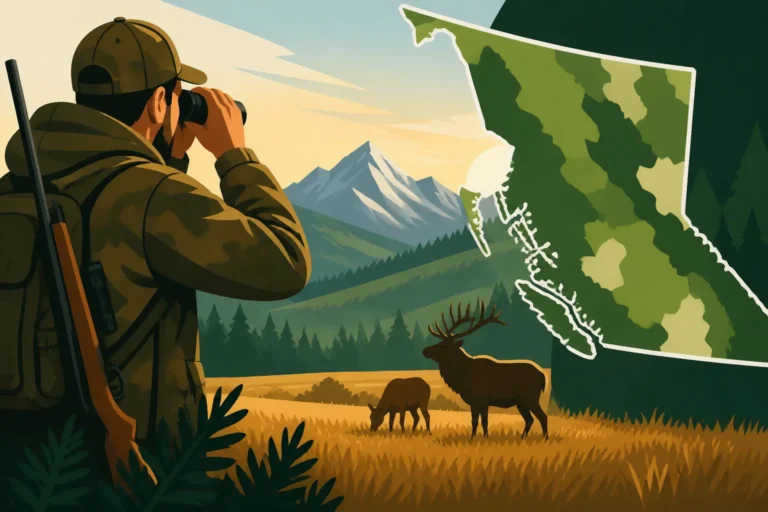
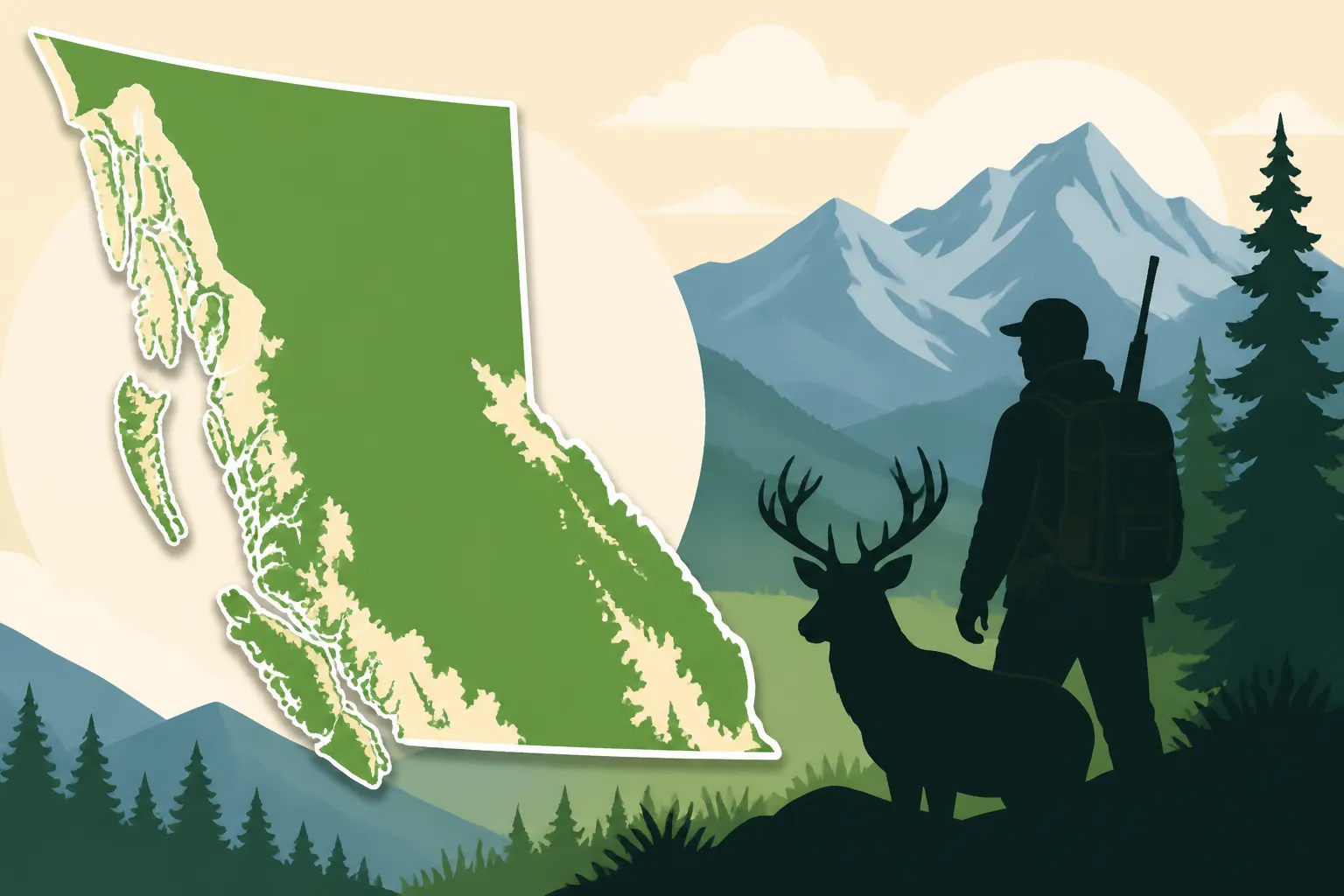
When we talk about the amount of Crown land in British Columbia, we're talking about truly immense proportions. This province is enormous, and the vast majority of its land base falls under the "Crown land" designation. We're talking percentages that are well into the high 80s or even 90s, depending on how specific boundaries and private holdings (like municipalities or agricultural zones) are calculated. This means that for every acre of private farm, city park, or rural residential plot, there are many, many more acres of public forest, mountain, marsh, and tundra available.
This sheer scale has massive geographical implications. It means British Columbia's hunting opportunities aren't limited to small pockets; they stretch across incredibly diverse ecosystems. From the coastal rainforests of Vancouver Island to the dry interior grasslands, the towering peaks of the Rockies, and the expansive northern wilderness, the vast majority of it is Crown land. This incredible public domain offers an unparalleled diversity of hunting experiences, from chasing black-tailed deer in coastal second-growth timber to glassing for mule deer in the Okanagan, or pursuing moose in the far reaches of the Omineca. It’s a land base that few other jurisdictions can rival, and it's what makes hunting in British Columbia so special.
Why Crown Land is Crucial for Hunters
For the hunting community, Crown land isn't just a convenience; it's an absolute necessity. It ensures that hunting remains an accessible pursuit for residents, not just those with deep pockets to buy private acreage or pay for exclusive leases. This broad access fosters a healthier hunting culture, where individuals are encouraged to connect with the land, develop outdoor skills, and contribute to conservation efforts. Without extensive Crown land, hunting would be largely confined to highly managed, expensive private properties, fundamentally changing its character.
Furthermore, the sheer size of British Columbia's Crown land allows for a wide range of hunting styles and experiences. You can find easily accessible areas just off major roads, or you can push deep into the backcountry for truly remote wilderness hunts. This variety helps distribute hunting pressure, making it possible to find solitude and challenging hunts even in a well-populated province. It also provides the space necessary for large migratory game herds to thrive, moving across vast landscapes that aren't fragmented by fences and "No Trespassing" signs. It puts the onus on hunters to understand the regulations and respect the land, but it grants them an incredible privilege: the freedom to explore and hunt on an almost unimaginable scale. This public access is why organizations like the British Columbia Wildlife Federation advocate so strongly for its preservation and responsible management.
Navigating Access and Restrictions on Crown Land
While the vast majority of British Columbia is Crown land, simply knowing that isn't enough. You still need to understand how to legally and ethically navigate it, especially when it comes to access roads and property boundaries.
General Open Seasons and Crown Land
The beauty of British Columbia's hunting regulations is that for many species, particularly during "General Open Seasons," the default assumption is that you can hunt on Crown land, provided you are within the correct Management Unit (MU) and adhere to all other rules. These General Open Seasons are the bread and butter for many resident hunters, offering opportunities for deer, bear, and various game birds across wide swathes of the province. You just need to possess the proper licences and tags, check the specific season dates for your chosen MU, and be aware of any weapon restrictions or antler point requirements.
Each MU has its own specific regulations, outlining what species can be hunted, when, and by what method. Knowing How Management Unit Numbers Work and understanding the boundaries of your chosen MU is paramount. When planning a hunt, it's not enough to know you're on Crown land; you must also confirm that your target species is in season for that specific MU. For example, a black bear season might be open in one MU but closed in an adjacent one. The provincial regulations synopsis is your essential guide for this, providing the detailed information you need to make sure your Crown land hunt is completely legal and ethical.
Roads, Gates, and Deactivated Areas
Accessing British Columbia's vast Crown land often relies heavily on the extensive network of Forest Service Roads (FSRs). These gravel roads, built primarily for forestry operations, crisscross the province, opening up vast tracts of country to hunters, campers, and other recreational users. For many, a truck and a willingness to drive gravel are the primary tools for reaching hunting grounds. Understanding how to interpret maps that show these roads and knowing their current status is key for hunters.
However, it's not always smooth sailing. Many FSRs, particularly those leading to more remote areas, can be seasonal, heavily overgrown, or even permanently "deactivated." Deactivated roads are often intentionally made impassable for vehicles, sometimes by removing culverts, digging ditches, or placing large barriers. This can be frustrating, as what looks like a promising road on a map might turn into a significant hike or an impassable barrier. Furthermore, active logging operations can lead to temporary gates and closures for safety reasons. You might find a road that was open last year is now gated, or that specific Finding Open Forest Roads in British Columbia can become a challenge. This is where up-to-date mapping tools and local knowledge become invaluable, helping you differentiate between open access and areas that require a foot-based approach.
Private Inholdings and Boundary Awareness
Despite the dominance of Crown land, it's not always a continuous, unbroken expanse. British Columbia's landscape is often a mosaic of Crown land interspersed with private parcels. These private inholdings can range from large ranch properties and privately owned forest land to small residential lots, mining claims, or First Nations reserves. This "checkerboard" pattern, especially in more settled regions or areas with historical resource extraction, makes careful navigation and boundary awareness absolutely essential for hunters.
The responsibility to know where you are at all times and avoid trespassing falls squarely on the hunter. Straying onto private land, even unintentionally, can lead to fines, loss of hunting privileges, and damage to the public image of hunters. This is where modern mapping technology truly shines. Services like onX Hunt and GoHunt provide highly detailed satellite imagery layered with property boundaries, clearly delineating Crown land from private parcels. Using these tools in conjunction with traditional maps and GPS ensures you know exactly where you stand. Always double-check before entering an area you're unsure about. Remember, British Columbia Trespass and Private Land Law is clear: you need permission to be on private property, even if it's not posted.
Finding and Utilizing Crown Land for Your Hunt
Knowing that British Columbia has vast amounts of Crown land is one thing; actually finding and effectively using it for your hunt is another. It requires a bit of research and the right tools.
Mapping Tools and Technology
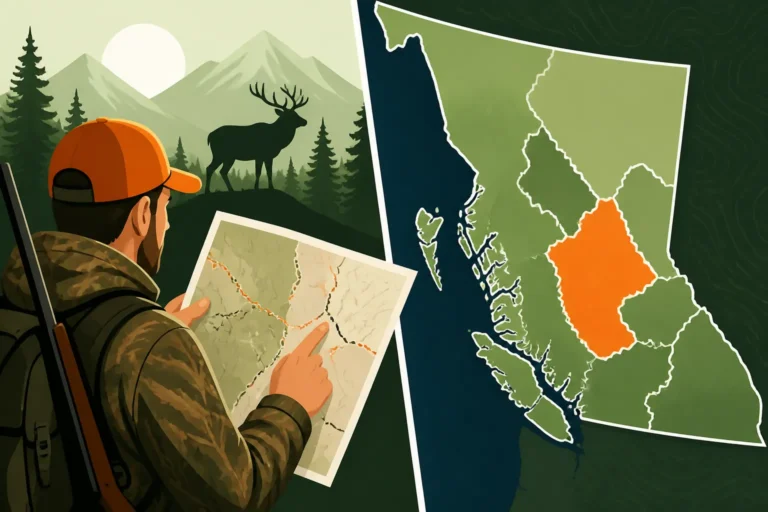
In today's hunting world, digital mapping tools are indispensable, especially when trying to discern Crown land from private holdings in British Columbia's complex landscape. Apps like onX Hunt or even the mapping features available through platforms like GoHunt have revolutionized how hunters navigate. These applications allow you to download offline maps, which is critical given how often cell service disappears in the backcountry. They display property lines, often color-coded to indicate Crown land, private land, and other special designations like parks or Indigenous territories. This immediately gives you a clear visual of where you can legally hunt.
Beyond basic property lines, these apps allow you to overlay other crucial information: topographic lines, satellite imagery, roads (including FSRs, active logging roads, and deactivated routes), and even historical wildfires. This rich layering of data helps you understand the terrain, identify potential access points, and pinpoint areas that might hold game. For instance, you can identify a remote finger of Crown land that bottlenecks between private parcels, or spot an old burn on Crown property that might be holding a lot of feed. Using onX for British Columbia Crown Land or similar tools is no longer a luxury; it's practically a necessity for responsible and effective hunting in this province.
Planning Your Hunt in Crown Land Management Units
Effective hunting on Crown land begins long before you ever step foot in the woods. It starts with meticulous planning, and understanding British Columbia's Management Units (MUs) is a critical part of that. Each MU is essentially a geographical zone with its own specific regulations for different species, and these regulations are directly tied to how you can hunt on the Crown land within them. You might be targeting mule deer, but the seasons and antler restrictions will vary significantly from one MU to the next, even if they're adjacent.
Your first step should always be to consult the provincial hunting regulations synopsis for the current year. This document details all open seasons, bag limits, and specific rules for every MU across the nine hunting regions. Once you have an MU (or a few potential MUs) in mind, you can then dive into more detailed map research. Look at the terrain: are there accessible FSRs, or will you need to plan for a hike-in or even a horseback or jet boat trip? Consider the elevation, vegetation types, and water sources. Are there large tracts of unbroken Crown land, or is it heavily fragmented by private parcels? Scouting a British Columbia Management Unit Online using tools like Google Earth, government land use maps, and your hunting apps will help you identify promising areas, potential pinch points for game, and plan your approach, all while ensuring you stay on public ground.
Respecting the Resource and Other Users
Hunting on Crown land is a privilege, and with that privilege comes a significant responsibility to respect the land, its wildlife, and other users. This means adhering to the principles of "Leave No Trace." Pack out everything you pack in, and then some. Don't leave spent casings, trash, or other debris. Dispose of gut piles well away from water sources and popular trails. Practice ethical shot placement to minimize wounded animals, and properly retrieve and care for your game. The health of the habitat directly impacts the health of game populations, and as hunters, we are stewards of that land.
You'll often encounter other recreational users on Crown land: hikers, mountain bikers, off-road vehicle enthusiasts, campers, and even other hunters. A respectful attitude goes a long way. Be aware of your surroundings, especially if you're hunting near popular trails or recreation sites. If you plan on Camping Rules on British Columbia Crown Land, choose a site that minimizes impact and respects any specific local restrictions. During popular seasons, expect to share the landscape. A friendly wave and a courteous approach foster a positive image for hunters and help ensure continued access for everyone who enjoys British Columbia's incredible public lands.
Common Misconceptions and Realities of Crown Land Hunting
Even with its vastness, Crown land in British Columbia isn't a free-for-all. There are important nuances and distinctions that hunters often misunderstand, which can lead to frustration or, worse, violations.
"All of British Columbia is Huntable"
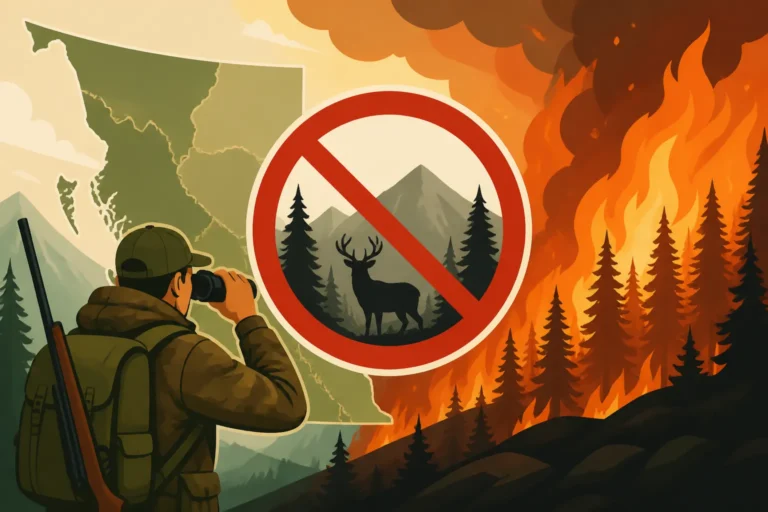
This is perhaps the biggest misconception. While it's true that the majority of British Columbia is Crown land, that doesn't mean all Crown land is open for hunting, nor does it mean all of British Columbia's land base is Crown land to begin with. There are significant portions of the province that are permanently closed to hunting, regardless of whether they are Crown land.
Think about our extensive park system, for example. Provincial Parks, National Parks, and other protected areas often prohibit hunting entirely. While some very specific Wildlife Management Areas (WMAs) or other Crown land parcels might have unique regulations that permit hunting, the general rule is to assume parks are closed unless explicitly stated otherwise in the regulations. Likewise, large urban and peri-urban areas, Indigenous reserve lands, private property, and sometimes even specific municipal watersheds are off-limits. You cannot simply pull off a highway anywhere you see trees and assume you're legal to hunt. Always consult your maps and the regulations. Ignoring specific park boundaries can lead to severe penalties, as outlined in British Columbia Provincial Park Hunting Rules.
The Illusion of Solitude
Another common belief is that because there's so much Crown land, you'll always have it to yourself. The reality, especially in more accessible regions of British Columbia, is often different. While it's certainly possible to find solitude, particularly if you're willing to put in the effort to hike or pack in, many of the more easily accessible Crown land areas, especially those with good road networks, can see significant hunting pressure during peak seasons.
Opening day for deer or moose in a popular MU can feel surprisingly busy, with trucks parked along FSRs and hunters exploring every ridge. The trade-off is often accessibility versus solitude: the easier an area is to get to, the more likely you are to encounter other people. If true solitude is what you seek, you'll need to invest in more remote access strategies. This might mean tackling deactivated roads, utilizing a jet boat to access river bottoms, or planning a multi-day backpack hunt into areas where vehicle access ends. While British Columbia Units See Least Pressure certainly exist, they usually come with a higher degree of effort to reach.
Regulatory Changes and Keeping Up-to-Date
The hunting regulations in British Columbia are not static. They are dynamic documents that can change from year to year, or even mid-season, in response to wildlife population assessments, environmental factors like wildfires, public safety concerns, or land use changes. A rule that was in effect last season for a specific MU might have changed this year. An area that was open might now be closed, or a bag limit adjusted. Relying on outdated information is a recipe for an inadvertent violation.
This is why it's absolutely critical to consult the most current British Columbia Hunting and Trapping Synopsis every single year before you hunt. Don't just skim it; read the sections relevant to your chosen species, region, and MU carefully. Pay attention to any bolded text or specific warnings about changes. Government websites often have digital versions available, making it easy to access the very latest information. Think of it as your most important piece of gear. You can usually find the most current version online, but make sure it's the official government publication. For a detailed rundown of where to find this essential information, check out Where to Read the Regulations Synopsis. Staying informed is a non-negotiable part of responsible hunting on Crown land.
Crown Land vs. Private Land: A Hunter's Comparison
To help clarify the distinctions, here's a quick comparison of key considerations when hunting on Crown land versus private land in British Columbia.
| Feature | Crown Land (Public Land) | Private Land |
|---|---|---|
| Ownership | Provincial Government, held for public benefit | Individual, Corporation, First Nation, or Private Entity |
| Access Requirement | Generally open to public, subject to regulations | Permission always required from landowner |
| Hunting Regulations | Governed by provincial hunting synopsis for specific MUs | Provincial regs apply, plus any landowner-imposed rules |
| Competition/Pressure | Varies widely; accessible areas can be busy, remote areas less so | Varies; can be exclusive or shared, depending on agreement |
| Infrastructure (Roads) | Extensive FSR network, but can be deactivated/gated | Roads often private, maintained by owner; access restricted |
| Camping | Permitted in most areas (random camping) | Only with specific landowner permission |
| Cost | Primarily licence and tag fees | Licence/tag fees + potential access fees/lease costs |
| Conservation Responsibility | Shared by all users and government agencies | Primarily landowner, though hunters play a role |
| Mapping Tools | Essential to identify boundaries and access (onX, GoHunt) | Essential to identify boundaries and avoid trespass |
British Columbia's vast expanse of Crown land is an incredible gift to hunters, offering unparalleled access and diverse opportunities that few other places in the world can match. However, it's not a free-for-all. To truly make the most of it, you need to understand the regulations, respect the land, use modern mapping tools like onX Hunt or GoHunt to navigate property boundaries, and continually educate yourself on changing conditions and rules. With preparation and a responsible approach, the Crown land of British Columbia will offer you a lifetime of memorable hunting experiences.
Disclaimer
This article is for general informational purposes only and does not constitute professional advice. Laws, prices and regulations vary by location and change over time. Consult a qualified professional for guidance on your specific situation.