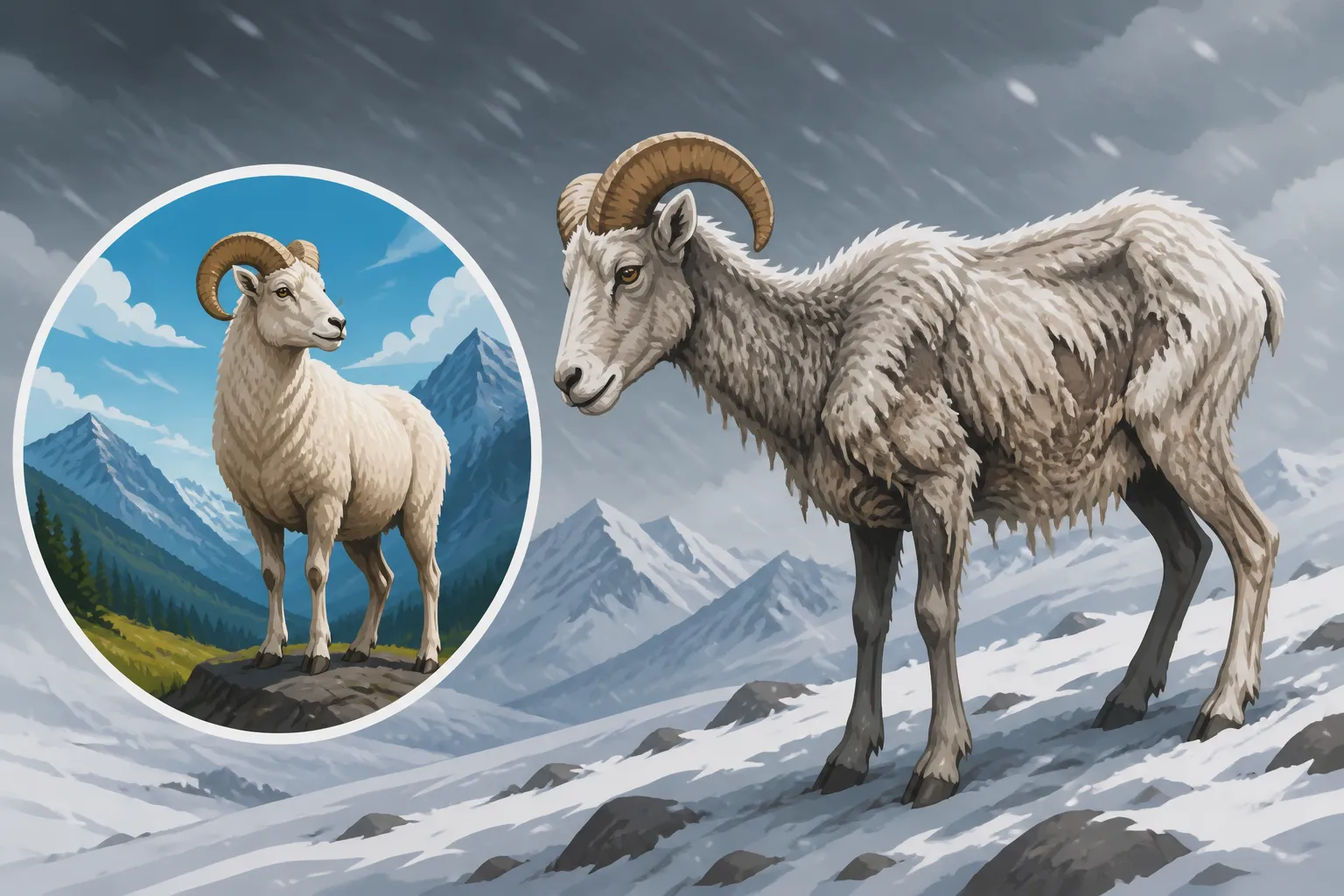
What a Hard Winter Does to Sheep
The biting winds of a harsh British Columbia winter can feel endless, and for the magnificent wild sheep that call our rugged mountains home, those long, cold months are a brutal test of survival. As hunters and wildlife enthusiasts, we often wonder about the true cost of a deep snowpack and sustained cold on these resilient animals, and it’s a valid concern. This guide will delve into exactly what a hard winter means for British Columbia's bighorns, Stone's sheep, and California bighorns, exploring the direct impacts on their health, population dynamics, and the broader ecosystem, helping you understand the real challenges they face.
The Harsh Reality of Winter for British Columbia's Wild Sheep
When the snow flies deep and the temperatures plunge for weeks on end, it's not just an inconvenience for British Columbia's wild sheep; it's a relentless battle for existence. These animals are incredibly tough, built for the alpine, but even they have their limits. A truly hard winter pushes them right to the edge, affecting everything from their daily energy budget to their long-term survival prospects.
Energy Demands and Scarcity
Imagine trying to find enough food when everything is buried under feet of snow, and every step takes twice the effort. That's the reality for a bighorn or Stone's sheep during a severe winter. Their survival strategy relies on accumulating significant fat reserves during the milder months, particularly in the fall, but those reserves burn away quickly when the mercury drops.
On their traditional winter ranges – often south-facing slopes, windswept ridges, and lower elevation benches – the sparse forage that is normally available becomes inaccessible. Grasses, forbs, and browse plants are either buried, frozen solid, or covered in a crust of ice that's impossible to break through. Animals have to expend critical energy just to move around, let alone paw through snow to find sustenance. This constant energy deficit leads to significant weight loss, which can be irreversible in the coldest periods. A sheep that goes into winter already lean is often doomed, and even robust animals will reach a point where their bodies start to shut down. This is particularly true for older rams and ewes, and the younger, less experienced lambs who haven't yet mastered the art of winter foraging. Understanding How Elevation Moves British Columbia Game helps shed light on how they try to access these crucial, less snow-covered areas.
Predation Pressure During Vulnerable Times
During normal conditions, wild sheep are agile and occupy steep, broken terrain that offers a natural defense against predators like wolves, cougars, and coyotes. But a hard winter can strip them of these advantages, making them far more vulnerable.
Deep, crusty snow can make it difficult for sheep to move quickly or navigate their escape routes. A heavy crust might support a predator with its larger footpads, while the sheep break through, sinking and expending precious energy. In severe cold, sheep are already weakened and slowed by malnutrition, making them less able to evade an attack. They might also be forced down into less ideal, lower-elevation habitats where they encounter predators more frequently, simply because that's where any accessible forage exists. Wolves, in particular, are adept at exploiting these weakened conditions. A hard winter provides an opportunity for predators to cull the weakest and sickest animals, which is a natural process, but in extreme years, it can lead to unsustainable losses within the herd, especially if other factors like habitat loss have already put pressure on the population.
Direct Impacts on Survival and Reproduction
The immediate consequences of a hard winter are grim: increased mortality. But the effects ripple far beyond just the animals that perish from starvation or predation. The overall health of the surviving herd is compromised, impacting future generations.
Lamb Mortality and Recruitment Decline
One of the most heartbreaking consequences of a severe winter is the devastating impact on lamb survival. Ewes that endure a tough winter often emerge in poor physical condition. They've used up their fat reserves, and their bodies are stressed from the cold and lack of nutrition. This directly affects their ability to carry a lamb to term, or to produce healthy, robust offspring. Lambs born to these weakened ewes are often smaller, less vigorous, and have a reduced chance of survival in their first critical weeks.
Furthermore, if the severe winter extends into spring, the conditions for newborn lambs can be lethal. Cold, wet weather, combined with a mother who is struggling to produce enough milk, leads to high lamb mortality rates. The survival of lambs into their first year, known as recruitment, is a key indicator of a healthy sheep population. A single hard winter can decimate a year class, creating a "gap" in the population's age structure that can take many years, even decades, to recover from. This is a primary reason why sheep populations are sensitive to environmental changes and harsh conditions.
Ewe Condition and Future Lambing Success
The condition of the ewes is paramount for the long-term health of a sheep herd. These are the breeding stock, the future of the population. When ewes are severely stressed by a hard winter, their reproductive cycles can be thrown off. They may fail to conceive in the fall, or abort their lambs if their bodies simply can't sustain the pregnancy. Even if they do carry a lamb to term, the nutritional demands of lactation can leave them dangerously depleted, making it harder for them to survive the next winter or successfully breed again in subsequent years.
The impact isn't just on the immediate year's lamb crop; it's a multi-year setback. A ewe that survives a brutal winter might skip a breeding cycle to recover, or produce lambs of lower quality for several seasons afterwards. This means that a single severe winter can depress lamb recruitment for two or three years, even if subsequent winters are mild. This cascading effect highlights the fragility of these mountain populations and why long, mild winters are so crucial for their well-being.
Long-Term Population Dynamics and Recovery Challenges
The immediate loss of individuals is just one part of the story; hard winters also contribute to broader, more systemic challenges that can stall population growth and make recovery a slow, arduous process.
Habitat Degradation and Bottlenecks
While a hard winter itself doesn't directly degrade habitat in the long term, it often highlights existing habitat problems and creates bottlenecks. If a sheep population is already dealing with limited winter range due to human development, encroachment, or What Wildfire Has Done to British Columbia Game in recent years, a hard winter exacerbates these issues. The available "safe zones" — those south-facing slopes with less snow or more accessible forage — become overcrowded.
Overcrowding on limited winter range can lead to increased competition for scarce food, further stressing weakened animals. It can also concentrate predators in these areas, increasing predation rates. Moreover, sustained heavy browsing on already stressed vegetation can hinder its recovery in the spring, potentially leading to long-term degradation of critical winter habitat. The health of a sheep population is intricately linked to the quality and availability of its habitat, and a hard winter shrinks that available good habitat, creating a critical bottleneck that few can pass through unscathed. Using tools like GoHunt can help researchers and conservationists identify these critical winter range areas and monitor their condition over time, providing valuable data for management decisions.
The Role of Human Factors and Conservation
Human activities, while not directly causing a hard winter, can indirectly amplify its negative effects on wild sheep. Habitat fragmentation, development, and even recreational disturbance in critical winter ranges can displace sheep, forcing them into less suitable areas where survival is even tougher. When resources are already scarce, any additional stress can push a population past its breaking point.
This is where conservation and responsible management become critically important. Ensuring that key winter ranges are protected, and minimizing disturbance during these sensitive periods, can provide sheep with the best possible chance to weather the storm. Regulations around hunting seasons and tag allocations are often adjusted based on population health, which is heavily influenced by recent winter severity. If a population has taken a hit, reducing hunting pressure can help it rebound more quickly. Understanding the specific challenges faced by populations like British Columbia's Rocky Mountain Bighorns or Stone's Sheep in Northern British Columbia is key to targeted conservation efforts.
How Hunters Can Understand and Support Sheep Populations
Hunters are often among the most passionate advocates for wildlife and wild places. Our connection to the land and its creatures gives us a unique perspective, and understanding the impact of hard winters on sheep only deepens that appreciation.
Recognizing Signs of Winter Stress
When you're out in the mountains, especially during late fall or early spring, you can learn to recognize signs of winter stress in sheep. Look for animals that appear gaunt, with ribs or hip bones visible. Their coats might look dull and ragged, rather than thick and glossy. Behavioral changes can also be telling: sheep that are lethargic, less wary, or spending an unusual amount of time lying down may be struggling.
You might also observe sheep feeding in less ideal locations, forced down by deep snow into areas they wouldn't normally frequent, which can be a sign of extreme forage scarcity. Observing these signs isn't just for academic interest; it provides valuable insight into the health of the herd you're pursuing. Many hunters use mapping applications like GoHunt to understand historical sheep movements and wintering grounds, allowing them to better interpret what they're seeing in the field. This informed perspective helps us appreciate the resilience of these animals and the challenges they face.
Supporting Conservation Efforts
As hunters, we have a vital role to play in supporting the health and recovery of British Columbia's wild sheep populations, particularly after a difficult winter. This can take many forms:
| Action Type | Description | Impact |
|---|---|---|
| Financial Contributions | Donating to organizations dedicated to wild sheep conservation, habitat acquisition, and research. | Funds critical projects for habitat improvement, disease monitoring, and population studies. |
| Advocacy | Supporting policies that protect critical winter ranges, minimize disturbance in sensitive areas, and promote science-based wildlife management. | Influences decisions that create long-term benefits for sheep and their habitats. |
| Responsible Hunting | Adhering strictly to regulations, including those concerning Judging a Ram's Horn Curl and Age and bag limits. Choosing not to harvest animals from populations clearly struggling after a hard winter, even if legally permissible. | Ensures sustainable harvest levels, allowing populations to recover and grow. Reduces stress on breeding ewes and future lamb crops. |
| Citizen Science | Reporting observations of sheep, including sightings of sick or dead animals, or unusual concentrations in wintering areas, to wildlife authorities. Using tools like GoHunt to document observations and contribute to broader data sets. | Provides valuable real-time data to wildlife managers, helping them assess winter impacts and adjust management strategies. |
| Ethical Land Use | Minimizing disturbance in known sheep winter ranges during critical periods, whether you are hunting, hiking, or recreating. Staying on designated trails and respecting closures. | Reduces energy expenditure for sheep by preventing displacement, allowing them to conserve vital reserves during tough times. |
| Education | Sharing knowledge about wild sheep and the challenges they face with other outdoor enthusiasts, promoting a greater understanding and appreciation for these iconic animals. | Fosters a broader conservation ethic and encourages more people to support wild sheep. |
These actions, big and small, collectively make a profound difference. By actively engaging in conservation, we ensure that future generations of hunters and wildlife enthusiasts will continue to experience the majesty of British Columbia's wild sheep, even after the toughest winters. Whether you're planning a challenging trip Backpacking Into British Columbia Sheep Country or just admiring them from afar, every effort counts.
Disclaimer
This article is for general informational purposes only and does not constitute professional advice. Laws, prices and regulations vary by location and change over time. Consult a qualified professional for guidance on your specific situation.