When British Columbia Bulls Drop Antlers
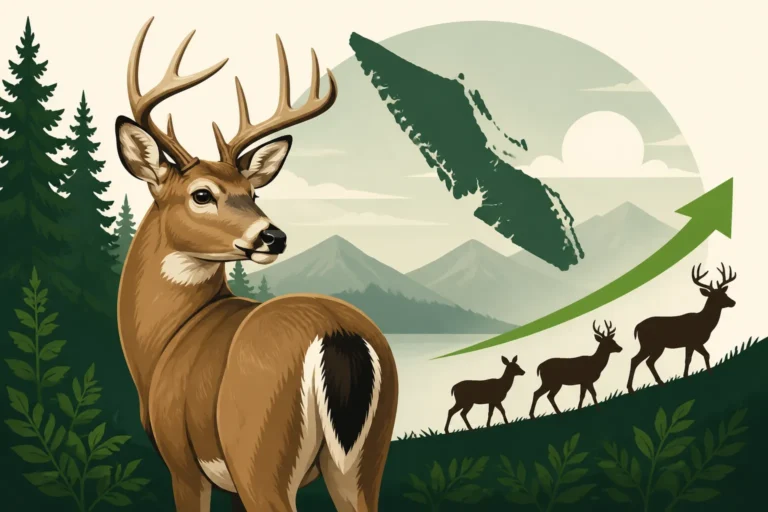
One of the most captivating aspects of hunting and wildlife observation in British Columbia is the annual cycle of antler growth and shedding. For many of us, spotting a magnificent bull moose or mule deer buck in the fall, adorned with impressive headgear, is the highlight of the season. But that impressive rack isn't permanent, and the mystery of exactly when these bulls drop their antlers can be a real puzzle, affecting everything from late-season hunting strategies to the thrill of shed hunting in the spring. This guide will unravel the factors that influence antler drop, helping you understand this natural phenomenon across British Columbia's diverse landscapes.
Understanding the Seasonal Cycle: When BC's Bulls Begin to Shed
The shedding of antlers is a critical part of the annual life cycle for most male cervids in British Columbia, signaling the end of one phase and the beginning of another. It’s not a single, universal date; rather, it's a window of time influenced by a complex interplay of biological, environmental, and individual factors. This variability can be a source of frustration for those hoping to find a specific bull or keen shed hunters, but understanding the underlying mechanics can offer valuable clues.
The Role of Species and Age
Different species of deer, elk, and moose in British Columbia have their own general timelines for antler drop. It's not a hard and fast rule, but observing these trends can provide a useful starting point for when you might expect to see bare heads.
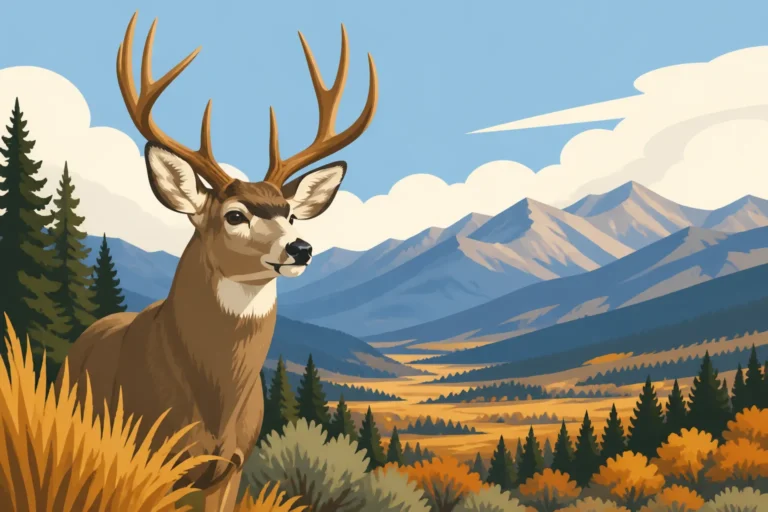
For instance, many of our mule deer bucks, particularly the younger ones, might start shedding their antlers as early as late December, with the bulk of the drop often occurring throughout January and into early February. Older, more dominant bucks, especially those that exerted a lot of energy during the rut, might even drop a bit earlier. This often catches hunters off-guard if they're out in a late-season deer hunt. You might be carefully judging a four-point restriction, only to find a legal buck has already dropped one or both sides! Hunting British Columbia's Four-Point Antler Rules can become especially tricky as the season wears on.
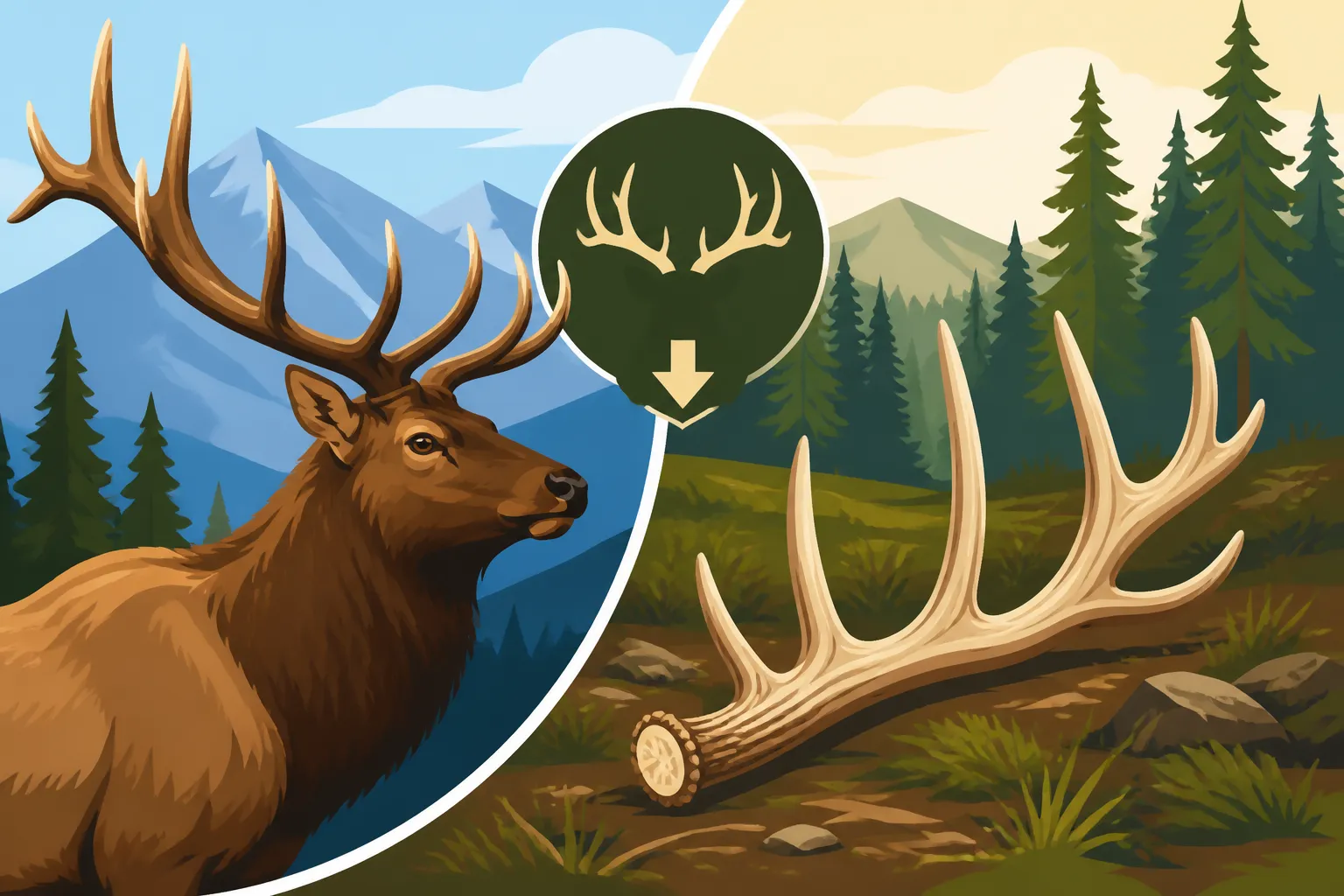
Elk generally follow, with bulls typically shedding from late February through March. The massive Rocky Mountain elk and coastal Roosevelt elk bulls, after their intense rutting battles, often carry their antlers a bit longer than deer, but once they start, it happens pretty quickly. Moose, those giants of the northern forests, tend to hold onto their antlers the longest, often not shedding until late March, April, or even early May, especially in the more northern parts of the province. Their sheer size and the energy investment in growing such an enormous rack mean their physiological cycle dictates a later drop. Consider What a British Columbia Bull Moose Weighs – that's a lot of bone to grow and then shed!
How Environmental Stressors Influence Timing
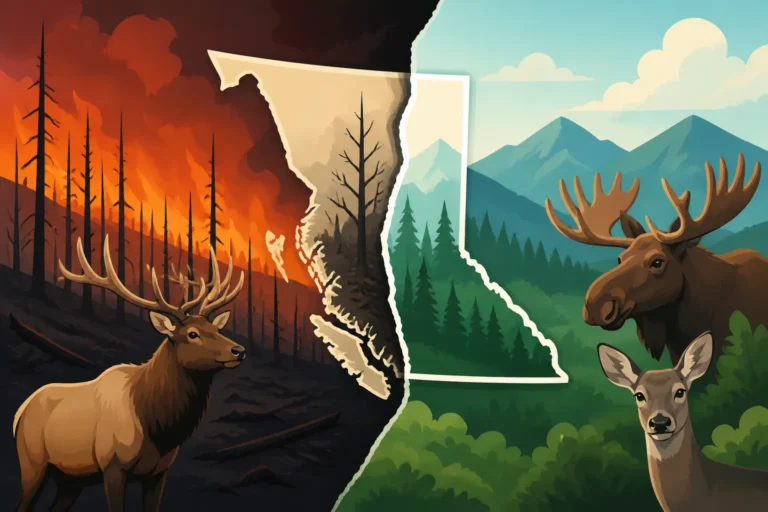
Beyond species, the environment plays a huge role in the antler shedding timeline. British Columbia is a vast province, and conditions can vary wildly from the mild coast to the frigid interior. A harsh winter, with deep snow and prolonged cold temperatures, often triggers an earlier antler drop across all species. When food is scarce and energy reserves are low, the animal's body prioritizes survival, and maintaining heavy antlers becomes a luxury it can no longer afford. The metabolic cost of carrying those antlers is significant.
Conversely, a mild winter with abundant forage can lead to bulls retaining their antlers longer into the spring. Imagine a winter where the snow line stays high, allowing deer to access What Mule Deer Eat in the Dry Interior for an extended period. These well-fed animals have more resources to draw upon, delaying the physiological signal to shed. It's a testament to the animal's adaptation to its environment. Factors like early or late snowfalls and prolonged cold snaps are crucial indicators. When you're Hunting British Columbia's Alpine in Early September, you might notice the signs of an approaching winter that will inevitably influence the antler drop timing later on.
The Post-Rut Hormonal Shift
At the heart of antler shedding is a fascinating biological process driven by hormones. After the intense period of the rut—when bulls are actively competing for mates and using their antlers as displays of dominance and weaponry—their testosterone levels begin to decline. This drop in testosterone is the primary trigger for antler shedding.
During the summer and early fall, high testosterone levels support antler growth and hardening. As the rut concludes and the breeding season winds down, the bull's body no longer needs those hardened antlers. The decrease in testosterone causes a weakening of the tissue that connects the antler to the pedicle (the bony stalk on the skull). This weakening is progressive, eventually leading to the complete separation of the antler. It’s a remarkable, pain-free process for the animal, allowing it to conserve energy and prepare for the next growth cycle. Understanding When British Columbia's Moose Rut Peaks or the rut timing for other species gives you a window into when that hormonal shift begins, and thus, when the antlers might start to loosen.
The Biological Mechanics Behind Antler Drop
The shedding of antlers is a finely tuned biological process, not just a random event. It's a marvel of nature that allows these animals to annually discard and regrow some of the fastest-growing tissue in the animal kingdom. Delving into the mechanics helps us appreciate the complexity and perfect timing involved.
The Pedicle and Bone Resorption
The pedicle is the permanent bony protuberance on the skull from which the antler grows. It’s a crucial interface. Leading up to shedding, a specialized layer of cells forms at the base of the antler, just above the pedicle. These cells begin a process called osteoclast activity, which essentially means they start to resorb or dissolve the bone at this junction. Think of it like a natural fracture line being created, slowly weakening the connection.
As this resorption progresses, the antler becomes increasingly unstable. Eventually, with a bump against a tree, a shake of the head, or even just the pull of gravity, the antler detaches cleanly from the pedicle. The pedicle itself then heals over, often forming a smooth scab, ready to begin growing a new set of antlers in the spring. The cycle is truly remarkable: a complete set of bone is grown, hardened, utilized, shed, and then regrown, all within a year. This is why knowing Where the Biggest Interior Bucks Live might also be key to finding some impressive shed antlers, if you can time your search correctly.
Nutrition, Health, and Antler Retention
A bull's nutritional status and overall health significantly influence not only the size and quality of his antlers but also when he sheds them. A bull that enters the winter in prime condition, having had access to good forage throughout the year and successfully navigating the rut without excessive stress, tends to hold onto his antlers longer. His body has sufficient reserves to support the metabolic demands of retaining the antlers.
Conversely, a bull that is nutritionally stressed, perhaps due to a poor growing season, a particularly demanding rut, or an injury, will often shed his antlers earlier. His body will prioritize essential functions like maintaining body temperature and basic survival over the "luxury" of antler retention. This is why you might see some younger, smaller bucks or older, rundown bulls drop their antlers weeks before their healthier, more dominant counterparts. The availability of quality food sources, whether it's Hunting a Recent Cutblock in Its Third Year for new growth or rich alpine meadows, directly impacts their ability to maintain peak health. This is a subtle yet important factor that can explain variations in antler drop even within the same herd or management unit.
Navigating Hunting Seasons and the Search for Sheds
The timing of antler drop has significant implications for both late-season hunters and those who eagerly await the opportunity to go shed hunting. It requires a different kind of scouting and awareness to maximize success in either pursuit.
The Impact on Late-Season Hunts
For hunters targeting specific antler regulations, like those focusing on "four-point or better" bucks, the timing of antler drop is critical. Imagine you’ve been diligently Glassing an Interior Hillside for Mule Deer during a late December rifle season. You finally spot a heavy-antlered buck that clearly meets the four-point minimum. You make a careful stalk, only to get closer and realize he’s just dropped one side, making him an illegal animal to harvest under the regulations. This is a scenario many late-season hunters in British Columbia have experienced.
The regulations are typically very clear: the antler criteria must be met at the time of harvest. If a bull has shed one or both antlers, it often falls into a different, more restrictive category, or sometimes even becomes unhuntable. This means that as seasons stretch into January for certain species or regions, hunters need to be hyper-aware of the possibility of antler drop. It becomes even more challenging with animals like moose, where specific bull definitions often rely on antler size or points. A bull moose might be legal in November, but if he's an older, rut-weary bull, he might have dropped an antler by a late December hunt in an area with a British Columbia Moose Season Dates extending that far. This is where patience and precise identification are absolutely paramount.
Strategic Approaches to Shed Hunting
Once the hunting seasons close, a whole new "season" begins for many outdoor enthusiasts: shed hunting. Finding shed antlers is a rewarding way to connect with the wildlife and experience the backcountry during a quieter time of year. Knowing when bulls typically drop their antlers is the first step in planning a successful shed hunt.
For mule deer and elk, you'll generally want to start your scouting in late winter and early spring. Focus on areas where animals spend their winter months, seeking shelter and food. Think south-facing slopes that melt out first, dense cover for bedding, and natural travel corridors between these areas. Deer often drop antlers while bedded or moving through thick brush. Moose sheds, being later, mean waiting until early spring. They are often found in willow flats, around beaver ponds, or along river bottoms where moose concentrate in winter. Using tools like GoHunt can help you overlay historical game locations with winter range maps, giving you a better idea of where to concentrate your efforts for Where to Look for Sheds in the Interior.
It's a waiting game, often requiring multiple trips to the same area as the snow recedes and animals move. Pay close attention to recent tracks and fresh sign. Sometimes you'll find both sides of a matched set, but often they can be miles apart. The key is to be in the right place at the right time, and that means understanding the species-specific timing and environmental influences on antler drop. Plus, it's a fantastic excuse to get out and explore parts of British Columbia that you might not normally visit during the main hunting seasons.
| Species | Typical Antler Drop Period (Approx.) | Key Influencers | Notes for Hunters/Shed Hunters |
|---|---|---|---|
| Mule Deer | Late December – Early February | Age, post-rut health, winter severity | Watch for early drops on older/stressed bucks in late seasons. Good shed hunting in January/February. |
| Blacktail Deer | January – March | Coastal conditions, individual health, mild winters | Often hold antlers later than interior mule deer. Variable timing. |
| Elk | Late February – March | Post-rut condition, nutrition, snowpack | Prime time for shed hunting is March. Check winter feeding areas. |
| Moose | Late March – Early May | Winter length, extreme cold, overall body condition | Sheds found later in spring. Look in thick cover, willow bottoms. |
| Caribou | October (Bulls) / April-May (Cows) | Unique cycle; bulls drop before winter. | Huntable in fall, but finding bull sheds is rare post-rut. |
Regional Variations in British Columbia's Antler Shed
British Columbia's vast and varied geography means that "when" antlers drop isn't uniform across the province. Local climates, snowfall patterns, and habitat types create distinct regional differences that hunters and shed enthusiasts must consider. The same species might shed weeks apart depending on whether they call the coastal rainforests or the northern mountains home.
Interior Plateau vs. Coastal Forests
The Interior Plateau, with its colder, often snowier winters, presents a different dynamic for antler drop compared to the milder, wetter Coastal forests. In regions like the Cariboo or Okanagan, where temperatures plunge and snow can accumulate significantly, the metabolic stress on animals is typically higher. This often leads to an earlier antler drop. Deer and elk in these areas are working harder to find food and stay warm, expending more energy, which can accelerate the hormonal changes that trigger shedding. You might find mule deer sheds appearing in January quite reliably in the southern interior. Why Interior Game Moves With the Snow Line also plays into this, as animals push to lower elevations where forage is more accessible, leading to concentrated areas for shed hunting.
On the Coast, particularly along Vancouver Island or the mainland inlets, winters are generally milder. Snowfall is often less consistent and temperatures rarely drop to the same extremes as inland. This can mean that black-tailed deer and Roosevelt elk often hold onto their antlers later into the spring. A blacktail buck might still be carrying both sides well into March, especially if the winter has been particularly mild. The constant rain and generally more accessible forage, even in winter, reduce the immediate stress on the animals. It's a different rhythm entirely, shaped by the Pacific influence. Accessing these coastal areas can be unique, sometimes requiring Hunting From a Boat on the Coast.
Northern Zones and Early Winters
Move further north in British Columbia, to regions like the Omineca, Skeena, or Peace, and the timeline for antler drop shifts again. Here, winter arrives earlier and often stays longer and with greater intensity. This means that deer, elk, and especially moose in these northern zones might begin to feel the effects of winter stress sooner.
Moose, which populate these northern forests in good numbers, might not drop their antlers any earlier in the fall (as their cycle is naturally later), but the extreme conditions can ensure they shed definitively by early spring. The energy required for a bull moose to survive a northern BC winter after the rut, when they might weigh What a British Columbia Bull Moose Weighs with a massive rack, is immense. This intense selective pressure ensures that healthy animals drop their antlers efficiently to conserve energy. For those planning a shed hunt in these remote northern areas, knowing that snow can linger well into May is crucial, meaning actual shed recovery might be pushed back even further. Using mapping services provided by platforms like GoHunt can be invaluable for understanding snow lines and access points in these vast, often roadless, territories when you are Scouting a British Columbia Management Unit Online.
Ultimately, the best approach for understanding when British Columbia bulls drop their antlers is to combine general knowledge of species-specific timelines with close observation of local environmental conditions. Pay attention to winter severity, snow depth, and the general health of the animals in the specific region you're interested in. This nuanced understanding will not only enhance your hunting strategy but also greatly improve your chances of finding those elusive treasures of the forest floor.
Disclaimer
This article is for general informational purposes only and does not constitute professional advice. Laws, prices and regulations vary by location and change over time. Consult a qualified professional for guidance on your specific situation.