Wolverine in British Columbia’s Mountains
For anyone who spends time in British Columbia's mountains, especially those of us who hunt the high country, there's a certain mystique around the wolverine. These creatures are truly the ghosts of the northern wilderness, rarely seen, often misunderstood, and incredibly hardy. If you've ever wondered about these elusive animals, where they live, or what makes them such a formidable presence in our rugged landscapes, this guide is for you. We’ll delve into the world of the wolverine, exploring their habitats, habits, and the vital role they play in BC’s incredible ecosystems.
Understanding the Wolverine: British Columbia's Elusive Ghost
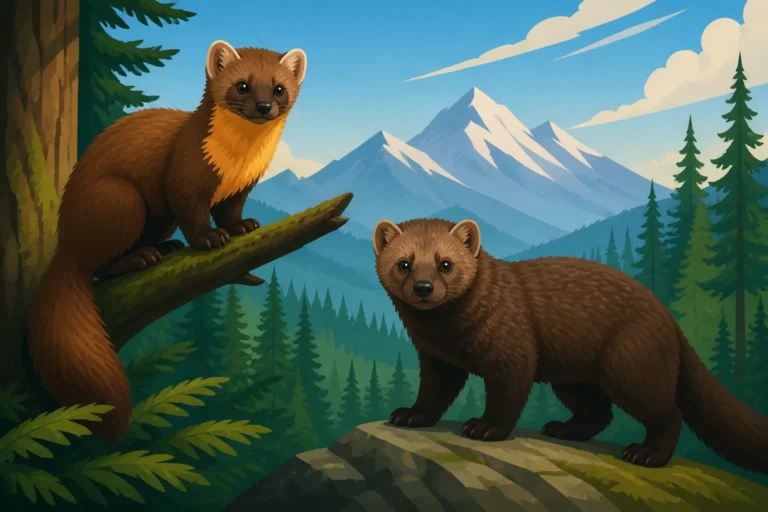
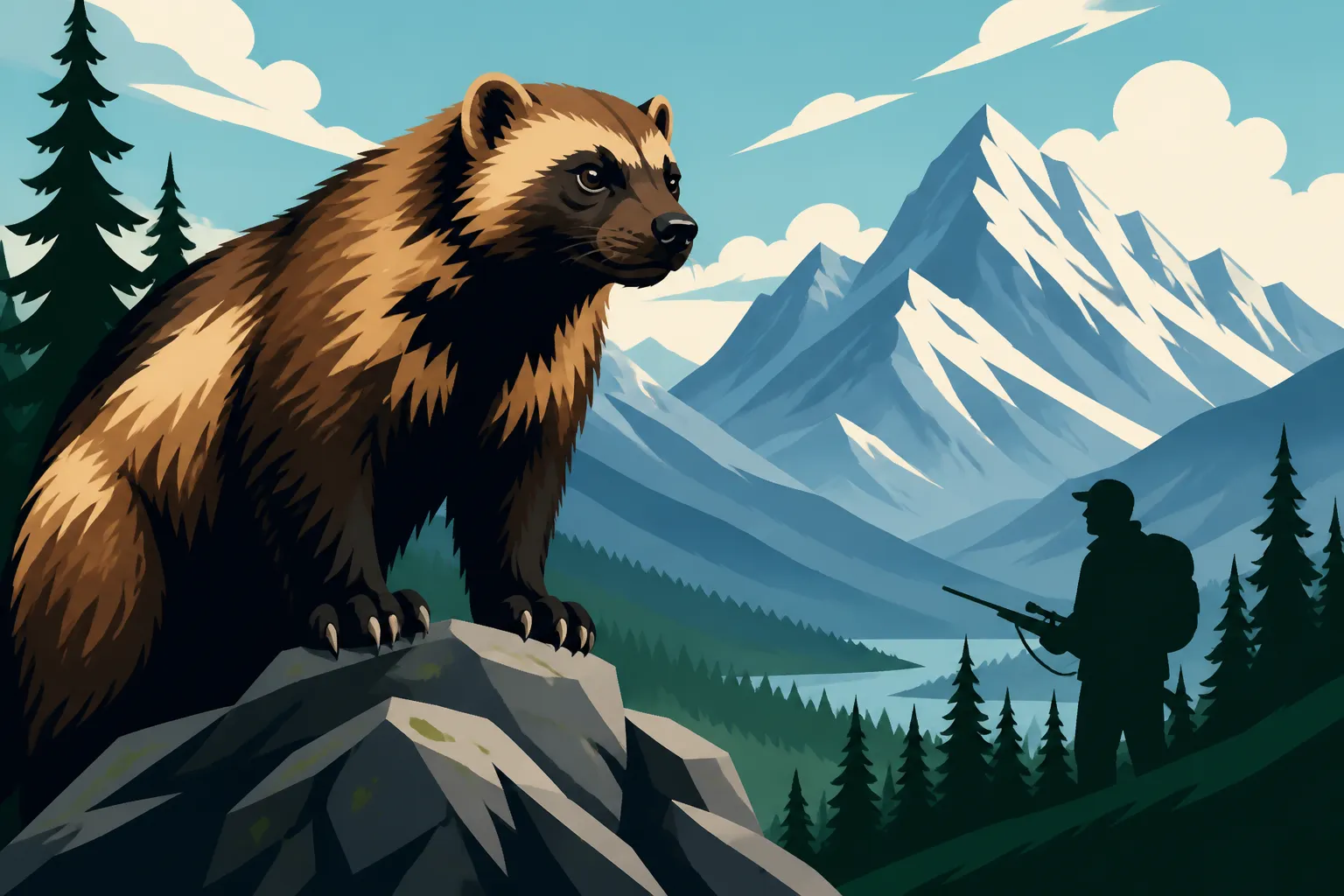
The wolverine, or Gulo gulo as it's known scientifically, is a creature of legend in the backcountry. Often compared to a miniature bear due to its stocky build and fierce reputation, it's actually the largest terrestrial member of the weasel family. But don't let its family tree fool you; this animal is built for survival in some of the harshest environments on earth, making British Columbia's vast mountain ranges an ideal, if challenging, home. Hunters, hikers, and trappers alike speak of them with a mix of awe and respect, often only catching a fleeting glimpse or finding their distinctive tracks in fresh snow.
The Wolverine's Natural Habitat in BC
Wolverines are perfectly adapted to the cold, snow-laden, and rugged terrain that defines so much of British Columbia's interior and northern regions. They thrive in remote, high-elevation alpine and subalpine areas, particularly those with extensive old-growth forests, broken rock, and consistent snowpack. Think about those vast, unbroken stretches of wilderness where few roads penetrate, where the winters are long and severe, and where steep slopes provide both sanctuary and challenging travel for most other animals. That's wolverine country.
From the towering peaks of the Coast Range to the remote reaches of the Northern Rockies and the high country of the Cariboo and Kootenays, these tough animals make their living. They prefer areas that remain covered in snow for a significant portion of the year, as snow is crucial for denning and caching food. This preference for persistent snow cover also makes them particularly vulnerable to the impacts of climate change, a serious concern for conservationists. When you're Backpacking Into British Columbia Sheep Country or exploring remote basins for goats, you're squarely in prime wolverine habitat, even if you never see one.
Physical Traits and Behavioural Quirks
Despite their relatively small size – adult males typically weigh between 25 and 40 pounds, though some can exceed 50 – wolverines possess incredible strength and an unyielding tenacity that belies their stature. They have powerful jaws capable of crushing bone and frozen meat, sharp claws for digging through snow and ice, and a thick, oily coat that is highly insulating and resistant to frost. Their broad, snowshoe-like paws allow them to travel efficiently over deep snow, a significant advantage over many prey species.
Wolverines are largely solitary creatures, maintaining vast individual home ranges that can span hundreds, sometimes even thousands, of square kilometers. They are ceaseless travelers, often covering incredible distances in a single day as they patrol their territory for food. Their diet is primarily carnivorous, consisting of carrion (especially from wolf or bear kills), small mammals, birds, and even berries when available. They are master scavengers, known for their ability to locate and exploit food sources year-round, often breaking into cabins or food caches if given the opportunity. This incredible endurance and scavenging prowess make them true opportunists in their harsh environment.
Wolverine Distribution and Population Dynamics in British Columbia
Pinpointing exact wolverine populations in British Columbia is a bit like trying to count snowflakes in a blizzard – incredibly difficult. Their low population densities, vast territories, and elusive nature mean that comprehensive surveys are challenging and expensive. However, through various research methods, we have a general understanding of where these animals persist and the challenges they face.
Where Wolverines Roam: Identifying Key Regions
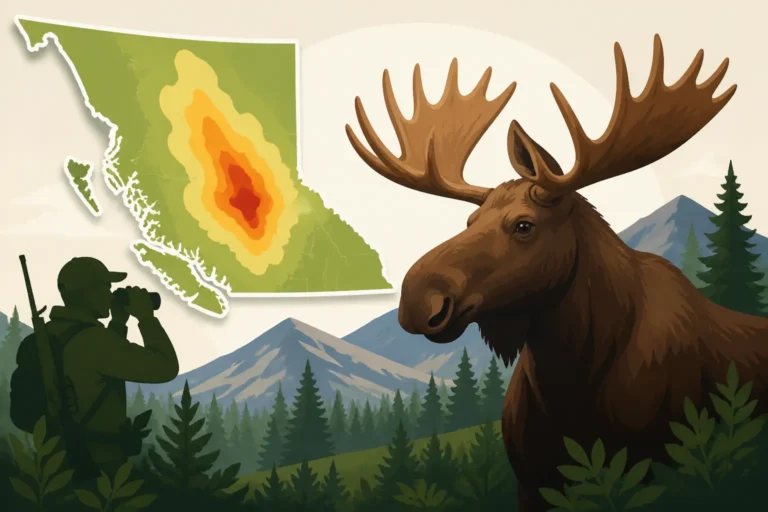
Wolverines are broadly distributed across the mountainous and boreal forest regions of British Columbia, particularly in the central and northern parts of the province. While you could theoretically encounter one in almost any large wilderness area, they are more prevalent in regions with extensive undisturbed habitat. The remote wilderness of the British Columbia's Skeena Region Remote Units, the vastness of the Omineca, the higher elevations of the Kootenays, and the rugged terrain of the Northern Rockies offer some of their strongest holdouts.
Their presence often correlates with the distribution of large ungulates (like moose, elk, and deer) and caribou, as these provide crucial carrion, especially during the lean winter months. They are also found in areas with good populations of smaller prey like marmots and snowshoe hares. Understanding general game distribution can indirectly offer clues to wolverine presence. While primarily for hunters targeting specific species, resources like GoHunt can provide detailed topographical maps and habitat information that help visualize remote, high-elevation areas ideal for wolverines, even if the wolverines themselves aren't the target. These tools help hunters understand the broader ecosystem they are venturing into.
Population Trends and Conservation Status
Due to their elusiveness, precise population numbers for wolverines are hard to come by. However, general trends suggest that populations are stable in some of British Columbia’s more remote, undisturbed areas, but face increasing pressure in regions experiencing habitat fragmentation and increased human activity. The Canadian federal government lists the Western Wolverine (the subspecies found in BC) as a "Species of Special Concern" under the Species at Risk Act, which highlights the need for ongoing monitoring and conservation efforts.
The primary threats to wolverine populations include habitat loss and fragmentation from resource extraction (logging, mining), road building, and the encroaching footprint of human recreation. Climate change is another significant concern, as reduced snowpack in critical denning areas could severely impact their reproductive success. It's a complex puzzle, as these animals need vast, interconnected wilderness areas to thrive. For hunters who are passionate about the future of wildlife, understanding the health of these wide-ranging species is crucial, and mapping tools, like those you can explore on GoHunt, are excellent for dissecting terrain and identifying areas that remain wild and untouched.
| Region of British Columbia | Likelihood of Wolverine Presence | Key Habitat Features |
|---|---|---|
| Northern Rockies | High | Remote mountains, extensive snowpack, boreal forest |
| Skeena Region (remote areas) | High | Rugged peaks, subalpine, old-growth forests |
| Omineca | Moderate to High | Boreal forests, scattered mountains, high plateaus |
| Kootenays (high elevations) | Moderate | Steep mountains, dense forests, good snowpack |
| Cariboo Mountains | Moderate | Higher elevation plateaus and mountain ranges |
| Coast Range (remote sections) | Moderate | Glaciated peaks, deep snow, coastal rainforest edge |
| Southern Interior (accessed) | Low to Moderate | Higher elevations, less contiguous habitat |
Encountering Wolverines in the Backcountry
For many, a wolverine sighting is a once-in-a-lifetime event, a true highlight of any backcountry adventure. They are generally shy and will avoid human contact, but their powerful curiosity and relentless drive for food can sometimes bring them into proximity with humans, particularly in remote camps.
Signs of Wolverine Presence
While direct sightings are rare, you might discover signs of a wolverine's passing. Their tracks are perhaps the most common indicator. In snow, you'll see a distinctive five-toed print with prominent claw marks, often a bound or gallop pattern as they move with surprising speed. Their wide paws leave a track that helps them float over deep powder. Look for signs around recent kills, as they are adept at finding and exploiting carrion, even managing to cache large chunks of meat under snow or rocks for later consumption. They are known for breaking into trapper cabins or poorly secured food caches, leaving a trail of impressive destruction in their wake. A hunter who leaves game meat unattended, even for a short period, might find it pilfered by a persistent wolverine. This is why meat care is so important in areas like the British Columbia's Alpine in September.
What to Do If You See a Wolverine
If you are lucky enough to spot a wolverine, consider it a special privilege. The best course of action is to observe from a distance, enjoy the moment, and do not approach or try to interact with the animal. Give it plenty of space to go about its business. While they have a fierce reputation and are undoubtedly powerful, wolverines typically prefer to avoid humans and are not known for unprovoked attacks. Their aggressive demeanor is usually reserved for other animals, especially when defending a food source.
The most important thing for backcountry users, especially hunters with game meat, is secure food storage. Wolverines are incredibly determined and powerful, able to chew through sturdy materials if they smell food. Hanging food high, using bear-resistant containers, or securing it within sturdy structures can prevent conflicts. It's a similar principle to Bear Safety While Hunting in British Columbia, though wolverines are often even more persistent given their smaller size and ability to get into tight spaces. Always be prepared for unexpected encounters in BC's wild country, and ensure your camp is buttoned up tight.
Wolverine Research and Their Ecological Role
Studying wolverines is a monumental task, but ongoing research provides crucial insights into their lives and the health of the broader wilderness. These enigmatic animals serve as powerful indicators of ecosystem health, reflecting the state of our most remote and pristine landscapes.
Current Research Efforts and Monitoring
Researchers employ various sophisticated techniques to study wolverines without disturbing them. Camera trapping networks, often using bait or scent lures, are deployed in remote areas to capture images of wolverines, allowing scientists to identify individuals by their unique chest blazes. Hair snagging stations, designed to collect hair samples as wolverines pass through, provide DNA for genetic analysis, which helps estimate population sizes and genetic connectivity. Satellite telemetry, involving the careful capture and collaring of a wolverine, allows researchers to track their movements, home range sizes, and habitat use over extended periods.
These efforts are often supported by collaborations between government agencies, universities, and non-profit conservation groups. Citizen science also plays a role; backcountry users, especially experienced hunters and trappers, can contribute valuable data by reporting credible wolverine sightings or track observations. This helps fill in gaps in distribution data for areas where dedicated research is limited, providing a broader picture of their presence across the province. For anyone venturing into the deep wilderness, like when planning for Emergency Planning in British Columbia's Backcountry, knowing about the local wildlife is paramount.
Wolverines as an Indicator Species
Wolverines are often considered an "umbrella species" or an "indicator species" because their presence signifies a healthy, largely undisturbed wilderness ecosystem. They require vast, wild areas with consistent snow cover and a reliable food base. If wolverine populations are thriving, it suggests that the entire ecosystem beneath them – from their prey animals to the quality of their habitat – is also in good shape. Conversely, declines in wolverine numbers can signal broader environmental problems, such as habitat fragmentation or the impacts of climate change on critical snowpack.
Their reliance on persistent snow for denning makes them particularly sensitive to warming temperatures, serving as a bellwether for how climate change is affecting our high-mountain environments. As top-tier scavengers and opportunistic predators, wolverines play a vital role in nutrient cycling and maintaining the health of ungulate populations by culling weak or diseased animals. They are an integral part of the intricate web of life in British Columbia's mountains, a living testament to the wildness that so many of us cherish and strive to protect. Understanding the wild places where wolverines live can help us understand the broader health of areas like the Hunting British Columbia's Alpine in Early September.
Disclaimer
This article is for general informational purposes only and does not constitute professional advice. Laws, prices and regulations vary by location and change over time. Consult a qualified professional for guidance on your specific situation.