Wolf Packs on British Columbia’s Coast
Trying to understand the intricate world of wolf packs along British Columbia's wild coast can feel like trying to catch mist in your hands. It's a vast, dense, and often unforgiving landscape that hides its secrets well, leaving many of us wondering how these apex predators survive and thrive in such a unique environment. This guide will delve deep into the fascinating lives of coastal wolf packs, exploring their distinct characteristics, hunting strategies, social structures, and how they interact with the remarkable ecosystem they call home.
The Elusive Nature of Coastal Wolf Packs
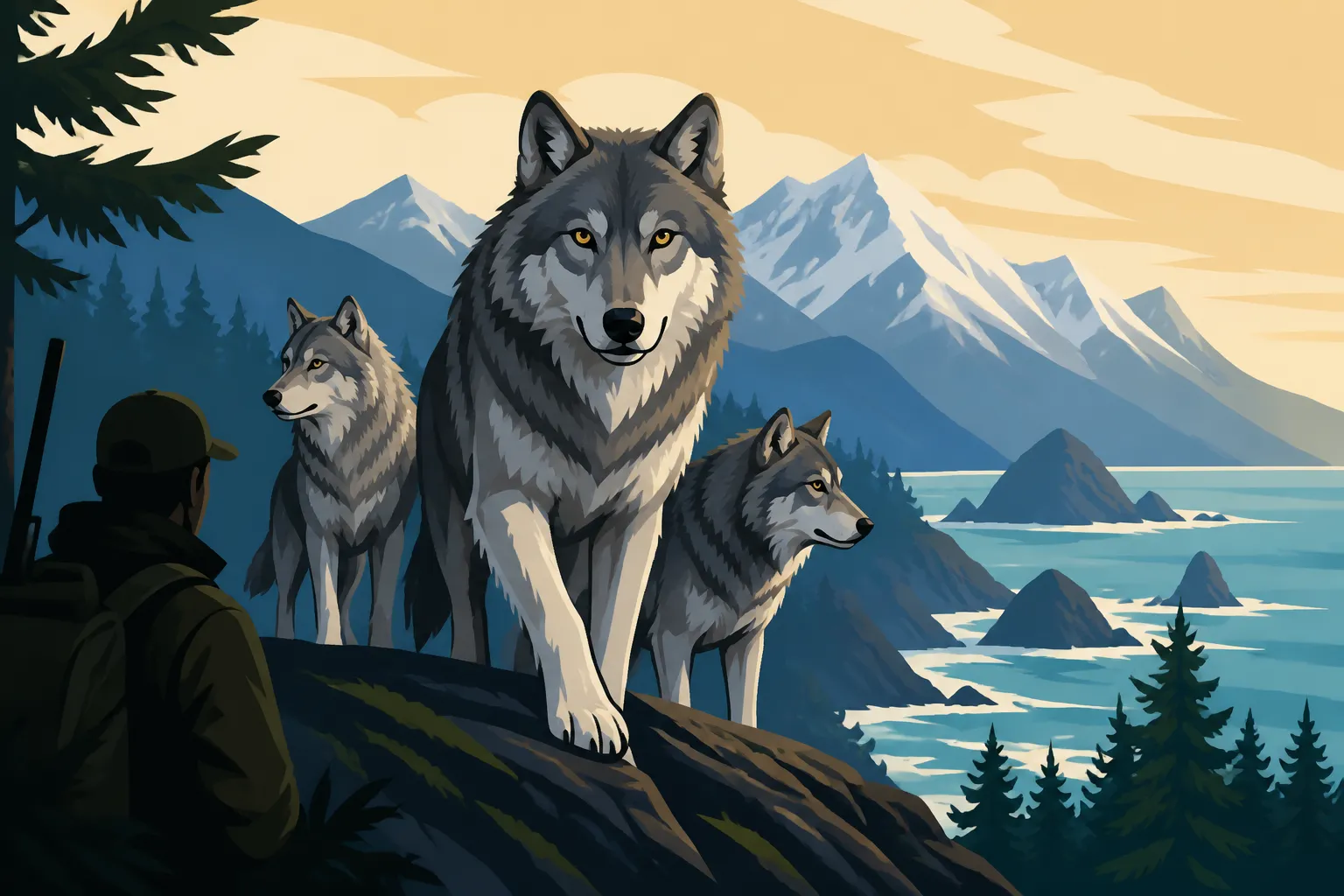
The wolves of British Columbia's coast aren't your typical interior wolves. They are often genetically distinct, with adaptations that allow them to flourish in the temperate rainforests and marine environments that define this stunning region. Their lives are a constant testament to adaptability and resilience, making them some of the most intriguing animals in North America.
What Makes Coastal Wolves Unique?
When we talk about coastal wolves, we're often referring to a unique ecotype, sometimes called "sea wolves," that inhabits the islands and mainland coastlines of British Columbia. Unlike their counterparts further inland, these wolves have a profound connection to the ocean. Their genetic markers often show a divergence, suggesting isolation and specialized evolution over thousands of years. This isn't just about pretty scenery; it's about a completely different way of life. The dense, ancient rainforests provide cover and a different array of terrestrial prey, while the nutrient-rich ocean brings an entirely new food source. This dual existence sets them apart, influencing everything from their physical build to their social hunting patterns. It’s truly a marvel of natural adaptation to see how these creatures have carved out such a niche.
Their physical appearance can also vary subtly. Some researchers note they tend to be slightly smaller and darker in colour than interior wolves, perhaps an adaptation for navigating dense undergrowth or camouflage against the dark, wet forest backdrop. But it’s their behaviour that truly defines them. They spend considerable time foraging along shorelines, swimming between islands, and interacting with marine life in ways that would baffle their prairie or mountain relatives. Understanding these differences is key to appreciating the role they play in the coastal ecosystem and why they are such an important part of British Columbia's natural heritage.
Challenges in Locating and Studying Packs
Tracking and studying wolf packs in this environment is incredibly difficult, almost like looking for a needle in a haystack where the haystack is constantly wet and moving. The sheer density of the temperate rainforest, with its colossal trees, thick undergrowth, and complex terrain, makes visual observation nearly impossible. Sound doesn't travel far in such an environment, either, further complicating efforts to use traditional tracking methods. Researchers often rely on remote camera traps, scat analysis, and genetic sampling from hair snags to piece together information about pack territories, sizes, and diet.
Compounding these challenges are the infamous coastal weather systems. Persistent rain, fog, and strong winds can obscure visibility, wash away scent trails, and make field work miserable and unproductive for long stretches. The vastness of their territories, often encompassing numerous islands and intricate mainland shorelines, means these packs are constantly on the move, crossing water bodies and utilizing diverse habitats. For hunters and wildlife enthusiasts using tools like GoHunt to understand management units and terrain, realizing the scope of these challenges truly highlights the incredible effort involved in learning about these animals. It’s a stark reminder that even with modern technology, wild British Columbia keeps many of its secrets close.
Diet and Hunting Strategies on the Coast
The menu for a coastal wolf pack is remarkably diverse, reflecting their unique environment. While many wolves across North America rely primarily on large ungulates like moose and elk, British Columbia's coastal wolves have added a significant and surprising component to their diet: the ocean.
The Marine Influence: Salmon and Other Coastal Delicacies
This is where coastal wolves truly stand out. When the salmon runs begin – typically from late summer through fall – these wolves shift their focus dramatically. They can be observed patiently stalking the riverbanks and estuaries, wading into the shallows to snatch spawning salmon right out of the water. This isn't a rare occurrence; studies have shown that salmon can make up a substantial portion of their diet during these seasonal abundance periods, sometimes exceeding 25% of their total food intake. This protein-rich feast is a critical resource, helping packs build fat reserves for the leaner winter months and sustaining pups.
But it’s not just salmon. Coastal wolves are opportunistic feeders and will take advantage of other marine resources. They scavenge carrion that washes ashore, including seal pups, sea lions, and even whale carcasses. They've also been observed hunting smaller intertidal creatures like crabs and clams, especially during low tide, showcasing an incredible versatility. This strong link to the marine environment is a defining characteristic of these "sea wolves," shaping their hunting behaviour, seasonal movements, and even their physical adaptations. It's a cycle of life that directly connects the health of the ocean to the health of the wolf population. Understanding this seasonal shift is crucial for anyone trying to predict their movements or observe them. You might be looking for a Hunting a River Bottom in British Columbia's Peace wolf, but on the coast, they're often more like marine predators.
Terrestrial Prey: Deer and Other Forest Dwellers
While salmon and marine resources are vital, coastal wolves are still formidable terrestrial predators. Their primary land-based prey are black-tailed deer, particularly the Columbian blacktail and Sitka blacktail populations found throughout the coastal rainforests and islands. Hunting deer in this dense, broken terrain requires different tactics than those used in open country. Wolves here often rely on stealth, ambushes, and their keen senses to navigate the thick undergrowth. They'll patiently track deer through tangled forests and along game trails, often pushing them towards natural barriers or other pack members lying in wait.
They also prey on other forest dwellers, though less frequently. This can include elk, if present in the area, or even smaller mammals. The dense vegetation provides excellent cover for both predator and prey, leading to a constant game of cat and mouse that shapes the behavior of both species. The wolves help to keep deer populations healthy by culling the weak or sick, and their presence ensures a robust and resilient forest ecosystem. Understanding How Blacktail Use Second Growth or Reading Blacktail Sign in Wet Ground can give you an indirect clue as to where these wolves might be operating.
Social Dynamics and Pack Structure
Just like other wolf populations, coastal wolves live in highly structured social units – packs – that are essential for their survival and success in their challenging environment. This social cohesion allows them to hunt effectively, raise young, and defend their territories.
The Importance of the Pack Unit
A wolf pack is essentially an extended family, typically consisting of a breeding alpha pair, their offspring from previous years, and current pups. This familial structure is incredibly strong, built on complex communication, cooperation, and hierarchy. For coastal wolves, the pack unit is particularly vital because of the difficulty of hunting in dense cover and the need to effectively utilize diverse food sources, from salmon to deer. A single wolf would struggle to consistently bring down larger prey, and the collective effort allows them to tackle challenges that would be impossible alone.
Communication within the pack is constant and varied. Howls serve to announce their presence, gather the pack, or communicate across long distances, especially in areas where visual contact is limited. Body language, scent marking, and various vocalizations also play crucial roles in maintaining pack cohesion and hierarchy. The pups, often born in a den deep within the protective forest, are raised collectively, with all pack members contributing to their feeding, protection, and education. This ensures that the next generation learns the intricate hunting strategies and survival skills necessary for life in the coastal wilderness. Understanding these pack dynamics helps us appreciate the complexity of their lives, especially when considering Wolf Season Dates and Bag Limits in areas where hunting is permitted.
Territoriality and Interactions with Other Wildlife
Coastal wolf packs are fiercely territorial, maintaining vast home ranges that can span hundreds of square kilometers, especially on the fragmented island landscapes. These territories are typically defined and defended through scent marking – urine, scat, and rubbing – and occasional vocalizations like howling. While direct confrontations between packs can occur, the primary goal of territorial marking is usually to avoid such costly encounters. They also play a crucial role in regulating their own numbers and ensuring a sustainable prey base within their range.
Their presence has a cascading effect on the entire ecosystem. As apex predators, wolves exert top-down pressure on prey populations, which can influence the browsing patterns of deer and elk. This, in turn, can affect forest regeneration and plant diversity. They are also competitors with other carnivores, such as black bears and grizzly bears, especially around prime food sources like salmon streams or large carcasses. Bear Safety While Hunting in British Columbia is always important, and knowing wolves are in the area adds another layer to understanding the ecosystem. The intricate web of interactions, where each species influences the others, highlights the importance of wolves in maintaining the ecological balance of British Columbia's stunning coastal wilderness.
| Feature | Coastal Wolves | Interior Wolves |
|---|---|---|
| Primary Habitat | Temperate Rainforests, Islands, Shorelines | Interior Forests, Mountains, Open Plains |
| Key Prey (Seasonal) | Salmon, Black-tailed Deer, Marine Mammals | Moose, Elk, Deer, Caribou |
| Dietary Specialization | Significant reliance on marine resources | Primarily terrestrial ungulates |
| Hunting Style | Stealthy, ambush-oriented in dense cover, shoreline foraging | Cooperative, often open-country pursuit |
| Pack Size | Variable, often slightly smaller due to dispersed prey | Variable, can be larger with abundant large prey |
| Movement | Often includes swimming between islands, extensive shoreline travel | Primarily land-based, follow migratory patterns |
Human Interaction and Coexistence
Living alongside large predators like wolves requires a deep understanding and respect for their role in the environment. For residents, hunters, and outdoor enthusiasts in British Columbia's coastal regions, coexistence is a reality that demands informed and responsible practices.
Understanding Their Role in the Ecosystem
Wolves are not just animals; they are engineers of the ecosystem. As apex predators, they play a vital role in maintaining the health and balance of the coastal environment. By preying on deer and other animals, they help regulate herbivore populations, which can prevent overgrazing and allow vegetation to flourish. This, in turn, supports a wider array of other species, from insects to birds. They also act as natural selective agents, often culling sick, old, or weak animals, thereby strengthening the overall health and genetic fitness of the prey populations.
Furthermore, the carcasses left by wolves provide a crucial food source for a host of scavengers, from eagles and ravens to wolverines and bears. This cycle of life and death is fundamental to nutrient cycling and energy transfer within the ecosystem. The return or robust presence of wolves is often seen as a sign of a healthy, functioning wilderness. Understanding this ecological importance moves us beyond simple fear or fascination to a place of informed appreciation. It’s a complex relationship, but one that is essential for the long-term vitality of the coast. To learn more about other important species, check out British Columbia's Furbearer Populations.
Responsible Practices for Outdoor Enthusiasts
Whether you're Hunting British Columbia's Coastal Blacktail, fishing a salmon stream, or simply enjoying the backcountry, encountering evidence of wolves is a distinct possibility on the British Columbia coast. While direct confrontation is rare and wolves are generally shy of humans, responsible practices are crucial for both your safety and the welfare of the animals. Always store food properly, secure attractants, and never intentionally feed wildlife. This helps prevent habituation, which can lead to conflicts.
When hiking or camping in known wolf territory, travel in groups, make noise, and carry bear spray, which is also effective against an aggressive wolf. If you do encounter a wolf, maintain eye contact, make yourself look as large as possible, and slowly back away, never running. Observing them from a respectful distance, perhaps with binoculars, is an incredible privilege. For hunters, being aware of wolf activity can also be part of your strategy. A sudden increase in wolf sign might indicate a change in deer movement, for instance. Tools like GoHunt can help you understand the broader landscape of a management unit, giving you context for potential wildlife activity, including predators and their prey. Respecting their space and understanding their natural behavior is the best way to ensure peaceful coexistence in this magnificent wild landscape.
Disclaimer
This article is for general informational purposes only and does not constitute professional advice. Laws, prices and regulations vary by location and change over time. Consult a qualified professional for guidance on your specific situation.