Hunting a River Bottom in British Columbia’s Peace
The river bottoms of British Columbia's Peace Country offer some of the most challenging yet rewarding hunting experiences, often frustrating hunters with their dense cover and unpredictable water. This guide aims to peel back the layers of this unique landscape, helping you understand how to navigate, scout, and successfully hunt the rich riparian zones that define this incredible region. We’ll dive deep into species-specific tactics, access methods, and crucial safety considerations to help you unlock the Peace’s potential.
The Unique Allure of British Columbia's Peace River Bottoms
Imagine a ribbon of life cutting through the vast northern forests and farmlands, a corridor of dense vegetation, ancient oxbows, and shifting gravel bars. That’s the essence of a British Columbia Peace River bottom. It's a place where the landscape itself dictates the terms of the hunt, forcing you to adapt and learn its rhythms. Many hunters are overwhelmed by the sheer scale and thickness, not knowing where to begin. But with the right mindset and strategies, these very challenges become your greatest assets.
A Landscape Shaped by Water and Willows
The Peace River and its tributaries, like the Halfway, Pine, and Beatton Rivers, carve out expansive floodplains. These aren't your typical open river valleys; they are intricate tapestries of mature spruce and balsam fir, interspersed with dense stands of willow, alder, and dogwood that form an almost impenetrable barrier in places. You'll find a mosaic of habitat: deep, slow-moving channels, shallow side braids, stagnant oxbow lakes, and fertile sloughs. Between the waterways, elevated benches, often covered in older timber or patches of aspens, provide higher ground.
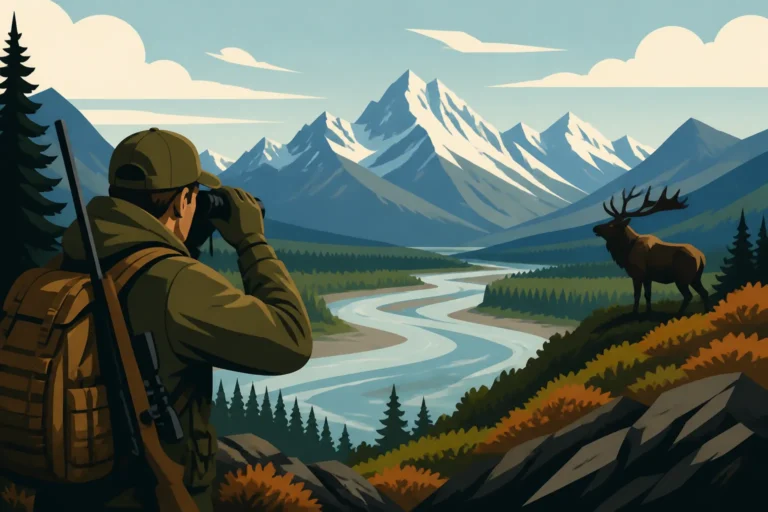
This constant interplay of water and land creates a dynamic environment. Annual floods reshape gravel bars, deposit rich silt, and clear out underbrush in some areas while allowing new, thick growth to flourish in others. The sheer density of cover can be daunting. It’s not uncommon to be within fifty yards of a mature bull moose and never know it, simply because the vegetation is so thick. Understanding this terrain means appreciating its complexity and recognizing that typical long-range glassing strategies might need to be adjusted significantly for a more intimate, close-quarters approach.
Why Wildlife Thrives in These Riparian Zones
For big game, these river bottoms are an absolute paradise. The constant availability of water is a fundamental draw, but it's the incredible diversity and abundance of forage that really makes these areas shine. Willow and alder provide prime browse for moose, especially during the colder months when other food sources dwindle. The rich, moist soils support lush grasses and forbs, critical for elk and deer. The thick cover offers unparalleled security, giving animals a sanctuary from predators and human disturbance.
Consider a cow moose raising a calf: she knows that the dense willows along a slough provide both sustenance and an escape route into the water if danger approaches. Or think about a weary bull elk during the rut, seeking refuge in a secluded timbered bench overlooking a series of braids. Bears, too, are drawn to the rich food sources, from spring greens along the banks to fall berries in the denser thickets, and even scavenging fish or other carrion washed up on the shores. The interconnectedness of these habitats means that game doesn't just pass through; they live, feed, and breed here. For a hunter, this translates into a higher probability of encountering game, but also a greater need for stealth and precision in such claustrophobic environments.
Tailoring Your Approach for River Bottom Game
Hunting these river bottoms isn't a one-size-fits-all endeavor. Each species has its preferred haunts and habits within this complex ecosystem, and understanding these nuances is key to success. You need to adjust your strategy, your gear, and even your expectations based on what you're after. The same tactics you might use for Hunting a Peace Country Grain Field just won't cut it here.
Chasing Moose in the Braids and Backwaters
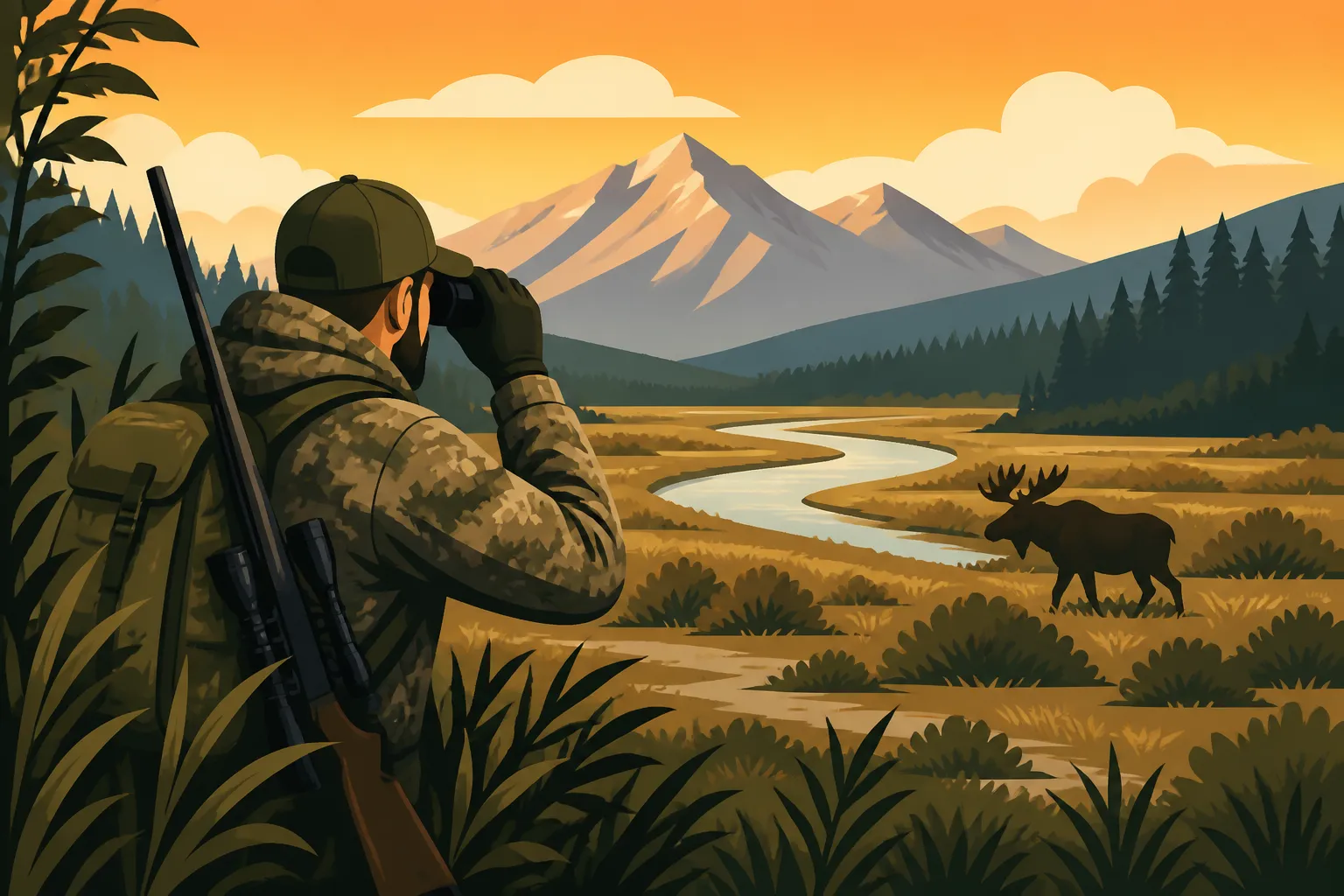
Moose are perhaps the quintessential river bottom dwellers in the Peace Country. They absolutely love the dense willows, alders, and sedge-filled sloughs. During the rut, these areas become prime real estate for bulls looking for cows. If you're targeting moose, focus your efforts on the quieter backwaters, oxbows, and the margins of the main river channel where the current slows down. Look for fresh rubs on small trees, heavily browsed willow tips, and massive tracks in the soft mud.
Calling is incredibly effective for moose in these thick environments. During the rut, a well-executed cow call or even a bull grunt can pull a curious bull right into your lap. Don't be afraid to rake brush to mimic a bull sparring, especially if you think a bull is nearby but hesitant. Position yourself in an area with good visibility (for the river bottom, this means maybe 30-50 yards) and clear shooting lanes. Moose often approach silently, so constant vigilance is critical. For more on this, you might find our guide Calling Moose in the Rut helpful. Packing one of these giants out of the thick river bottom can be a nightmare; planning for Getting a Moose Out on a British Columbia River is wise, as you might need to use the water to your advantage.
Finding Elk and Deer on the Benches and Edges
While moose dominate the wettest, thickest parts of the river bottom, elk and deer often prefer the slightly drier, higher ground. Look for elk sign on the benches that rise just above the floodplain. These areas typically have more mature timber, offering thermal cover and bedding sites, while still being close enough to the abundant water and forage of the lower riparian zone. During the elk rut, their bugles will echo through these timbered benches, and knowing how to respond can be crucial.
Mule deer and white-tailed deer will also frequent these edges, particularly where the river bottom transitions into more open forest or farmland. Whitetails are masters of thick cover, using the dense growth to their advantage. Still-hunting slowly through these transition zones, especially at first and last light, can be productive. Focus on pinch points where animals are forced to travel along narrow strips of land between water features and higher ground. Scouting with tools like onX Hunt can help identify these subtle elevation changes and drier travel corridors that aren't immediately obvious from the ground. Look for well-used game trails that parallel the river or cut through dense thickets to reach feeding or bedding areas.
Spring Bears Along the Green Riverbanks
The Peace River bottoms are fantastic for spring bear hunting. As the snow recedes and the landscape comes alive, the first green-up often occurs along the sun-exposed riverbanks and open flats. Black bears emerge from their dens, eager to feed on fresh grasses, sedges, and young shoots. These areas become natural magnets for bears looking to replenish their energy.
Your strategy here often involves covering ground, either by walking the banks or, more effectively, using a boat to slowly cruise and glass the shorelines. Look for green patches, particularly on south-facing slopes, and keep an eye out for any dark shapes. Bears will often feed in plain sight along these open areas before retreating into the deeper cover. Patience is key, as they might appear suddenly from the thick timber, or be partially obscured by bushes. Our article on Hunting Bears on a Coastal Estuary in May offers similar principles that can be adapted to these inland river systems, focusing on finding those early green-ups. Remember to always confirm species if you spot a bear, and be absolutely certain it's a black bear.
| Species | Primary River Bottom Habitat | Preferred Tactic | Optimal Time |
|---|---|---|---|
| Moose | Dense willows, sloughs, oxbows | Calling, still-hunting | Early-mid Fall (Rut) |
| Elk | Timbered benches, drier edges | Calling, spot & stalk | Early Fall (Rut) |
| Mule Deer | Transition zones, higher benches | Still-hunting, ambushing | Late Fall |
| Whitetail | Dense thickets, creek drainages | Still-hunting, stand hunting | Late Fall |
| Black Bear | Green-up zones, berry patches | Spot & stalk, still-hunting | Spring, Late Summer/Fall |
Accessing and Navigating the Peace River Country
The challenge with hunting British Columbia's Peace River bottoms isn't just finding the game; it's often getting to them in the first place and then moving around once you're there. The sheer remoteness of some areas, combined with the dense vegetation and water features, demands careful planning and appropriate gear.
Jet Boats, Foot Power, and Planning Your Ingress
Accessing these areas often means a combination of strategies. For many hunters, a jet boat is the most efficient way to penetrate deep into the river systems. You can cover significant distances, access remote stretches that are otherwise unreachable, and even use the boat as a mobile base camp. However, Jet Boat Access on British Columbia Rivers comes with its own set of challenges: shallow water, hidden snags, shifting gravel bars, and the need for significant fuel capacity. You'll need an experienced hand at the tiller and a boat capable of handling northern rivers. Always carry extra fuel, tools, and a repair kit, as help can be a long way off.
Alternatively, many productive spots are accessible by foot from logging roads or secondary roads that lead down to the river. This often means longer walks, sometimes miles, through dense bush before you even hit the prime hunting grounds. This is where detailed mapping tools become invaluable. Programs like onX Hunt or GoHunt allow you to visualize topography, identify potential access points, see land ownership (critical in areas bordering private farm or ranch land), and mark game sign. They can help you find those lesser-known trails or old cutlines that lead to a productive Hunting a Braided River Bar or a secluded slough. Remember, road systems can change rapidly due to logging or weather, so always have a backup plan. Our article on Finding Open Forest Roads in British Columbia can offer insights into navigating these networks.
Essential Scouting and Safety Protocols
Scouting is paramount in these environments. Before the season, use satellite imagery on your mapping apps to identify promising features: dense willow flats, oxbows, timbered benches, and gravel bars. During your pre-season trips, whether by boat or foot, look for fresh tracks, rubs, and well-used game trails. Pay attention to wind direction and how it funnels through the river valley. Knowing your approach routes and potential escape paths is crucial, especially when pursuing a wounded animal in thick cover.
Safety in the Peace River bottom can't be overstated. You are often in remote, unforgiving country. Bear Safety While Hunting in British Columbia is a must, as both black bears and grizzlies inhabit these areas. Carry bear spray, know how to use it, and consider carrying a firearm for defense if you are comfortable and legal to do so. Water safety is also critical: wear a PFD if you're in a boat, and be aware of strong currents and cold water if you're crossing small channels. Always let someone know your float plan or hiking route and expected return time. A satellite communication device like an inReach or Zoleo is not a luxury; it’s a necessity for remote trips. Satellite Communication on a Remote Hunt can literally be a lifesaver. Finally, if you're successful, proper Keeping Meat Cool in an Early Season is crucial, especially if temperatures are mild, to prevent spoilage on the long journey out.
Disclaimer
This article is for general informational purposes only and does not constitute professional advice. Laws, prices and regulations vary by location and change over time. Consult a qualified professional for guidance on your specific situation.