Where Roosevelt Elk Were Reintroduced
It’s truly disheartening to think about how some of British Columbia's most magnificent wildlife, like the Roosevelt elk, were pushed to the brink, or even entirely out of certain historic ranges, due to unchecked resource extraction and hunting pressures in generations past. For hunters and conservationists who value healthy, thriving ecosystems, the idea of an iconic species disappearing from its traditional home is a hard pill to swallow. This guide is all about celebrating the remarkable comeback efforts for Roosevelt elk in our province, detailing precisely where these grand animals were successfully reintroduced and how these populations have fared.
The Ghost of Giants: Roosevelt Elk's Historical Range and Decline
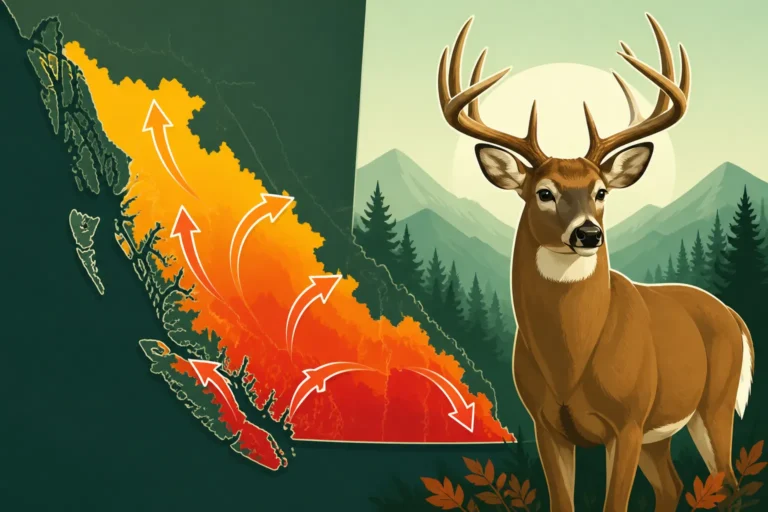
For centuries, the Roosevelt elk, a truly impressive subspecies of elk, roamed the lush, wet coastal forests of British Columbia. Imagine a bull in its prime, weighing in at a thousand pounds, bugling through the misty, ancient cedars and firs. These animals were an integral part of the ecosystem, thriving in the dense rainforests, feeding on nutrient-rich grasses and shrubs that flourished in clearings and along river systems. Their historical range stretched along the coast, from Vancouver Island and the adjacent mainland to parts of the Great Bear Rainforest further north.
However, as European settlement expanded in the late 19th and early 20th centuries, this changed dramatically. The insatiable demand for timber led to extensive logging, fragmenting their prime old-growth habitat. At the same time, unregulated hunting, often driven by necessity and a lack of understanding of wildlife management, put immense pressure on their numbers. The sheer difficulty of accessing some of their remote coastal habitats might have offered a small reprieve for isolated pockets, but by the mid-20th century, many historical populations were severely depleted or completely extirpated from vast stretches of their former territory. It was a stark reminder of how quickly even the largest and most resilient creatures could vanish without careful stewardship, leaving a void that many felt deeply.
Bringing Them Home: Key Reintroduction Programs
The story of Roosevelt elk reintroduction in British Columbia is a testament to dedicated conservation efforts and a vision for restoring ecological balance. It wasn't a quick fix, but a multi-decade commitment involving government agencies, First Nations communities, and passionate conservation groups. The goal was to bring these majestic animals back to areas where they once roamed, recognizing their crucial role in the ecosystem.
The Sunshine Coast and Lower Mainland
One of the most notable and successful reintroduction initiatives focused on the Sunshine Coast and the Lower Mainland. By the mid-20th century, Roosevelt elk were largely gone from these areas, their populations decimated. To rectify this, animals were carefully captured from thriving herds, primarily on Vancouver Island, which still held significant numbers of the subspecies.
The Sechelt Peninsula on the Sunshine Coast was a primary target for these initial releases, starting in the 1980s. The dense coastal forests, with their mix of regenerating clearcuts and old-growth stands, offered suitable habitat, while the relatively low human population density at the time provided space for the elk to re-establish. These efforts were met with cautious optimism, as translocating large animals is always a complex undertaking. Further releases occurred in areas like the Squamish Valley and the upper Pitt River drainage, aiming to create new, self-sustaining herds that could eventually expand their range naturally. It wasn't just about dropping them off; it involved ongoing monitoring, habitat assessments, and community engagement to ensure their best chance of survival. For anyone keen to understand the larger context of these animals, it's worth reading about Roosevelt and Rocky Mountain Elk in British Columbia.
Vancouver Island's Population Boosts
While Vancouver Island largely maintained a Roosevelt elk presence, some areas experienced significant declines, and other regions could support larger populations. Reintroduction efforts here often involved bolstering existing, smaller herds or establishing new populations in areas where environmental conditions were ripe for their return. This wasn't a reintroduction from zero, but rather a strategic enhancement.
Areas in central and northern Vancouver Island, particularly where large tracts of managed forest land existed, saw releases aimed at increasing genetic diversity and overall numbers. The challenge here was often managing interactions with human activity, including logging and recreation, but the robust habitat often provided ample food and cover. These efforts helped ensure that Vancouver Island remained a stronghold for Roosevelt elk, and indeed, many successful elk hunts today stem from these thriving populations. If you're looking into hunting these incredible animals, understanding Vancouver Island Deer Season Dates can offer some context, though elk seasons differ.
A Table of Key Reintroduction Areas
To give you a clearer picture, here’s a summary of some of the key Roosevelt elk reintroduction efforts in British Columbia:
| Reintroduction Area | Primary Timeframe | Source of Elk | Current Status & Habitat |
|---|---|---|---|
| Sechelt Peninsula | 1980s – 1990s | Vancouver Island | Thriving; coastal rainforest, second-growth, river valleys |
| Squamish Valley | 1980s – 1990s | Vancouver Island | Well-established; mountain valleys, old-growth, cutblocks |
| Pitt River Drainage | 1990s | Vancouver Island | Growing; dense coastal forests, riparian zones |
| Central/North Vancouver Island | Ongoing augmentation | Local Island herds | Strong; managed forests, remote wilderness |
| Greater Bear Rainforest (select areas) | More recent (2000s) | Vancouver Island, mainland | Establishing; remote coastal wilderness |
Current Distribution and Habitat Preferences
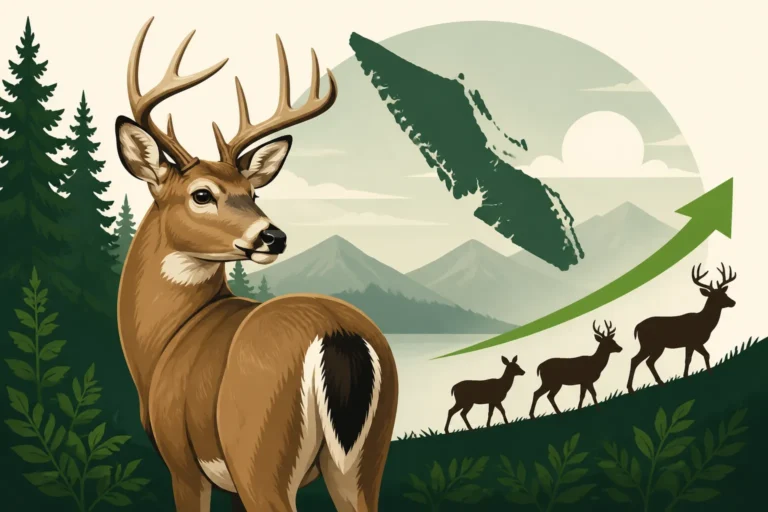
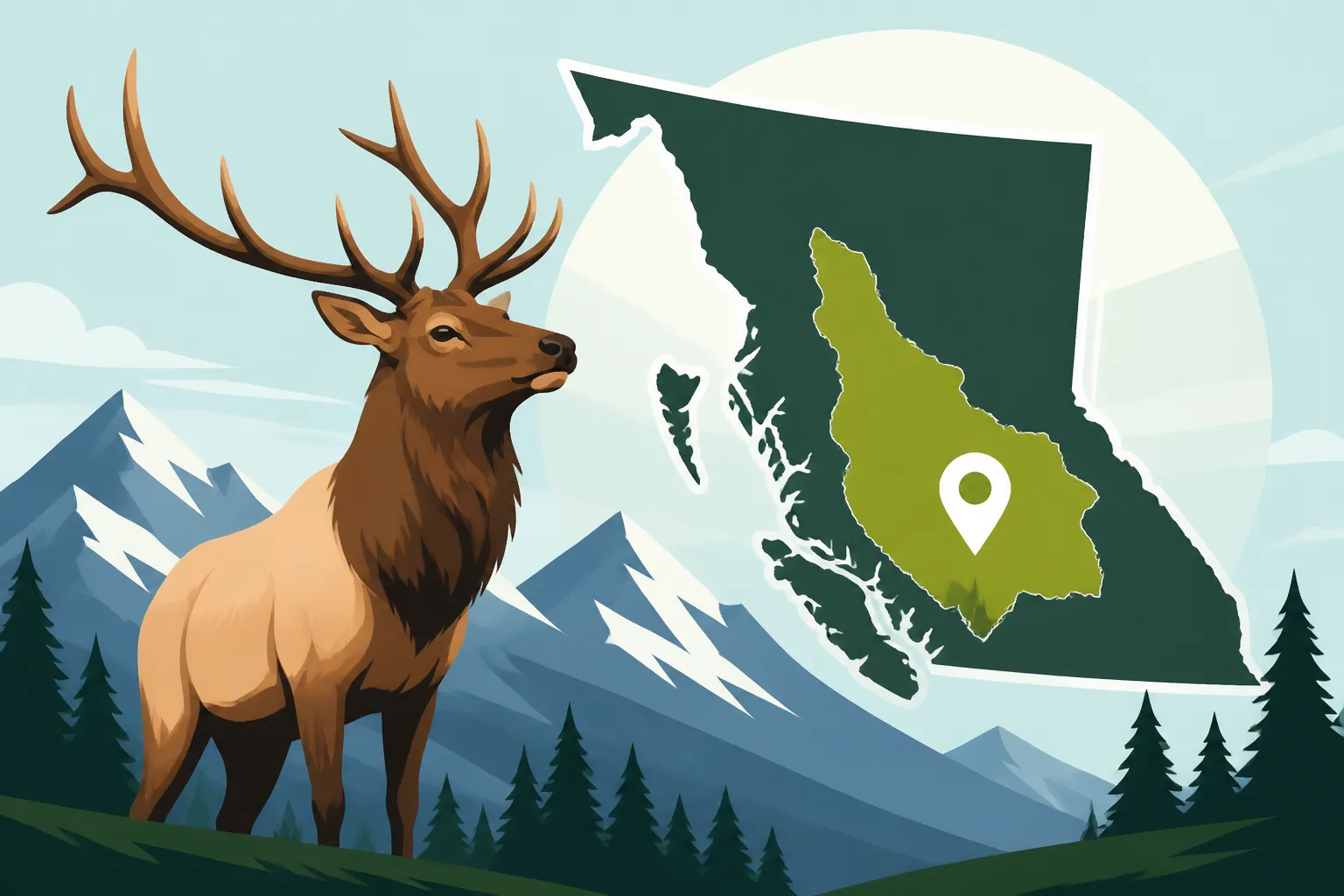
Today, the fruits of these reintroduction efforts are visible across British Columbia. Roosevelt elk populations have rebounded in many coastal areas, offering incredible opportunities for wildlife viewing and, in some carefully managed zones, hunting. Their distribution now extends well beyond the initial release sites, a clear sign of success.
These elk are creatures of the coastal rainforest, and their habitat preferences reflect this unique environment. They thrive in a mosaic of dense, mature forests for cover and security, interspersed with regenerating clearcuts, riparian zones, and estuaries that provide abundant forage. You'll often find them utilizing areas where fresh growth emerges after logging, as these provide easily accessible browse. However, they'll always be close to thick timber for escape cover and shelter from the notorious Hunting British Columbia's Coastal Rain.
Consider the Squamish Valley, for instance. Here, you'll find elk herds moving between the high-elevation slopes in summer and the valley bottom in winter, utilizing old-growth pockets and younger stands. On the Sunshine Coast, they’ll graze in open clearings near the ocean, then retreat into the heavy timber. Knowing this can be really helpful if you're looking to locate them. Tools like those offered by GoHunt can assist hunters in scouting potential habitat by overlaying public land maps with topographical features, helping to visualize where these elk might be moving. Understanding their patterns is key to any successful encounter, whether with a camera or a rifle. If you're thinking about a hunt, knowing how to approach areas of dense timber can be vital; perhaps checking out Hunting Roosevelt Elk in British Columbia Old Growth could offer some tips.
Conservation Successes, Challenges, and Management
The reintroduction of Roosevelt elk is a significant conservation success story in British Columbia, demonstrating what can be achieved with sustained effort and public support. These re-established herds contribute to the ecological health of their respective regions, acting as important grazers and browsers that influence forest regeneration and nutrient cycling. They also provide valuable recreational opportunities.
Ongoing Challenges
However, the journey isn't without its bumps. With growing populations comes the need for careful management. Predation by wolves and cougars is a natural part of the ecosystem, but can sometimes impact local herd dynamics, especially when combined with other pressures. Habitat fragmentation, while less severe than in the past, still occurs due to continued development and logging. Interactions with humans, including vehicle collisions and agricultural damage, also pose challenges. Furthermore, diseases like What Hoof Disease Does to Elk can sometimes become a concern, requiring vigilant monitoring from wildlife biologists.
Management and Hunting Opportunities
To balance population health with human interests, the province employs various management strategies. This includes habitat protection and enhancement, monitoring population numbers and health, and carefully regulated hunting seasons. Many Roosevelt elk hunts are managed through a Limited Entry Hunting (LEH) system, which allocates a limited number of tags to control harvest pressure and ensure the sustainability of the herds. This is where a resource like GoHunt becomes invaluable, allowing hunters to research LEH odds by zone and plan their applications. Understanding Roosevelt Elk Draw Rules is essential for any hunter hoping to pursue these animals.
The funds generated from hunting licences and species tags, including the British Columbia Hunting Licences and Fees and the British Columbia Deer and Elk Tags, directly contribute to wildlife management and conservation initiatives, including further research and habitat improvements. The Habitat Conservation Trust Foundation, for example, receives a portion of the What the Habitat Conservation Surcharge Pays For, funneling these resources back into projects that benefit species like the Roosevelt elk. It’s a cyclical system where responsible hunting directly supports the health and future of the very animals we cherish.
The reintroduction efforts for Roosevelt elk are a shining example of how, with dedicated work and community involvement, we can bring back a piece of our wild heritage. These magnificent animals are once again a vibrant part of British Columbia's coastal landscape, a testament to the power of conservation.
Disclaimer
This article is for general informational purposes only and does not constitute professional advice. Laws, prices and regulations vary by location and change over time. Consult a qualified professional for guidance on your specific situation.