The Federal Migratory Game Bird Permit
For anyone who’s ever stared at a multitude of hunting regulations, trying to figure out which license applies to what, the world of migratory game bird hunting in British Columbia can feel like a tangled web. You’ve got your provincial hunting license, your species tags, and then, suddenly, there’s this mention of a federal permit. It’s enough to make your head spin, but understanding the Federal Migratory Game Bird Permit is absolutely crucial for ethical and legal waterfowl hunting in BC. This guide will help clarify exactly what it is, why you need it, and how to get it so you can focus on the hunt itself.
What Exactly is the Federal Migratory Game Bird Hunting Permit?
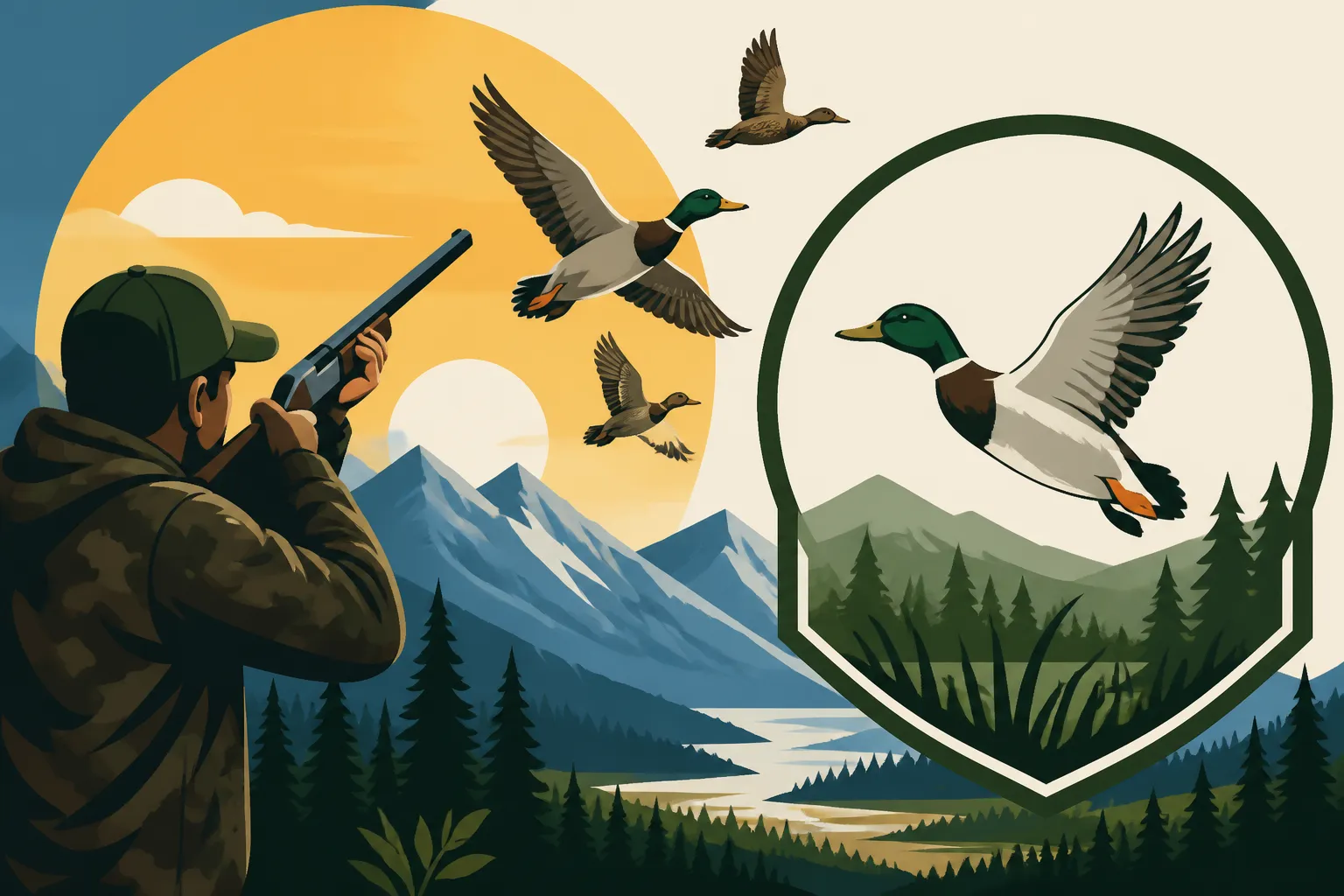
It’s easy to get confused when hunting requires layers of authorization. You’ve successfully navigated British Columbia Hunting Licences and Fees and secured your provincial hunting license, maybe even some specific tags for deer or elk. But when it comes to ducks, geese, and other migratory game birds, there's another level of permission you need to acquire. This is where the Federal Migratory Game Bird Hunting Permit comes into play. It's a national requirement, mandated by the Government of Canada, specifically for hunting species like ducks, geese, coots, and snipe that migrate across provincial and international borders. Think of it as your passport to migratory bird hunting across the country, not just within British Columbia.
This permit isn't just a piece of paper; it’s a vital component of Canada's migratory bird conservation strategy. The funds generated from its sale, and especially from the accompanying Wildlife Habitat Conservation Stamp, are directly reinvested into habitat protection, research, and conservation efforts across the country. It underscores the idea that hunters are, and always have been, some of the most dedicated conservationists, directly contributing to the health of the very populations they pursue. Without this federal layer of regulation, it would be much harder to manage these shared, mobile resources effectively across diverse landscapes and jurisdictions.
It's critical to understand that this federal permit doesn't replace your provincial hunting license. Instead, it complements it. You absolutely need both your valid provincial hunting license (which often includes your Firearm Safety and CORE competency certification) and the Federal Migratory Game Bird Hunting Permit, along with the Wildlife Habitat Conservation Stamp, to legally hunt migratory game birds in British Columbia. If you're missing either one, you're not in compliance, and that can lead to significant penalties.
The Integral Role of the Wildlife Habitat Conservation Stamp
While the Federal Migratory Game Bird Hunting Permit is the official document, it's always issued in conjunction with the Wildlife Habitat Conservation Stamp. This stamp isn't just a pretty picture; it's the financial backbone of Canada's waterfowl and wetlands conservation programs. When you purchase your federal permit, you're essentially buying the stamp, and the cost of the stamp is included in the permit fee. The funds collected from these stamps are directed into the North American Wetlands Conservation Council (Canada), which then distributes grants to various conservation projects.
A significant portion of these funds often goes to organizations like Ducks Unlimited Canada, who are at the forefront of preserving, restoring, and managing wetlands across the country. These wetlands are not only crucial breeding grounds and staging areas for migratory birds but also provide essential ecosystem services like water filtration and flood control. So, every time you buy a stamp, you're directly contributing to the survival and flourishing of the birds you love to hunt, as well as countless other species that rely on healthy wetland habitats. It's a powerful example of how user-pay, user-benefit models can drive effective conservation.
Historically, these stamps were physical, adhesive items that you'd literally stick onto your permit. While the process has become largely digital, the concept remains the same: a dedicated fee for dedicated conservation. You might remember the days of having to affix a physical stamp, but now it’s often integrated into the permit itself, or the purchase simply validates your contribution. The important thing is that without paying for this stamp as part of your federal permit, your migratory bird hunting activities are not legal. This cooperative funding model, shared with the United States, is a cornerstone of the North American Waterfowl Management Plan, a hugely successful international conservation initiative. You can learn more about What the Habitat Conservation Surcharge Pays For at a provincial level, but the federal stamp operates on a national and international scale.
Who Needs This Permit and How to Get One
The simple answer is: anyone wishing to hunt migratory game birds in Canada, regardless of age or residency status, needs this permit. This includes residents of British Columbia, other Canadian provinces, and non-resident hunters visiting BC. If your target species is a duck, a goose, a coot, or a snipe, then this permit is non-negotiable. It doesn’t matter if you’re heading out for a full day of Waterfowl Hunting British Columbia's Estuaries or just planning a quick hunt in the interior. Even if you hold a valid British Columbia Resident Hunting Licence Cost, that alone won't suffice for migratory birds.
Getting your Federal Migratory Game Bird Hunting Permit is a straightforward process, thankfully. The easiest and most common way is to purchase it online directly from the Government of Canada's website. You can also find them at participating Canada Post outlets across the country. When you buy online, you'll typically print your permit at home. It's crucial to make sure your printer is working well and that the print quality is clear, as this is your official document.
Here’s a general step-by-step for acquiring your permit:
- Visit the Official Website: Navigate to the Environment and Climate Change Canada website (or search for "Federal Migratory Game Bird Hunting Permit").
- Select Your Permit: Choose the appropriate permit. The price is standard across Canada for all hunters. The current cost is quite reasonable, especially when considering the significant conservation impact it has.
- Provide Information: You'll need to enter your personal details, including your full name, address, and provincial hunting license number.
- Payment: Pay the required fee using a credit card or other accepted online payment methods.
- Print: Once purchased, you'll receive a printable PDF version of your permit. Print it immediately and ensure it’s signed where required. Keep this printed copy with you at all times while hunting migratory game birds.
It's important to note that the permit is valid for a specific hunting season, usually from September 1st of one year to August 31st of the next, so you’ll need to purchase a new one annually. Always check the exact validity dates when you purchase. Furthermore, while the permit itself is national, you still need to adhere to provincial regulations for bag limits, season dates, and other local rules. For example, while the federal permit allows you to hunt migratory birds, you'll need to consult the British Columbia Game Bird Seasons and specific dates for British Columbia Duck Season Dates and Goose Season Dates by Region to ensure you're hunting within legal windows and limits for your specific area.
Key Regulations and Ethical Hunting Practices
Having the Federal Migratory Game Bird Hunting Permit is just one piece of the puzzle; understanding and adhering to the myriad of regulations governing migratory bird hunting is equally important. These regulations are designed to ensure sustainable harvests and protect bird populations for future generations. It’s not just about what you can do, but what you should do, for the health of the resource.
One of the most critical federal regulations is the requirement to use non-toxic shot when hunting migratory game birds. This means traditional lead shot is strictly prohibited for waterfowl and certain upland birds in specific areas. The reason for this is environmental: lead shot fragments can be ingested by birds, leading to lead poisoning, which can be lethal. Switching to alternatives like steel, bismuth, or tungsten is essential. You can delve deeper into Non-Toxic Shot Requirements for Waterfowl to understand the specific rules and exceptions. This regulation applies universally across all of Canada, making it a cornerstone of responsible waterfowl hunting.
Beyond shot type, federal regulations also stipulate daily bag limits and possession limits for various species, as well as general British Columbia Shooting Hours for migratory birds, which typically run from half an hour before sunrise to half an hour after sunset. These limits can vary by species, time of year, and geographic zone within British Columbia, so it’s crucial to consult the annual federal Migratory Game Bird Hunting Regulations Summary for your specific region. This summary is available online through Environment and Climate Change Canada and is your go-to resource for detailed rules. Many hunters find tools like GoHunt invaluable for planning and organizing their hunts, but always verify federal migratory bird regulations directly from the official government sources.
It is also an ethical responsibility to ensure proper retrieval of downed birds and to avoid wasting game. Crippled birds should be pursued diligently to ensure they are humanely dispatched and recovered. This respect for the animal is a core tenet of responsible hunting. While there isn't a federal compulsory reporting rule for migratory birds in the same way some big game species have, hunters are often asked to participate in voluntary surveys or to submit wings from harvested birds for scientific study. This data helps biologists monitor population health and adjust future regulations. By understanding these regulations and practicing ethical hunting, you contribute directly to the ongoing conservation efforts that make migratory bird hunting in British Columbia, and indeed across Canada, possible.
Addressing Common Questions and Scenarios
Even with the clearest explanations, specific questions often pop up about the Federal Migratory Game Bird Hunting Permit. Let's tackle some of the most common ones to ensure you're fully prepared for your next waterfowl adventure.
Q: Can I hunt migratory game birds with just my provincial hunting license?
A: Absolutely not. This is a common and dangerous misconception. As mentioned earlier, you need both a valid provincial hunting license issued by British Columbia (or any other province where you hold resident status) and the Federal Migratory Game Bird Hunting Permit, which includes the Wildlife Habitat Conservation Stamp. Missing either one puts you in violation of federal and/or provincial law. Always ensure you have both documents on your person while hunting.
Q: Does this permit cover all bird hunting, like grouse or pheasants?
A: No, this permit is specifically for migratory game birds, which include most species of ducks, geese, mergansers, coots, and snipe. Upland game birds like grouse, ptarmigan, pheasants, and partridge are covered by your provincial hunting license and any specific provincial regulations or tags that might apply to them. Think of the federal permit as a specialized endorsement for birds that cross borders, while your provincial license covers resident game.
Q: What about youth hunters? Do they need a permit?
A: Yes, generally all hunters, regardless of age, need to purchase the federal permit. While there are sometimes different rules or exemptions for youth regarding provincial licenses or hunter education (like the British Columbia Youth Hunting Rules), the federal requirement for migratory bird hunting typically applies to everyone participating in the hunt. Always double-check the most current federal regulations for any specific youth exemptions or requirements, but it's safest to assume a permit is needed.
Q: What are the consequences of hunting migratory birds without a federal permit?
A: Hunting without the required federal permit can lead to serious legal repercussions. This could include substantial fines, confiscation of hunting equipment (including firearms), forfeiture of harvested birds, and even potential bans from hunting for a period. Wildlife enforcement officers, whether federal or provincial, take these violations seriously because the permit is so integral to conservation funding and management. It's simply not worth the risk.
Q: How does this tie into planning a hunt with resources like GoHunt?
A: Tools like GoHunt are fantastic for mapping out potential hunting areas, understanding provincial boundary lines for Hunting British Columbia's Management Units and Regions, and identifying land ownership. They can help you with scouting, knowing your access points, and understanding local terrain, which is vital for targeting areas like Hunting British Columbia's Interior Marshes or coastal estuaries. However, these platforms primarily focus on access and provincial regulations. While they are invaluable for logistics, you must remember that the Federal Migratory Game Bird Hunting Permit is a separate, federal requirement. You'd use GoHunt to find a great spot, but you’d then ensure your federal permit is in your wallet before heading out.
Migratory Game Bird Hunting Requirements at a Glance
To make things a little clearer, here’s a quick overview of the essential requirements for hunting migratory game birds in British Columbia:
| Requirement | Issuing Authority | Purpose | Key Considerations |
|---|---|---|---|
| Provincial Hunting License | Province of BC | General authority to hunt in BC; hunter ID & safety | Required for all hunting in BC; must meet British Columbia Hunter Education and CORE requirements. |
| Federal Migratory Game Bird Hunting Permit | Gov. of Canada | Specific authority to hunt migratory game birds | Required for ducks, geese, coots, snipe; purchased annually; always printed and carried. |
| Wildlife Habitat Conservation Stamp | Gov. of Canada | Funds conservation & habitat projects | Included with Federal Permit; vital for wetland conservation; historically a physical stamp, now often integrated. |
| Non-Toxic Shot | Gov. of Canada | Environmental protection for migratory birds | Mandatory for waterfowl and certain other migratory game birds; lead shot prohibited. |
| Compliance with Season Dates & Limits | Both Federal & BC | Sustainable harvest & species management | Consult both federal summary & British Columbia Game Bird Seasons; limits vary by species and region. |
This table highlights that migratory bird hunting is a layered activity. Each layer is there for a good reason, ultimately ensuring that these birds remain plentiful and their habitats robust for generations of hunters and wildlife enthusiasts to come. By respecting and adhering to these rules, you're not just staying legal, you're participating in a much larger conservation effort that truly makes a difference.
Disclaimer
Please remember that hunting regulations, fees, and requirements are subject to change. Always consult the most current official publications from Environment and Climate Change Canada and the British Columbia Ministry of Forests, Lands, Natural Resource Operations and Rural Development (or its successor agencies) before planning or engaging in any hunting activity. This guide is for informational purposes only and should not be considered legal advice.