Where British Columbia’s Moose Are Densest
Finding moose in British Columbia can sometimes feel like chasing a ghost, especially when you're trying to pinpoint those elusive areas where their populations truly thrive. It's frustrating to pour over maps and regulations, wondering if you're even looking in the right general direction for a strong bull or a healthy cow. This guide is here to cut through that confusion, diving deep into the geographical and ecological factors that contribute to the densest moose populations across British Columbia, helping you understand where to focus your efforts.
Understanding British Columbia's Moose Distribution
British Columbia is a vast and incredibly diverse province, and its moose populations are spread out, but not evenly. Understanding the broader patterns of where these magnificent animals choose to live, and why, is the first step in unlocking successful hunting opportunities. It’s not just about looking for any moose sign; it’s about understanding the landscapes that truly sustain healthy, dense populations.
The Broad Picture: Why Moose Thrive Here
Moose, particularly the Shiras moose (which is the subspecies found in most of BC), are perfectly adapted to the varied boreal and sub-boreal forest ecosystems that dominate much of British Columbia's interior and northern regions. These aren't creatures of the open prairie or dense coastal rainforests. Instead, they seek out a specific blend of diverse forage, ample water, and sufficient cover. British Columbia, with its extensive network of rivers, lakes, wetlands, and regenerating forests, offers just that. From the rolling hills of the Cariboo to the vast expanses of the Peace Region, these areas provide the mosaic of habitats essential for moose survival and reproduction. The sheer scale of unfragmented wilderness, especially in the province's north, allows moose populations to exist relatively undisturbed, leading to higher densities in certain pockets. This expansive territory provides everything they need from season to season, from browse in the summer to more sheltered areas in the winter.
Factors Influencing Moose Range
The distribution of moose isn't random; it's heavily influenced by a combination of climate, vegetation, and elevation. Historically, moose expanded their range across British Columbia, following suitable habitat as forests matured and climate patterns shifted. Today, their presence is strongest where winter snow depths are manageable but deep enough to deter deer and other competitors, and where summer temperatures don't become excessively hot, which can stress these large-bodied animals. The availability of specific forage, like willow, aspen, and various aquatic plants, is a primary driver. These plants provide the high nutritional content necessary for moose to grow and maintain their massive body size. Areas with a consistent supply of these browse species, often found in riparian zones, wetlands, and recently disturbed forests, tend to support greater numbers. Elevation also plays a role; while moose can be found from valley bottoms to subalpine regions, their highest densities are often in lower-to-mid elevation zones with easy access to both food and water. For a deeper dive into their habitat, consider learning more about Moose in British Columbia's Interior and North.
Historical Context of Moose Populations
Understanding where British Columbia's moose are densest today often requires a look back at how their populations have fared over time. Moose numbers across the province have seen various fluctuations, influenced by factors like logging practices, wildfire cycles, severe winters, and predation. In the early to mid-20th century, extensive logging and subsequent regrowth actually created ideal moose habitat in many areas, leading to population booms. However, in more recent decades, some regions have experienced declines due to factors like mature forest cover reducing browse, increased predator pressure, and diseases like winter ticks. The Ministry of Forests, Lands, Natural Resource Operations and Rural Development (FLNRORD) continually monitors these trends, and their data often highlights specific regions that consistently support robust populations despite these challenges. For instance, areas that have experienced recent, controlled burns or natural wildfires often show a subsequent increase in moose density a few years later, as the new growth provides abundant forage.
The Top Regions for Moose Concentration
When we talk about the densest moose populations in British Columbia, certain regions consistently rise to the top. These are the areas where the combination of habitat, climate, and historical factors has created prime conditions for moose to not just survive, but to truly flourish. If you're planning a moose hunt, these are the general directions you'll want to be pointing your compass.
The Northern Powerhouses: Peace and Omineca
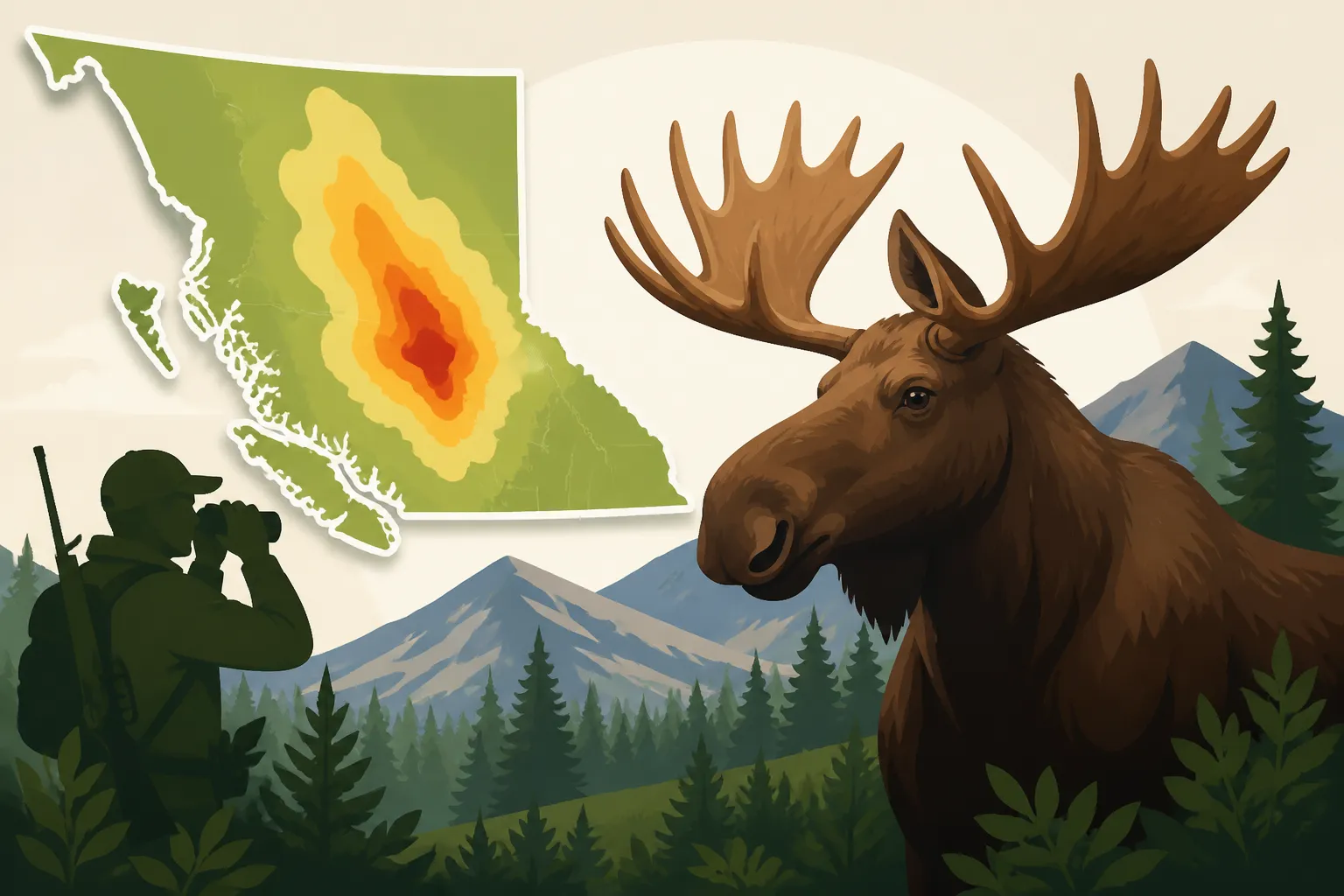
Without a doubt, the northern reaches of British Columbia, particularly the Peace Region and the Omineca-Prince George area, are legendary for their moose numbers. These vast, expansive areas offer seemingly endless tracts of boreal forest, interspersed with countless lakes, rivers, and wetlands. The Peace Region, extending into the foothills of the northern Rockies, is characterized by a mix of mature timber, recent cutblocks, and extensive willow bottoms along river systems like the Halfway and the Finlay. Here, the browse is abundant, and the sheer scale of the landscape means moose have plenty of room to roam and minimal human disturbance in many areas. Similarly, the Omineca region, stretching north and west of Prince George, is classic moose country. This area is defined by rolling terrain, extensive swamps, and dense regenerating forests following decades of logging activity. Hunters often find themselves navigating a maze of logging roads, constantly on the lookout for a bull stepping out of a willow flat. The low human population density and the vastness of the Crown land in these regions contribute significantly to their high moose numbers. When considering Moose Hunting British Columbia's Interior, these northern zones are often the first to come to mind for good reason.
Central BC's Hidden Gems: Cariboo and Skeena
Moving south from the northern strongholds, the Cariboo and Skeena regions also hold significant, often very dense, moose populations. The Cariboo, specifically the region around Williams Lake and west towards the Chilcotin Plateau, is known for its diverse mosaic of forest, grasslands, and countless lakes. While perhaps not as universally dense as some northern areas, the Cariboo has specific pockets, particularly around river drainages and wetlands, that are exceptional. The Quesnel and Nazko areas, for instance, are historically strong moose producers. These areas provide excellent browse in younger forests and crucial thermal cover in more mature stands.
The Skeena region, spanning much of west-central British Columbia, particularly the Bulkley Valley and areas around Houston and Burns Lake, is another hotspot. Here, moose benefit from the varied terrain, including extensive river valleys, plateaus, and mountains. The numerous wetlands and the prevalence of young, nutritious browse that emerges after timber harvesting make it an ideal environment. The habitat is generally excellent, and while access can sometimes be challenging due to terrain or road conditions, those willing to put in the effort are often rewarded with encounters in some very dense pockets.
Interior Moose Pockets
Beyond these major regions, numerous smaller, yet incredibly dense, moose pockets exist throughout the interior of British Columbia. These are often localized areas characterized by specific habitat features that concentrate moose. Think of the large, sprawling river systems like the Fraser River and its tributaries, particularly in the Cariboo and Fraser Canyon areas, where extensive riparian zones offer excellent forage and water. Beaver pond complexes, common across the interior, are also prime locations, creating dynamic wetlands that moose absolutely love.
Additionally, areas affected by recent, high-intensity wildfires can become phenomenal moose habitat after a few years. While initially devastating, the regrowth of willow, aspen, and other deciduous species in these burns provides a nutritional bonanza for moose. Similarly, active logging areas, after the initial disturbance, quickly regenerate with succulent young browse, creating temporary, but often very dense, moose concentrations. It’s about finding those specific micro-habitats within larger regions that really hold the numbers.
Here’s a simplified overview of some top regions and their characteristics:
| Region | Key Geographical Features | Primary Habitat Types | Notable Moose Densities |
|---|---|---|---|
| Peace Region | Boreal forest, foothills, large river systems | Extensive willow flats, regenerating cutblocks | Very high, especially along major river drainages |
| Omineca | Rolling terrain, countless lakes, swamps | Boreal forest, deciduous regrowth, wetlands | High, particularly in post-logging areas and wet zones |
| Cariboo | Mixed forest, grasslands, numerous lakes | Riparian zones, younger forests, beaver ponds | Good, with specific high-density pockets |
| Skeena | River valleys, plateaus, mountainous terrain | Varied forest, wetlands, post-harvest regrowth | Strong, especially in valley bottoms and near water |
| Kootenays | Mountain valleys, mixed forests, river bottoms | Aspen stands, riparian zones, subalpine meadows | Moderate to good in localized areas, often higher elevation |
Habitat Hotspots: What Attracts Moose
Knowing the general regions is one thing, but truly understanding what makes a specific patch of ground a "moose hotspot" is where the real knowledge lies. Moose are quite particular about their environment, seeking out areas that provide a perfect blend of food, water, and security. It's not just about cover, but the right kind of cover, and not just food, but the right kind of food.
Prime Foraging Areas: Willow Flats and Young Browse
Moose are browsers, meaning their diet consists primarily of twigs, leaves, and shrubs, not grass. Their absolute favourite foods include willow, aspen, birch, and dogwood. These deciduous species are incredibly nutritious and grow prolifically in disturbed areas, riparian zones, and wetlands. This is why you'll often find the highest densities of moose in expansive willow flats along rivers, creeks, and lake shores. These areas are veritable grocery stores for moose, offering year-round sustenance.
Furthermore, recently logged areas or those recovering from wildfire provide a bounty of young, regenerating browse that moose absolutely relish. After an area is cleared or burned, these pioneer species are often the first to grow back, creating a dense thicket of tender, palatable shoots. A clearcut in its third to tenth year, for instance, can be an incredible place to find moose, as the brush is at the perfect height and nutritional value. This cycle of disturbance and regeneration is critical to maintaining high moose densities, and it’s a key reason why certain areas might see an ebb and flow in their moose populations over the decades. You'll hear many seasoned hunters talking about Hunting a Recent Cutblock in Its Third Year as a prime strategy.
Water Sources and Thermal Cover
Beyond just food, moose need consistent access to water and thermal cover. Water is essential not just for drinking, but also as a source of aquatic vegetation, which is a significant part of their summer diet. Moose are often seen wading into lakes, ponds, and slow-moving rivers to feed on lilies and other submerged plants. These aquatic foods are rich in minerals and provide a welcome respite from biting insects. Thus, areas with an abundance of shallow lakes, beaver ponds, and slow-moving river oxbows are natural magnets for moose.
Thermal cover, especially during hot summer days and harsh winter months, is equally crucial. In summer, moose seek out dense conifer stands or cool, shaded riparian zones to escape the heat and insects. Their large body size means they can overheat easily. In winter, dense stands of mature conifers provide critical shelter from heavy snow and cold winds, helping them conserve energy. This means that while they feed heavily in open, regenerating areas, they won't be far from thick timber that offers refuge. You might find them bedding down in dense spruce stands adjacent to their feeding grounds, or even in an Old Growth Draw if it offers enough protection.
The Role of Old Growth and Regenerating Forests
The ideal moose habitat is rarely a monoculture; it’s a mosaic of different forest stages. While young, regenerating forests provide abundant browse, older growth forests, especially those with a healthy understory, offer essential thermal and security cover. A healthy moose population relies on this blend. Old growth, particularly conifer stands, offers shade in summer and protection from snow and wind in winter. It also provides important travel corridors and safe havens from predators.
However, too much mature, dense forest without disturbance leads to a decline in browse availability, which in turn reduces moose numbers. This is why the dynamic interplay between old growth and regenerating areas is so vital. When planning a hunt, look for areas where recent clearcuts or burns are adjacent to mature timber, or where willow-choked creek bottoms run through mixed forest. This patchwork provides both the food moose need to thrive and the security they crave, allowing them to remain in an area for longer periods and reach higher densities.
Environmental Pressures and Shifting Moose Densities
Even in the best habitat, moose populations are dynamic, constantly responding to a variety of environmental pressures. It’s not enough to know where they were dense last year; a good hunter needs to understand why those densities might shift and what factors are influencing the herd in real-time. This understanding can help predict where moose might be moving or whether a particular area is experiencing a downturn or an upswing in numbers.
Wildfire's Dual Impact on Moose Habitat
Wildfire has a profound and often contradictory impact on moose populations in British Columbia. In the immediate aftermath, a severe burn can be devastating, destroying vast swaths of habitat and displacing animals. However, in the long term, wildfire is often a critical natural process that rejuvenates moose habitat. As discussed, the regrowth in burned areas—especially willow, aspen, and birch—provides a tremendous surge of high-quality browse within a few years. This surge can lead to a significant increase in local moose densities as animals flock to the abundant food source.
The challenge lies in understanding the stage of the burn. A very recent burn might still be too barren, while a burn that's twenty years old might have grown too thick with conifers to provide ideal browse. The sweet spot is typically three to fifteen years post-fire, where the regenerating deciduous growth is at its peak. Hunters often look for a Burned Slope Two Years On or older. These areas, particularly south-facing slopes that warm quickly, can become major moose magnets. However, severe fires can also destroy critical winter range, impacting populations down the line. It's a complex picture, and staying informed about recent fire activity in your target areas is essential. For more information, check out What Wildfire Did to Moose Habitat.
Pine Beetle Epidemics and Forest Health
The mountain pine beetle epidemic, which has ravaged vast tracts of British Columbia's lodgepole pine forests over the past couple of decades, has also had a significant, albeit indirect, impact on moose habitat. While moose don't typically eat pine, the widespread mortality of pine stands has led to massive salvage logging operations. These logging activities, much like traditional clearcutting, result in significant forest disturbance and, subsequently, the regeneration of deciduous browse species.
Initially, the sheer scale of dead standing timber can create challenging hunting conditions and alter animal movement patterns. However, once the dead pine is harvested and the area begins to regenerate, it can create excellent, albeit temporary, moose habitat. These beetle-killed areas often see a burst of understory growth that moose readily utilize. The long-term ecological shift, with more deciduous species replacing pine in some areas, could potentially support moose populations in new ways. Conversely, a complete change in forest composition without the right successional species could reduce suitability. It’s a dynamic landscape, and understanding the history of beetle-kill and subsequent logging in an area can give you a significant advantage.
Predation and Disease Considerations
Moose populations are also heavily influenced by predation, primarily from wolves and to a lesser extent, black bears and grizzlies, particularly on calves. In areas with high predator densities, moose populations may struggle to reach their full potential. British Columbia has robust wolf populations in many of the same northern and interior regions where moose thrive, leading to a natural predator-prey dynamic. Understanding local wolf pack territories and activity can sometimes give clues about moose distribution; moose might avoid areas with consistent wolf pressure or use dense cover more frequently.
Diseases and parasites, like the winter tick (Dermacentor albipictus), can also impact moose health and population densities. Severe tick infestations can weaken moose, particularly calves and yearlings, leading to significant mortality rates in some years. Climate change, with milder winters, is thought to exacerbate tick issues, as fewer ticks are killed off by freezing temperatures. While direct observation of these factors is difficult for hunters, understanding that these environmental pressures are at play provides a more complete picture of why moose numbers might fluctuate, even in seemingly prime habitat. This ongoing cycle of environmental factors means that knowing Why Moose Numbers Fell in the Interior in certain periods is crucial for assessing current densities.
Strategizing Your Hunt in High-Density Moose Zones
Once you have a solid understanding of where British Columbia's moose are generally densest and why those areas are so attractive to them, the next step is to translate that knowledge into a practical hunting strategy. It's about combining broad ecological understanding with specific, localized research and on-the-ground tactics.
Researching Specific Management Units
The first and most critical step in strategizing your hunt is to zero in on specific Management Units (MUs) or Limited Entry Hunting (LEH) zones that are known for strong moose populations. The BC Hunting and Trapping Regulations Synopsis is your bible here. It will outline open seasons, bag limits, and any specific antler restrictions (like the famous four-point rule for moose in some areas). But beyond the regulations, you need to dig deeper. Talk to local conservation officers, forestry workers, or experienced hunters who have spent time in the area. Online forums and local hunting groups can also be invaluable resources for current conditions and traditional hotspots.
Pay close attention to historical harvest data, if available. While this data isn't always granular enough for specific density predictions, it can indicate which MUs consistently produce high numbers of moose. Look at maps—topographic maps, forest cover maps, and even satellite imagery from platforms like Google Earth or GoHunt. These tools allow you to identify potential moose habitat, such as extensive willow flats, recent cutblocks, old burns, and access to water. You can often see the patchwork of forest types and identify potential travel corridors or bedding areas. This detailed research is paramount for Scouting a British Columbia Management Unit.
Utilizing Technology and Local Knowledge
In today's hunting world, technology is a powerful ally. GPS devices and mapping apps like GoHunt have revolutionized how hunters navigate and scout. With these tools, you can upload maps, mark waypoints for moose sign, track your movements, and even identify property boundaries. GoHunt provides detailed overlays that can show you Crown land, private land, and sometimes even forest tenure areas, which can be crucial for access. Before you even set foot in the woods, you can digitally scout vast areas, identifying potential hot spots, access points, and escape routes.
However, technology is best combined with local knowledge. There’s no substitute for talking to people who live and work in the areas you plan to hunt. Local store owners, gas station attendants, and forestry contractors often have invaluable insights into recent moose sightings, road conditions, and which areas have seen recent activity (logging, fire). They can tell you about specific backroads that are now deactivated or bridges that are out – details that a map won’t always show. This blend of high-tech scouting and low-tech communication creates a comprehensive picture of where moose might be currently concentrated.
On-the-Ground Scouting and Adaptability
Even with all the research and digital scouting in the world, nothing beats on-the-ground reconnaissance. If possible, scout your chosen areas during the off-season. Look for fresh moose sign: tracks, rubs on trees, browse lines, and droppings. Identify key features like preferred feeding areas, bedding cover, and water sources. Pay attention to game trails, as moose often use predictable routes between these areas. During this time, you can also assess access, verify road conditions, and pinpoint good spots for a camp or for parking.
Once the season opens, be prepared to be adaptable. Moose are large animals, but they can be incredibly elusive. Weather patterns, hunting pressure, and forage availability can all cause them to shift their patterns. If your initial plan isn't producing results, don't be afraid to change tactics or move to a different area within your researched zone. Perhaps a recent rainfall has made a specific willow flat more attractive, or increased hunting pressure has pushed them into thicker timber. Being able to read the land and adjust your strategy based on fresh sign and current conditions is the hallmark of a successful moose hunter in British Columbia's densest zones. Remember that understanding Hunting Moose Off a British Columbia Forest Road can be a key strategy, but so can deep dives into specific areas like Hunting a Willow Flat in Moose Country.
Disclaimer
Hunting is an inherently risky activity. The information provided in this guide is for informational purposes only and should not replace professional guidance, thorough personal research, or adherence to all current British Columbia hunting regulations. Always prioritize safety, respect wildlife, and obtain all necessary licenses and permits before heading into the field. Regulations can change, so consult the official BC Hunting and Trapping Regulations Synopsis annually.