Mountain Goats in British Columbia’s Peaks
For many hunters, the dream of pursuing a mountain goat in British Columbia's rugged peaks remains just that—a dream, often perceived as an insurmountable challenge due to the extreme terrain and specialized knowledge required. But it doesn't have to be. This comprehensive guide will pull back the curtain on everything you need to know about successfully and ethically hunting these incredible animals in BC's majestic alpine, turning that dream into a tangible plan.
Understanding British Columbia's Mountain Goats
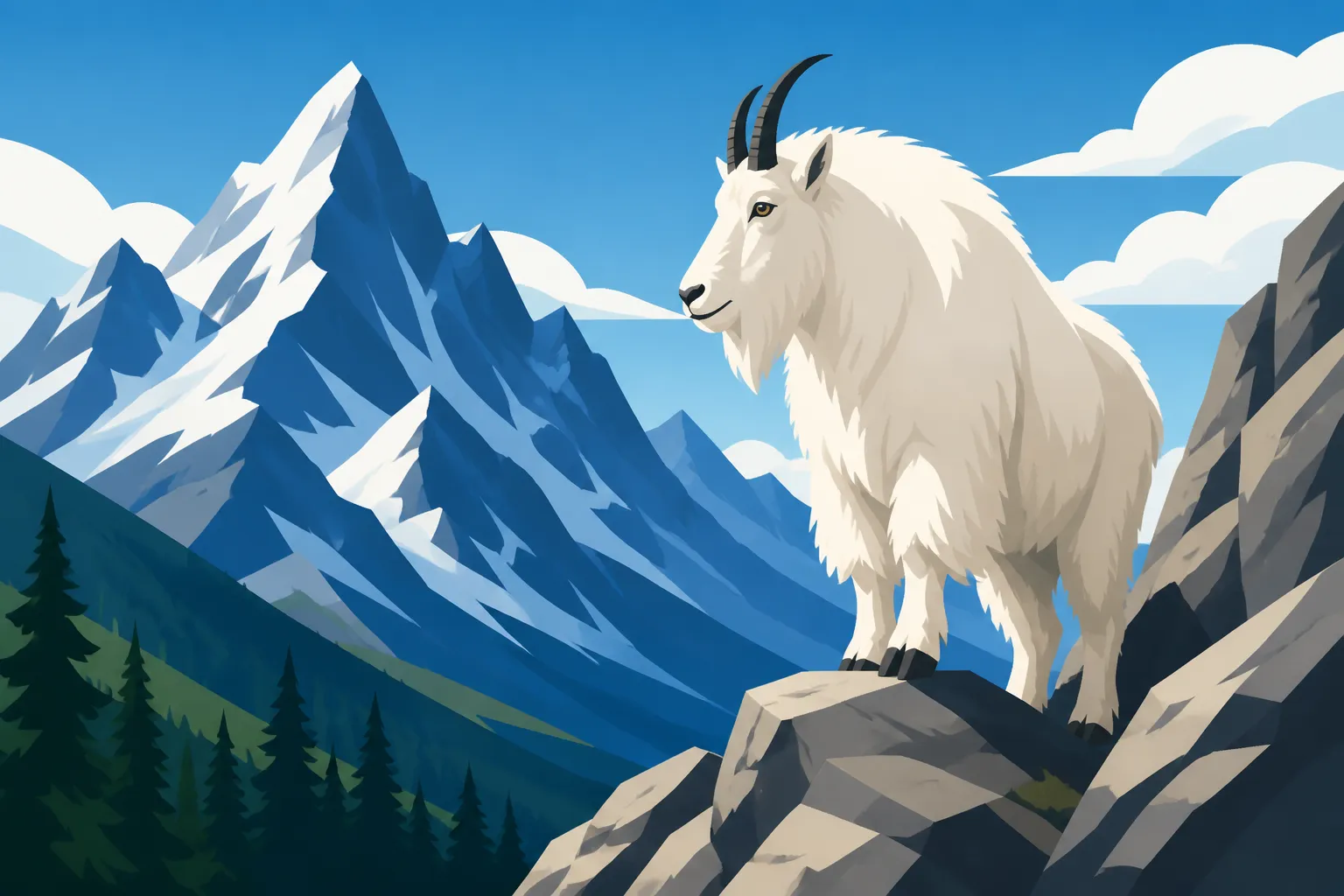
Mountain goats (Oreamnos americanus) are one of North America's most iconic and elusive big game species, perfectly adapted to the most extreme alpine environments. Their pure white coats, shaggy beards, and striking black horns make them a prized trophy, but it's their sheer tenacity and the demanding landscapes they call home that truly captivate hunters. In British Columbia, these animals thrive across vast swathes of suitable habitat, presenting a truly wild and challenging hunting experience.
Biology and Behavior of Oreamnos americanus
Mountain goats are not true goats but belong to the subfamily Caprinae, more closely related to chamois and muskoxen. Their physical adaptations are nothing short of remarkable. With cloven hooves featuring rough, non-slip pads and flexible, split toes that can spread wide, they possess incredible traction and balance on the steepest, most unforgiving rock faces. Their powerful shoulder and neck muscles allow them to navigate vertical terrain with astounding ease, often traversing cliffs that seem impossible for any large mammal. Their dense, woolly undercoat and long guard hairs provide exceptional insulation against the fierce winds and freezing temperatures common in their high-altitude domain, making them perfectly suited for the harsh British Columbia winters.
Behaviorally, goats are often solitary or live in small bachelor or nursery groups. Nannies with kids typically stick to the most precipitous cliffs, offering protection from predators like cougars, wolves, and bears. Billies (males) might range slightly wider but rarely stray far from escape terrain. During the rut, which typically occurs in late October and November, billies become more aggressive, often engaging in fierce horn-clashing battles for breeding rights. Understanding these behaviors is crucial for hunters, as their movements are often predictable once you learn to read their patterns and habitat use. Knowing when they might be more concentrated or vulnerable, such as during the pre-rut or when they descend slightly to feed on mineral licks, can significantly influence hunting success.
Habitat Preferences in British Columbia
British Columbia offers an immense amount of prime mountain goat habitat, characterized by precipitous cliffs, rugged mountainsides, and high alpine meadows interspersed with timberline fir and spruce. They are obligate alpine dwellers, meaning they depend almost entirely on these high, rocky environments for survival, particularly the extreme slopes that predators struggle to access. During summer, goats graze on a variety of alpine forbs, grasses, and shrubs found in meadows and along rock slides. As winter approaches, they often move to south-facing slopes, where snow accumulation is less, or seek refuge under rock overhangs and in dense, wind-swept timber at the very edge of the alpine.
Identifying key habitat features is paramount for a successful hunt. Look for areas with a mix of steep, broken rock for security, open grassy slopes or avalanche chutes for feeding, and nearby timber for shelter. Hunting Mountain Goat on British Columbia Rock is a true testament to the type of challenging yet rewarding terrain you’ll encounter. You'll often find them utilizing these different elements throughout the day – perhaps feeding in an open basin at first light, then bedding down on a rocky ledge high up a cliff face during the midday sun, always within quick reach of escape routes. Mineral licks, whether natural rock formations or specific soil compositions, can also be hot spots for goat activity, especially in spring and early summer as they seek essential nutrients.
Population Status and Conservation
British Columbia is home to a robust population of mountain goats, estimated to be one of the largest in North America. These populations are generally stable, though localized declines can occur due to habitat fragmentation, increased human disturbance, or severe winters. The province's wildlife management carefully monitors these populations, largely through scientific studies and hunter harvest data, ensuring sustainable hunting opportunities. The management framework for mountain goats in BC is predominantly through a Limited Entry Hunting (LEH) system, which restricts the number of tags issued for specific Management Units (MUs) to control harvest pressure and maintain healthy populations. This ensures that only a limited number of hunters can pursue goats in any given area, protecting the long-term viability of the herds.
Conservation efforts are ongoing, focusing on habitat preservation and understanding the impacts of climate change and industrial development. Research into herd dynamics, movement patterns, and genetic diversity helps inform management decisions. Hunters play a vital role in these conservation efforts, not only through the funds generated by licence and tag sales but also through compulsory reporting and providing valuable field data. By adhering strictly to regulations, taking ethical shots, and accurately reporting harvests, hunters contribute directly to the science that ensures future generations can also experience the thrill of Mountain Goats in British Columbia's Peaks.
Where to Find Mountain Goats in British Columbia
British Columbia's vast and varied mountain ranges provide ideal habitat for mountain goats, stretching from the temperate rainforests of the Coast Mountains to the rugged interior and the remote wilderness of the Northern Rockies. Each region offers unique challenges and opportunities, but all demand respect for the vertical world these animals inhabit. Understanding these regional distinctions can help you narrow down your hunting aspirations and prepare for the specific conditions you'll encounter.
Coast Mountains and Their Rugged Peaks
The Coast Mountains, running along BC's western edge, are renowned for their incredible vertical relief, heavy snowfall, and lush, often wet, coastal climate. This region is home to healthy populations of mountain goats, particularly in areas north of Vancouver and stretching up towards the Bella Coola and Prince Rupert areas. The terrain here is exceptionally rugged, characterized by glacier-clad peaks, deep fjords, and dense rainforests giving way abruptly to alpine. Access can be a significant challenge, often requiring boat travel up coastal inlets, helicopter drop-offs, or extensive backpacking through challenging brush and steep timber to reach the alpine.
Hunting in the Coast Mountains means contending with variable weather, which can shift from sunny skies to dense fog, rain, or snow in a matter of hours, even in early fall. The dense timber at lower elevations can make spotting goats difficult, so hunters must be prepared to spend considerable time glassing open avalanche paths, rock slides, and high basins from advantageous viewpoints. Expect to find goats high on the treeless, exposed peaks and cirques, often seeking refuge on the steepest, most inaccessible rock faces. The sheer remoteness and difficulty of access mean less hunting pressure in many areas, but successful hunts demand exceptional physical fitness, advanced navigation skills, and a high degree of self-sufficiency.
Interior Ranges and Isolated Herds
Moving eastward into BC's interior, the mountain ranges like the Purcells, Monashees, Cariboos, and Okanagan Highlands also support strong mountain goat populations. While still mountainous, these ranges often present a different character than the coast. They tend to be drier, with more defined timberlines and expansive subalpine meadows. Access in some areas might involve forest service roads, though many of the best goat areas still require significant hiking beyond road access. The weather here can be more predictable than the coast, with crisper autumn days, but can still deliver sudden snowfalls and freezing temperatures.
Goats in the interior often utilize a mosaic of habitats, moving between high elevation timber for shelter and open rock faces and grassy benches for feeding. The terrain, while still steep and challenging, might offer more opportunities for longer-range glassing from opposing ridges, and the timber is generally less dense than coastal rainforests, potentially aiding in stalks. Popular regions include parts of the Kootenay region, where you might find goats in the steep draws of the Elk Valley or the Flathead Drainage, and the Cariboo and Omineca regions further north. Hunters targeting these areas should focus on extensive scouting, often using mapping tools like GoHunt to identify potential habitat, access points, and glassing lanes from a distance. These tools are invaluable for planning your approach and understanding the nuances of the terrain before you ever set foot on the mountain.
The Northern Rockies and Vast Goat Country
The Northern Rockies of British Columbia represent some of the most wild and remote mountain goat habitat on the continent. This expansive wilderness, particularly within and surrounding the Muskwa-Kechika Management Area, is home to vast and healthy populations of goats, along with other iconic species like Stone's sheep and moose. This is big country, with towering peaks, broad valleys, and limited human infrastructure. Access here is often the most challenging, frequently requiring bush planes, horses, or jet boats to reach distant trailheads, followed by extensive backpack hunting.
The sheer scale of the Northern Rockies means goats can be widely dispersed, making diligent glassing an absolute necessity. However, the reward for this effort is often an experience in true wilderness, with minimal hunting pressure and a high likelihood of encountering undisturbed animals. The weather can be extreme, with early snows and frigid temperatures being common, demanding robust gear and thorough preparation. Hunters heading to this region need to be prepared for multi-day trips deep into the backcountry, often setting up spike camps above timberline. For those seeking the ultimate wilderness challenge and the chance at a truly immense billy, the Northern Rockies offer an unparalleled mountain goat hunting experience, where the journey is as significant as the destination itself.
The Challenges of Mountain Goat Hunting
Mountain goat hunting is not for the faint of heart. It is widely considered one of the most physically demanding big game hunts in North America, testing a hunter's endurance, mental fortitude, and ability to navigate treacherous terrain. The challenges are inherent to the goat's habitat and behavior, making every successful harvest a hard-earned victory.
Extreme Alpine Environment and Weather Swings
The most formidable challenge in mountain goat hunting is undoubtedly the environment itself. Goats thrive in extreme alpine ecosystems, which by their very nature are unpredictable and unforgiving. Elevations commonly range from 5,000 to 8,000 feet and sometimes even higher, where oxygen levels are lower, and the weather can change drastically without warning. A clear, sunny morning can quickly devolve into a whiteout blizzard, heavy rain, or dense fog, even in late summer or early fall. These sudden shifts can make navigation incredibly difficult, increase the risk of hypothermia, and turn a simple stalk into a dangerous ordeal.
Hunters must be prepared for everything: searing sun reflected off rock and snow, freezing rain, driving wind, and sudden temperature drops. Proper layering of clothing, waterproof outer shells, and reliable shelter are not luxuries but absolute necessities. Furthermore, hunters need to be acutely aware of their surroundings and the forecast, knowing when to push forward and, more importantly, when to retreat to safety. Ignoring weather signs in the alpine can have severe, even fatal, consequences. The challenge isn't just surviving the weather; it's being able to effectively hunt within it, maintaining focus and physical capability despite the elements.
Navigating Steep and Treacherous Terrain
Beyond the weather, the terrain itself is a relentless adversary. Mountain goats live on the steepest, most broken, and often crumbling rock faces imaginable. Hunters frequently find themselves navigating scree slopes that give way with every step, loose rock slides, sheer cliff bands, and slick, wet talus. This isn't just hiking; it's often more akin to mountaineering, requiring careful footing, constant vigilance, and sometimes, even the use of hands for climbing. Why Goat Hunting Is the Hardest Pack Out truly resonates because getting to the animal is only half the battle; getting it out of that terrain is another beast entirely.
The vertical nature of goat country means that every ascend and descend is taxing on the knees, ankles, and lungs. Falls are a constant risk, and a misstep can lead to serious injury or worse. Hunters must possess excellent balance, strong ankles, and a keen awareness of their limits. Scouting routes meticulously, identifying safe traverses, and avoiding overly exposed or unstable areas are crucial. Even seemingly benign slopes can hide hidden dangers like sheer drops or unstable rock. It's a landscape that demands respect and caution at every turn, forcing hunters to move slowly, deliberately, and always with an exit strategy in mind.
The Physical and Mental Demands of the Pursuit
Combining the extreme environment with treacherous terrain results in a hunt that is both physically and mentally grueling. The physical demands are obvious: sustained cardio activity at high altitudes, carrying heavy packs over difficult ground, and the sheer strength required for climbing. Hunters must train rigorously for months, focusing on endurance, strength, and carrying heavy loads. This isn't just about being able to hike; it's about being able to hike hard with a loaded pack and still be steady enough to make an accurate shot when the opportunity finally arises.
But often overlooked are the mental demands. Mountain goat hunting is a grind. It involves long hours of glassing, often in uncomfortable positions, waiting patiently for a goat to appear or move into a huntable position. It involves repeated failed stalks, turning back from dangerous terrain, and enduring physical discomfort without complaint. The remoteness and isolation can also weigh heavily, especially during multi-day trips. Perseverance, patience, and a positive mindset are absolutely critical. Many hunters describe a goat hunt as a spiritual journey, pushing them to their absolute limits and revealing their true character. It's a testament to the animal and the landscape that only the truly dedicated succeed.
Essential Gear for a British Columbia Goat Hunt
Successful mountain goat hunting in British Columbia hinges as much on your preparation and gear selection as it does on your physical prowess. Carrying the right equipment, meticulously chosen for the harsh alpine environment, can be the difference between a successful, safe hunt and a miserable, potentially dangerous ordeal. Every item in your pack should serve a purpose, be durable, and be reliable.
High-Quality Optics and Spotting Scopes
In the vast, open, and often broken terrain of British Columbia's goat country, your eyes are your most valuable tool, and high-quality optics are their indispensable extension. Top-tier binoculars, ideally 10×42 or 12×50, are crucial for scanning broad landscapes, picking apart distant rock slides, and identifying subtle movements that might indicate the presence of a goat. Investing in premium glass from brands like Swarovski, Zeiss, or Kowa will pay dividends in clarity, low-light performance, and eye relief, reducing strain during hours of intense glassing.
However, for definitive identification and judging, especially for species like goats where horn length and base circumference are key, a powerful spotting scope is non-negotiable. A 60-80mm objective lens with a 20-60x or 20-70x magnification range mounted on a sturdy, lightweight tripod is essential. This setup allows you to not only confirm a goat's presence but also to meticulously judge its age and sex from extreme distances, often miles away, without disturbing the animal. This is critical in a hunt where every stalk is incredibly demanding and you want to be certain you're pursuing a mature billy. A good scope also aids in scouting safe approach routes and identifying potential bedding areas. When you're Glassing an Alpine Basin for Rams, you're often also looking for that tell-tale white speck of a goat.
Layered Clothing Systems for Variable Conditions
The adage "dress in layers" is never more critical than on a mountain goat hunt in BC. The extreme weather swings demand a versatile clothing system that can adapt from strenuous climbs in mild sun to frigid, windy glassing sessions and sudden rain or snow. Your system should consist of a moisture-wicking base layer (merino wool or synthetic), insulating mid-layers (fleece or synthetic puffy jacket), and a bombproof waterproof/breathable outer shell.
Prioritize garments that are lightweight, compressible, and offer excellent breathability for active periods while retaining warmth during static moments. Brands like Sitka Gear, Kuiu, or First Lite excel in producing purpose-built technical hunting apparel that manages moisture and insulates effectively. Don't forget a warm hat, gloves, and a neck gaiter, as much heat is lost from the head and extremities. Carrying an extra puffy jacket for glassing sessions, even if it adds a little weight, can prevent uncomfortable chills and maintain focus. Remember, staying warm and dry is paramount for both comfort and safety in the alpine.
Backpacks, Boots, and Technical Climbing Gear
Your choice of backpack and boots forms the foundation of your comfort, safety, and ability to perform on a goat hunt. A high-quality internal or external frame backpack, capable of comfortably carrying 60-80+ pounds, is essential. Not only will it hold all your gear for multiple days, but it must also be robust enough to handle a heavy meat load on the pack out. Look for packs from Mystery Ranch, Stone Glacier, or Kifaru that are designed for heavy hauling, offering good load transfer to the hips and durable construction. A well-fitting pack is critical to prevent injury and fatigue when Packing Meat With a Frame Pack out of steep country.
Your boots are arguably the most important piece of gear. You need stiff, durable, waterproof mountaineering boots with excellent ankle support and a rigid sole that can edge on rock. These boots need to be meticulously broken in well before the hunt to prevent blisters. Brands like Scarpa, La Sportiva, and Lowa are popular choices for their robust construction and performance in technical terrain. Coupled with quality merino wool socks, good boots will protect your feet from the constant abuse of steep, rocky ground.
Depending on the specific terrain and conditions, you might also consider technical climbing gear. While most goat hunting does not involve free climbing, a lightweight climbing rope (e.g., a 30m dynamic rope), a harness, belay device, a few carabiners, and a short piece of utility cord can be invaluable for safely navigating particularly treacherous sections, rappelling a short cliff band, or recovering a fallen animal. Even a trekking pole or two can provide crucial stability on loose slopes. Always assess the specific area you plan to hunt and consult with experienced goat hunters or guides to determine if additional climbing gear is warranted.
| Gear Category | Key Items | Specific Considerations |
|---|---|---|
| Optics | Binoculars (10x-12x) | Premium glass (Swarovski, Zeiss, Kowa), wide field of view, good low-light performance. |
| Spotting Scope (20-60x/70x, 60-80mm) | Lightweight, durable, mounted on a sturdy carbon fiber tripod. Essential for judging. | |
| Clothing System | Base Layers (Merino/Synthetic) | Moisture-wicking, quick-drying. Multiple sets for multi-day hunts. |
| Mid-Layers (Fleece/Puffy) | Synthetic or down, compressible for warmth. Extra puffy for glassing. | |
| Outer Shell (Waterproof/Breathable) | GORE-TEX or similar high-performance membrane. Absolutely essential for rain/snow and wind. | |
| Footwear | Mountaineering Boots | Stiff sole, excellent ankle support, waterproof (e.g., Lowa Tibets, Scarpa Kinesis). Meticulously broken in. |
| Merino Wool Socks | Multiple pairs, varying thicknesses. | |
| Backpack & Camp | Internal/External Frame Pack | 60-80L+, designed for heavy hauling (Mystery Ranch, Stone Glacier). Comfortable fit. |
| Lightweight Tent/Shelter | 3-4 season, robust against wind and snow. | |
| Sleeping Bag | Rated for temperatures colder than expected. Down is lightest, synthetic for wet conditions. | |
| Sleeping Pad | Insulated, comfortable. | |
| Navigation & Safety | GPS Device (Garmin inReach/Garmin GPSMAP) | Reliable GPS with downloaded maps, altimeter, barometer. Satellite communication device for emergency. |
| Maps & Compass | Topographic maps of the hunting area, understanding of how to use a compass. | |
| First-Aid Kit | Comprehensive, including blister treatment, pain relief, trauma supplies. | |
| Bear Spray (and know how to use it) | Mandatory in BC's backcountry. | |
| Headlamp & Spare Batteries | Essential for early morning starts and late finishes. | |
| Hunting Specific | Rifle/Bow & Ammunition | Reliable, accurate, appropriate caliber for big game. Enough ammunition for practice and hunt. |
| Rangefinder | Crucial for accurate shot placement in steep terrain. | |
| Knife/Game Processing Kit | Sharp knife, bone saw, game bags, latex gloves. | |
| Trekking Poles | Significantly aid stability and reduce strain on knees. |
Hunting Strategies for Mountain Goats
Mountain goat hunting is a true test of patience, skill, and an understanding of the animal's habits within its vertical world. Unlike some other big game species, success with goats rarely comes from simply walking through the woods. It's a game of precision, endurance, and strategic movement.
Mastering the Art of Glassing and Locating Goats
The vastness and complexity of British Columbia's alpine terrain make glassing the cornerstone of any successful mountain goat hunt. You can spend days walking through prime goat habitat without seeing an animal if you don't know how to effectively use your optics. The strategy revolves around finding high vantage points that offer expansive views of opposing slopes, cirques, avalanche chutes, and rocky outcrops. Once you've secured a good glassing perch, it's about methodically dissecting the landscape with your binoculars and spotting scope.
Start with your binoculars, scanning large swaths of the mountainside in a grid pattern, looking for anything that seems out of place – a patch of white that isn't snow, a distinct outline against the rock, or even subtle movement. Goats often blend seamlessly into their environment, so patience is key. Once a potential target is identified, switch to your spotting scope to confirm if it's a goat and to begin the crucial task of judging it. Pay close attention to subtle details: the length and thickness of horns, the size of the beard, and overall body mass. This meticulous process can take hours, often leading to false alarms, but it’s the most efficient way to locate goats in their preferred habitat. Remember, goats often prefer north-facing slopes in hot weather, or south-facing slopes when the temperatures drop, and they'll always be within quick reach of steep escape terrain. Using a mapping app like GoHunt to scout potential glassing points and identify likely goat habitat before you even leave home can give you a significant advantage.
Executing a Safe and Effective Stalk in the Vertical World
Once a desirable goat is located and judged, the real challenge begins: the stalk. Unlike hunting in timber or flatter terrain, a mountain goat stalk is an exercise in vertical navigation, often covering immense elevation changes and traversing extremely dangerous ground. The primary goals are always safety and stealth. Plan your route meticulously using your spotting scope, identifying cover, natural benches, and safe crossings, while constantly considering wind direction and thermals. Thermals in the mountains will typically rise during the day and fall in the evening, so understanding how they affect your scent is critical.
A successful stalk requires extreme patience and slow, deliberate movement. Goats have excellent eyesight, so staying out of sight behind ridges, rock formations, or sparse timber is paramount. As you get closer, assess the terrain constantly. There will inevitably be sections that look easy from a distance but turn out to be sheer cliffs or unstable scree fields. Be prepared to backtrack and find alternative routes. This is where fitness truly pays off, as you need to maintain focus and physical capacity even after hours of arduous climbing. Ethical shot placement is also crucial; wait for a broadside or quartering-away shot when the goat is calm and in a stable position. A wounded goat can quickly disappear into impossible terrain, making recovery extremely difficult, if not impossible. Getting Meat Out of Steep British Columbia Country often depends on making a clean, decisive kill shot.
Ethical Shot Placement and Retrieval Challenges
Ethical shot placement is paramount in all hunting, but it takes on even greater significance when hunting mountain goats. Due to the extreme terrain they inhabit, a poorly placed shot can result in a wounded animal escaping into cliffs where recovery is impossible, leading to a wasted animal and a profound ethical failure. Aim for the vitals, typically the lung-heart area, and wait until the goat is broadside or slightly quartering away, offering a clear, unobstructed shot. Rangefinding in steep terrain is crucial; remember that uphill or downhill shots require different holdovers than flat ground, a concept known as "angled shot compensation." Practice shooting from various field positions – sitting, kneeling, prone, and off a pack – to ensure you are ready when the moment arrives.
Once the shot is taken and the goat is down, the next monumental task is retrieval. Often, goats will drop in incredibly precarious positions, sometimes sliding down steep chutes or ending up on narrow ledges. Your safety is always the top priority. Do not attempt to retrieve a goat from a dangerous spot without proper safety gear and experienced assistance. A lightweight climbing rope, harness, and a partner who knows how to use them can be life-saving. Even if the goat is in a relatively accessible spot, the terrain will likely be steep and unforgiving. Field dressing and quartering the animal quickly to cool the meat is essential, especially in warmer early seasons. Then begins the arduous journey of packing out, often over multiple trips, carrying heavy loads down the same treacherous slopes you ascended. This is often the most physically taxing part of the entire hunt, embodying the true difficulty of Why Goat Hunting Is the Hardest Pack Out.
Navigating Regulations and Tags
Hunting mountain goats in British Columbia requires a thorough understanding of the province's complex hunting regulations, especially regarding its Limited Entry Hunting (LEH) system. This isn't a walk-up-and-buy-a-tag type of hunt; it demands planning, application, and a bit of luck.
Understanding Limited Entry Hunting (LEH) for Goats
In British Columbia, mountain goats are almost exclusively hunted under the Limited Entry Hunting (LEH) system. This means that hunters cannot simply purchase an over-the-counter tag for goats. Instead, they must apply for a specific draw for a particular species, sex, and Management Unit (MU) within a defined season. The LEH system is designed to carefully manage harvest pressure on sensitive or high-demand species like mountain goats, ensuring sustainable populations and quality hunting opportunities.
The LEH draws are highly competitive for mountain goats, reflecting the high demand for these tags. Odds of drawing a tag can range from less than 1% in prime, easily accessible units to slightly higher in more remote or less desirable areas. The system uses a preference points system; for every year you apply and are unsuccessful, you accrue a point, which theoretically increases your odds in subsequent years. However, with so many hunters vying for a limited number of tags, it can still take many years to draw a coveted goat tag. Understanding how British Columbia's Limited Entry Hunting Draws work is essential for anyone hoping to pursue these animals. It’s a long game, and persistence is key.
Applying for British Columbia Mountain Goat Tags
The LEH application period typically opens in the spring, usually in April or May, with results released in June or July. To apply, you first need a valid British Columbia hunting license and a FWID (Fish & Wildlife ID). Applications are submitted online through the BC Hunting website. Before applying, hunters need to carefully research the different Management Units and their respective LEH opportunities, paying close attention to the specific season dates, legal harvest animals (e.g., "any goat" or "nanny or kid closed"), and draw odds. Resources like the annual BC Hunting and Trapping Synopsis and online platforms that analyze draw odds can be invaluable. This is where tools like GoHunt can be extremely useful, providing data-driven insights into draw odds and unit information, helping you make informed decisions on where to apply.
It's crucial to understand the rules for each specific LEH zone; some zones might be "any goat," allowing the harvest of either a billy or a nanny, while others might restrict harvest to "any goat, nanny or kid closed," meaning only a billy (male) is legal. Misidentifying a goat in the field can lead to severe penalties, so always be certain of your target. What a Mountain Goat Tag Costs is a significant consideration, but it's often seen as a small price for the privilege of pursuing such a magnificent animal.
Compulsory Inspection and Reporting Requirements
Successfully drawing an LEH tag and harvesting a mountain goat in British Columbia comes with strict post-harvest requirements. Like several other species in BC, mountain goats are subject to compulsory inspection and reporting. This means that after harvesting a goat, hunters are required to report their kill and, in some cases, bring the skull (with horns attached) to a designated Compulsory Inspection (CI) station or a Fish & Wildlife office for examination by a conservation officer.
The exact rules, including deadlines for reporting and inspection, can vary slightly by species and region, so always consult the current British Columbia Hunting and Trapping Synopsis. Generally, you’ll need to report your harvest online within a specific timeframe (often within 30 days) and then present the head for inspection. This process allows wildlife biologists to collect important data on goat populations, such as age, sex, and health, which is vital for ongoing management and conservation efforts. Failure to comply with these compulsory reporting and inspection rules can result in fines and loss of hunting privileges. Hunters must ensure they understand British Columbia's Compulsory Reporting Rules before heading into the field. This data contributes directly to the sustainability of future hunting opportunities for mountain goats and other big game species.
Physical Preparation for a High-Altitude Hunt
Mountain goat hunting is often described as an athletic endeavor, demanding peak physical condition to navigate the rugged terrain and endure the high-altitude environment. Underestimating the physical demands is a common mistake that can lead to an unsuccessful or even dangerous hunt.
Building Strength and Endurance for Mountain Terrain
Effective preparation for a British Columbia goat hunt goes far beyond casual gym visits. You need a dedicated training regimen that builds both cardiovascular endurance and muscular strength, specifically targeting the muscle groups used in steep climbing and heavy pack hauling. Focus on exercises that mimic the demands of mountain hunting. This includes incline treadmill walking or running, stair climbing, and hiking with a progressively heavier pack. Aim for multi-hour sessions that challenge your stamina. Incorporate strength training focusing on your legs (squats, lunges, step-ups), core, and back, as these will be crucial for stability and carrying heavy loads.
For example, imagine you're planning a hunt in the Coast Mountains. You’ll be facing massive elevation gains, often several thousand feet in a single day, over loose rock and steep snowfields. Your training should reflect this: weekly hikes with a pack weighing 40-60 pounds, simulating the weight of your gear and a quartered goat. If you can find local mountains, train on them. If not, stack plates in your pack and hit the steepest trails you can find. Don't neglect flexibility and stability exercises to prevent injuries, especially to ankles and knees, which take a pounding on descents. Remember, Boots for Steep British Columbia Country can only do so much; your body has to be ready to handle the stress.
Acclimatization and Dealing with Altitude Sickness
While British Columbia's peaks don't always reach the extreme altitudes of places like the Himalayas, many goat hunting areas are well above 5,000 feet, with some spots pushing 7,000-8,000 feet or higher. For hunters coming from sea level or lower elevations, altitude sickness (Acute Mountain Sickness or AMS) can be a real concern. Symptoms can range from headaches, nausea, and fatigue to more severe conditions like High Altitude Cerebral Edema (HACE) or High Altitude Pulmonary Edema (HAPE), which can be life-threatening.
The best way to combat AMS is gradual acclimatization. If possible, arrive in the hunting area a few days early and spend time at a moderate elevation before heading to higher camps. Hydration is also key; drink plenty of water, even if you don't feel thirsty, and avoid alcohol. Pay attention to your body and recognize the early signs of AMS. If symptoms worsen, the only effective treatment is to descend to a lower elevation. Don't push through severe symptoms; it's not worth the risk to your health. Discuss preventative medications with your doctor if you're particularly susceptible or planning a rapid ascent. Proper planning for potential altitude issues is an often-overlooked but crucial aspect of Emergency Planning in British Columbia's Backcountry.
Pre-Hunt Scouting and Mental Readiness
Physical fitness is only one piece of the puzzle; mental readiness and thorough pre-hunt scouting are equally important. Mentally prepare for discomfort, setbacks, and the grind that is a goat hunt. Visualize the challenges you'll face – the steep climbs, the cold, the difficult decisions – and how you'll overcome them. A positive attitude and unwavering determination are powerful assets in the alpine.
Pre-hunt scouting, even if done remotely, can significantly boost your confidence and reduce stress. Utilize satellite imagery, topographic maps, and resources like GoHunt to study your chosen Management Unit. Identify potential access routes, glassing points, bedding areas, and escape terrain. Look for areas with a good mix of cliffs for security and meadows for feeding. Understanding the topography from a distance allows you to formulate a plan B and C, which is essential when facing unexpected obstacles. If possible, a physical scouting trip to get a feel for the actual terrain is invaluable. Being mentally prepared for the physical and emotional roller coaster of a goat hunt, coupled with a well-researched plan, will put you in the best position for success.
Meat Care and Trophy Preservation in Remote Terrain
Harvesting a mountain goat in British Columbia's peaks is a monumental achievement, but the work is far from over once the animal is down. Properly caring for the meat and preserving the hide and skull for a trophy in such remote and often challenging conditions requires specific skills and meticulous attention to detail.
Field Dressing and Quartering in Challenging Conditions
The moment a mountain goat hits the ground, the clock starts ticking, especially if hunting during a warmer early season. Rapid cooling of the meat is crucial to prevent spoilage. This means field dressing the animal as quickly as possible. In steep or precarious locations, this can be extremely challenging. Always prioritize your safety; if the goat is in an unsafe spot, move it to a more stable area, even if it means dragging it a short distance.
Once you’re ready, carefully roll the goat onto its back or side. Make a clean incision from the sternum to the pelvis, being careful not to puncture the stomach or intestines. Remove all internal organs swiftly. If possible, prop open the chest cavity with sticks to allow for maximum airflow. Then, proceed to quarter the animal. This involves removing the four legs, backstraps, and tenderloins. Many hunters prefer to use the "gutless method" for goats, where the animal is skinned and quartered without opening the body cavity, which can be faster and cleaner in difficult terrain. Remember to collect all edible meat, which includes the neck and ribs if you’re committed to full utilization. Using sterile game bags (breathable cloth bags are best) to protect the meat from dirt and flies is non-negotiable. Learn more about Meat Care in British Columbia's Warm Early Seasons to ensure your harvest doesn't spoil.
Packing Out a Mountain Goat in Steep Country
Packing out a mountain goat from its alpine domain is, for many, the ultimate test of a hunt. Goats are stout, dense animals, and even a medium-sized billy can weigh over 200 pounds on the hoof. Quartered, this can still be a substantial load. The difficulty is compounded by the steep, rocky, and often unstable terrain. Expect multiple trips if hunting alone or with a small party. Your robust internal or external frame pack will be put to its ultimate test.
Load your pack carefully, distributing weight evenly and ensuring the heaviest items are close to your back and high in the pack for balance. Use a sturdy pack frame if you have one. Walk slowly and deliberately, taking small steps and using trekking poles for stability. Descending with a heavy load on loose scree or steep rock is often more dangerous than ascending. Communicate constantly with your hunting partners, especially when traversing difficult sections. Plan your route carefully, ideally following the same path you used to stalk, as you know its challenges. It’s an exhausting, grueling process, but the pride of carrying out your hard-earned meat and trophy is immense. This arduous journey truly drives home the meaning of Getting Meat Out of Steep British Columbia Country.
Skinning and Caring for a Trophy Hide
For many mountain goat hunters, the pristine white hide and striking black horns are a cherished trophy. Proper caping and hide care in the field are crucial to ensure your trophy is preserved for the taxidermist. After quartering the animal, carefully cape the hide, leaving ample hide for the taxidermist to work with. For a full shoulder mount, you'll need to make careful cuts around the brisket, shoulders, and up the back of the neck, separating the hide from the skull, ensuring the entire cape is free of meat and fat.
Once the cape is off, it needs to be cooled and preserved immediately. In cold weather, simply rolling it up hair-side out and placing it in a breathable game bag can work for a day or two. In warmer conditions, or for longer pack-outs, salting is the preferred method. Spread the hide out, flesh side up, and apply a generous layer of fine, non-iodized salt, working it into every crease and fold. This draws out moisture and prevents bacterial growth. After a few hours, the hide can be rolled up, still salted, for transport. Keep the skull clean and free of meat, ideally freezing it or keeping it cool if the weather allows. If you’re far from civilization, taking additional steps like bringing a large garbage bag to protect the hide from moisture and dirt during the pack out, and a small saw for the skullcap, will serve you well. These meticulous steps ensure that your magnificent mountain goat trophy remains in pristine condition, a lasting memory of your incredible British Columbia adventure.
Disclaimer
The information provided in this guide is for general informational purposes only and is not intended as legal advice. Hunting regulations in British Columbia are complex and subject to change. It is the responsibility of every hunter to consult the most current British Columbia Hunting and Trapping Synopsis, available from the BC government, and to fully understand and comply with all applicable laws, regulations, and licensing requirements before engaging in any hunting activities. Always prioritize safety, ethical hunting practices, and respect for wildlife and the environment.