Rules on Hunting With Dogs
It’s a common dream for many hunters: sharing the thrill of the chase and the quiet moments in the field with a loyal canine companion. But if you’re new to British Columbia, or even a seasoned local trying to clarify some nuances, the rules around hunting with dogs can feel like a labyrinth of specific allowances and strict prohibitions. This guide will walk you through the precise regulations for using dogs while hunting in BC, clearing up the confusion and helping you responsibly enjoy your time afield with your four-legged partner.
The General Landscape of Dog Hunting in British Columbia
Stepping into the world of hunting with dogs in British Columbia can feel a little different than other jurisdictions, and that’s perfectly normal to experience some head-scratching moments. Our province has a unique set of conservation values and historical precedents that shape how we manage wildlife, and that includes the role dogs play in hunting.
Why British Columbia's Rules Are Unique
British Columbia's wildlife regulations are built on a foundation of managing diverse ecosystems and protecting animal welfare, often with a strong emphasis on "fair chase" principles. Unlike some parts of North America where bear hounds or deer dogs are common, BC has historically maintained stricter controls on the use of dogs, particularly when it comes to big game. This isn't to say we don't appreciate the incredible bond between a hunter and their dog, or the valuable role dogs can play in certain types of hunting. Rather, it's a reflection of a provincial desire to minimize stress on large game animals and ensure that hunting remains a challenge reliant on human skill and fieldcraft, rather than solely on a dog's tracking ability. This often means that while certain activities are enthusiastically embraced, others are simply not part of the hunting culture here, leading to rules that might seem restrictive at first glance to hunters accustomed to different traditions elsewhere.
The Core Principle: No Dogs for Big Game Pursuit
Let's get straight to the most important point, the one that often surprises newcomers: In British Columbia, it is generally illegal to hunt, pursue, or harass big game animals with the aid of a dog. This includes deer (mule deer, black-tailed deer, white-tailed deer), moose, elk, caribou, sheep, and goats. The regulation is quite clear: using a dog to find, chase, or drive these animals is prohibited. The rationale behind this rule is multi-faceted. From a conservation standpoint, it prevents undue stress on populations, especially during vulnerable times like harsh winters or rutting seasons. From an ethical hunting perspective, it maintains the spirit of fair chase, ensuring that hunters rely on their own scouting, tracking, and stalking abilities.
Imagine you're out still-hunting second growth for blacktail with your retriever by your side, and your dog suddenly picks up the scent of a deer and bolts. Even if you didn't intend for your dog to pursue the deer, you could be in violation of the Wildlife Act. It's a critical distinction to understand: any pursuit of big game by a dog, whether intentional or accidental, can be problematic. This is why strict dog control is paramount in big game country, even if you’re not hunting big game that day. The emphasis is on prevention and maintaining control over your animal at all times.
Where Hunting with Dogs Is Permitted
While big game is largely off-limits for dog hunting in British Columbia, there are specific and incredibly rewarding areas where your canine companion can not only join you but truly enhance your hunting experience. These are generally focused on game birds and certain predators, where the dog’s natural abilities are a huge asset.
Upland Birds and Migratory Birds: A Hunter's Best Friend
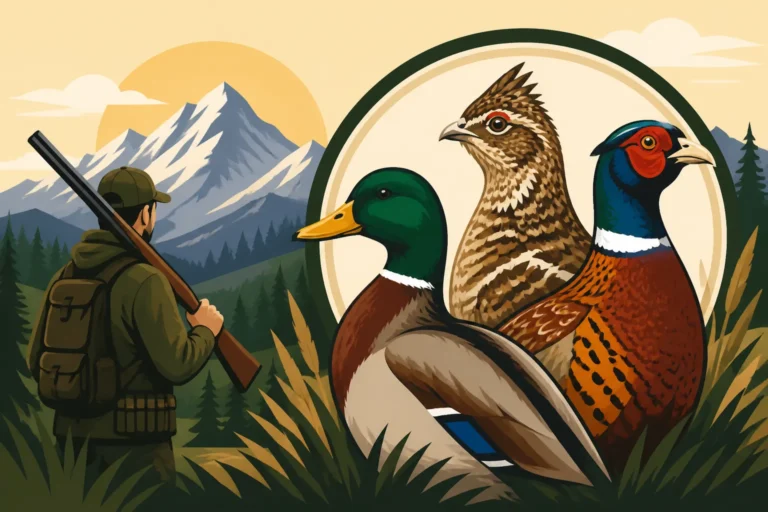
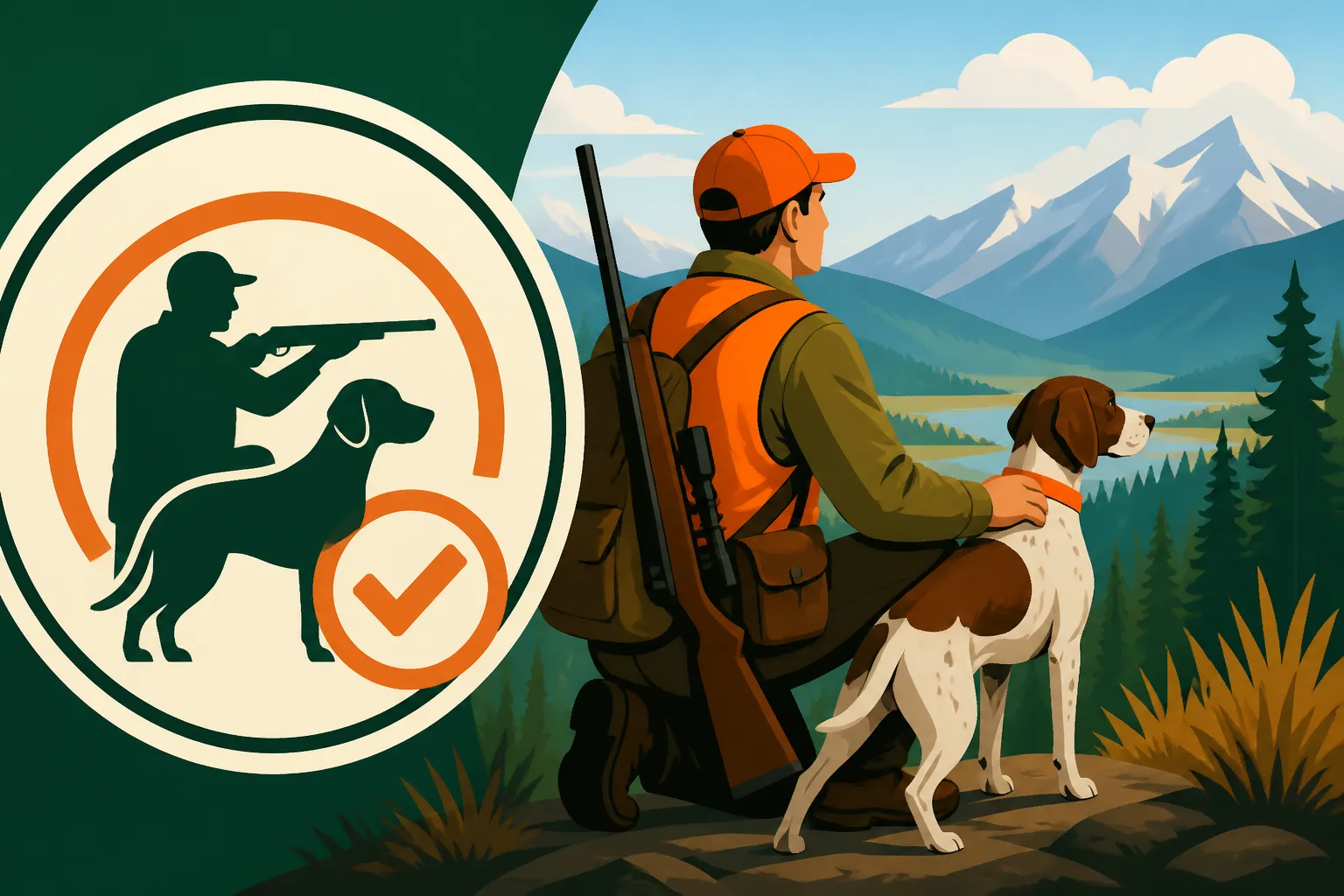
This is where hunting with dogs truly shines in British Columbia. For upland birds and migratory waterfowl, a well-trained dog isn't just permitted; it's often considered an essential, ethical tool. The ability of a dog to find downed birds in thick cover, dense timber, or vast marshes is invaluable, minimizing crippling loss and ensuring every ethical shot results in recovered game.
For upland birds like Ruffed Grouse, Blue Grouse, Spruce Grouse, and even ring-necked pheasants in release sites, pointing breeds, flushers, and retrievers all have their place. A Brittany or a German Shorthaired Pointer can hold a staunch point on a covey of quail in the dry interior, allowing the hunter to move in for a shot. A flushing spaniel, like a Springer or Cocker, is perfect for working through dense alder bottoms for grouse, bursting birds into flight. And for those wild Blue Grouse that head for cover in the fall, a keen retriever can be the difference between a lost bird and a game bag addition. To maximize your success and truly enjoy this experience, reading guides like Using a Bird Dog in British Columbia Timber can provide invaluable insights.
When it comes to migratory birds – ducks, geese, and other waterfowl – a good retriever is practically mandatory for ethical hunting. Picture yourself decoying ducks on a coastal estuary or field hunting snow geese in the Fraser Delta. The water is cold, the cover is thick, and those birds, when downed, can drift quickly or fall into dense reeds. A Labrador Retriever, Golden Retriever, or Chesapeake Bay Retriever, with their natural swimming ability and soft mouths, can retrieve birds from water or heavy cover that would otherwise be lost. This isn't just about convenience; it’s about responsible hunting. Regulations often require diligent effort to retrieve all downed game, and a dog dramatically improves your chances. Understanding British Columbia Duck Season Dates and British Columbia's Upland Bird Seasons will help you plan your excursions.
Many hunters find using resources like GoHunt helpful for scouting new areas, checking property boundaries, and understanding management units before heading out with their bird dogs. This meticulous planning ensures you're in an area suitable for your chosen species and dog.
Predator Hunting with Dogs: Specific Regulations
While big game pursuit is prohibited, certain predator species in British Columbia can be hunted with dogs, but under very specific and often rigorous conditions. This typically involves using specially trained hounds.
The most common example is hunting cougars with hounds. Cougars are elusive and difficult to track, especially in rugged terrain or deep snow. Hounds are used to track the cougar's scent trail, eventually treeing the animal or bringing it to bay, allowing the hunter to approach for a shot. This is a specialized pursuit, often requiring considerable experience, a strong pack of dogs, and sometimes even the services of a licensed guide. Hunters engaging in this activity must possess the appropriate species license and abide by all season dates and bag limits outlined in the British Columbia Cougar Season Dates. It’s important to note that this isn't a casual affair; it involves dedicated training for the dogs and extensive knowledge of the species and terrain. For deeper insights, you might look into Hunting Cougar With Hounds in British Columbia.
Bear hunting with dogs is also permitted in some regions of British Columbia for black bears, though it is less common than cougar hunting with hounds. Similar to cougars, dogs are used to track bears to their dens or to tree them. This practice demands highly trained dogs and an intimate understanding of bear behavior and safety protocols. Given the potential dangers of bear hunting, especially with dogs, safety and responsible dog handling are paramount. Hunters must verify local regulations carefully, as rules can vary by Management Unit (MU) and season.
For other predators like wolves or coyotes, while dogs aren't typically used for active pursuit in the same way hounds are for cougars, a dog might be used in a calling scenario, especially if the dog is trained to remain silent and still. However, using dogs to actively chase or corner these animals falls into a grey area and generally isn't encouraged or explicitly allowed for wolves unless under specific, often guide-led, circumstances that adhere strictly to conservation and ethical guidelines. For those interested in predators, Calling Wolves in British Columbia provides excellent information on non-dog methods.
Small Game and Furbearers
Beyond birds and specific predators, the use of dogs for other small game and furbearers in British Columbia is generally limited. While a dog might accompany a hunter pursuing snowshoe hare, for instance, it's not typically used for active pursuit in the same way a bird dog works game. Most small game hunting in BC relies on still-hunting, tracking, or trapping. When it comes to furbearers like fox or bobcat, specific trapping regulations usually govern their harvest. For most small game hunting, your dog is more of a companion than a direct aid in the act of hunting itself. Understanding the nuances of Snowshoe Hare and Small Game Numbers can provide context for these lesser-known opportunities.
Understanding the Legalities and Practicalities
Navigating the regulations for hunting with dogs in British Columbia isn't just about knowing what you can hunt; it's also about understanding the administrative hoops and ethical responsibilities involved. It’s not simply a matter of leashing up your dog and heading out; there are layers of licensing, permits, and unspoken best practices that ensure a responsible and enjoyable experience for everyone.
Licensing, Permits, and Training Requirements
First and foremost, you, the hunter, must hold a valid British Columbia hunting license and the appropriate species tags for whatever you are pursuing. This is non-negotiable. If you're hunting migratory birds, you'll also need a Federal Migratory Game Bird Permit and the Canadian Wildlife Habitat Conservation Stamp, in addition to your provincial license. These federal requirements are distinct from provincial rules and are crucial for lawful waterfowl hunting. For new hunters, obtaining your British Columbia's CORE Exam and FWID is the first step, ensuring you have the foundational knowledge of hunting ethics and regulations.
When it comes to the dogs themselves, there aren't specific provincial hunting dog licenses required for most uses. However, there are strict rules regarding dog control. Your dog must be under your immediate control at all times, especially in areas where wildlife is present. This is not just a matter of courtesy but a legal requirement to prevent harassment of non-target species, particularly big game. If your dog is found chasing big game, even accidentally, you can face significant penalties.
For specialized activities like cougar hunting with hounds, the dogs themselves often undergo extensive training, and the hunter needs to be highly experienced in managing a pack. While a "dog license" isn't issued for these specific hounds, the entire operation is scrutinized under the umbrella of responsible hunting practices and compliance with the Wildlife Act.
Responsible dog ownership extends beyond the hunt. Your dog should be well-socialized, obedient, and trained for the specific tasks you intend for them. A dog that continually busts birds out of range or wanders off into private property is not only ineffective but can quickly lead to unsafe or illegal situations. Tools like GPS collars are a fantastic investment for bird hunters, allowing you to monitor your dog's location and retrieve them quickly if they get off course, giving you peace of mind in dense cover.
Best Practices for Ethical Dog Hunting
Even within the legal framework, there are a host of ethical considerations and best practices that truly define a responsible dog hunter in British Columbia.
- Minimizing Impact: Always be mindful of other users of the land – hikers, mountain bikers, other hunters. Keep your dog on a leash when around trails or active roads, and only unleash them when you are actively hunting and confident in their control. Training your dog to ignore non-target wildlife, like deer or domestic animals, is crucial.
- Dog Safety: Hunting can be dangerous for dogs. Ensure they are wearing bright orange or blaze colours for visibility, especially during rifle seasons. Bells on bird dogs can not only help you locate them but also give other wildlife a chance to move away, reducing accidental encounters. Carry a first-aid kit for your dog, understand the risks of heatstroke, hypothermia, and potential encounters with predators like coyotes or even cougars, depending on your hunting area. After the hunt, always check your dog thoroughly for ticks, burrs, and any injuries.
- Respecting Private Land: Just like with human hunters, dogs are not permitted on private land without explicit permission from the landowner. A good way to avoid inadvertent trespass is to thoroughly scout your hunting area using tools like a topographic map or a digital mapping app. Many experienced hunters use services like GoHunt to clearly delineate public and private property boundaries, which is essential when your dog might be ranging ahead in pursuit of game. Even if your dog retrieves a bird that falls on private property, you still need permission to enter that land. Ignorance is not a defense.
- Managing Dogs in the Field: This is where the rubber meets the road. If you're hunting with multiple dogs, ensure they work together and respond to your commands as a team. For bird hunting, consider the wind direction and terrain to maximize your dog's scenting abilities. Take breaks, offer water, and know your dog’s limits. The goal is a productive hunt, but never at the expense of your dog's well-being or the respect you owe to the land and its wildlife.
Here's a quick overview of common hunting types and dog usage:
| Hunting Type | Dogs Permitted? | Notes/Conditions |
|---|---|---|
| Upland Birds | Yes | Highly encouraged for flushing and retrieving. Essential for ethical recovery. |
| Migratory Waterfowl | Yes | Essential for retrieving downed birds from water and dense cover. Minimizes crippling loss. |
| Cougars | Yes | Permitted only with trained hounds for tracking and treeing. Specialized pursuit requiring experience and specific regulations. |
| Black Bears | Yes | Permitted with trained hounds in some areas for tracking and treeing. Less common than cougar hunting with dogs. |
| Mule Deer, Blacktail | No | Strictly prohibited for pursuit, tracking, or harassment. Dogs must be under strict control to prevent accidental infractions. |
| Moose, Elk, Sheep, Goats | No | Strictly prohibited for pursuit, tracking, or harassment. This applies to all big game species in British Columbia. |
| Small Game (Hare, etc.) | Generally No | Dogs are not typically used for active pursuit. A companion dog might be present but not directly involved in the hunt. |
| Coyotes, Wolves | Generally No | Not typically used for active pursuit/treeing, though a silent dog might accompany a caller. Direct pursuit or harassment is usually prohibited unless very specific circumstances. |
Common Misconceptions and Avoiding Violations
Despite the clear guidelines, it's easy for misunderstandings to arise, especially if you're accustomed to different hunting traditions outside British Columbia. Awareness and diligence are your best defenses against accidental violations.
The "Accidental" Pursuit of Big Game
One of the most common pitfalls for dog owners is the "accidental" pursuit of big game. You might be focused on Hunting British Columbia's Coastal Rain for blacktail, with your dog on a leash or walking closely, and suddenly a deer bolts across your path. If your dog, even unintentionally, breaks free and starts chasing that deer, you could be in violation of the Wildlife Act. It doesn't matter if your intent was to hunt birds or if the dog was just being a dog; the act of pursuing big game with a dog is prohibited.
This emphasizes the critical importance of impeccable dog control. If you cannot guarantee your dog will not chase big game, even on command, then it might be best to leave them at home when hunting in big game country. For bird hunters, this means rigorous training to ensure your dog focuses solely on game birds and ignores deer, moose, or other non-target species. This is a primary reason why many responsible upland and waterfowl hunters invest heavily in obedience training and often use electronic collars to reinforce commands, ensuring that their dog stays within bounds and on task.
Reporting and Penalties for Violations
The consequences of violating British Columbia's hunting regulations, particularly those concerning the use of dogs, can be severe. Penalties can range from hefty fines to the confiscation of equipment (including firearms and vehicles), and even the suspension or revocation of your hunting privileges. These aren't minor infractions; they are taken seriously by the Conservation Officer Service (COS) as they relate directly to wildlife welfare and the integrity of fair chase principles.
For example, if a Conservation Officer observes your dog chasing a deer, you could face charges under the Wildlife Act for harassing big game with a dog. The fines can be substantial, and the embarrassment of losing your hunting privileges can be long-lasting. It’s not just about getting caught; it’s about upholding ethical standards and protecting our shared wildlife resources. For a clearer picture of the repercussions, you can review information on Penalties for a Hunting Violation.
If you witness a violation, such as someone illegally hunting big game with dogs, it's your responsibility as an ethical hunter to report it. British Columbia has a dedicated service for this: the Report All Poachers and Polluters (RAPP) line. You can call 1-877-952-7277 (RAPP) or #7277 on Telus Mobility. Providing clear and concise information, such as the location, description of the individuals, vehicles, and dogs involved, and the nature of the violation, can help the COS address these issues effectively. More details on how and when to report can be found by looking up The Report All Poachers and Polluters Line. Being part of the solution means not only following the rules yourself but also ensuring others do the same.
Disclaimer
The information provided in this guide is for general informational purposes only and is not a substitute for the official British Columbia Hunting and Trapping Regulations Synopsis. Hunting regulations are subject to change, and it is the hunter's responsibility to consult the most current synopsis, available on the BC government website, before participating in any hunting activities. Always prioritize safety, ethical conduct, and compliance with all applicable laws.