Which Species Still Need Compulsory Inspection
It can be incredibly frustrating to navigate the constantly evolving rules and regulations surrounding hunting in British Columbia, especially when it comes to something as critical as compulsory inspection. You've just put in all that effort, made a clean harvest, and now you're wondering if you've done everything by the book to avoid a penalty. This guide aims to clear up the confusion, detailing exactly which species still require compulsory inspection in BC, why these rules are in place, and how to ensure you're fully compliant after a successful hunt.
The Evolving Landscape of Compulsory Inspection in British Columbia
Hunting regulations in British Columbia are dynamic, shifting to reflect conservation needs, population management strategies, and public input. For decades, compulsory inspection was a cornerstone of big game management, ensuring biologists could collect vital data, monitor wildlife health, and enforce bag limits and antler restrictions. However, in recent years, there's been a noticeable streamlining of these requirements, largely due to resource allocation and the proven effectiveness of hunter harvest reporting. This change can be a double-edged sword: on one hand, it reduces the logistical burden on hunters after a successful trip; on the other, it can cause confusion if you're not staying meticulously up-to-date with the latest synopsis.
Remembering which species still fall under the compulsory inspection umbrella is paramount to avoiding potential fines or the invalidation of your harvest. It's not just about compliance; it's about being a responsible steward of the wildlife resources we cherish. Many seasoned hunters will tell you stories of the old days, when almost every major big game animal required a trip to the local conservation officer. Now, the list is much shorter, focusing on species that are either highly prized, have specific management concerns, or where precise biological data is still critical.
Historical Context and Evolution of Rules
For many years, species like most deer (mule deer, black-tailed deer, white-tailed deer) and elk often required compulsory inspection, especially in specific management units or for certain antler classes. This was a critical tool for game managers to assess herd health, age structure, and compliance with regulations like the British Columbia's Four-Point Antler Restriction. Conservation officers would physically examine the animal's head, jaw, and sometimes even take tissue samples. It was a hands-on approach to data collection that provided a snapshot of the health and age of harvested animals across the province.
However, as technology advanced and reporting mechanisms became more sophisticated, and with the closure of many regional inspection stations, the focus shifted. The province recognized that the comprehensive harvest reporting system, where hunters must submit detailed information about their kill online, could capture much of the necessary data without the need for a physical inspection for every species. This decision wasn't made lightly; it was a strategic move to optimize resources, balancing the need for data with the practicalities of managing a vast and diverse hunting landscape. Today, the rules are much more targeted, focusing on high-value species where population dynamics are especially sensitive or where specific data collection efforts are still deemed indispensable for sound management.
The Purpose Behind Inspections
Even with the reduced list, the core purpose of compulsory inspection remains the same: to gather essential biological data, monitor for diseases, and ensure regulatory compliance. For species like mountain sheep and goat, which inhabit rugged, remote terrain and have relatively small, vulnerable populations, every harvest is significant. Inspectors can collect precise age data from horn rings, assess overall health, and confirm that the animal harvested meets specific criteria, such as the full-curl rule for rams or the identification of a mature billie for goats. This data directly informs future management decisions, helping to set quotas and season structures that ensure these magnificent animals continue to thrive.
Furthermore, compulsory inspection serves as a crucial line of defense against wildlife diseases. For example, while Chronic Wasting Disease (CWD) has not yet been detected in British Columbia, the province has a robust British Columbia's CWD Surveillance Program in place. Should CWD be detected in the future, compulsory inspection would become a vital tool for tracking and containing its spread. By examining harvested animals, biologists can identify unusual lesions or health issues, triggering further investigation and protecting both wildlife populations and potentially human health. It's a proactive measure, a biological checkpoint that helps safeguard the future of hunting in our province.
Big Game Species Still Requiring Compulsory Inspection
Despite the broader shift towards online harvest reporting, a select few big game species in British Columbia still necessitate a physical visit to a Compulsory Inspection (CI) station or a Conservation Officer (CO). These species are typically those with the most sensitive populations, high trophy value, or critical biological data needs that can't be adequately met through online reporting alone. It's a small but significant list that every hunter pursuing these animals must be intimately familiar with.
Always double-check the current British Columbia's Two-Year Regulations Synopsis, as rules can change between cycles, and sometimes even mid-season if emergent wildlife health issues or management concerns arise. Platforms like GoHunt, which often have community forums and updated resources, can also be helpful for staying informed, but the official synopsis is your ultimate authority.
Mandatory Species List
As of the current regulations, the big game species that always require compulsory inspection in British Columbia are:
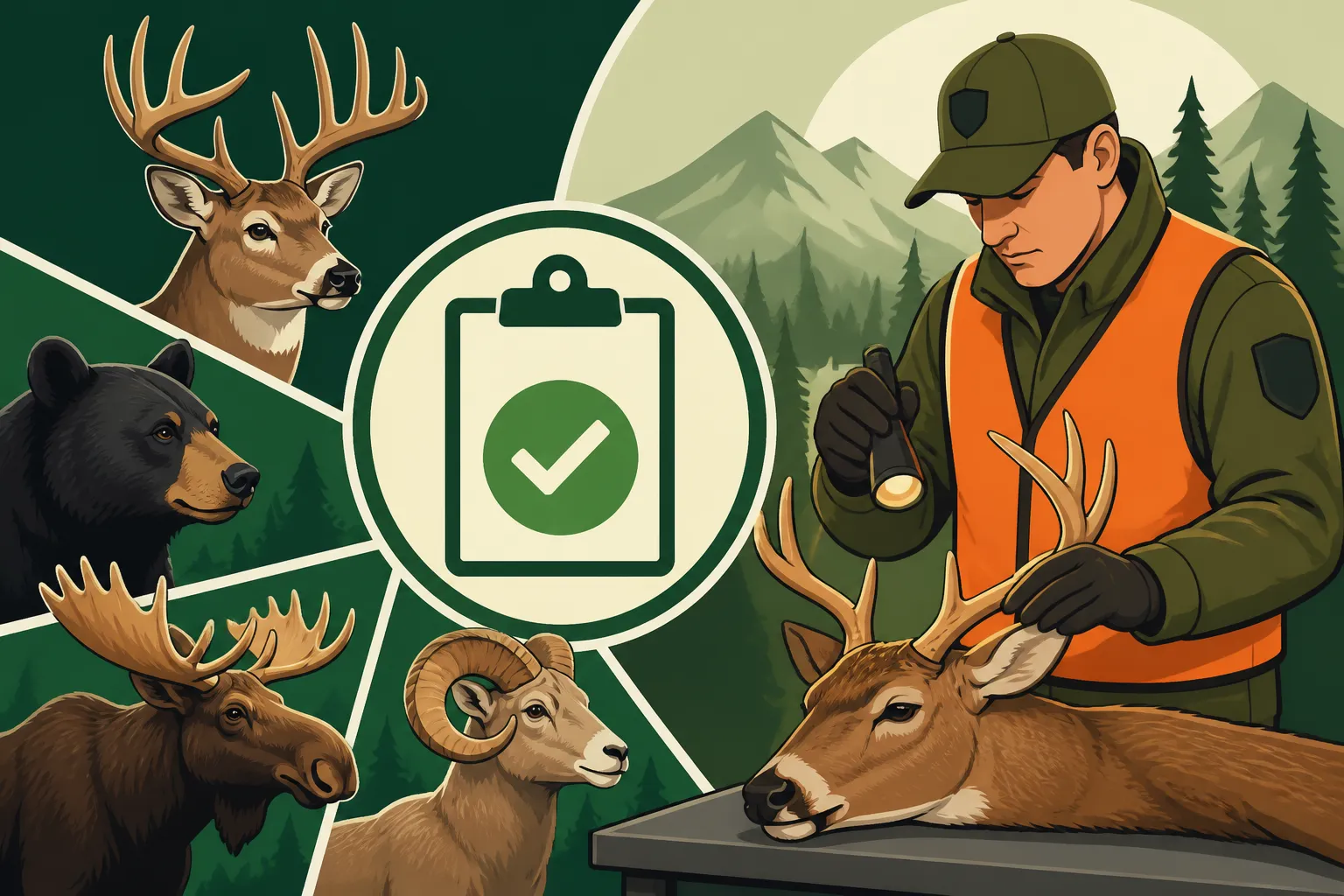
- Moose: All moose harvested in British Columbia, regardless of age or sex, must undergo compulsory inspection. This is a critical component of Mandatory Reporting for Moose Licences and helps wildlife managers monitor the health and population dynamics of British Columbia's Moose Population Trend, which has seen some fluctuations in recent years due to factors like winter tick loads, disease, and habitat changes from What Wildfire Did to Moose Habitat. The inspection process for moose typically involves confirming sex and antler characteristics and collecting a lower jawbone for age determination.
- Mountain Sheep (Bighorn, California Bighorn, Stone's, and Dall's): Due to their highly regulated status, specific trophy requirements (like the full-curl rule), and the sensitivity of their populations, all species of mountain sheep harvested in BC are subject to compulsory inspection. This includes Rocky Mountain Bighorn Sheep, California Bighorn Sheep, Stone's Sheep, and any Dall's Sheep (though Dall's are extremely rare and typically closed to hunting in BC). Inspectors meticulously examine the horns to determine age and curl status, ensuring compliance with the rules, such as Judging a Full-Curl Ram in the Field.
- Mountain Goat: Similar to sheep, mountain goats are a highly sought-after species inhabiting challenging alpine environments. All harvested mountain goats must undergo compulsory inspection. This helps to gather crucial data on age and sex, which is vital for managing these often localized and slow-reproducing populations.
It's vital to carry all necessary tags and documentation with you to the inspection. This means your British Columbia Hunting Licences and Fees and British Columbia's Species Licences and Tags for the animal you've harvested.
Species with Regional or Special Conditions
While the above list covers the consistently mandatory species, it's essential to understand that regional conditions or specific management initiatives could, at times, introduce compulsory inspection requirements for other species. These are not standard province-wide rules but rather localized measures implemented for specific purposes, such as disease surveillance or targeted management in certain Management Units.
For instance, although deer and elk generally do not require compulsory inspection across the province, if an outbreak of a significant wildlife disease like CWD were to occur in a specific British Columbia's Management Units and Regions, voluntary or even compulsory submission of heads for testing might be initiated in that zone. Always check the "General Regulations" and "Region-Specific Regulations" sections of the latest synopsis very carefully for any such caveats that might apply to your hunting area and target species. It is the hunter's responsibility to know these localized rules. Missing such a detail could lead to the confiscation of your harvest or other penalties.
The Compulsory Inspection Process: What Hunters Need to Know
Once you've successfully harvested an animal that requires compulsory inspection, the clock starts ticking. The process might seem daunting, especially if you're a newer hunter or if it's your first time harvesting one of these specific species. However, it's generally straightforward if you're prepared. Understanding the steps involved, from field dressing to meeting the conservation officer, will significantly reduce stress and ensure a smooth experience. It's not just about getting it done; it's about doing it right to uphold the integrity of the harvest and the data collection process.
Preparing Your Harvest for Inspection
The first and most critical step happens right in the field: proper field dressing and preservation of the necessary parts. For moose, mountain sheep, and mountain goat, you must ensure you retain the lower jawbone for age analysis. This is non-negotiable. The jaw must be reasonably clean of flesh and hair, but don't worry about boiling it or anything extreme; the CO just needs to be able to access the teeth. For sheep and goats, the entire skull with horns attached is required, again, reasonably clean.
Furthermore, proof of sex must be attached to the carcass until it reaches your ordinary residence. This usually means leaving a patch of hide with a vulva for females, or the scrotum and testes for males. This prevents any confusion or potential for poaching after the animal has been caped or quartered. Meat Care in British Columbia's Warm Early Seasons is also crucial, as a spoiled carcass cannot be inspected and will likely be confiscated. Plan how you'll keep the meat cool and clean, especially if you're hunting in remote areas or early season. Often, this involves skinning, quartering, and then protecting the meat in game bags in a cool, shaded spot.
Locating an Inspection Station or Officer
Finding an official compulsory inspection station or a Conservation Officer can sometimes be the trickiest part, especially in remote regions. There aren't dedicated, permanent inspection stations open 24/7 in every town. Instead, inspections are often arranged by appointment with a local Conservation Officer, or through designated inspection agents (which can sometimes be taxidermists or meat processors) during specific periods.
The British Columbia's Two-Year Regulations Synopsis will list the general contact information for regional CO offices. Your best bet is to call the nearest Conservation Officer Service (COS) office as soon as possible after your harvest to arrange an inspection. Be prepared to provide details about your harvest, including species, date, and location. For hunters who plan meticulously, contacting the CO office before heading into the field is a smart move, especially if you're targeting a CI species. They can provide current guidance on who to contact and where to go. Online resources, often linked through the official BC government wildlife pages or even via mapping tools within hunting apps like GoHunt, might offer locations or contact numbers, but a direct call to the COS is always the most reliable method. Remember that Where to Take a Head for Inspection can vary, so never assume.
What Happens at the Inspection
When you arrive for your inspection, the Conservation Officer or designated agent will want to see your valid hunting license, species tags, and potentially your British Columbia's CORE Exam and FWID if requested. They will then physically examine the required parts of your animal.
For moose, this typically involves:
- Verifying the sex of the animal.
- Examining the antlers (if any) and confirming compliance with antler restrictions.
- Collecting the lower jawbone to extract teeth for aging.
- Checking your British Columbia Moose Season Dates for legality.
For mountain sheep and goats:
- Verifying the sex of the animal.
- Meticulously examining the horns (for sheep) to determine age and whether it meets the full-curl or other legal requirements. Horn plugs might be inserted for identification.
- Collecting a lower jawbone for age determination.
- Checking your specific season dates, such as Mountain Sheep Season Dates and Curl Rules or Mountain Goat Season Dates by Region.
The officer will then provide you with a certificate of inspection or endorse your tag, confirming that your harvest has been legally inspected. It's your responsibility to keep this documentation safe. This certificate, along with your original tags, serves as proof that you have completed all legal requirements for your harvest. It's also important to remember that The Thirty Day Reporting Deadline for your harvest report still applies even after a compulsory inspection. These are separate but equally crucial requirements.
The Importance of Compulsory Inspection
While the number of species requiring compulsory inspection has decreased, its fundamental importance to wildlife management and conservation in British Columbia remains undiminished. It's not just a bureaucratic hurdle; it's a vital tool that underpins sustainable hunting practices and contributes to the health of our wildlife populations. Without this critical data, managers would be making decisions in the dark, potentially risking the very resources we treasure.
Conservation and Data Collection
Compulsory inspection provides invaluable, first-hand biological data that cannot be replicated through other means. When a Conservation Officer examines a harvested moose jaw or a sheep horn, they are collecting precise age data. For instance, What a British Columbia Bull Moose Weighs can be estimated in the field, but a jawbone provides definitive age through tooth wear or cementum annuli analysis. This age data helps biologists understand the age structure of the herd, recruitment rates, and mortality factors. Are hunters primarily taking older animals, or are younger, breeding animals being disproportionately harvested? This kind of insight is crucial for setting sustainable harvest quotas and season lengths.
For mountain sheep, the horn growth rings provide a detailed life history. Judging a Full-Curl Ram in the Field relies on visual estimation, but a physical inspection can confirm age and genetic health indicators. This granular data helps to ensure that hunting pressure isn't negatively impacting the long-term viability of these sensitive populations. It allows for adaptive management, where regulations can be adjusted year-to-year or within British Columbia's Management Units and Regions based on real-time population data, rather than relying solely on modeling or less precise survey methods.
Disease Monitoring and Wildlife Health
Beyond population dynamics, compulsory inspection acts as an important surveillance mechanism for wildlife diseases. While hunters are generally diligent in What Ticks and Parasites Show Up in Game, and reporting unusual observations, a trained Conservation Officer or biologist can identify subtle signs of illness or disease that a hunter might overlook. This is particularly critical for species like moose, which can be affected by winter ticks or other parasites that impact their health and survival.
Should a new disease emerge or an existing one spread, these inspection points become early warning systems. The collection of tissue samples during inspection can be used for disease testing, providing an epidemiological map that helps track the spread and severity of wildlife health issues. For example, if Whether British Columbia Has CWD were to ever change, these inspection points would become absolutely critical for monitoring and mitigating its impact. This proactive approach to wildlife health is essential not only for the animals themselves but also for human health and the broader ecosystem. It's about safeguarding the future of our wildlife from unseen threats.
Navigating Changes and Staying Informed
Given the dynamic nature of hunting regulations, staying informed about compulsory inspection rules is an ongoing responsibility. Changes, even minor ones, can have significant implications for hunters. Relying on outdated information or hearsay is a recipe for frustration and potential legal trouble. Knowing where to find the most current and accurate information is just as important as knowing the rules themselves.
Recent Regulatory Shifts
British Columbia has made notable shifts in its hunting regulations over the past decade, including the reduction of species requiring compulsory inspection. For instance, some of the specific deer and elk inspection requirements that once existed in certain regions have been phased out, replaced by comprehensive online harvest reporting. The province also saw the Why Grizzly Hunting Ended in British Columbia in 2017, removing it from any inspection requirements. These changes reflect an ongoing effort by the province to modernize its approach to wildlife management, balancing the need for data with administrative efficiency.
However, these changes underscore the need for vigilance. What was true five years ago might not be true today. This is why a thorough review of the current British Columbia's Two-Year Regulations Synopsis is non-negotiable before every hunting season. These changes aren't arbitrary; they are usually driven by updated scientific understanding, population assessments, or shifts in conservation priorities. Understanding the rationale behind these shifts helps hunters appreciate the management efforts underway and better participate as informed stakeholders.
Where to Find the Latest Information
The single most authoritative source for British Columbia hunting regulations, including compulsory inspection requirements, is the official British Columbia's Two-Year Regulations Synopsis. This document is published every two years, but updates and amendments can occur in between cycles, which are usually posted as advisories or addendums on the BC government's hunting regulations website. You can find this synopsis online, download it as a PDF, or pick up a physical copy at most licensed vendors where you purchase your British Columbia Hunting Licences and Fees.
Beyond the official synopsis, other resources can help you stay current:
- BC Conservation Officer Service (COS) Website: Often posts urgent updates, news releases, and contact information for regional offices.
- Reputable Hunting Forums and Communities: Online platforms, including those associated with services like GoHunt, often have active communities where hunters discuss and share information about regulation changes. While these can be a good starting point for discussion, always verify any information with the official synopsis or the COS directly.
- Hunting and Wildlife Organizations: Groups like the BC Wildlife Federation (BCWF) often publish summaries of regulation changes and advocate on behalf of hunters, providing valuable insights and updates.
By making it a habit to consult these resources before planning your hunt and periodically checking for updates, you ensure you're always operating with the most current information available.
Essential Tips for a Smooth Compulsory Inspection
Dealing with the logistics of a compulsory inspection can feel like another hurdle after the immense effort of a successful hunt. However, with a bit of foresight and preparation, you can make the process as seamless as possible. Being organized and respectful of the regulations and the officers tasked with enforcing them will go a long way.
Documentation and Requirements
Before you even head into the field, ensure all your documentation is in order. This includes:
- Your valid BC Resident Hunting Licence.
- The specific species tag for the animal you intend to hunt (e.g., your moose tag, sheep tag, or goat tag).
- Your British Columbia's CORE Exam and FWID readily available, as an officer may request it.
- Any necessary Limited Entry Hunting (LEH) authorizations if you were successful in the British Columbia's Limited Entry Hunting Draws.
- A pen for filling out any forms.
Once you harvest a species requiring inspection, ensure you have retained the necessary parts (lower jaw, skull with horns, proof of sex) and that they are kept in good condition. Don't let them spoil or get damaged during transport. Have a clear plan for how and when you will contact the Conservation Officer Service. Having contact numbers for the nearest regional COS office pre-programmed into your satellite messenger or phone is a smart move, especially if you're in an area with Where British Columbia Cell Coverage Ends. Remember, the earlier you notify them, the easier it is for them to schedule your inspection.
Handling and Transporting Your Harvest
Transporting your harvested animal for inspection requires careful consideration. The meat must be kept in edible condition. This often means skinning and quartering the animal in the field, then placing the meat in game bags. Keeping Meat Cool in an Early Season is critical. If you're coming out of Packing Out of British Columbia's Steep Country with a heavy load, you might be tired, but proper meat care can't be rushed.
For the head and jawbone that require inspection, ensure they are protected. A sturdy garbage bag or game bag can keep them clean and free from pests during transport. If you're traveling a long distance, consider freezing the head and jaw if possible, or at least keeping them on ice, especially in warm weather. You must ensure that Evidence of Sex Requirements remain attached to the carcass until it's delivered to your ordinary residence, or processed at an abattoir, or for inspection.
Always be courteous and cooperative with the Conservation Officer. They are there to ensure compliance and gather data for conservation, and a positive interaction makes the process smoother for everyone. If you have any questions or are unsure about any part of the process, ask them directly. They are the experts and their guidance is invaluable. Using comprehensive tools like GoHunt for planning and understanding the regulatory nuances of your hunting area can significantly contribute to a stress-free and compliant hunting experience.
Compulsory Inspection at a Glance
For quick reference, here's a table summarizing the key compulsory inspection requirements for British Columbia's big game species:
| Species | Compulsory Inspection Required? | Specific Parts for Inspection | Key Regulatory Point | Typical Timeframe After Harvest |
|---|---|---|---|---|
| Moose | Yes | Lower jawbone, proof of sex | All harvested moose | As soon as practicable |
| Mountain Sheep | Yes | Skull with horns, lower jawbone, proof of sex | Full-curl rules, age assessment | As soon as practicable |
| Mountain Goat | Yes | Skull with horns, lower jawbone, proof of sex | Age and sex assessment | As soon as practicable |
| Mule Deer | No (unless regional condition) | N/A | Online Harvest Report required | 30 days |
| Black-tailed Deer | No (unless regional condition) | N/A | Online Harvest Report required | 30 days |
| White-tailed Deer | No (unless regional condition) | N/A | Online Harvest Report required | 30 days |
| Elk | No (unless regional condition) | N/A | Online Harvest Report required | 30 days |
| Black Bear | No (unless regional condition) | N/A | Online Harvest Report required | 30 days |
| Grizzly Bear | No (hunting closed) | N/A | Hunting closed province-wide | N/A |
Note: "As soon as practicable" means as quickly as reasonably possible given your location and the circumstances of your hunt. You are expected to make a diligent effort to contact the COS and arrange the inspection promptly. Always consult the official British Columbia's Two-Year Regulations Synopsis for the most current and detailed information, as regional or specific conditions may apply.
Disclaimer
This guide is intended for informational purposes only and does not constitute legal advice. Hunting regulations in British Columbia are subject to change, and it is the hunter's sole responsibility to consult the official British Columbia Hunting and Trapping Regulations Synopsis and any in-season updates from the BC Ministry of Forests, Lands, Natural Resource Operations and Rural Development (FLNRORD) before engaging in any hunting activities. Always prioritize safety and ethical hunting practices.