Emergency Planning in British Columbia’s Backcountry
Hunting in British Columbia's vast, wild backcountry is an unparalleled experience, offering incredible opportunities but also presenting significant challenges. The sheer remoteness, rugged terrain, and unpredictable weather can quickly turn a memorable trip into a life-threatening situation if you're not prepared. This comprehensive guide is designed to help you navigate those inherent risks by providing a robust framework for emergency planning, ensuring you're equipped to handle the unexpected and get home safely.
Understanding the Unique Risks of British Columbia's Backcountry
British Columbia's wilderness is stunning, but it demands respect. It's not just "roughing it" – it's entering an environment where search and rescue resources are often hours, if not days, away, and help might not arrive quickly if you can't communicate. The dangers are real, and understanding them is the first step toward effective planning.
Remote Access and Communication Challenges
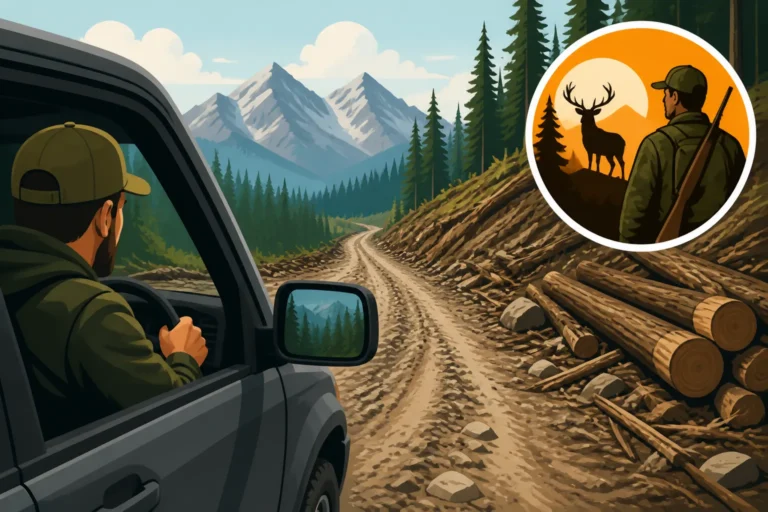
One of the biggest hurdles in BC's backcountry is simply its vastness. You might drive for hours on a main highway, only to turn off onto a network of active or deactivated logging roads that take you deep into isolated areas. Often, these areas are far beyond reliable cell service, which means your smartphone becomes little more than a camera or a navigation tool loaded with offline maps. This lack of connectivity is a critical factor in emergency planning. Imagine breaking down your truck miles down a deactivated road, or worse, spraining an ankle deep in the timber. Without a way to call for help, you're truly on your own. This is why tools for Satellite Communication on a Remote Hunt are non-negotiable for serious backcountry adventurers.
Even in areas accessible by British Columbia's Logging Road Network, you can quickly find yourself in a communication black hole. Mountains, deep valleys, and dense forests all contribute to unreliable signals. Relying solely on a cell phone is a gamble you simply cannot afford to take. Many hunters have found themselves in situations where a minor mishap escalates into a major emergency because they couldn't reach anyone. Knowing Where British Columbia Cell Coverage Ends is vital reconnaissance before you even pack your bags. This profound isolation means that self-sufficiency and the ability to signal for help are paramount.
Unpredictable Weather and Terrain
British Columbia's weather is notoriously fickle, especially in the mountains. A sunny morning can quickly give way to a whiteout blizzard in the alpine, even in September. Hunters who head into areas like the Kootenays or the Coast Range often encounter rapid temperature drops, torrential rain, or heavy snowfall with little warning. This is particularly true when you're Hunting British Columbia's Alpine in September, where summer can suddenly vanish. Getting caught unprepared in such conditions can lead to hypothermia, frostbite, or disorientation.
Beyond the weather, the terrain itself poses significant hazards. We're talking about steep, unforgiving mountains, dense second-growth forests that are nearly impenetrable, and slippery river crossings. Accidents like falls, broken bones, or getting disoriented are common. Even experienced hunters can misjudge a slope or slip on wet rock. When you're Packing Out of British Columbia's Steep Country, a minor stumble with a heavy load can have serious consequences. Always be aware that the ground beneath your feet can be as dangerous as any animal you might encounter. Understanding Weather Windows in British Columbia's Mountains and respecting weather forecasts is crucial, but always prepare for the worst.
Wildlife Encounters and Environmental Hazards
British Columbia is home to a rich diversity of wildlife, including formidable predators. Black bears and grizzly bears are present across much of the province, and encounters, while rare, can be dangerous. Knowing Bear Safety While Hunting in British Columbia is not just good practice, it's essential for survival. What to do if you encounter a bear, how to store food, and carrying bear spray are all critical components of your plan. You need to know What to Do If You See a Grizzly and react appropriately, not just for your safety, but for the animal's as well.
Beyond bears, other environmental hazards include swift rivers, unstable rock slides, dense thickets that can lead to getting lost, and even venomous spiders or ticks in certain regions. There's also the risk of wildfires, especially in the late summer and fall, which can quickly cut off access or trap you in an area. Being aware of these potential dangers and having strategies to mitigate them is part of a complete emergency plan. Your trip plan should account for all these variables, not just the hunt itself.
Essential Gear and Tools for Emergency Preparedness
Having the right gear isn't just about comfort; it's about survival. In BC's backcountry, your equipment is often your lifeline, especially when you're far from any help. Investing in reliable emergency tools is one of the smartest decisions any hunter can make.
Communication Devices: Satellite Messengers and PLBs
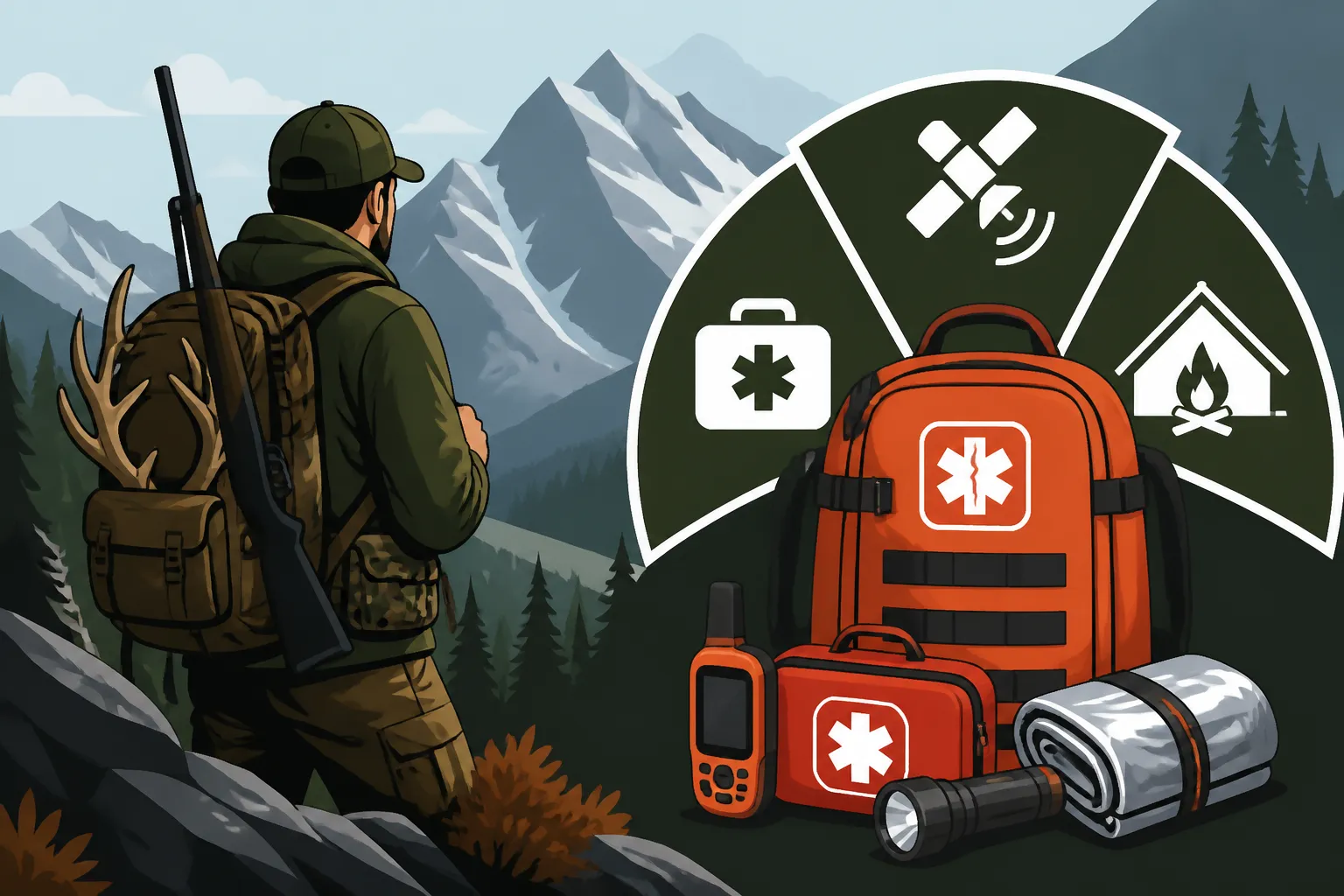
As we touched on, cell phones are often useless in the backcountry. This is where dedicated satellite communication devices become indispensable. A satellite messenger, like those offered by Garmin inReach or Zoleo, allows you to send and receive text messages virtually anywhere on the globe, even without cell service. More importantly, they typically have an SOS button that, when activated, sends your exact GPS coordinates and a distress message to a 24/7 monitoring centre, which then coordinates with local search and rescue teams. This is a game-changer for solo hunters or small groups.
Personal Locator Beacons (PLBs) are another critical piece of kit. Smaller and often less expensive than satellite messengers, PLBs are designed for one purpose: to send a distress signal to orbiting satellites, alerting authorities to your location. They don't offer two-way communication, but their powerful signal can penetrate dense canopy better than some satellite messengers. Both devices operate on a subscription basis for messaging services, but a PLB's emergency signal is free. For those exploring truly remote areas, especially if you're alone, carrying both for redundancy isn't overkill. The folks at GoHunt often emphasize the importance of these devices in their planning resources, and for good reason—they save lives.
| Device Type | Two-Way Communication | SOS/Emergency Button | Subscription Required | Primary Use Case |
|---|---|---|---|---|
| Satellite Messenger | Yes | Yes | Yes | Messaging, tracking, emergency contact |
| PLB (Personal Locator Beacon) | No | Yes | No (for SOS signal) | Purely emergency alerting with GPS coordinates |
| Satellite Phone | Yes | Optional/Voice | Yes | Voice calls in remote areas, robust communication |
| SPOT Device | No | Yes | Yes | Basic tracking, pre-set messages, emergency alerting |
First Aid and Survival Kits
A comprehensive first aid kit is non-negotiable. It should go beyond band-aids and include items for serious injuries like severe bleeding, fractures, burns, and allergic reactions. Consider taking a wilderness first aid course; knowing how to use your supplies effectively is just as important as having them. Include pain relievers, anti-inflammatories, blister treatment, gauze, various bandages, antiseptic wipes, medical tape, and any personal medications. Don't forget an EpiPen if anyone in your party has severe allergies.
Beyond first aid, a survival kit needs to address core human needs: shelter, fire, water, and signaling. Your kit should include:
- Shelter: A lightweight emergency tarp or bivy sack.
- Fire: Waterproof matches, a lighter, fire starter (e.g., Vaseline-soaked cotton balls), and a ferro rod.
- Water: A water filter or purification tablets. Even if you carry water, unexpected delays can lead to dehydration.
- Signaling: A whistle, signal mirror, and a headlamp with spare batteries.
- Tools: A multi-tool or sturdy knife, cordage (paracord), and repair tape.
- Food: High-calorie energy bars for at least 24-48 hours.
Think about the "10 Essentials" of backcountry travel and adapt them for hunting. Every item should have a purpose, and you should know how to use it. Many online resources, including those often shared by GoHunt, offer excellent checklists for these kits.
Navigation Tools and Power Sources
Even with offline maps on your phone, dedicated navigation tools are crucial. A reliable GPS unit with pre-loaded topographic maps and extra batteries is a must. Learn how to use it proficiently before you're lost in the wilderness. Complement this with a traditional map and compass, and know how to navigate with them. GPS units can fail, batteries can die, and electronics are susceptible to the damp conditions often found when Hunting in British Columbia's Coastal Rain. A map and compass never need batteries.
Speaking of batteries, having ample power sources for all your electronics is vital. Carry multiple spare batteries for your headlamp, GPS, and any other battery-powered devices. Portable power banks (power bricks) are excellent for recharging phones and satellite messengers, but ensure they are fully charged and rated for multiple recharges. Keep sensitive electronics, batteries, and charging cables in waterproof bags or dry sacks to protect them from the elements. A solar charger can also be a valuable backup, though they are often slow and weather-dependent.
Crafting a Robust Emergency Action Plan
Having gear is one thing; knowing how to use it and having a plan in place for when things go sideways is another entirely. A well-thought-out emergency action plan is your best defense against the unexpected.
Informing Others and Leaving a Trip Plan
Never go into the British Columbia backcountry without telling someone responsible exactly where you're going and when you expect to return. This "external" communication is your absolute minimum safety net. Your trip plan should be detailed and include:
- Your intended route, including trailheads, planned camp locations, and estimated daily mileage.
- Names and contact information for everyone in your hunting party.
- Vehicle make, model, colour, and license plate.
- Specific dates and times for departure and expected return.
- A "check-in" time by which you will contact your emergency contact to confirm you are safe.
- What to do if you don't check in (e.g., wait 24 hours, then contact local RCMP or Search and Rescue).
- Any medical conditions or allergies within the group.
- Details of your communication devices (satellite messenger serial numbers, etc.).
Share this plan with at least two trusted individuals who understand the gravity of the situation if they don't hear from you. The BC Search and Rescue Association strongly advocates for this practice. It ensures that if something goes wrong and you're unable to activate your own SOS, someone knows to initiate a search. This simple step can literally be the difference between a timely rescue and a tragic outcome.
What to Do When an Emergency Strikes
When an emergency occurs, panic is your worst enemy. The first rule is to S.T.O.P.:
- Stop: Don't move. Assess the situation calmly.
- Think: What happened? What are your immediate risks? What resources do you have?
- Observe: Look around. What's the weather like? Where's shelter? What are potential escape routes?
- Plan: Develop a course of action. What's the best option given the circumstances?
If you are injured or lost, your priority is to secure shelter, start a fire for warmth and signaling, and find water. Signal for help using your satellite messenger or PLB. If you don't have one, use a whistle (three short blasts, repeated) or a signal mirror. Stay put if you're injured or disoriented. Rescuers will have a much easier time finding a stationary target than someone who is constantly moving. For those Hunting British Columbia Without a Truck, this could mean being stranded far from a road and needing to wait for external help.
It's also crucial to have a designated leader within your hunting party who can make decisions under pressure. Practice basic emergency scenarios with your group before the trip: What if someone falls? What if you get separated? What if weather moves in rapidly? Thinking through these possibilities proactively, perhaps even using a mapping tool like GoHunt's app to visualize terrain and access points, will significantly improve your response time and effectiveness when a real crisis hits.
Post-Emergency Procedures and Lessons Learned
Once an emergency has been resolved, whether through self-rescue or external intervention, the planning doesn't stop. It's vital to debrief and learn from the experience. What went well? What could have been done better? Was your gear adequate? Were your communication methods effective? Did your emergency contact follow the plan?
This reflection is critical for improving your future preparedness. If Search and Rescue was involved, they often have specific protocols and may require you to file a report. Be cooperative and provide as much detail as possible to help them refine their procedures and assist others in the future. Remember that prevention is always better than reaction, so every emergency, even a minor one, is an opportunity to strengthen your skills and plan. Take the time to review your gear, refresh your first aid knowledge, and update your trip planning process based on what you've learned. The backcountry teaches tough lessons, but those who listen live to hunt another day.
Important Disclaimer
Hunting and backcountry travel inherently involve risks, including serious injury or death. The information provided in this guide is for informational purposes only and is not a substitute for professional training, comprehensive research, and sound judgment. Always prioritize safety, understand and follow all provincial regulations, and be adequately prepared for the conditions you may encounter.