Packing Meat With a Frame Pack
There's nothing quite like the immense satisfaction of a successful hunt in British Columbia's wild landscapes, but that feeling can quickly turn to dread when you realize the sheer amount of work involved in getting your hard-earned meat back to camp or the truck. Dragging or attempting to carry quarters on a flimsy daypack is a recipe for exhaustion, injury, and potentially spoiled meat. This guide is all about one of the most crucial pieces of gear for any serious big game hunter: the frame pack, and how to effectively use it to conquer the inevitable pack out, even from the deepest corners of the backcountry.
Why a Frame Pack is Essential for Backcountry Meat Hauling
Imagine you've just put down a magnificent bull moose or a hefty mule deer in a steep, remote basin. The adrenaline is still pumping, but then the reality sets in: you have hundreds of pounds of meat to move, often over unforgiving terrain, possibly in less-than-ideal weather. This is precisely where a dedicated frame pack shines, transforming an almost impossible task into a manageable (though still incredibly difficult) one.
The Frustration of Overloaded Daypacks
We've all been there. You head out with a small daypack, planning on a quick hunt, and suddenly you're staring at a downed animal miles from the nearest road. Your small pack, designed for a thermos, a few snacks, and a raincoat, simply isn't built to handle the weight and bulk of a deer quarter, let alone a moose quarter. Trying to lash meat onto a flimsy pack leads to terrible weight distribution, straps digging into your shoulders, and a constant battle against the load shifting and threatening to throw you off balance. Not only is it incredibly uncomfortable, but it's also dangerous. It can cause serious back strain, knee issues, and even lead to a fall in treacherous British Columbia terrain, especially when you're already exhausted. It’s a common frustration that can turn a triumphant moment into a painful memory, and often results in multiple, grueling trips.
The Mechanics of a Frame Pack
Unlike your typical internal frame backpacking pack or a small daypack, a frame pack is specifically engineered to carry heavy, awkward loads. At its core, it features a rigid external or internal frame that acts as a robust chassis, transferring the bulk of the weight directly to your hips. This is a game-changer because your hips and legs are far better equipped to bear heavy loads than your shoulders. The pack typically consists of a sturdy frame, a robust suspension system (shoulder straps, hip belt, and load lifters), and a lashing system or an integrated meat shelf designed to hold game quarters or other heavy items close to your back. This design minimizes shifting, maximizes stability, and allows you to carry significantly more weight with greater comfort and safety, even when navigating the steep country that is so common in British Columbia.
Choosing the Right Frame Pack for British Columbia Conditions
Selecting the right frame pack isn't a decision to take lightly. It's an investment in your safety, comfort, and the success of future hunts. The diverse and often extreme conditions found across British Columbia, from the coastal rainforests to the interior mountains and northern wilderness, demand a pack that can withstand abuse and perform flawlessly.
Key Features to Look For
When you're sifting through the myriad of frame packs available, there are several non-negotiable features you should prioritize for British Columbia hunting:
- Load Capacity and Weight Rating: Look for packs rated to comfortably carry 100+ pounds. Some heavy-duty models can handle upwards of 150-200 pounds. This isn't just about carrying the meat; it's also about carrying your camp, gear, and supplies in, then returning with a heavy load out.
- Durable Construction: British Columbia's bush is tough. You need a pack made from rugged, abrasion-resistant materials like 500D or 1000D Cordura nylon. Reinforced stitching, heavy-duty zippers, and strong buckles are paramount.
- Adjustability: A good frame pack will offer extensive adjustability in the torso length, shoulder strap positioning, and hip belt. This ensures a custom fit that properly transfers weight to your hips, crucial for maintaining comfort on long hauls.
- Suspension System: Pay close attention to the hip belt and shoulder straps. They should be well-padded and wide to distribute pressure effectively. Load lifter straps, which connect the top of the shoulder straps to the frame, are essential for pulling the load closer to your back and preventing it from sagging, a small but critical detail for packing meat with a frame pack.
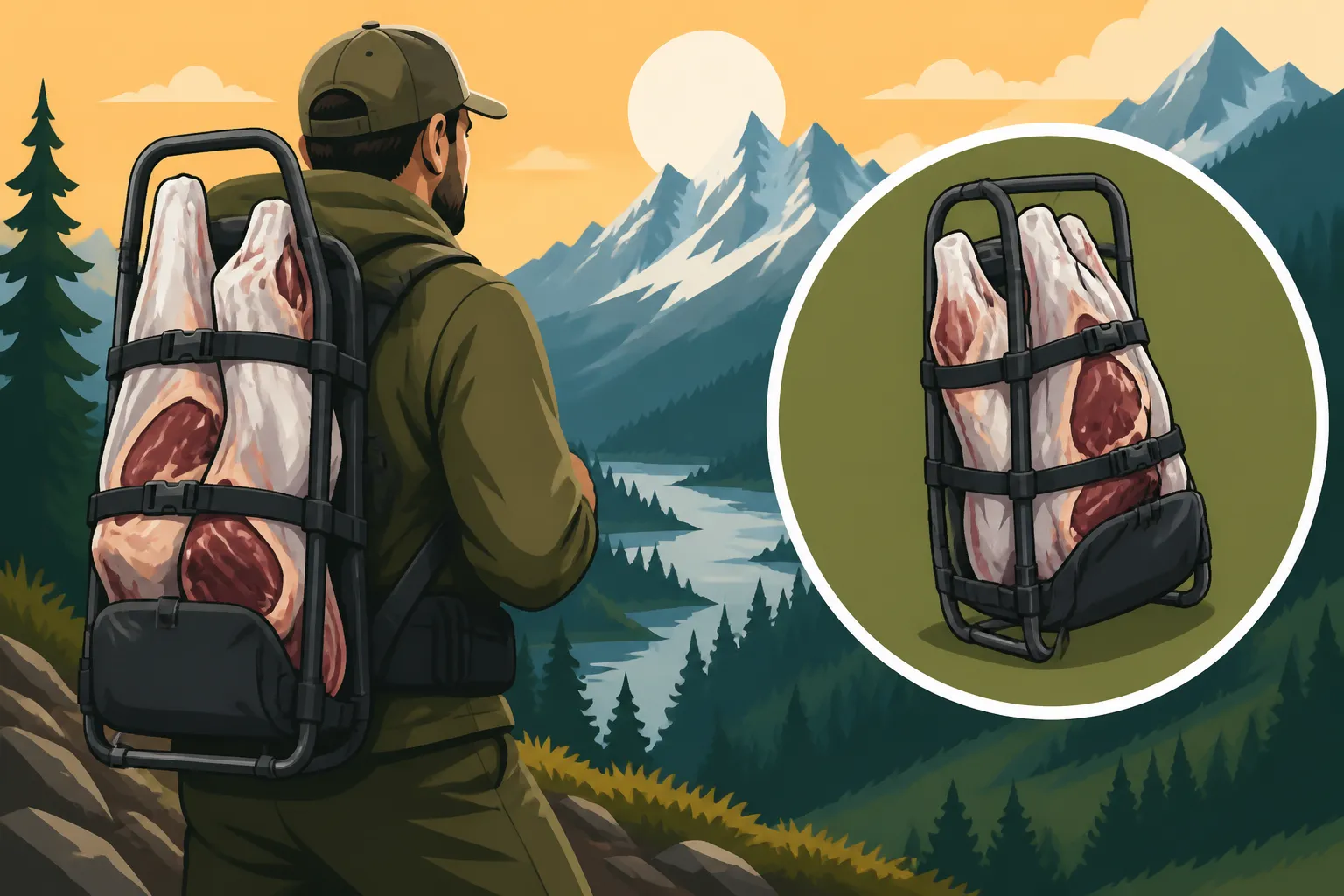
- Meat Shelf/Lashing System: Many modern frame packs feature an integrated "meat shelf" or a robust external lashing system. This allows you to securely sandwich boned-out meat or quarters directly against the frame, keeping the heaviest part of the load as close to your center of gravity as possible.
- Water Resistance: While not fully waterproof, a pack made from water-resistant materials with a good rain cover will protect your gear and, more importantly, your meat from the often-wet conditions. Consider the advice on Field Dressing in British Columbia's Wet Weather to minimize moisture absorption.
External vs. Internal Frames
This is a classic debate among hunters and backpackers, and both have their merits for BC.
-
External Frame Packs: These are the traditional workhorses, often characterized by a visible aluminum or composite frame on the outside. They excel at carrying extremely heavy, awkward, or bulky loads, making them ideal for whole quarters or bulky camp gear. They often offer superior ventilation between your back and the pack, a blessing on warm days, and are generally easier to load and unload due to the exposed frame and lashing points. The downside is they can be wider and less stable for bushwhacking through dense timber or maneuvering in tight spaces, which is a consideration if you're Hunting British Columbia's Coastal Rain. Brands like Kelty and ALPS OutdoorZ have long-standing reputations in this category.
-
Internal Frame Packs: More common in modern backpacking, internal frame packs integrate the frame within the pack body. They tend to hug your back more closely, offering better stability and maneuverability in dense cover or on technical terrain. While many internal frame packs can carry substantial weight, dedicated hunting models with robust internal frames and meat shelves are specifically designed for the heavy, unwieldy loads of game meat. These are often a bit more comfortable for general backpacking when not loaded with meat. KUIU and Stone Glacier are examples of companies making high-performance internal frame packs for hunters.
The choice often comes down to personal preference and the specific type of hunting you do. If massive, multi-trip pack-outs are a regular occurrence, an external frame might offer slightly more raw hauling power. For those who prioritize maneuverability and a tighter feel, a robust internal frame pack with a meat shelf is an excellent choice.
Recommended Brands and Models
The market for high-quality frame packs has exploded in recent years, with several brands leading the way in innovation and durability. When you're looking for gear, reputable online resources and forums, such as those found on GoHunt, often provide invaluable user reviews and expert comparisons that can help guide your decision. Some of the most popular and well-regarded brands include:
- KUIU: Known for their ultralight yet incredibly strong carbon fiber frames and modular designs. Their PRO series packs are highly regarded for backcountry hunting, allowing you to carry a substantial load comfortably.
- Stone Glacier: Another premium brand focusing on lightweight performance and ruggedness. Their packs, like the Terminus or Sky series, are designed for serious mountain hunters and can handle extreme loads.
- Mystery Ranch: Offering a diverse line, including their popular Guide Light MT frame system. Mystery Ranch packs are renowned for their bombproof construction and excellent load-carrying capabilities.
- Exo Mountain Gear: Their K3 series packs are a favorite among Western hunters for their thoughtful design, durable materials, and comfortable load hauling.
Before committing, read reviews, watch videos, and if possible, try on a few different loaded packs at a specialty outdoor store. A pack that fits your body well and feels comfortable with weight is far more valuable than the most expensive brand on the shelf.
Practical Steps for Packing Meat Safely and Efficiently
The actual act of loading and packing out meat is where your preparation truly pays off. This isn't just about strength; it's about technique, balance, and strategic thinking. British Columbia's regulations require certain evidence of sex to remain on the carcass or attached to a portion of the meat, so always be mindful of those rules during your processing.
Field Dressing and Quartering for Packability
The first step to an efficient pack out happens the moment you retrieve your animal. Proper field dressing and quartering are paramount.
- Cleanliness is Key: Work quickly and as cleanly as possible. Get the animal gutted promptly to allow it to cool, especially if you're dealing with Meat Care in British Columbia's Warm Early Seasons. Use game bags immediately to protect the meat from dirt, insects, and debris. Good quality, breathable game bags are essential for every hunting trip.
- Strategic Quartering: For most big game, you'll want to break it down into four quarters, often removing the backstraps and tenderloins separately. Depending on the animal size and your pack’s capacity, you might also bone out some cuts to reduce weight, although often the bone-in quarter provides a handle and better shape for packing. For a large moose, you might need to debone everything to make it manageable, paying attention to specific weight limits for each load. If you're Quartering a Moose in Grizzly Country, speed and efficiency are even more critical.
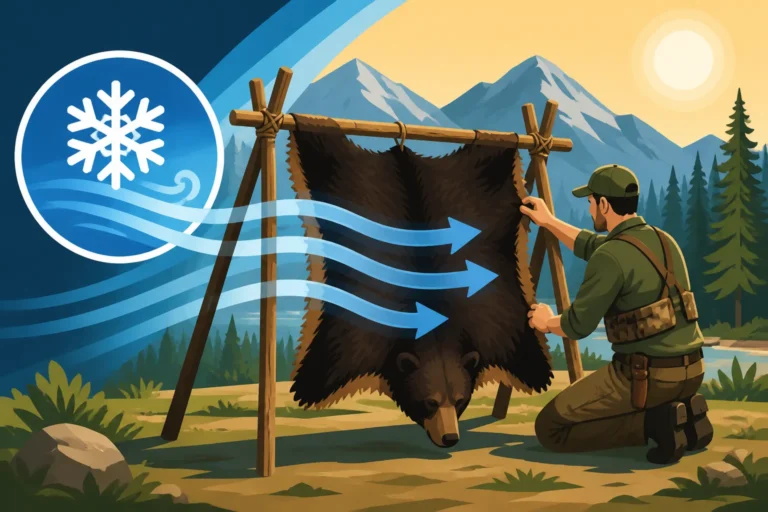
- Head and Hide Considerations: If you're keeping the head for a trophy, remember that it's another heavy, awkward load. The hide, especially from a large animal like a moose or bear, also adds significant weight and bulk. Plan for these items in your pack out strategy. Some hunters opt to skin at the kill site, while others may haul an entire deer or black bear out in one piece on the frame.
- Cooling the Meat: After quartering and bagging, try to get air circulating around the meat to cool it as quickly as possible. Hang it in the shade if available, or prop it up off the ground. This helps prevent spoilage, especially crucial during early season hunts in British Columbia when temperatures can still be quite mild.
Loading the Frame Pack: Balance and Distribution
This is where the magic of the frame pack comes alive. The goal is to create a compact, stable, and balanced load.
- Meat First, Closest to Your Back: For external frame packs with a meat shelf, place the meat directly on the shelf, snug against the frame. If you have boned-out meat, roll it tightly and secure it. For internal frame packs with a dedicated meat compartment, load the meat there. The heaviest part of the load should always be as close to your spine and as high on your back as possible without extending too far above your shoulders. This keeps your center of gravity high and tight, improving balance.
- Secure with Compression Straps: Frame packs come equipped with numerous compression straps. Use them liberally to cinch down the meat and prevent any shifting. A shifting load is a bad load. Ensure every strap is tight.
- Distribute Evenly: If you're carrying multiple quarters, try to distribute the weight as evenly as possible from side to side. Avoid having one side of your pack significantly heavier than the other, as this will pull you off balance and lead to fatigue.
- Pack the Rest of Your Gear: Once the meat is secured, you can then load your other essential gear (extra clothing, water, first-aid, navigation tools) into the main bag of the pack, or on top of the meat if using an external frame. Keep frequently needed items accessible.
Here’s a simplified comparison for packing different game sizes:
| Game Type | Recommended Approach for Packability | Frame Pack Loading Notes |
|---|---|---|
| Mule Deer/Blacktail | Quartered or boned out; often one trip. | Fit all four quarters (or boned meat) into the main compartment or against the meat shelf. Head and hide can be strapped externally or fitted inside with other gear. Focus on keeping the heaviest part of the load high and tight to the frame. |
| Elk | Quartered (4-6 pieces); multiple trips likely. | Due to size, you'll typically take one or two quarters per trip. Strap a single quarter or two boned-out quarters tightly against the frame/meat shelf. Balance is crucial for heavy loads. Backstraps and tenderloins can go in a smaller bag inside the main pack. |
| Moose | Fully boned out or smaller quarters; multiple trips. | Moose are massive. Expect 3-5 heavy loads. Bone out as much as possible to reduce weight. Use durable game bags. Focus on single, heavy, balanced loads per trip, such as a single boned-out hindquarter. Consider advice for Getting a Moose Out on a British Columbia River if applicable. |
| Black Bear | Whole or quartered; hide can be very heavy. | Depending on size, a whole bear can be carried. If quartering, ensure hide and head are securely bundled. The hide alone can be a substantial, awkward load. |
Securing Your Load for the Trek Out
Once everything is loaded, do a final check.
- Test the Load: Before you even take a step, put the pack on and walk around a bit. Does it feel stable? Are there any loose straps or wobbling parts? Adjust as needed.
- Double Check All Straps: Cinch down every compression strap, paying particular attention to the load lifters and the hip belt. The hip belt should be snug around your hips, not your waist, carrying the majority of the weight.
- Minimize Protrusions: Try to keep the load as compact as possible. Branches and obstacles in British Columbia's dense forest can easily snag on loose items, throwing you off balance or tearing your gear. This is particularly important when Hunting a Second-Growth Timber Block or other areas with dense vegetation.
- External Lashing Considerations: If you're lashing items externally, ensure they are tightly secured and won't swing or rattle. Use extra webbing straps if necessary.
Staying Safe and Comfortable on the Pack Out
Even with the best frame pack, hauling hundreds of pounds of meat is physically demanding. Prioritizing safety and comfort will not only make the experience more bearable but also prevent injury and ensure you make it back successfully.
Proper Pack Adjustment and Hiking Technique
A well-adjusted pack and a mindful hiking technique are your best friends on a heavy pack out.
- The 70/30 Rule: Aim for about 70-80% of the weight to be on your hips, with the remaining 20-30% on your shoulders. Adjust your shoulder straps and load lifters to achieve this balance. You should feel the weight primarily on your hips, with the shoulder straps snug but not digging in.
- Load Lifters: These small straps often go overlooked, but they are crucial. Pull them tight to bring the top of the pack closer to your back, preventing it from leaning away and creating leverage that can strain your shoulders.
- Sternum Strap: Use the sternum strap to pull the shoulder straps inward, preventing them from spreading too wide and putting undue pressure on your shoulders.
- Short, Deliberate Steps: When carrying a heavy load, your balance is compromised. Take shorter, more deliberate steps, especially on uneven or steep terrain. Lean slightly forward to counteract the weight, particularly when going uphill.
- Use Trekking Poles: Trekking poles are invaluable for stability, especially on steep ascents or descents, river crossings, or when you’re fatigued. They help distribute weight and provide extra points of contact with the ground, reducing strain on your knees and ankles. They’re a lifesaver when Getting Meat Out of Steep British Columbia Country.
Managing Fatigue and Staying Hydrated
Physical exhaustion is a major risk factor on a heavy pack out. You need to be proactive about managing it.
- Pace Yourself: Don't try to go too fast. A slow, steady pace is much more sustainable than bursts of speed followed by long breaks. Listen to your body.
- Regular Breaks: Take frequent, short breaks. Drop the pack, stretch, drink water, and have a small snack. This isn't a race; it's a marathon. For longer expeditions, consider Setting a Spike Camp Above Timberline to break up the pack out into manageable segments.
- Stay Hydrated and Fuelled: You'll be burning an incredible amount of calories. Drink plenty of water (carrying a water filter or purification tablets is wise) and eat calorie-dense snacks regularly. Dehydration and low blood sugar can lead to dizziness, poor judgment, and exhaustion.
- Electrolytes: Consider adding electrolyte tablets or powder to your water, especially on hot days or during extended pack-outs. This helps replenish salts lost through sweat.
- Group Effort: If hunting with a partner or group, rotate who carries the heaviest load if possible. A shared burden is a lighter burden.
Bear Safety with a Meat Load
Packing out fresh game meat can attract predators, particularly bears. British Columbia is bear country, and this is a serious consideration.
- Make Noise: Hike with noise to avoid surprising a bear. Call out, sing, or talk loudly, especially when visibility is limited.
- Travel in Groups: If possible, travel in a group. Bears are less likely to confront multiple people.
- Bear Spray Accessible: Always have your bear spray readily accessible and know how to use it. It should be on your hip belt or shoulder strap, not buried in your pack. This is a critical component of Bear Safety While Hunting in British Columbia.
- Store Meat Away from Camp: If you're setting up a temporary camp during the pack out, hang meat well away from your sleeping area, preferably 100-200 meters downwind, just like you would if you were Hanging Meat at a Backcountry Camp.
- Beware of Fresh Sign: Be extra vigilant for fresh bear sign (tracks, scat, claw marks on trees) around your kill site and along your pack-out route.
- Don't Rush the Pack Out: While you want to get meat cooled and out quickly, rushing can lead to mistakes and increase your risk. Take the time to be cautious and aware of your surroundings, especially if you're in an area known for grizzlies. It's an important part of Emergency Planning in British Columbia's Backcountry.
By understanding the mechanics of a frame pack, choosing the right gear, and implementing sound packing and hiking techniques, you'll be well-equipped to tackle the demanding but rewarding task of bringing your harvest home from British Columbia's wild places.
Disclaimer
Hunting in British Columbia carries inherent risks. The information provided in this guide is for informational purposes only and should not replace professional training, local regulations, or common sense. Always prioritize safety, understand and follow all provincial hunting regulations, and be prepared for changing conditions in the backcountry.