Hunting a Kootenay Creek Draw
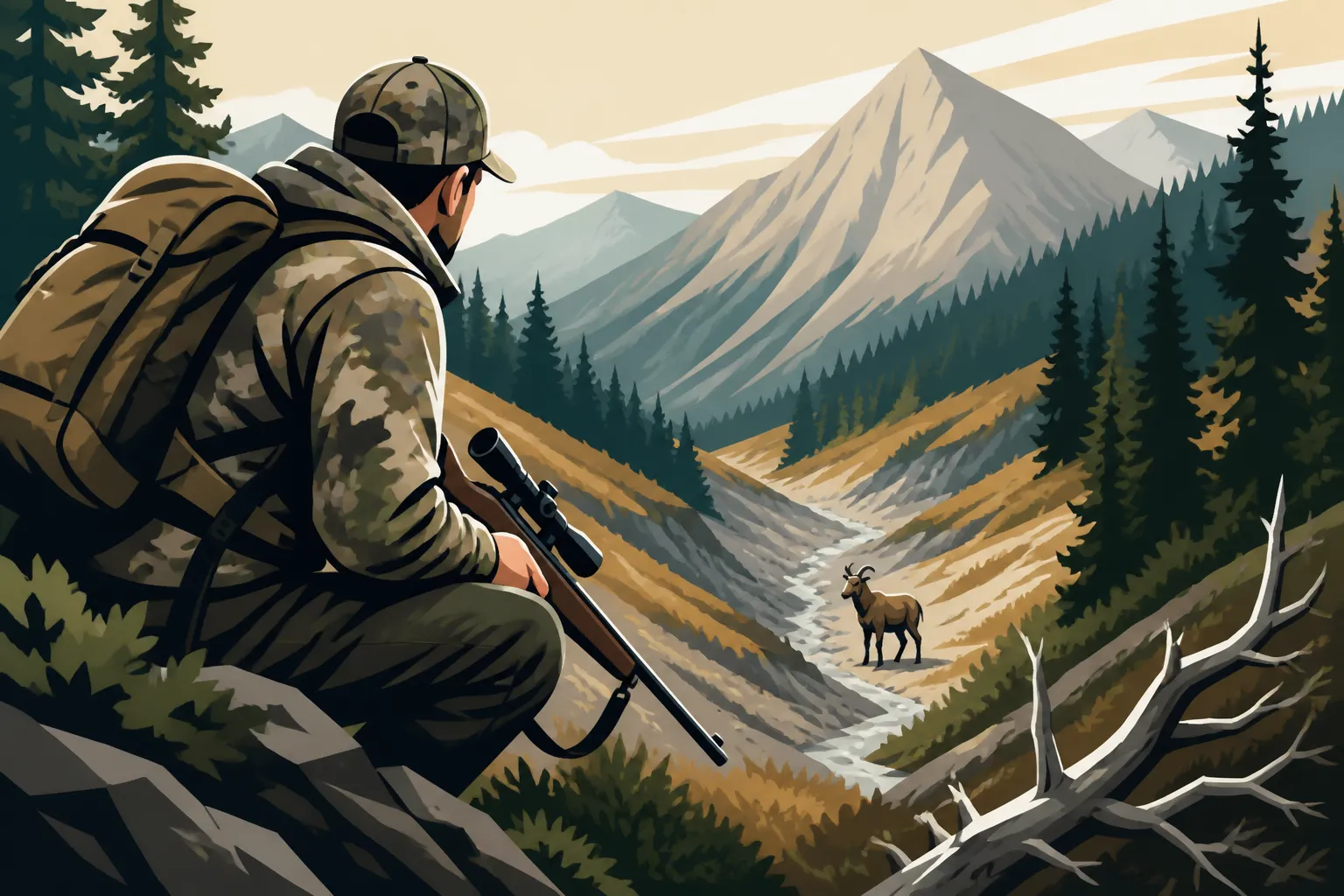
Hunting a creek draw in British Columbia's Kootenay region can be one of the most rewarding yet challenging experiences for any hunter. These natural corridors, often hidden away in steep terrain and dense timber, concentrate game like few other places, but knowing how to effectively navigate and hunt them takes a specific approach. This guide will walk you through understanding these unique ecosystems, developing effective hunting strategies, and preparing with the right gear to increase your chances of success in the Kootenays' intricate creek draws.
Understanding Kootenay Creek Draws and Their Ecosystems
Creek draws in the Kootenays are more than just geographical features; they are vibrant ecosystems that provide essential resources for a wide array of wildlife. Understanding why these areas are so attractive to game is the first step in formulating a successful hunting plan.
Why Creek Draws Are Prime Habitat
Imagine a ribbon of life winding through otherwise dry, steep, or open country. That's often what a Kootenay creek draw represents. The presence of water, even if it's just a trickle for part of the year, creates a microclimate that supports lusher vegetation, cooler temperatures, and more consistent moisture than the surrounding hillsides. This makes them absolute magnets for game animals, especially during dry spells or hotter early seasons.
These draws offer crucial elements: water, which is a non-negotiable for all wildlife; thick cover provided by dense conifers, alders, or willow bottoms, offering security from predators and harsh weather; and a more diverse food source, ranging from succulent forbs and grasses along the banks to browse species like willow, dogwood, and young aspen. Deer, elk, and bear frequently use these draws for travel, bedding, and feeding. Picture a hot September afternoon; a bull elk isn't going to be loafing on a sun-baked south-facing slope. He'll be bedded deep in the cool, moist timber of a creek bottom, ready to move under the cover of darkness. This reality is why these draws become such critical arteries for game movement and survival.
Reading the Landscape for Productive Draws
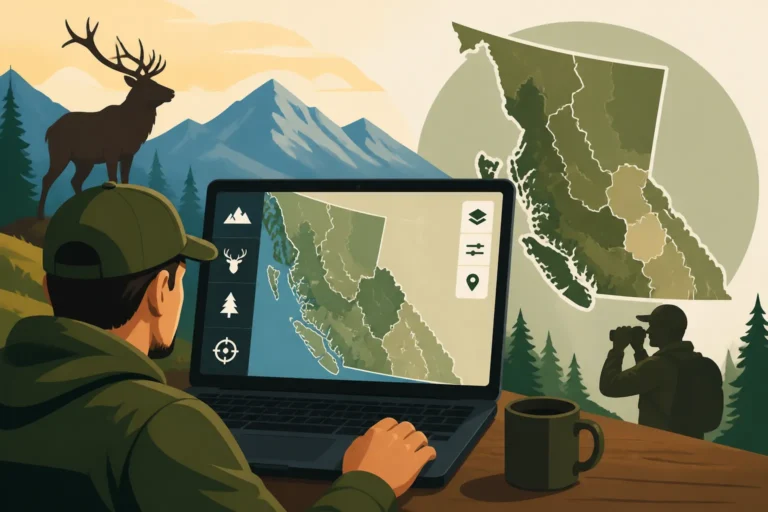
Identifying a productive creek draw starts long before you ever set foot in the woods. Modern mapping tools are incredibly helpful here. When you're first looking at an area, tools like GoHunt can be invaluable for identifying promising draws. You'll want to scrutinize topographical maps for features that suggest consistent water flow, like blue lines or shaded areas indicating steep, narrow valleys. Look for draws that connect larger blocks of timber, feed into open feeding areas, or run off major ridgelines. These are natural travel corridors and staging points.
Once you're on the ground, your focus shifts to reading the subtle signs that indicate active game use. Fresh tracks in mud or damp earth along the creek bank are a clear indicator. Look for rub lines on small trees, particularly in the fall, or droppings that indicate recent feeding or bedding. Pay attention to game trails — are they well-worn and numerous? Do they show fresh sign? Look for benches or flat spots within the draw, especially on the lee side of hills, as these are common bedding areas. A well-used creek draw might also feature areas where animals have obviously been browsing on vegetation or even wallows, particularly for elk and moose, indicating areas of heavy use. Even subtle changes in vegetation can signal an area animals prefer for forage. This kind of detailed scouting, often done long before the season, is what truly sets up a successful hunt.
Effective Strategies for Hunting Kootenay Creek Draws
Hunting creek draws demands a blend of patience, stealth, and an understanding of animal behavior. Whether you prefer to move slowly through the terrain or set up an ambush, tailoring your strategy to the unique characteristics of these draws is key.
Still-Hunting and Stalking Techniques
Still-hunting a creek draw is an art form, requiring slow, deliberate movement and hyper-awareness of your surroundings. The dense cover that attracts game also makes seeing them challenging, meaning you need to rely on all your senses. Your pace should be painstakingly slow – often taking several minutes to move just a few yards. Think about what a deer or elk might be doing: bedding, browsing, or moving cautiously. They aren't in a rush, and neither should you be.
The key is to use the terrain to your advantage. Creek bottoms often have small benches, rises, and depressions that can provide cover. Utilize the sound of the flowing water to mask your movements, especially when there's a good volume of water or a slight breeze rustling leaves. Always be mindful of the wind direction; it’s paramount to keep your scent from blowing ahead of you into the draw. As you move, stop frequently, scan every shadow, every cluster of trees, and every tangle of brush. Look for horizontal lines (an animal's back) in a vertical world (trees), or the flick of an ear, the shine of an eye. Take a few steps, then freeze for a full minute, listening intently, letting your eyes slowly pick apart the landscape. This methodical approach is vital when you're Still-Hunting Second Growth for Blacktail or any other species in dense cover, where animals can appear and disappear in an instant.
Stand Hunting and Ambush Tactics
Sometimes, the most effective way to hunt a creek draw is to let the animals come to you. Stand hunting or setting up an ambush can be incredibly productive, especially if you've identified consistent travel patterns or feeding areas within the draw. The strategy here revolves around identifying "pinch points" – areas where the terrain funnels animals into a narrow corridor, like a bend in the creek, a small saddle leading out of the draw, or a natural crossing point.
Set up your ambush before first light or several hours before dark, positioning yourself downwind and with good visibility of the expected travel routes. It’s crucial to minimize your silhouette and use the natural cover of the forest. For example, if you know elk are moving from higher bedding areas down to a particular feeding flat at dusk, setting up along the main game trail leading into the flat, about 100-150 yards away, could put you in a prime position. This method requires immense patience. Focus on remaining absolutely still, controlling your scent, and being ready when the opportunity presents itself. It's a strategy often employed when Hunting a Cleared Utility Corridor or any other linear feature that funnels game.
Calling and Decoying in Creek Draws
Calling can be an incredibly effective tactic in creek draws, especially during the rut for deer and elk, or when trying to locate game. The acoustics of a draw, with its natural funneling effect, can make calls travel farther and sound more natural. For deer, subtle fawn bleats or doe grunts can often draw in curious bucks, particularly when Calling a Blacktail Buck With a Fawn Bleat. For elk, bugling can challenge a bull into showing himself, especially when you're trying to locate a herd in thick timber.
When calling, position yourself with good cover and a clear shooting lane, as game may approach cautiously. Always be ready for an animal to appear quickly and quietly. Combining calling with decoying can be even more potent, particularly for elk. A cow or calf decoy strategically placed can draw an aggressive bull or curious deer into closer range. Ensure your decoy is visible but not obviously out of place, and that you have a safe backdrop for your shot. Remember, calling is about mimicking the natural sounds of the forest, so practice is key. Learning to read an animal's response to your calls and adjusting your strategy accordingly can make all the difference between a silent hunt and an unforgettable encounter. If you're looking to locate a bull, listening to responses could lead you to Bugling to a Roosevelt Elk Bull.
Gear and Preparedness for Creek Draw Hunting
Hunting Kootenay creek draws requires specific gear choices and a strong emphasis on preparedness due to the challenging terrain and variable weather conditions. Being well-equipped can drastically improve your comfort, safety, and success.
Essential Gear for Navigating Draws
The Kootenays, with their diverse elevations and coastal influences, can present you with anything from damp, mossy creek beds to rocky, steep slopes within a single draw. This demands durable, reliable gear. First and foremost, invest in high-quality, waterproof footwear with excellent ankle support and grip. You'll be crossing creeks, navigating slick rocks, and pushing through wet underbrush, so keeping your feet dry and stable is paramount. Brands like Kenetrek or Crispi are popular for a reason—they deliver in these tough conditions.
Layered clothing is another non-negotiable. Start with a moisture-wicking base layer, add an insulating mid-layer (fleece or merino wool), and top it with a waterproof and windproof outer shell. Conditions can change rapidly, from chilly mornings to warm afternoons, or from a sudden rain shower to bright sunshine. Being able to adapt your clothing prevents discomfort and helps you stay focused. Don't forget quality optics; a good pair of binoculars (10×42 or 10×50) and a reliable rangefinder are essential for picking apart dense timber and confirming distances when a shot opportunity arises. Also, a reliable headlamp is a must, even if you plan to be out only during daylight hours, as navigating a steep draw in fading light can be treacherous. When scouting, having detailed maps, either physical or on an app like GoHunt, is also critical for understanding the terrain you'll encounter.
Safety Considerations in Dense Terrain
Safety should always be your top priority, especially when deep in the Kootenays' rugged creek draws. This region is home to both black bears and grizzlies, so carrying bear spray, having it readily accessible, and knowing how to use it is non-negotiable. Even if you don't encounter a bear, the peace of mind is worth it. Familiarize yourself with Bear Safety While Hunting in British Columbia before you head out.
Navigation in dense, broken country can be tricky, even with familiar terrain. Always carry a reliable GPS device or use a mapping app on your phone (like the aforementioned GoHunt app) with downloaded offline maps, along with a physical map and compass as a backup. Share your hunting plan with someone reliable, including your intended route and expected return time. For truly remote areas, a satellite communication device like a Garmin inReach or Zoleo can be a lifesaver, allowing you to send messages or trigger an SOS even without cell service. Creeks can rise rapidly with heavy rain, making crossings dangerous, so always assess water levels before attempting to cross. Remember, Emergency Planning in British Columbia's Backcountry is not just a suggestion; it's a necessity.
Processing and Packing Out in Challenging Areas
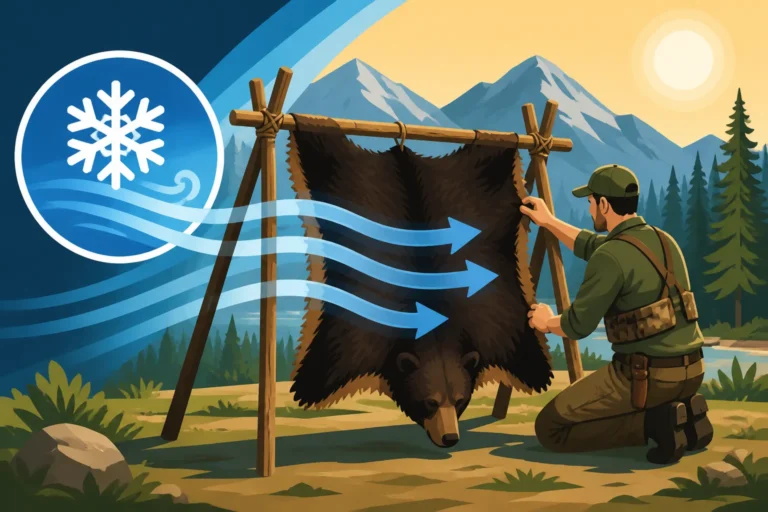
Successfully taking an animal in a Kootenay creek draw is only half the battle. Getting it out can be the real challenge, especially if you're deep in a steep, wet drainage. Having the right tools for field dressing and meat care is vital. Carry a sharp knife, a bone saw, and game bags that allow for airflow while protecting the meat from dirt and insects. In warmer early seasons, keeping the meat cool is crucial to prevent spoilage. This might involve quartering the animal quickly and hanging the meat in the shade, or even packing out portions as fast as possible. If you're concerned about temperatures, read up on Meat Care in British Columbia's Warm Early Seasons.
A sturdy external frame pack is invaluable for packing out heavy loads from steep, uneven terrain. Trying to haul out an entire deer or even elk quarters on a small daypack is a recipe for injury and frustration. Take your time, make multiple trips if necessary, and use trekking poles for stability. The terrain can be unforgiving, with slippery rocks, fallen timber, and steep inclines. Understanding how to efficiently break down an animal and safely transport its meat is as important as the hunt itself. It's often the hardest part, and requires careful consideration of how you'll be Packing Out of British Columbia's Steep Country.
| Aspect | Still-Hunting/Stalking | Stand Hunting/Ambush | Calling/Decoying |
|---|---|---|---|
| Pace | Very slow, deliberate | Stationary, patient | Can be stationary or mobile |
| Primary Skill | Stealth, observation, tracking | Patience, scent control, strategic positioning | Mimicry, understanding animal response |
| Best for Terrain | Dense timber, broken country, varied cover | Pinch points, travel corridors, feeding areas | Areas with good acoustics, dense cover for hiding |
| Typical Time | Dawn to dusk | Early morning, late evening | Rut seasons, locating game |
| Gear Focus | Lightweight, quiet clothing, good optics | Comfortable seat, scent eliminators, good camo | Calls specific to species, decoy (optional) |
| Pros | Dynamic, covers more ground, exciting | High success if location is prime | Can bring game closer, locate animals |
| Cons | Requires extreme discipline, easy to spook game | Can be boring, relies on game movement | Can spook game if done incorrectly |
Disclaimer
Hunting in British Columbia's backcountry carries inherent risks. This guide provides general information and recommendations. Always consult the official British Columbia Hunting and Trapping Regulations Synopsis for the most current and specific rules, regulations, and season dates. Hunter safety courses and local knowledge are crucial. The author and publisher are not responsible for any accidents, injuries, or legal infractions incurred while hunting. Hunt safely and ethically.