Hunting a Chilcotin Grassland
Hunting the vast, open grasslands of the Chilcotin region in British Columbia can be a truly humbling experience, leaving many hunters feeling a mix of awe and bewilderment. The sheer scale of the landscape, combined with the often-elusive nature of the game, presents unique challenges that can frustrate even seasoned veterans who are used to timbered draws or alpine basins. This comprehensive guide aims to peel back the layers of this unique hunting environment, offering practical strategies and insights to help you navigate the Chilcotin grasslands successfully and turn those frustrations into a rewarding hunt.
Understanding the Chilcotin Grassland Ecosystem
The Chilcotin is a vast, semi-arid plateau situated in the rain shadow of the Coast Mountains, offering a stark contrast to British Columbia's dense coastal forests. Characterized by expansive grasslands, rolling hills, scattered pine and aspen stands, and incised river valleys, it’s a landscape that demands a different approach to hunting. Forget busting through thick timber; here, visibility is often your friend, but the immense distances can play tricks on your eyes and test your patience.
Geographical Features and Habitat Types
The Chilcotin Plateau, encompassing areas like the Gang Ranch and specific Management Units (MUs) such as 5-02, 5-03, and 5-04, is dominated by native bunchgrasses, sagebrush, and antelope brush. These open plains are often interspersed with ribbons of deciduous trees like aspen and cottonwood along creek beds and river drainages. You’ll also find pockets of Ponderosa pine and Douglas fir on north-facing slopes and at higher elevations, providing crucial cover for game. The transitions between these habitat types are key.
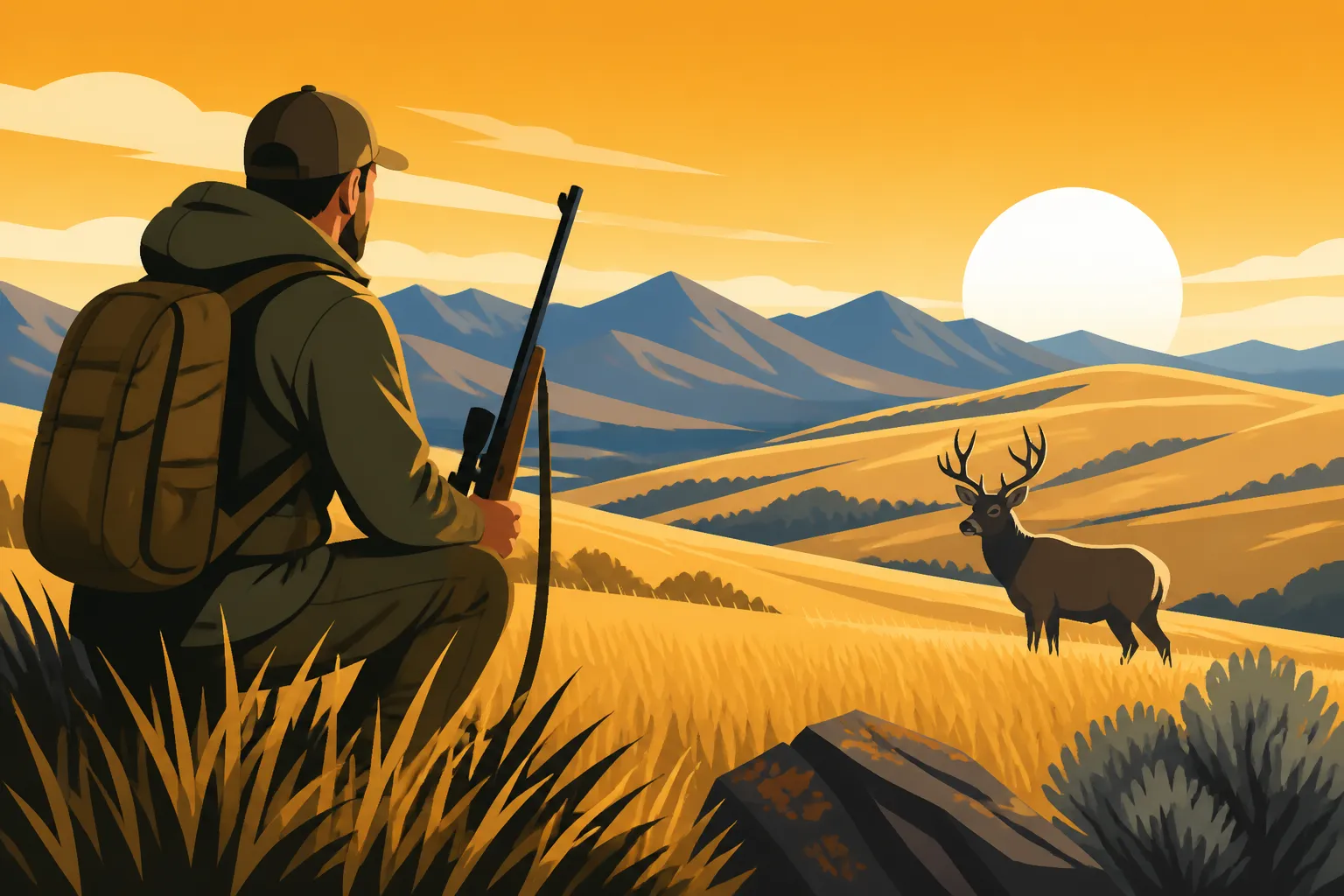
Imagine a crisp September morning, the sun just touching the tops of the rolling hills. You’re glassing a vast expanse of golden grass, dotted with the occasional juniper bush. Suddenly, a small cluster of trees along a distant draw catches your eye. This is where the magic happens—where deer will often bed, feed, and seek thermal cover. Understanding these subtle shifts in terrain, from open range to sparse timber, is fundamental to success. Hunters often spend hours just observing the landscape, looking for these subtle breaks in the monotony that provide an advantage.
Climate and Seasonal Influence on Game
The Chilcotin experiences continental climate extremes, with hot, dry summers and cold, snowy winters. Fall hunting seasons, particularly from September through November, bring significant changes. Early season can be warm and dusty, making game activity more pronounced during cooler parts of the day, often at dawn and dusk. As autumn progresses, temperatures drop, and snow can begin to dust the higher elevations, pushing animals down towards more sheltered areas and accessible feed.
The dry conditions throughout much of the hunting season mean that water sources, even small springs or cattle ponds, become magnets for wildlife. This is especially true for species like mule deer. Furthermore, the timing of the rut for species like deer is heavily influenced by the seasonal changes, creating specific windows of opportunity. For example, during the peak of the deer rut in late October and November, bucks become far more active and less cautious, making them potentially more visible as they search for does. Being aware of these climate-driven patterns allows you to predict game movement and focus your efforts. Knowing what to expect with changing weather is vital, and understanding "Weather Windows in British Columbia's Mountains" can give you a significant edge in your planning.
Key Species and Their Behavior in Grasslands
The Chilcotin grasslands are home to several exciting game species, but it's the mule deer that truly define the hunting experience here. Their ability to blend into the sparse landscape and utilize every contour of the land makes them a formidable quarry.
Mule Deer: Kings of the Grassland
Mule deer are the quintessential big game animal of the Chilcotin grasslands. They thrive in this open country, using their keen eyesight and hearing to detect threats from afar. Unlike their whitetail cousins who prefer dense cover, mule deer are masters of using topography to their advantage, often bedding on open slopes where they can see for miles. They’ll frequently bed just below a ridge crest, allowing them to disappear with a slight dip, or utilize the shade and cover offered by scattered pine and fir patches.
Observing how mule deer move and feed in these vast areas is crucial. They are often most active at first light and last light, venturing out into the open to browse on forbs and grasses. During the midday, they'll typically seek out bedding areas, often in a small depression, behind a large rock, or within a scattered group of trees. If you're looking for prime mule deer country, the Chilcotin certainly holds its own, as discussed in "Mule Deer Across British Columbia's Interior". Understanding this behavior is your first step to success.
Other Game Opportunities
While mule deer often steal the show, the Chilcotin grasslands offer chances at other species. Black bears are present, particularly in areas where grassland transitions into timbered river bottoms or higher elevation forests. They'll frequent berry patches in late summer and fall, and can sometimes be spotted crossing open areas between food sources. Coyotes are also abundant, offering a year-round predator hunting opportunity.
You might also encounter elk, particularly in the northern reaches of the Chilcotin or near the fringes of larger timbered areas. While not as prevalent as mule deer in the pure grassland, isolated herds do exist and offer a truly challenging hunt. Finally, various upland birds like grouse can be found along the edges of timber and riparian zones, providing a different type of challenge and a chance to fill the cooler after a long day of big game hunting.
Effective Hunting Strategies for the Chilcotin
Hunting the Chilcotin demands patience, good optics, and a willingness to cover ground—often with your boots, but sometimes with your vehicle to access key glassing points. The strategies here are tailored to maximize your chances in this unique environment.
Glassing and Spot-and-Stalk
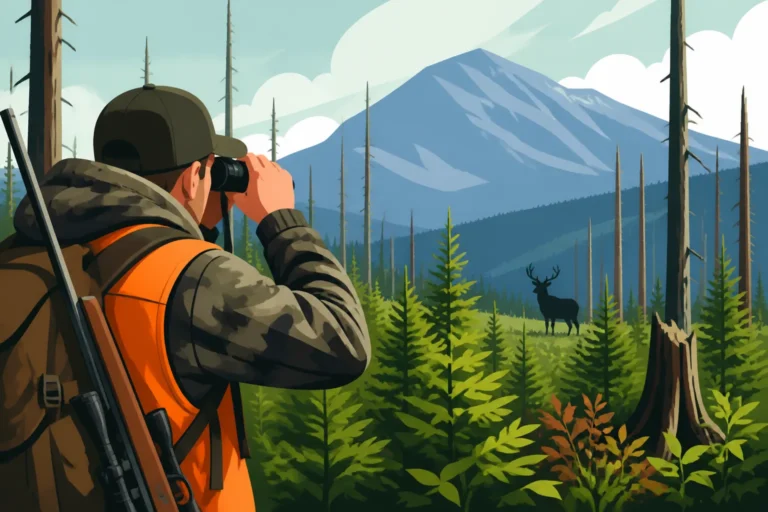
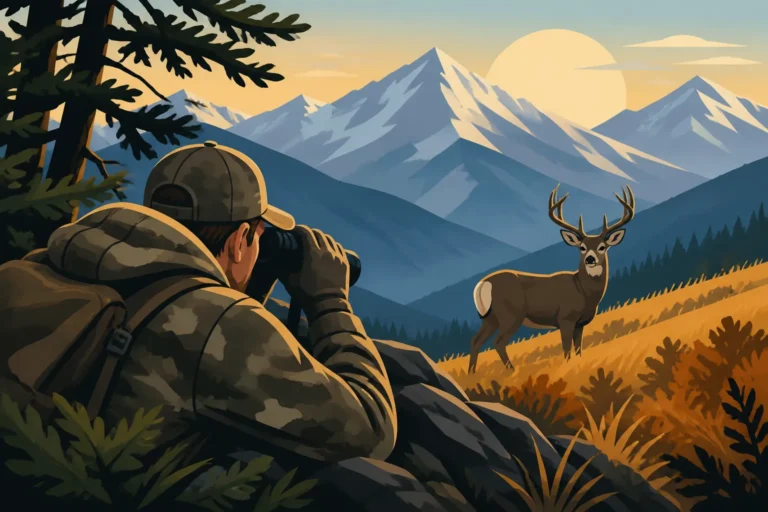
The cornerstone of Chilcotin grassland hunting is undoubtedly glassing. You'll spend a significant portion of your time behind good quality binoculars or a spotting scope, systematically dissecting distant hillsides and draws. The sheer scale of the landscape means you need to be able to pick out the subtle details—the flick of an ear, the gleam of an antler, or a distinct shape that doesn't quite fit the natural contours. Setting up on a high vantage point with a wide view is paramount.
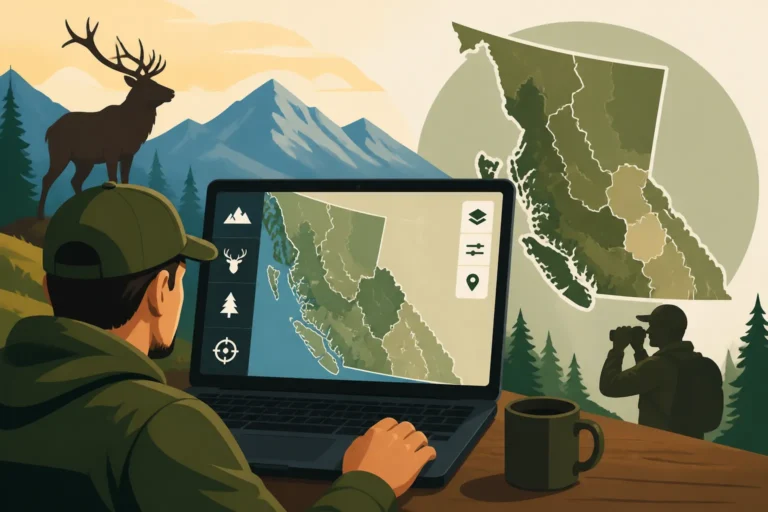
Once an animal is spotted, the real work begins: the spot-and-stalk. This involves careful planning to use every bit of available cover, no matter how small, to close the distance. Wind direction is critical, as is understanding the deer's potential escape routes. A successful stalk often means moving slowly, pausing frequently, and staying low. This is classic "Glassing an Interior Hillside for Mule Deer" territory, where patience and precision are rewarded. Many hunters find tools like the GoHunt app invaluable for scouting and planning these intricate stalks, using topographical maps to identify potential routes and cover before ever stepping foot on the ground.
Utilizing Topography and Cover
In a seemingly open landscape, every fold, ridge, and clump of brush becomes your best friend. Mule deer in the Chilcotin are masters of using these features for concealment. They might be bedded in a shallow depression barely visible from a distance, or behind a small rise that completely hides them until you're within shooting range. Learning to "read" the terrain for these hidden pockets is an acquired skill.
When planning your approach after spotting an animal, look for these natural features—the backside of a ridge, a deep gulley, a line of sparse pine trees, or even a field of tall sagebrush—that can provide concealment. Even a few feet of elevation change can be enough to break up your silhouette. Remember, the deer are looking for you, too, and they have excellent eyesight. Moving slowly, staying in shadow, and keeping low will increase your odds of getting into a shooting position. This type of hunting is where a good understanding of "Spot-and-Stalk Mule Deer in British Columbia" really pays off.
Timing Your Hunt and Patience
Patience is not just a virtue in the Chilcotin; it's a necessity. You might glass for hours without seeing a single animal, or you might spot deer a mile away that are impossible to approach due to open terrain. Early mornings and late evenings are generally the most productive times, as animals are typically more active. The middle of the day is often best spent glassing from a good vantage point, allowing you to observe patterns and locate bedded animals without disturbing them.
Consider hunting during the late fall, especially during the deer rut (typically late October through mid-November, depending on the specific MU and weather). During this time, bucks are often more focused on does and less cautious, making them more susceptible to daylight movement and potentially easier to spot. Always consult the "British Columbia Deer Season Dates by Region" for precise timing, as these can vary. The Chilcotin can be tough, but consistency and patience will eventually tip the odds in your favour. Don't be afraid to sit and watch a promising area for an extended period; sometimes, the best strategy is simply to wait.
Navigating Access and Regulations in the Chilcotin
The Chilcotin, being ranching country, presents unique challenges when it comes to access. Understanding where you can hunt and the rules that govern those areas is just as important as your hunting skills.
Public Land Versus Private Land
A significant portion of the Chilcotin is a mosaic of Crown land and private ranchland. While Crown land is generally open for public hunting, respecting private property boundaries is paramount. Many of the most productive grassland areas are privately owned, and accessing them without permission is illegal and can jeopardize future hunting opportunities for everyone. Hunters must be diligent in identifying property lines using maps, GPS devices, or apps like GoHunt, which can display property boundaries and help avoid accidental trespass.
When planning a hunt, it's always a good idea to scout beforehand, whether physically or digitally. Many Crown land sections are landlocked by private property, making direct access difficult or impossible. Understanding "British Columbia's Management Units and Regions" and their access points is crucial. Always seek permission from landowners if you intend to cross or hunt on private land. A friendly knock on the door or a phone call can open up opportunities you might not find otherwise, especially if you're respectful and offer to share some of your wild game. Don't forget to explore options for hunting a Chilcotin cattle range, as some ranchers might allow access under certain conditions.
Essential Regulations and Licensing
Before heading out, ensure you have all the necessary licenses and tags. This includes a basic British Columbia hunting license, species tags for the animals you intend to hunt, and potentially a Wildlife Habitat Conservation Stamp. All hunters, including residents, must have a Fish & Wildlife ID (FWID) and have completed the Conservation and Outdoor Recreation Education (CORE) program or an approved equivalent. More details on these requirements can be found by researching "British Columbia's CORE Exam and FWID".
It's absolutely critical to be familiar with the current British Columbia Hunting and Trapping Regulations Synopsis, which is updated every two years. Pay close attention to the specific regulations for the Management Unit you plan to hunt in, as seasons, bag limits, and antler restrictions (like the "four-point antler restriction" often found for mule deer) can vary significantly. Never assume; always verify. The latest "British Columbia's Two-Year Regulations Synopsis" is your go-to source for the most up-to-date rules.
Safety and Preparedness in Open Country
The Chilcotin's open, remote nature means you need to be self-sufficient and prepared for anything. Cell service is often non-existent once you leave the main highways, so a satellite communication device (like a Garmin inReach or a satellite phone) is highly recommended for "Emergency Planning in British Columbia's Backcountry". Always let someone know your hunting plan, including your intended route, where you'll be hunting, and when you expect to return.
Weather can change rapidly, from warm sunny days to cold, wet, or even snowy conditions. Dress in layers, carry extra food, water, and first-aid supplies. A good quality map and compass, along with a GPS device, are indispensable for navigation. If you are successful, be prepared to field dress and pack out your game, which can be a significant undertaking in this vast terrain. Having a sturdy frame pack, as discussed in "Packing Meat With a Frame Pack", is essential. Always carry bear spray and know how to use it, even though grizzly encounters are less common in the pure grasslands, black bears are definitely present.
Here's a quick reference for common game and typical conditions in the Chilcotin Grasslands:
| Species | Primary Habitat | Best Hunting Method | Peak Activity | Key Consideration |
|---|---|---|---|---|
| Mule Deer | Grasslands, Sagebrush, Draws | Glassing, Spot-and-Stalk | Dawn/Dusk, Rut (Oct/Nov) | Use topography for cover |
| Black Bear | Timber edges, River bottoms | Spot-and-Stalk | Spring/Fall | Focus on food sources |
| Coyote | All open areas | Calling, Spot-and-Stalk | Year-round | Good for predator control |
| Grouse | Riparian zones, Timber fringes | Walking, Flushing | Daytime | Requires specific habitat |
Remember, hunting the Chilcotin grasslands is a marathon, not a sprint. It demands respect for the land, its wildlife, and the local communities. With diligent preparation, a solid understanding of the terrain and its inhabitants, and a healthy dose of patience, you can experience one of British Columbia's most unique and rewarding hunting adventures.
Disclaimer
Please be aware that hunting regulations, seasons, and access rules can change frequently. Always consult the most current British Columbia Hunting and Trapping Synopsis and local authorities before planning any hunt. This guide is for informational purposes only and does not constitute legal advice. Hunters are responsible for understanding and adhering to all applicable laws and regulations.