Hunting Caribou Where Seasons Are Open
Hunting caribou in British Columbia can feel like chasing a ghost, a deeply frustrating reality for many hunters who dream of pursuing these magnificent animals. With shifting populations and significant conservation efforts, finding an open season is a challenge that requires meticulous research, patience, and a deep understanding of the province's complex regulations. This guide aims to demystify the process, helping you navigate the current landscape and identify if, and where, opportunities to hunt caribou might still exist in British Columbia.
Understanding the Current Caribou Landscape in British Columbia
British Columbia's caribou populations, particularly the Southern Mountain Caribou, Northern Mountain Caribou, and Boreal Caribou, have faced significant declines over recent decades, leading to widespread hunting closures and very limited opportunities. This isn't just a matter of changing regulations; it's a reflection of genuine conservation concerns for a species vital to our ecosystems. As hunters, it's paramount that we understand and respect these challenges, recognizing that sustainable hunting can only occur where populations are robust enough to support it. The provincial government, in conjunction with First Nations and other stakeholders, has implemented various recovery strategies, including habitat protection, maternal penning, and predator management, which often directly impact hunting seasons.
The Reality of Caribou Population Declines
The reasons behind the decline of caribou herds in British Columbia are multifaceted and complex. Habitat loss and fragmentation due to logging, mining, and road construction are major contributors, as these activities disrupt old-growth forests that caribou rely on for winter forage, particularly arboreal lichens. Climate change also plays a role, altering snowpack levels and vegetation patterns, which further stress these sensitive populations. Additionally, increased predator access into caribou habitat, often facilitated by human-made disturbances, has put additional pressure on herds. It's a challenging mosaic of factors that has led to many herds being classified as "at-risk," and consequently, most hunting seasons have been closed for a considerable time to aid in their recovery. It’s a tough pill to swallow for hunters, but it’s a necessary one when you consider the future of the species.
Conservation Efforts and Their Impact on Hunting Seasons
In response to these declines, British Columbia has implemented stringent conservation measures. Many areas that historically had caribou hunting seasons are now completely closed, and those that remain open are typically managed through highly restrictive Limited Entry Hunting (LEH) draws. These draws often have extremely low odds of success, reflecting the scarcity of tags available. For instance, the Boreal Caribou, found primarily in the Peace Region, are particularly vulnerable, and hunting opportunities for them are virtually non-existent. The focus is heavily on preventing further declines and, where possible, promoting recovery. Understanding British Columbia's Caribou Herds and Their Status is the first step in appreciating why these restrictions are in place and why hunting opportunities are so scarce. This proactive approach, while limiting, is critical for the long-term survival of the species, and as responsible hunters, we play a role in supporting it through our understanding and compliance.
Identifying Open Caribou Hunting Areas and Opportunities
Given the extensive closures, pinpointing specific open caribou hunting areas in British Columbia is a specialized and often frustrating task. The province’s hunting regulations are updated every two years, and caribou regulations are among the most dynamic, often changing even within those cycles due to urgent conservation needs. Currently, most significant caribou hunting opportunities for residents are found in the Northern Mountain Caribou populations, far north in the province, often requiring remote access and extensive effort. These areas are typically managed exclusively through LEH draws, meaning you can't just buy an over-the-counter tag and head out.
Navigating Limited Entry Hunting (LEH) for Caribou
If you are a resident hunter hoping to pursue caribou, your primary avenue will be through the Limited Entry Hunting (LEH) draw system. This system allocates a very limited number of tags for specific species in designated Management Units (MUs) or zones. For caribou, the number of available tags is often in the single digits for the entire province, making it one of the most difficult draws to win. You'll need to meticulously study the latest hunting synopsis, often found on the provincial government's hunting website. Websites like GoHunt can also be invaluable resources for quickly checking current regulations, draw odds, and application periods. They often compile complex regulatory information into user-friendly formats, which is a huge help when dealing with something as nuanced as caribou seasons.
The application process for LEH is typically online and requires a valid British Columbia hunting license and a FWID (Fish and Wildlife ID). It’s crucial to pay close attention to the specific application deadlines, as they are strict and unforgiving. When considering which LEH zones to apply for, you'll want to carefully examine the draw odds, which are usually published after each draw cycle. For caribou, these odds are typically dismal, sometimes less than 1%. However, even slim chances are still chances for those committed to the pursuit. Familiarizing yourself with When British Columbia's LEH Applications Open and Reading LEH Odds Before You Apply can give you a strategic edge, however small.
Regions with Potential Caribou Hunting Seasons
Historically, and in very limited capacity currently, any open caribou seasons are almost exclusively located in the northern regions of British Columbia, particularly the Omineca, Skeena, and Peace Regions. These vast, remote areas are home to the Northern Mountain Caribou. Even within these regions, specific MUs or zones will be designated, and often, only certain antler configurations (e.g., bull caribou only) will be allowed. It is extremely rare to find any general open season (GOS) for caribou anywhere in BC anymore.
For example, a hunter might find an LEH for bull caribou in a specific portion of the Spatsizi Plateau, or a remote unit in the Cassiar Mountains. These areas are characterized by vast subalpine and alpine tundra, requiring significant physical effort and logistical planning to access. You won't find caribou on logging roads near urban centres; these hunts are deep backcountry endeavors. It’s imperative to consult the current British Columbia Hunting and Trapping Regulations Synopsis directly, as well as the LEH Zone Maps, to identify any active caribou opportunities. Relying on outdated information could lead to serious legal issues, or a fruitless trip to a closed area.
Here's a simplified overview, but always verify with the official synopsis:
| Region | Caribou Population Type | General Status (Resident) | Typical Hunting Method | Notes |
|---|---|---|---|---|
| Peace | Boreal / Northern Mountain | Mostly Closed / LEH Only | Backcountry / Remote | Boreal caribou highly endangered, very limited or no hunting. |
| Omineca | Northern Mountain | LEH Only | Backcountry / Fly-in | Some of the most remote and challenging hunts. |
| Skeena | Northern Mountain | LEH Only | Backcountry / Backpack | Renowned for remote mountain hunting, e.g., Spatsizi. |
| Thompson-Okanagan | Southern Mountain | Closed | N/A | Historically present, now closed due to extreme conservation need. |
| Kootenay | Southern Mountain | Closed | N/A | Significant conservation efforts, no hunting. |
| Cariboo | Southern Mountain / Mountain | Closed | N/A | Historically iconic, now closed. |
| West Coast | N/A (no caribou) | N/A | N/A | No caribou populations. |
| Vancouver Island | N/A (no caribou) | N/A | N/A | No caribou populations. |
| Lower Mainland | N/A (no caribou) | N/A | N/A | No caribou populations. |
Disclaimer: This table is a generalization. Always consult the most current British Columbia Hunting and Trapping Regulations Synopsis for definitive and up-to-date information.
Practical Considerations for a Caribou Hunt
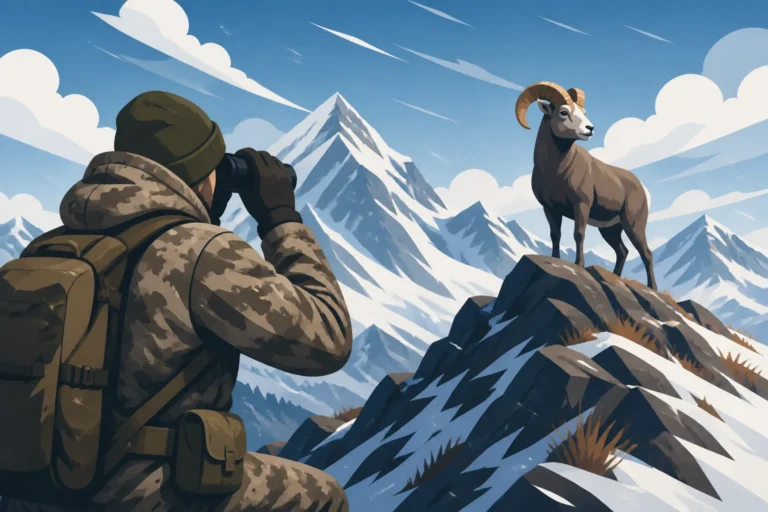
Drawing a caribou tag in British Columbia is just the first hurdle; the actual hunt presents its own set of formidable challenges. These are not easy-access hunts; they demand significant physical fitness, robust backcountry skills, and specialized gear. Most caribou habitat is found in rugged, remote alpine and subalpine terrain, far from roads and infrastructure. Planning a successful caribou hunt is akin to planning a Backpack Hunting British Columbia's Sheep Country expedition in terms of preparation and effort.
Essential Gear and Logistics for Remote Caribou Hunting
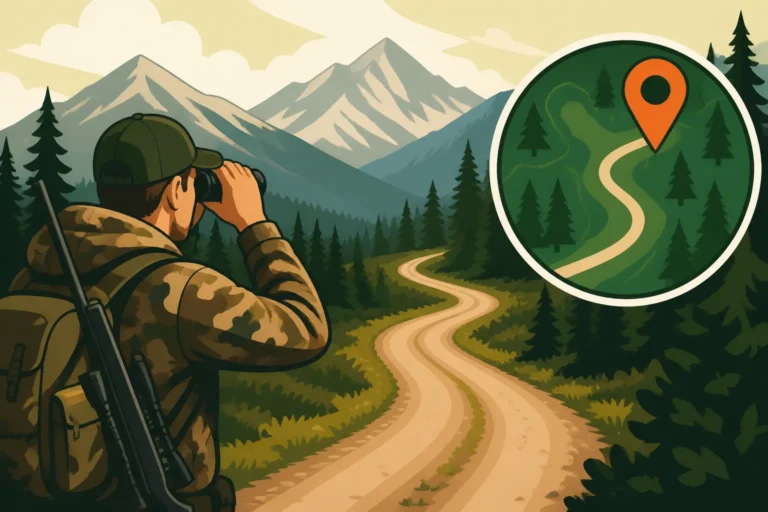
A caribou hunt in British Columbia’s north necessitates serious preparation. We're talking about multi-day, self-supported trips, often requiring pack animals or bush planes for access. Your gear list will look very similar to that for a sheep or goat hunt. A reliable, lightweight backpacking tent, a warm sleeping system rated for alpine conditions, a robust internal or external frame pack capable of hauling heavy loads, and waterproof, breathable layering clothing are absolute must-haves. You'll also need dependable navigation tools, like a GPS and paper maps, as cell service will be non-existent in these remote regions. Satellite communication devices, such as an InReach or Zoleo, are not optional; they are vital for safety and emergency communication.
Optics are critical for glassing vast expanses of open country. High-quality binoculars (10×42 or 12×50) and a powerful spotting scope (20-60x or 25-75x) are essential for locating small specks that might be caribou at extreme distances. Good boots are non-negotiable; they need to be broken in, waterproof, and provide excellent ankle support for traversing rocky, uneven terrain. Finally, a rifle chambered in a cartridge suitable for long-range shots on medium to large game, like a .300 Win Mag or 7mm Rem Mag, is often preferred, coupled with extensive practice in field shooting positions. Don't forget bear spray and know Bear Safety While Hunting in British Columbia, as grizzlies are certainly present in many of these areas.
Accessing Remote Caribou Country
The biggest logistical hurdle for most caribou hunts is access. Many of the potential LEH zones are truly "fly-in" or "horseback-in" country. Hiring a bush plane to drop you and your gear at a remote lake or airstrip is a common, though expensive, option for accessing the deepest wilderness areas. Alternatively, some hunters will hire horse packers to get them into alpine zones beyond the reach of ATVs or even extended foot travel. For those considering these options, research reputable outfitters and air charter services well in advance. These services book up quickly, especially during prime hunting seasons.
Even if you can drive close to a potential area, be prepared for extensive hiking. We're talking about off-trail travel, potentially through dense bush, across river crossings, and up steep, rocky slopes to reach the caribou's preferred high-elevation habitat. Remember, caribou often inhabit the same stunning, rugged country you'd find when Hunting British Columbia's Alpine in September. This isn't a hunt you can do effectively without being in peak physical condition and having a solid understanding of wilderness navigation and survival.
Conservation and Ethical Hunting Practices for Caribou
Hunting caribou in British Columbia, even with an LEH tag, carries a profound responsibility. Given the precarious state of many herds, ethical considerations and adherence to conservation principles are more critical than ever. This isn't just about following the letter of the law, but upholding the spirit of responsible wildlife stewardship.
Responsible Harvesting and Meat Care
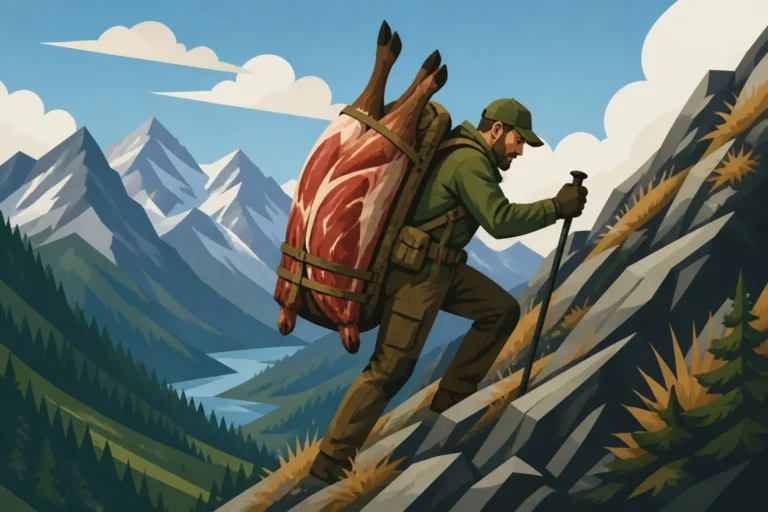
If you are fortunate enough to draw a tag and harvest a caribou, responsible harvesting and meticulous meat care are paramount. Caribou, like moose or elk, are large animals. You’ll need to be prepared for the significant effort involved in field dressing and packing out the meat, often in challenging conditions. This includes having the right knives, game bags, and knowledge of how to cool the meat quickly, especially if temperatures are mild. Learning proper field dressing techniques is crucial to avoid spoilage. Considering Meat Care in British Columbia's Warm Early Seasons is vital, as early fall hunts can still see mild temperatures in the mountains.
Compulsory reporting is a critical component of caribou management. Even if you don't harvest an animal, you typically must report on your LEH authorization. If you do harvest a caribou, there are strict rules regarding British Columbia's Compulsory Reporting Rules which usually include reporting within 30 days of harvest, and often a compulsory inspection of the skull and hide to gather biological data. This information is invaluable to wildlife biologists who are working to understand and manage caribou populations. Adhering to these rules isn't just a legal requirement; it's a direct contribution to caribou conservation efforts.
Respecting Caribou Vulnerability and Future Generations
Beyond the regulations, an ethical caribou hunt demands respect for the animal's vulnerability. This means taking every precaution to ensure a clean, ethical shot and minimizing any undue stress on the animals. It also means understanding that future hunting opportunities depend entirely on the health of these populations. If you scout an area and find that conditions seem poor, or that caribou are unusually scarce, it might be an ethical decision to conserve your tag and not harvest, even if you have the legal right to do so.
The caribou is an iconic species, deeply ingrained in the natural and cultural heritage of British Columbia. Participating in a caribou hunt, however rare the opportunity, comes with a responsibility to be an ambassador for responsible hunting and conservation. It's about ensuring that these incredible animals continue to roam our wild spaces for generations to come, even if it means fewer opportunities for us today. Ultimately, the goal is not just to fill a tag, but to contribute to the long-term health and survival of British Columbia's caribou.
Disclaimer
Please remember that hunting regulations in British Columbia can change frequently. Always consult the most current British Columbia Hunting and Trapping Regulations Synopsis, available on the provincial government's official website, before planning any hunt. This guide is for informational purposes only and does not constitute legal advice.