Horseback Hunting British Columbia’s Backcountry
Have you ever gazed at the distant peaks, watched a mule deer disappear over a high ridge, or tracked a moose through miles of dense timber, only to feel utterly defeated by the sheer distance and rugged terrain? The feeling of knowing prime hunting ground is just out of reach because your boots and backpack can only take you so far is a common frustration for many British Columbia hunters. This comprehensive guide is dedicated to unlocking those remote, untouched corners of BC by exploring the invaluable art of horseback hunting in the backcountry, offering a pathway to truly wild experiences.
Why Choose Horseback for British Columbia's Backcountry?
British Columbia is a vast, wild province, and while there are plenty of areas accessible by vehicle or on foot, the real treasures, the truly untouched havens for big game, often lie deep within its extensive backcountry. For many hunters, the thought of packing out a moose or an elk from miles beyond the nearest road is daunting, if not impossible. That's where horses become more than just transportation; they become game-changers.
Accessing Remote Hunting Grounds
One of the most significant advantages of horseback hunting is the unparalleled ability to reach areas that are simply inaccessible by any other means. We're talking about those hidden valleys, high alpine basins, and vast plateaus that are too far from traditional road networks for a day hike, and too rugged for ATVs. You might find a well-used trail that eventually peters out, or follow old trapper routes that haven't seen human foot traffic in decades.
With horses, you can push past those initial few kilometers where many foot hunters tend to concentrate, venturing into the untouched wilderness where game feels less pressured. This often means encountering more mature animals, and having a truly solitary experience, free from the crowds that can sometimes define popular hunting areas during peak seasons. It's about getting away from it all and finding that wild, pristine solitude that BC is famous for, where the only sounds are the wind, the wildlife, and the rhythmic plod of hooves.
The Ultimate Pack Out Solution
Let's be brutally honest: after successfully harvesting a large animal like a moose or an elk deep in the backcountry, the real work begins. The thought of quartering an animal and then packing out of British Columbia's steep country on your back can be enough to make some hunters reconsider their ambitions. This is where horses shine. They are simply unmatched for their ability to carry heavy loads over difficult terrain.
Imagine the relief of having a string of pack horses ready to carry out hundreds of pounds of meat, capes, and horns, saving your back and knees from days of strenuous labor. Not only do they make the physical extraction far easier, but they also allow you to bring in more comfortable camp gear and supplies, enhancing the overall experience. A successful hunt is exhilarating, but the joy can quickly turn to dread if you're facing an epic pack-out by yourself. Horses transform this logistical nightmare into a manageable, even enjoyable, part of the adventure.
Planning Your British Columbia Horseback Hunt
Embarking on a horseback hunt in British Columbia's backcountry requires meticulous planning, far beyond what a typical road-based or day-hike hunt entails. You're essentially managing a small expedition, and every detail matters.
Selecting the Right Management Unit and Season
Choosing the appropriate Management Unit (MU) is paramount for a successful horseback hunt. You need MUs that offer vast tracts of open country, minimal road access beyond a certain point, and a healthy population of your target species. Regions like British Columbia's Northern Rockies, parts of the Cariboo, Omineca, and Kootenays are often ideal, offering expansive wilderness and established trail systems or traversable terrain. You'll want to carefully consult the British Columbia hunting regulations synopsis, paying close attention to species populations and hunting pressure in specific MUs.
It's also vital to consider the season. Early fall hunts, perhaps for Hunting British Columbia's Alpine in September, can be fantastic for horseback access to high country before heavy snows set in. However, these warmer periods mean extra diligence for Meat Care in British Columbia's Warm Early Seasons. Later seasons might bring colder temperatures, better meat preservation, but also the risk of snow closing trails or making travel treacherous for horses. When Scouting a British Columbia Management Unit, use resources like satellite imagery and topographical maps, possibly even tools like GoHunt's mapping features, to identify potential staging areas, trailheads, water sources, and areas with good forage for your horses. Look for natural barriers that would deter foot traffic but are negotiable on horseback, creating those pockets of untouched wilderness.
Logistics and Permits for Horse Travel
Accessing British Columbia's Crown Land Access with horses is generally permitted, but there are specific considerations. You need to identify suitable trailer parking areas near trailheads, ensuring you're not blocking active logging roads or private land access. Some areas might have restrictions on horse use, particularly within sensitive ecological zones or certain provincial parks where hunting might still be permitted but horse travel is not. Always check with local authorities or BC Parks if you plan on traversing park land.
Beyond the general hunting licence and species tags, like those outlined in British Columbia Hunting Licences and Fees, there are typically no specific permits for horses themselves on Crown land in BC for recreational use, but adherence to "Leave No Trace" principles is crucial. This includes proper disposal of manure, minimizing impact on trails, and never cutting live trees for horse feed or shelter. Furthermore, if you're bringing horses from outside BC, or even certain regions within BC, you need to be aware of health certificates and inspection requirements to prevent the spread of diseases. Always carry proof of ownership for your horses.
Assembling Your Crew and Horses
A successful horseback hunt isn't usually a solo endeavour. You'll need a reliable crew, ideally with experience handling horses in backcountry conditions, and a string of horses capable of the task. This means more than just one riding horse and one pack horse. Depending on the length of your trip and the amount of gear, you might need several pack animals.
Your riding horses should be well-conditioned, sure-footed, and accustomed to various terrains, including steep ascents, descents, rocky paths, and crossing streams. Pack horses, in addition to being sturdy and calm, need to be tolerant of being tied, loaded, and handled in diverse situations. If you don't own horses or have the expertise, consider working with an experienced outfitter or guide who specializes in Horseback Access to British Columbia's Alpine or other remote regions. They'll have the seasoned animals and the knowledge to get you there safely.
Essential Gear for Horseback Hunts
While many elements of hunting gear remain consistent, horseback hunting introduces a whole new layer of specialized equipment necessary for both rider and animal. This isn't just about what you wear or carry, but what your horses need to survive and thrive in remote areas.
Riding and Pack Equipment
Your saddles are paramount. For riding, a comfortable, well-fitting saddle that can handle long hours in varied terrain is crucial. This might be a Western-style trail saddle or a specialized endurance saddle. For your pack horses, quality pack saddles are non-negotiable. Sawbuck or Decker pack saddles are common choices, designed to distribute weight evenly and securely. Don't skimp on quality here; a poorly fitting or cheap pack saddle can cause sores on your horse and lead to gear loss or even serious accidents in rough country.
You'll also need:
- Panniers: These heavy-duty bags attach to the pack saddle and carry most of your gear. Canvas, synthetic, or even hard-sided panniers are available.
- Manties and Tarps: To secure and protect loads. A manty is a canvas cover, often used with rope hitches, to secure items on a pack horse.
- Lead Ropes and High Ties: Essential for managing your string of horses, both on the trail and in camp. High ties keep horses from tangling, pawing, or wandering too far.
- Hobbles or Electric Fence: To graze horses safely at night without them wandering off. A portable electric fence system is lightweight and very effective.
Consider the weight of all your gear. Every pound counts, not just for your own back, but for what your horses can comfortably carry. Invest in lightweight, durable alternatives wherever possible, especially for items like tents, sleeping bags, and cooking gear.
Horse Provisions and Veterinary Supplies
Just like you need provisions, so do your horses. Even with abundant natural forage, horses often benefit from supplemental feed, especially during strenuous travel or in areas with poorer grazing.
- Feed: Bring compact, high-energy feed like pelleted grain or chopped hay. Calculate enough for the duration of your trip, plus a few extra days' buffer.
- Salt/Mineral Blocks: Essential for maintaining horse health in the backcountry.
- Water Purification: While horses typically drink from natural sources, having a way to access or filter water in dry areas or during droughts is a good backup plan.
A comprehensive veterinary kit is absolutely essential. Accidents happen, and being miles from professional help means you need to be prepared for common equine injuries and ailments.
- Wound Care: Antiseptics (like Betadine), bandages, vet wrap, gauze, and a sterile saline solution.
- Pain Relief/Anti-inflammatories: Speak with your vet about appropriate medications for horses.
- Hoof Care: Hoof pick, thrush treatment, and possibly a spare shoe and shoeing hammer if you're skilled.
- Colic Medication: For digestive upset, a common and serious issue for horses.
- Insect Repellent: For both horses and riders, especially during warmer months.
- Electrolytes: To help rehydrate and replenish minerals after strenuous work.
Before you leave, ensure your horses are up to date on all vaccinations and deworming. Consult with your veterinarian to create a personalized first-aid kit and get training on how to administer common treatments.
Horse Care and Management in the Field
The well-being of your horses is paramount to the success and safety of your horseback hunt. These animals are your partners, and their care needs to be a top priority from the moment you leave the trailhead until you return.
Daily Horse Routine and Camp Setup
Establishing a consistent daily routine is key to keeping your horses healthy and happy in the backcountry. Each morning, start with a thorough check of each horse. Look for any rubs, cuts, swelling, or lameness. Check their hooves for embedded stones or loose shoes. Adjust saddles and pack equipment to ensure proper fit before loading. On the trail, take regular breaks to allow the horses to rest and drink.
When setting up camp, especially if you're planning on Setting a Spike Camp Above Timberline, choose a location that offers safe grazing, access to water, and natural shelter from wind and rain.
- High Lines: These are strong ropes stretched between two trees, elevated above head height, to which you tie your horses for the night. This prevents them from wandering, minimizes environmental impact, and keeps them safe from potential predators.
- Portable Electric Fence: As mentioned, a lightweight electric fence can create a larger grazing area around camp, offering more freedom of movement than a high line while still keeping horses contained.
- Picketing: This involves staking a horse with a long rope, allowing them to graze in a wider circle. Always use a swiveling picket stake to prevent tangling.
Ensure your horses are watered and fed their supplemental grain each evening. Brush them down, especially where the saddle sits, to prevent rubs and check for any ticks or injuries. A tired, sore, or hungry horse is not only less effective but also more prone to accidents.
Navigating Trails and Difficult Terrain
Riding and packing horses through British Columbia's rugged terrain requires skill and constant vigilance. Always lead your pack string, rather than riding behind them, so you can monitor their progress and react to challenges. Be mindful of narrow trails, fallen timber, rocky ascents, and steep descents. It's often safer to dismount and lead your horse through particularly tricky sections, especially if you're unsure of their footing.
When crossing streams or rivers, assess the depth and current before proceeding. Uncinch your saddle a bit before water crossings to allow the saddle to shift with the horse's movement and prevent chafing. If the water is swift or deep, you might need to find an alternative crossing or carefully ferry gear across separately. Always keep a safe distance between horses on the trail to prevent kicks and maintain control. Communication within your hunting party is crucial; call out obstacles or potential hazards to those behind you. Learning to read your horse's body language is also vital – a horse that's hesitant, prancing, or snorting might be indicating a hidden danger or an obstacle it perceives.
Hunting Techniques From Horseback
Horseback hunting isn't just about riding to a spot and then getting off. It integrates the animals into the very fabric of your hunting strategy, offering unique advantages and requiring specific approaches.
Spot-and-Stalk with Equine Advantage
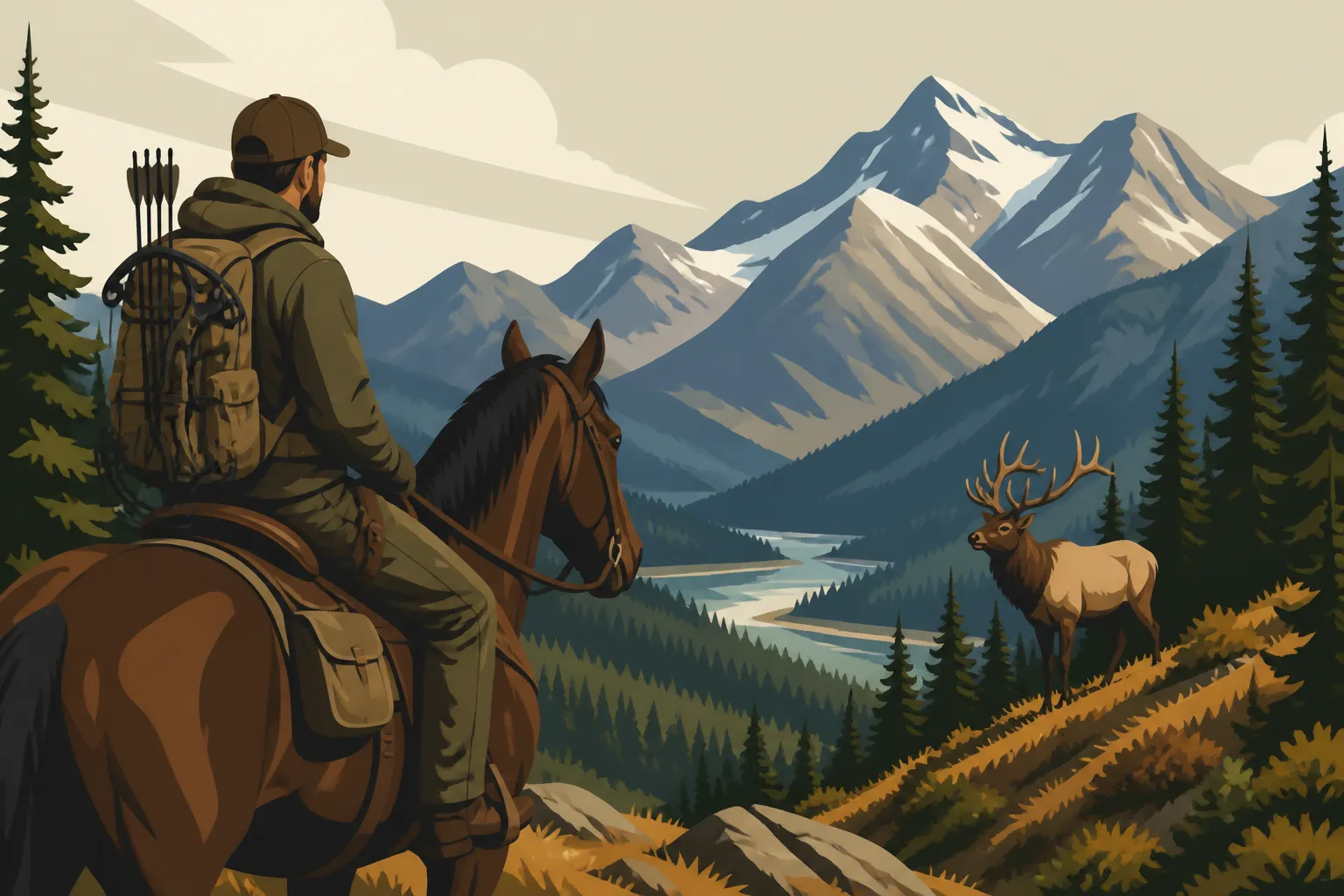
The most common and often most effective method of horseback hunting involves using your horses to cover vast distances to prime hunting areas, and then dismounting for a traditional spot-and-stalk approach. Imagine riding for hours into a remote valley, glassing a distant ridge, and spotting a magnificent bull elk. Instead of hiking for a day to get there, your horses have brought you within striking distance by early morning.
Once game is spotted, secure your horses. This might involve tying them to trees, hobbling them, or setting up a temporary electric fence. Ensure they are out of sight and downwind of your stalk. Then, proceed on foot, using the terrain to your advantage to close the distance. Horses allow you to conserve your energy for the stalk itself, ensuring you're fresh and focused when it counts. After a successful harvest, the horses are then utilized for the pack out, making the entire process efficient. This combination of covering ground quickly with horses and then applying precise foot hunting skills is a powerful strategy in BC's expansive wilderness.
Still-Hunting and Calling from Horseback
While primarily used for transportation, horses can sometimes be integrated into active hunting, particularly in open timber or rolling terrain. Still-hunting from horseback involves riding slowly and quietly through an area, scanning for game. The elevated position can give you a better vantage point, and sometimes animals are less alarmed by a horse and rider than by a lone person on foot.
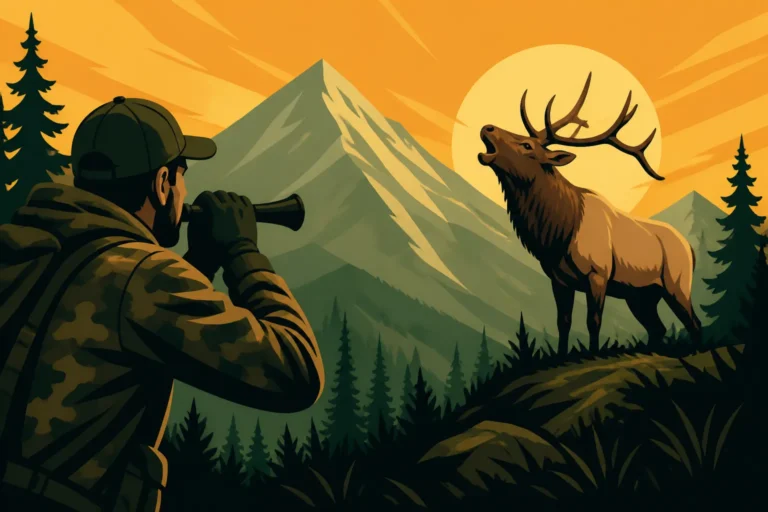
When Calling Moose in British Columbia's Interior or bugling for elk, horses can also be an asset. You can use your horse to approach an area, then dismount and set up a calling sequence. If an animal responds and moves towards your position, having the horses nearby means you can quickly move to intercept or prepare for a shot. However, always exercise extreme caution. An agitated bull moose or elk can be unpredictable, and you need to ensure both your safety and that of your horses. Practice quiet movements, and ensure your horses are calm and desensitized to sudden noises, like a rifle shot, before attempting this. Using a quiet saddle and gear that doesn't rattle or clang is also essential for stealth.
Safety and Contingencies in British Columbia's Backcountry
No matter how experienced you are, backcountry hunting always carries inherent risks, and adding horses to the mix introduces its own set of unique challenges. Being prepared for the unexpected is not just smart; it's non-negotiable.
Navigating Wildlife Encounters
British Columbia is home to a robust population of predators, including grizzlies, black bears, wolves, and cougars. Encounters are a real possibility, and having horses changes the dynamic. While horses are large animals, they can still be perceived as prey by some predators, and their flight instinct can put both you and them in danger.
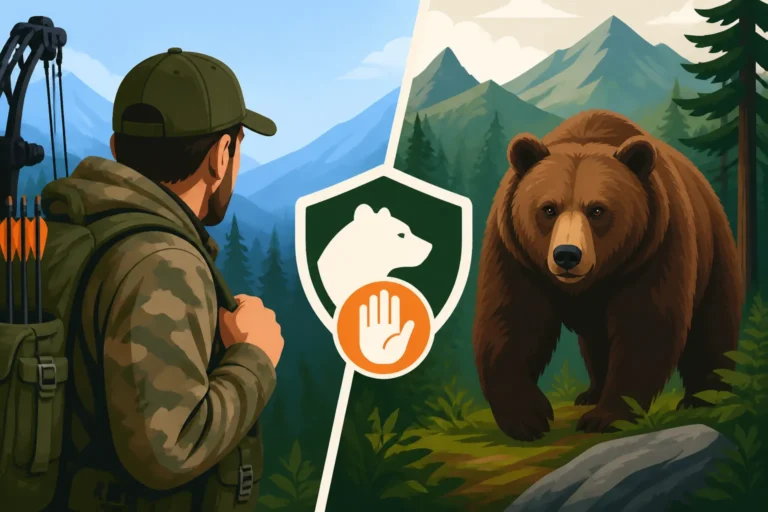
Always practice bear safety. Carry bear spray accessible at all times, and know how to use it. Be especially vigilant when riding through dense cover or near prime feeding areas like berry patches or salmon streams. If you encounter a bear, remain calm. Usually, bears will give horses a wide berth, but if one stands its ground, make noise, and try to appear large. Avoid eye contact with grizzlies and slowly back away. If a horse spooks and bolts, it can be extremely dangerous for the rider. Keeping your horses calm and disciplined is crucial. Store all food and scented items securely, away from camp and horses, to avoid attracting unwanted visitors. When What to Do If You See a Grizzly while mounted, your best bet is usually to try to make yourself known calmly, give the bear space, and let your horse move away slowly.
Emergency Preparedness and Communication
Getting injured, lost, or having a horse go lame miles from civilization is a serious situation. This is why Emergency Planning in British Columbia's Backcountry is so critical.
- Communication Devices: Cell service is non-existent in most BC backcountry areas. Carry a satellite messenger (like a Garmin inReach or Zoleo) or a satellite phone. These allow you to send SOS signals and communicate with loved ones or emergency services.
- First Aid Kits: A comprehensive human first aid kit, alongside your equine veterinary kit, is essential.
- Navigation: Carry a physical map, compass, and a GPS device (like the ones from GoHunt) or a reliable GPS app on your phone with downloaded offline maps. Know how to use them all.
- Survival Gear: Always have essentials for an unplanned overnight stay: fire starter, emergency shelter, extra food, water purification, and a headlamp.
- Contingency Plans: Discuss with your hunting party what to do in various emergency scenarios before you leave. What if a horse is seriously injured? What if a rider is injured? Do you have an evacuation plan?
- Water Safety: Crossing swollen rivers can be incredibly dangerous. Never attempt to cross a fast-moving, deep river if you are unsure. Consider turning back or finding a safer route.
Remember, your horses are your lifeline in the backcountry. If a horse becomes severely injured and cannot travel, you may face the agonizing decision of having to put it down. This is a grim reality of remote horseback travel and one you must mentally prepare for.
Weather and Terrain Challenges
British Columbia's weather can change dramatically and rapidly, especially in the mountains. A sunny morning can quickly turn into a blizzard, and rain can make trails slick and treacherous.
- Weather Monitoring: While deep in the backcountry, you won't have real-time forecasts, but keep an eye on cloud formations, wind shifts, and temperature changes. A good quality weather radio might offer some localized updates.
- Proper Gear: Dress in layers, with waterproof and windproof outer shells. Your horses also need protection if temperatures drop significantly, such as blankets.
- Terrain Awareness: Always be aware of the terrain you're traversing. What might be easy on dry ground can become extremely dangerous when wet or covered in snow. Mud slides, rockfalls, and slippery roots are common hazards.
- Fire Safety: Forest fires are a serious concern in BC, particularly during dry summers and falls. Always practice extreme caution with campfires, or better yet, use a stove for cooking and heating. Stay informed about fire bans and regional closures before and during your trip.
Table: Horseback Hunting vs. Foot Hunting in British Columbia Backcountry
To give you a clearer picture, here's a comparison of key aspects between horseback hunting and purely foot-based hunting in British Columbia's backcountry:
| Feature | Horseback Hunting | Foot Hunting |
|---|---|---|
| Access & Range | Vastly increased range, access to truly remote areas. | Limited by human endurance, generally closer to roads. |
| Pace | Faster travel over long distances. | Slower, more deliberate, covers less ground per day. |
| Energy Conservation | Conserves hunter's energy for stalking. | Hunter's energy is spent on both travel and stalking. |
| Pack Out Capability | Excellent for large game, carries heavy loads easily. | Extremely strenuous for large game, often requires multiple trips or game bags. |
| Gear Capacity | Can bring more comfortable camp gear and supplies. | Limited to what can be carried on a backpack. |
| Cost | Higher initial investment (horses, gear) or outfitter fees. | Lower initial gear cost, often DIY friendly. |
| Complexity | High; requires horsemanship, equine logistics, more gear. | Moderate; primarily focus on self-reliance and navigation. |
| Environmental Impact | Requires careful management to minimize trail/forage impact. | Generally lower impact, but can be concentrated in popular areas. |
| Safety Concerns | Equine-specific risks (lameness, spooking, vet issues) added to standard backcountry risks. | Focus on standard backcountry risks (falls, exposure, wildlife). |
| Stealth | Horses can sometimes be less alarming to game than humans, but noise can be an issue. | Generally quieter if moving slowly and deliberately. |
Disclaimer
The information provided in this guide is for general informational purposes only and does not constitute professional advice. Hunting in British Columbia's backcountry, especially with horses, carries inherent risks. Always consult the official British Columbia Hunting Regulations Synopsis, acquire all necessary licenses and permits, and prioritize safety. Seek professional guidance for horse training, veterinary care, and backcountry survival. The author and publisher are not responsible for any injuries, losses, or damages incurred as a result of using this information.