What Camp Food Is Usually Like
One of the unspoken anxieties when planning a British Columbia hunting trip often revolves around food. Will you be eating gruel for a week straight, choking down bland rations, or will you find unexpected delights after a long day in the bush? The truth is, what you'll find on your plate in a hunting camp across British Columbia is as varied as the landscape itself. This guide aims to pull back the curtain on the culinary realities of hunting camp life, from the bare-bones backcountry to comfortable lodge settings, helping you understand what to expect and how to prepare.
The Spectrum of Hunting Camp Food in British Columbia
The food you'll be eating on a British Columbia hunt isn't a one-size-fits-all experience. It truly runs the gamut, dictated by the type of hunt, the accessibility of your camp, and whether you're going it alone or with a professional outfitter. Understanding this spectrum is key to managing your expectations and making sure you're properly fueled for the adventure ahead.
Self-Guided Backcountry Fare: Simple & Functional
When you're embarking on a self-guided backcountry hunt, especially for species like sheep or goats high in the alpine, or deep in remote moose country, every ounce in your pack counts. This reality profoundly shapes your food choices. You're typically looking for lightweight, high-calorie, and easy-to-prepare meals that require minimal water and fuel. Think about those long days packing out of British Columbia's steep country, and you’ll understand why.
This usually means a diet heavy in freeze-dried meals, dehydrated ingredients, energy bars, jerky, nuts, and instant oatmeal. While modern freeze-dried meals have come a long way in terms of flavour and variety, they are primarily functional – designed to provide energy and sustenance, not gourmet dining. The psychological boost of a warm, comforting meal after a cold, wet day in the mountains, even if it's out of a bag, should never be underestimated. You’ll become intimately familiar with boiling water, pouring it in a pouch, and waiting ten minutes for your dinner to rehydrate.
Planning these meals is a critical component of a successful self-guided hunt. You need to meticulously calculate your caloric needs based on the exertion level of your hunt, and then select foods that meet those needs without adding unnecessary bulk or weight. Many hunters will pre-package their breakfasts, lunches, and dinners into daily rations to simplify logistics in the field. This also allows for precise budgeting of fuel for your stove, as boiling water is often the only cooking required. If you're Setting a Spike Camp Above Timberline, you'll appreciate how little space these packages take up.
Drive-In Camps: Heartier Home-Style Cooking
For hunts where you can access your camp with a vehicle, perhaps utilizing British Columbia's Forest Service Road Network, or a jet boat on a river, the culinary landscape expands dramatically. These "drive-in" camps, whether they're wall tents, cabins, or even a well-appointed RV, allow for much more diverse and heavier provisions. Coolers and larger stoves mean you can bring fresh ingredients, and the cooking itself becomes part of the camp experience rather than a quick necessity.
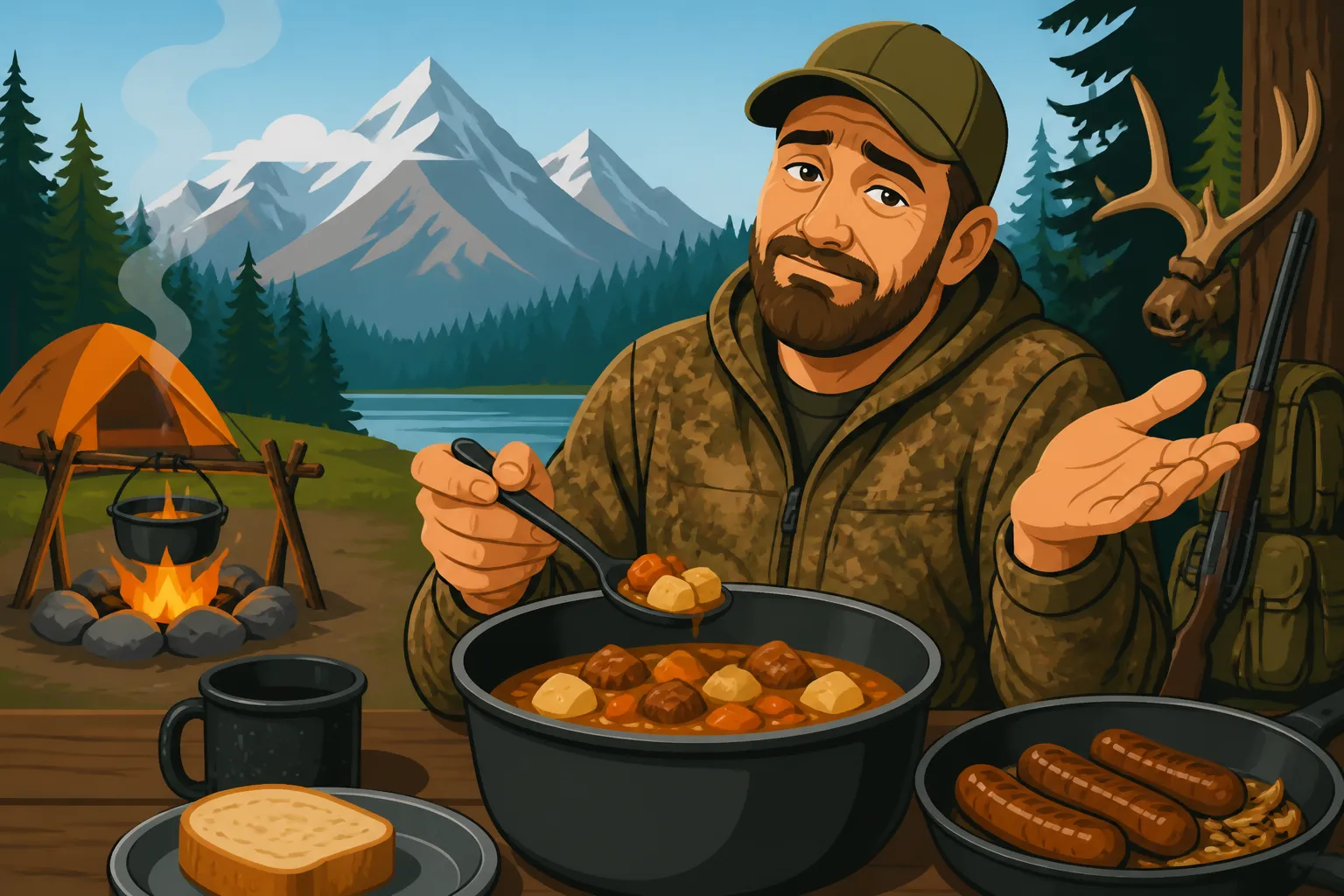
Here, you're more likely to find heartier, home-style meals. Think cast-iron skillet breakfasts with bacon, eggs, and pancakes; lunches that might involve substantial sandwiches or even a quick re-heat of last night's leftovers; and dinners that could include grilled steaks, pasta dishes with fresh sauces, or even a slow-cooked stew. The ability to carry fresh produce, dairy, and a wider variety of meats transforms meal planning. This type of camp often fosters a more communal cooking environment, where everyone might take a turn or contribute to the meal prep, adding to the camaraderie of the hunt.
The convenience of a drive-in camp means you can plan for more satisfying and varied meals, helping to maintain morale throughout the trip. It’s also much easier to accommodate specific dietary preferences or allergies when you have the space and means to bring a wider range of ingredients. This flexibility makes for a much more comfortable hunting experience, especially if you're out for an extended period in one location.
Lodge or Permanent Camp Cuisine: Unexpected Comfort
When you book a fully guided hunt with a reputable British Columbia outfitter, especially one operating from a permanent lodge or a well-established base camp, your expectations for food can often be surpassed. These operations understand that after a physically demanding day in the field, a hot, delicious, and substantial meal is not just about sustenance, but also about comfort, morale, and the overall experience.
Many outfitters employ dedicated cooks who specialize in preparing robust, flavourful meals designed to satisfy hungry hunters. You might be surprised by the quality and variety, often rivaling good restaurant fare. Expect full breakfasts with eggs, sausage, bacon, and toast, maybe even fresh fruit. Lunches could be packed sandwiches or wraps for the field, or a hot meal if you return to camp. Dinners are typically the highlight, featuring generous portions of meat (sometimes even fresh game meat if you've been successful!), potatoes, vegetables, and often a dessert. It's truly a welcome luxury when you've been Backpacking Into British Columbia Sheep Country all day.
The advantage of a lodge or permanent camp is that all the food planning, preparation, and cooking are handled for you, allowing you to focus entirely on the hunt. Outfitters typically inquire about dietary restrictions or allergies in advance, ensuring that all guests are well-fed and comfortable. These types of camps are often the ones where you'll make memories around a dinner table, sharing stories of the day's adventures over a fantastic meal. If you're looking at various outfitters on platforms like BookYourHunt, check their reviews for mentions of camp food quality, as it can be a significant part of the overall experience.
Common Staples and Unexpected Delights
Regardless of the camp type, certain staples tend to appear regularly, while other unexpected delights can make a hunting trip truly memorable.
Breakfast: Fueling Up for the Day
A solid breakfast is non-negotiable for a British Columbia hunter. You need sustained energy for long hikes, cold mornings, and demanding climbs. In self-guided backcountry scenarios, this often translates to quick, high-calorie options. Instant oatmeal with dried fruit and nuts, or a breakfast bar, is common. Sometimes a packet of instant coffee is a welcome luxury.
In drive-in camps, or with an outfitter, breakfast becomes a much more substantial affair. Scrambled eggs, bacon or sausage, pancakes or toast are typical. Sometimes you’ll find breakfast burritos or even a hunter’s hash with potatoes and onions. And, of course, plenty of coffee is paramount. There’s nothing quite like a piping hot cup of coffee as the sun rises over the mountains, preparing you for the day's hunt.
| Camp Type | Typical Breakfast Options | Key Considerations |
|---|---|---|
| Self-Guided/Spike | Instant oatmeal, granola, energy bars, coffee packets | Lightweight, quick, high-calorie, minimal cooking |
| Drive-In/Base Camp | Eggs, bacon, sausage, pancakes, toast, coffee, juice | Hearty, variety, fresh options, communal cooking |
| Guided/Lodge | Full hot breakfast: eggs, meat, potatoes, baked goods, coffee | Prepared for you, ample portions, diverse menu |
Lunch: Trail Snacks and Midday Sustenance
Lunch on a British Columbia hunt is often a grab-and-go affair, especially if you're deep in the bush, actively Spot-and-Stalk Mule Deer in British Columbia or pursuing other game. The goal is quick energy and convenience, without needing to set up a full cooking station.
For most hunts, whether self-guided or outfitted, trail lunches consist of packable items. Sandwiches or wraps are popular, often pre-made in the morning. High-energy snacks like jerky, granola bars, trail mix, dried fruit, and chocolate are essential. Some hunters swear by hard cheeses and crackers for a satisfying boost. The key is portability and calorie density, something that can be eaten quickly on a short break or even while moving slowly through the timber. Outfitters might provide a packed lunch cooler or bag each morning for their clients, ensuring they have enough fuel to stay out all day.
On rare occasions, if you're very close to a drive-in camp, you might quickly return for a hot lunch, but this is less common for active hunting days. More often, it’s about pulling out a protein bar or a handful of nuts, taking a quick swig of water, and getting back to the hunt.
Dinner: The Evening Reward
Dinner is truly the moment to relax, refuel, and recount the day's adventures. In all camp settings, dinner tends to be the largest and most anticipated meal. For self-guided backcountry hunters, it’s typically a freeze-dried meal or a dehydrated one-pot concoction, often supplemented with a hot drink mix. The simplicity is part of the appeal after a strenuous day.
In drive-in and guided camps, dinners can be quite impressive. You might find roasted chicken, various cuts of steak, pasta dishes, chili, stews, or even a full turkey dinner if it's a special occasion. Side dishes are common, like mashed potatoes, rice, fresh or canned vegetables, and salads. Dessert might even make an appearance, from simple cookies to a Dutch oven cobbler baked over coals. This is where the comfort of camp really shines. It's a chance to fully satisfy your hunger, warm up, and enjoy the company of your fellow hunters. Many outfitters understand that a well-fed hunter is a happy hunter, and a good cook can be as valuable as a good guide. You'll definitely appreciate this when dealing with Meat Care in British Columbia's Warm Early Seasons and you're tired from packing.
Special Considerations for British Columbia Hunt Food
Beyond the general types of meals, there are unique factors to consider when planning food for a British Columbia hunt that can significantly impact your experience.
Weight and Resupply Logistics
British Columbia's vast and often remote wilderness means that access and resupply are major considerations for food planning. For fly-in hunts, or those accessed by Horseback Hunting British Columbia's Backcountry, weight limits are incredibly strict. Every pound of food means less gear, less personal comfort, or more expensive air charter fees. This is why freeze-dried and dehydrated options dominate these types of trips. Outfitters planning these hunts are masters of efficient provisioning, aiming for maximum calories and nutrition with minimal weight and bulk.
Even for drive-in camps, the distance to the nearest grocery store can be immense. Running out of a key ingredient might mean a several-hour round trip, eating into valuable hunting time. This necessitates careful planning, inventory, and often over-packing non-perishable staples. For self-guided hunters, this means carrying everything in from the start or carefully caching supplies. For guided hunts, especially those with spike camps, food might be flown in or packed in by horse at various stages of the hunt. This complex logistical dance highlights why hunters often pay a premium for guided services; they handle these headaches for you.
Dietary Needs and Allergies
Communicating dietary needs and allergies is absolutely crucial, especially on a guided hunt. For self-guided trips, the responsibility is entirely yours to pack safe and suitable food. However, when working with an outfitter, they are preparing all your meals. Failing to inform them of a severe allergy, like to nuts or shellfish, could have serious, even life-threatening consequences in remote areas where medical help is hours away. Reputable outfitters will always ask about these things during the booking process or in pre-hunt questionnaires. If they don't ask, you need to proactively tell them.
Beyond allergies, many hunters have specific dietary preferences, whether it’s vegetarian, gluten-free, or simply a dislike for certain foods. While outfitters are generally accommodating, especially if given ample notice, their ability to provide highly specialized meals might be limited by the remoteness of the camp and the bulk buying of provisions. It's always best to be realistic and discuss your needs openly with your guide or the outfitter beforehand. Some hunters with very specific diets might opt to bring some of their own supplemental items, even on a fully guided hunt, to ensure their comfort. If you use a booking service like GoHunt, you can usually note these details in your profile or directly communicate with the outfitter through their platform.
Integrating Wild Game
The ultimate camp food delight on any British Columbia hunt is, of course, fresh wild game. Few things are as satisfying as celebrating a successful harvest with a meal cooked over the fire, using the very animal you just took. Imagine fresh moose tenderloin sizzling in a pan after a successful Calling Moose in the Rut hunt, or a black bear backstrap seared to perfection after Hunting Fall Bears on British Columbia Berry Slopes.
When an animal is harvested early in a hunt, outfitters and self-guided hunters alike will often utilize some of the prime cuts for camp meals. Backstraps, tenderloins, and sometimes the liver or heart are quickly processed and cooked. This isn't just a treat; it can also supplement or even replace some of the planned meals, easing the strain on your food supply. The freshness and flavour of truly wild, organic meat cooked just hours after the harvest is an experience that truly connects you to the land and the hunt. Just remember, proper field dressing and Cooling a Bear Hide in Warm Weather or other game meat immediately are critical for food safety and taste. It's the pinnacle of "farm-to-table," or rather, "forest-to-fire."
Disclaimer
This article is for general informational purposes only and does not constitute professional advice. Laws, prices and regulations vary by location and change over time. Consult a qualified professional for guidance on your specific situation.