British Columbia Outfitters in the Kootenays
For many hunters, the Kootenay region of British Columbia holds a special allure with its rugged mountains, dense forests, and abundant wildlife. However, navigating the vast wilderness, understanding local game patterns, and securing access can be daunting, especially for those new to the area or without extensive backcountry experience. This guide aims to demystify the process of engaging British Columbia outfitters in the Kootenays, providing a comprehensive overview of what to expect, how to choose the right guide, and how to prepare for an unforgettable hunting adventure.
Understanding the Kootenay Region for Hunting
The Kootenays, located in southeastern British Columbia, are truly a jewel in the province's crown when it comes to hunting opportunities. This region is characterized by its dramatic mountain ranges—the Purcells, Selkirks, and Rockies—which cradle deep valleys, pristine lakes, and powerful rivers. This diverse topography creates a mosaic of habitats, from high alpine basins to lush river bottoms and expansive timber, making it a prime destination for a variety of big game species.
The sheer scale of the landscape here can be overwhelming. Forest Service Roads provide some access, but many of the best hunting grounds are deep within the backcountry, requiring significant effort, specialized equipment, or a knowledgeable guide to reach. The weather can be notoriously fickle, shifting from warm, sunny days to cold, wet, or snowy conditions in a matter of hours, adding another layer of challenge to any hunt.
Geographical Layout and Habitat
The Kootenay region is essentially a series of north-south running mountain ranges divided by wide, fertile valleys. This creates distinct ecological zones. The higher elevations, particularly in the Rocky Mountains, offer open alpine and subalpine terrain, ideal for glassing for sheep and goats. As you descend, you encounter dense coniferous forests, mixed woods, and brushy slopes that provide excellent cover and forage for deer, elk, and bears.
The river valleys, such as the Kootenay River and Columbia River trenches, are often rich with agricultural land and riparian zones, attracting deer and elk, especially during the rut and winter months. These lower elevations also tend to have better road access, though public access can still be challenging around private land. Understanding these subtle shifts in habitat is something a local outfitter excels at, as they live and breathe these landscapes year-round.
Diverse Game Species
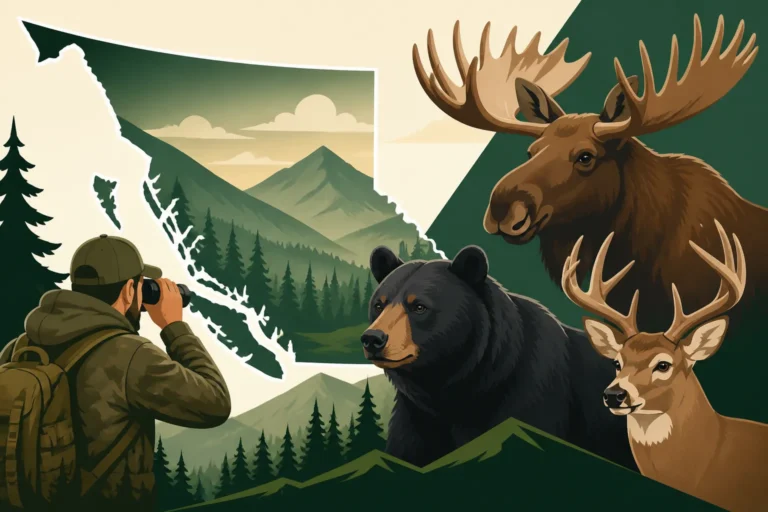
The Kootenays are renowned for their incredible diversity of big game. Rocky Mountain elk thrive in the region's valleys and mountain slopes, offering some of British Columbia's most exciting bugle hunts in September. Mule deer are ubiquitous, ranging from the open grasslands of the lower valleys to the timbered benches higher up. Mule Deer Hunting in British Columbia is a major draw, and the Kootenays boast some impressive bucks.
Black bears are found throughout the region, offering both spring and fall hunting opportunities, often related to emerging greenery or berry crops. For the truly adventurous, the Kootenays are home to healthy populations of mountain goats and Rocky Mountain bighorn sheep. These hunts are physically demanding and often require specialized guiding to navigate the treacherous alpine terrain and locate legal animals. British Columbia's Rocky Mountain Bighorns and Mountain Goats in British Columbia's Peaks are highly sought-after trophies.
What Kootenay Outfitters Typically Offer
When you consider a guided hunt in the Kootenays, you're not just buying a chance at a trophy; you're investing in an experience tailored to the region's unique challenges and rewards. Outfitters here are seasoned veterans who know the land like the back of their hand, possessing generational knowledge of animal patterns, migration routes, and the best places to find specific species. They shoulder the immense logistical burden, allowing you to focus entirely on the hunt.
These operations range from small, family-run businesses deeply rooted in a particular valley to larger, multi-species outfits covering vast territories. Regardless of their size, a reputable Kootenay outfitter provides a package that typically includes guiding services, transportation within the hunting area, lodging, meals, and assistance with game retrieval and initial processing. This comprehensive approach is essential given the remote and rugged nature of many Kootenay hunts.
Big Game Hunt Packages
Kootenay outfitters typically specialize in big game hunts, with elk, mule deer, black bear, mountain goat, and bighorn sheep being the primary draws. Many offer combination hunts, where you might target a deer and a bear, or an elk and a bear, depending on the season and your license acquisitions. These packages are usually structured around a fixed number of hunting days, with specific species as the target.
For instance, an elk hunt might be a 7-day backcountry horse pack-in trip during the September rut, focusing on calling and stalking. A sheep or goat hunt could be a 10-day physically intensive backpack hunt into the high alpine. Bear hunts are often more accessible, sometimes involving glassing logging roads or baiting, though ethical baiting practices are strictly regulated. The outfitter will handle the specifics of licensing and tags, ensuring you comply with British Columbia's Species Licences and Tags for your chosen animals.
Support Services and Logistics
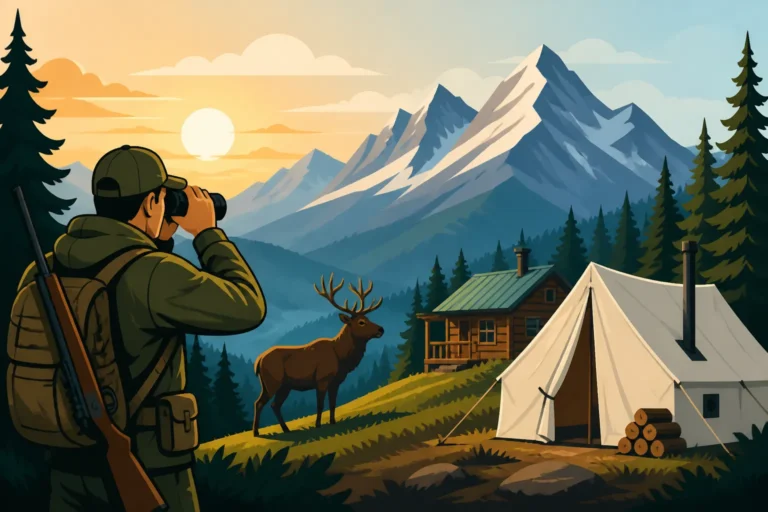
Beyond guiding, the logistical support an outfitter provides is invaluable in the Kootenays. This includes everything from comfortable tent camps or rustic cabins in the backcountry to hearty meals cooked over an open fire or in a lodge kitchen. Transportation is a huge component; many prime hunting areas are only accessible by four-wheel-drive vehicles on active logging roads, ATVs, horses, or even by foot. Outfitters have the specialized vehicles, horses, and expertise to get you and your gear into these remote locations safely.
Once an animal is harvested, the work truly begins. Kootenay outfitters are proficient in field dressing, quartering, and packing out game, which can be an incredibly strenuous task in steep, broken country. They'll ensure meat is properly cared for, especially during warmer early seasons, and assist with caping and initial trophy preparation. They also help with the necessary paperwork for compulsory reporting and potential trophy export, navigating the complex rules like British Columbia's Compulsory Reporting Rules.
Different Types of Guided Experiences
Hunting in the Kootenays isn't a one-size-fits-all endeavour. The type of experience you seek will largely dictate the kind of outfitter you choose. Some hunters yearn for a truly raw, wilderness adventure, while others prefer the comfort of a warm lodge after a long day in the field. Kootenay outfitters cater to this spectrum, offering diverse approaches that align with different levels of physical fitness, hunting styles, and budget considerations.
It's crucial to be honest with yourself about what kind of experience you're looking for and, more importantly, what you can realistically handle physically. A sheep hunt, for example, is inherently different from a valley-bottom mule deer hunt. Understanding these differences will help you match with an outfitter who can truly deliver the hunt of your dreams, or at least a realistic and enjoyable one.
Wilderness Backcountry Hunts
For the adventurous spirit, wilderness backcountry hunts are the epitome of the Kootenay experience. These hunts typically involve packing in by horseback, ATV, or even on foot for multiple days, establishing spike camps in remote areas far from roads and other human activity. The emphasis is on deep wilderness immersion, physical challenge, and a genuine pursuit of animals in their natural, undisturbed habitat.
These hunts are often geared towards mountain species like sheep and goats, or elusive bull elk and big mule deer bucks that reside in high country. The accommodations are usually wall tents or smaller spike tents, with meals prepared over a fire or portable stove. Success rates can be high due to reduced hunting pressure, but the physical demands are extreme, requiring excellent conditioning and mental toughness. This is the kind of trip where Horseback Hunting British Columbia's Backcountry becomes a real asset, allowing access deep into terrain otherwise unreachable.
Lodge-Based Comfort Hunts
At the other end of the spectrum are lodge-based hunts, which offer a more comfortable and less physically demanding experience. These outfitters operate from a main lodge or cabin, providing amenities like hot showers, comfortable beds, and home-cooked meals. Hunters typically venture out each day from the lodge, often using trucks, ATVs, or even short walks to access hunting areas, returning to comfort each evening.
These hunts are popular for black bears, mule deer, and elk in areas with reasonable road access. They are ideal for hunters who prefer a softer adventure, perhaps those with physical limitations, or individuals who simply want to enjoy the spectacular scenery without the rigours of a remote camp. While still challenging, the daily return to comfort allows for better rest and recovery, making the experience more enjoyable for many.
Specialized Hunts
Beyond the general categories, some Kootenay outfitters offer highly specialized hunts. This could mean focusing exclusively on one species, like dedicated Elk Hunting in British Columbia during the rut, employing specific techniques such as calling moose in the rut, or even unique access methods like jet boat trips on rivers. Other specialties might include youth hunts, disabled hunter permits, or even combination fishing and hunting trips.
These specialized operations often cater to a niche market, offering a deep level of expertise in a particular area or method. If you have a very specific hunting goal—say, a specific antler configuration for mule deer or a record-class bighorn ram—seeking out an outfitter known for that particular specialty can significantly increase your chances of success and overall satisfaction.
Key Considerations When Choosing an Outfitter
Choosing the right outfitter in the Kootenays is arguably as important as the hunt itself. It’s a significant investment of time, money, and emotional energy, and you want to ensure your expectations align with what the outfitter can realistically deliver. This process requires thorough research, clear communication, and a healthy dose of realism about the challenges of hunting in British Columbia's rugged terrain. Don't rush into a decision; a well-chosen outfitter can make or break your trip.
Vetting and Research
Start your research early, ideally a year or more in advance, especially for high-demand species like sheep or prime elk dates. Begin by exploring reputable platforms that list British Columbia outfitters, such as BookYourHunt. These platforms often provide profiles, photos, and contact information, acting as a starting point. Look for outfitters operating specifically in the Kootenay region.
Once you have a shortlist, dive deeper. Check their official websites, social media presence, and any online reviews. Pay close attention to consistency in messaging and the quality of their communications. A critical step is to ask for references—and follow up with them! Speak to past clients about their experiences, focusing on aspects like guide professionalism, camp conditions, food, and, of course, the hunting itself. Remember, success rates are important, but also ask about the effort put in and the overall experience, even if an animal wasn't harvested. Websites like GoHunt might offer additional resources or community forums where you can get unfiltered opinions.
What to Discuss Before Booking
Before you commit, have detailed conversations with the outfitter. Don't be afraid to ask direct questions. Clarify exactly what is included in the price, and what constitutes extra costs (e.g., trophy fees, licenses, gratuities, meat processing, taxidermy, transportation to and from the nearest major airport). Understand their cancellation policy and what happens if unforeseen circumstances (like weather or wildfires) disrupt your hunt.
Discuss the specific management unit (MU) where you'll be hunting and the regulations that apply, as British Columbia's Management Units and Regions can vary significantly. Inquire about the typical guide-to-hunter ratio, weapon restrictions, and any physical requirements. Be transparent about your own hunting experience and physical capabilities. A good outfitter wants you to succeed and will be honest about whether their hunt is a good fit for you. Also, be sure to understand What a British Columbia Guided Hunt Costs so you can budget appropriately.
Physical Preparation and Expectations
Many Kootenay hunts, particularly for mountain species, are incredibly physically demanding. Outfitters are often dealing with elevations, steep terrain, and long days of walking. It is your responsibility to arrive in the best possible physical condition. If you book a sheep or goat hunt, for instance, be prepared for significant elevation gains with a heavy pack.
Discuss with your outfitter the typical distances covered, elevation changes, and the type of terrain. Based on this, develop a fitness plan well in advance. Hiking with a weighted pack, stair climbing, and general cardiovascular training are excellent preparations. Manage your expectations realistically: hunting is never a guarantee, and weather, animal behaviour, and sheer luck all play a role. Focus on the experience, the effort, and the opportunity to be in some of the most stunning wilderness British Columbia has to offer.
| Aspect of Hunt | Backcountry Wilderness Hunt | Lodge-Based Comfort Hunt |
|---|---|---|
| Accommodation | Wall tents, spike camps, often rustic | Main lodge, cabins, comfortable beds |
| Meals | Hearty camp meals, sometimes freeze-dried | Home-cooked, often gourmet |
| Access | Horseback, ATV, foot, deep wilderness | Truck, ATV, shorter walks, road-based |
| Physical Demand | High to extreme; long climbs, heavy packs | Moderate; daily excursions, less strenuous |
| Target Species | Sheep, goat, high-country elk/deer | Bear, deer, valley-bottom elk |
| Amenities | Basic, focused on function and warmth | Modern conveniences, hot showers |
| Experience | Raw, immersive, physically challenging | Comfortable, relaxed evenings, still active hunting |
| Duration | Typically longer (7-10+ days) | Often shorter (5-7 days) |
Making the Most of Your Kootenay Hunt
Once you've chosen your outfitter and booked your adventure, the anticipation builds! But a successful and enjoyable Kootenay hunting experience extends beyond just pulling the trigger. It involves meticulous preparation, an open mind during the hunt, and careful attention to post-hunt logistics. Approaching your trip with respect for the land, the animals, and your guide will ensure you create lasting memories, regardless of the outcome.
Pre-Trip Planning and Gear
Your outfitter will provide a detailed gear list, and it's imperative you stick to it. British Columbia's Kootenays can present extreme weather, from scorching late summer days to heavy snow in early fall. Layering is key. Quality rain gear is non-negotiable, as is sturdy, broken-in footwear suitable for rough, steep terrain. Don't skimp on optics; good binoculars and a spotting scope can make a huge difference, especially in expansive mountain country.
Ensure your rifle is sighted in accurately and you're proficient with it at various distances and shooting positions. Practice shooting from unstable rests, uphill, and downhill, as these are common scenarios in the Kootenays. Familiarize yourself with British Columbia's hunting regulations, even though your guide will be the expert. Understanding the rules, like British Columbia Rifle Season Dates or specific antler point restrictions, demonstrates respect and can aid in quick decision-making in the field.
On the Hunt Experience and Etiquette
While on your hunt, remember that your guide is your partner and expert in the field. Trust their judgment, follow instructions, and maintain open communication. Be honest about your energy levels or any discomfort. Hunting is a team effort, and your guide's primary goal is your safety and success. Be prepared for early mornings, long days, and potentially challenging weather conditions. A positive attitude and resilience are invaluable assets.
Understand that a guide's role is not just to find animals, but to ensure a safe, legal, and ethical hunt. They are often bound by strict guide outfitter territories and regulations, as detailed in British Columbia's Guide Outfitter Territories, which they must adhere to. Be respectful of camp rules, other hunters, and the incredible wilderness you are privileged to be in. If you're fortunate enough to harvest an animal, assist your guide with game retrieval and processing to the best of your ability.
Post-Hunt Logistics
Once your hunt concludes, whether successful or not, there are still important logistics to consider. Your outfitter will assist with the initial care of meat and trophies. Discuss options for further meat processing (local butchers are often available in Kootenay towns) and shipping if you're traveling a long distance. For trophies, your outfitter can connect you with local taxidermists or advise on export procedures, especially for species requiring CITES permits like sheep or goat.
Don't forget about gratuities. Tipping your guide and any camp staff is customary in British Columbia's guiding industry, acknowledging their hard work and dedication. A general guideline for Tipping a British Columbia Guide is often provided by the outfitter, typically a percentage of the hunt cost, but always ensure it reflects the effort and service you received. Finally, remember to complete any mandatory harvest reporting within the required timeframe to comply with British Columbia's regulations.
Disclaimer
This article is for general informational purposes only and does not constitute professional advice. Laws, prices and regulations vary by location and change over time. Consult a qualified professional for guidance on your specific situation.