Hunting British Columbia’s Alpine Trail Systems
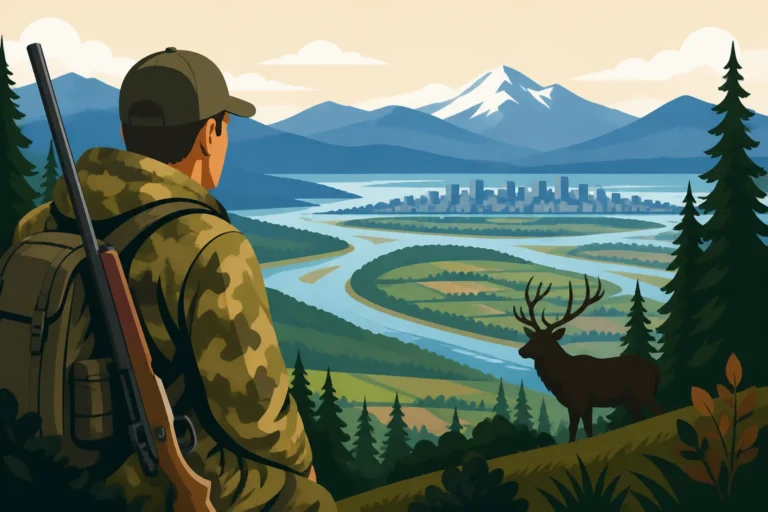
British Columbia's alpine country calls to a certain kind of hunter, one who thrives on high places, rugged terrain, and the sheer challenge of earning an animal. But those pristine peaks and expansive basins are often accessed via vast networks of alpine trail systems, and navigating them, understanding their quirks, and making the most of them can be daunting for even seasoned backcountry enthusiasts. This guide is here to unravel the complexities of hunting these incredible high-elevation pathways, offering practical advice to help you plan, prepare, and execute a successful alpine hunt in our magnificent province.
Understanding British Columbia's Alpine Trail Systems
When we talk about "alpine trail systems" in British Columbia, we're not just talking about a leisurely stroll through a park. These are often rugged, high-elevation routes, sometimes maintained, sometimes barely discernible, that lead into some of the most remote and breathtaking hunting grounds imaginable. They are the arteries of the high country, demanding respect and thorough preparation.
The Nature of Alpine Trails in BC
British Columbia's alpine trails are as diverse as the province itself, but they share common characteristics: they ascend to or traverse above timberline, often navigating steep slopes, rocky scree, and sometimes even snowfields well into the hunting season. These aren't manicured paths; you'll encounter everything from well-worn horse trails used by outfitters for decades to faint game trails that only dedicated hunters or animals regularly use. They can be narrow, exposed, and prone to washouts, especially after heavy rains or spring melt. The elevation gain can be brutal, and the weather can change on a dime, going from sunny and warm to hail or snow within hours, even in late summer. This relentless environment means every step is earned, and every piece of gear has to pull its weight.
Accessing Trailheads and Navigation
Getting to the trailhead is often the first significant hurdle. Many of these alpine trail systems begin deep within the provincial backcountry, far from paved roads. Access typically involves navigating extensive networks of Forest Service Roads (FSRs), which can range from well-maintained gravel highways to rough, overgrown tracks requiring a high-clearance 4×4, and sometimes even calling for a quad or dirt bike to reach the true start. It's not uncommon to find deactivated roads, fallen trees, or washouts that force a long hike just to reach the official start of a trail. This is where meticulous planning and good mapping tools become absolutely essential. Using a reliable mapping application like onX Hunt on your phone or GPS device, pre-downloading maps for offline use, and cross-referencing with paper maps are non-negotiable. Knowing where you're going, what the road conditions are like, and having contingency plans for vehicle access are paramount before you even shoulder your pack. For more details on finding your way, check out Finding Open Forest Roads in British Columbia.
Species to Target and Seasons in the Alpine
British Columbia's alpine zones are synonymous with some of our most sought-after big game animals. The effort required to hunt these high places often means less pressure and bigger rewards, but it also demands a deep understanding of the species and the fleeting seasons.
Prime Alpine Game Species
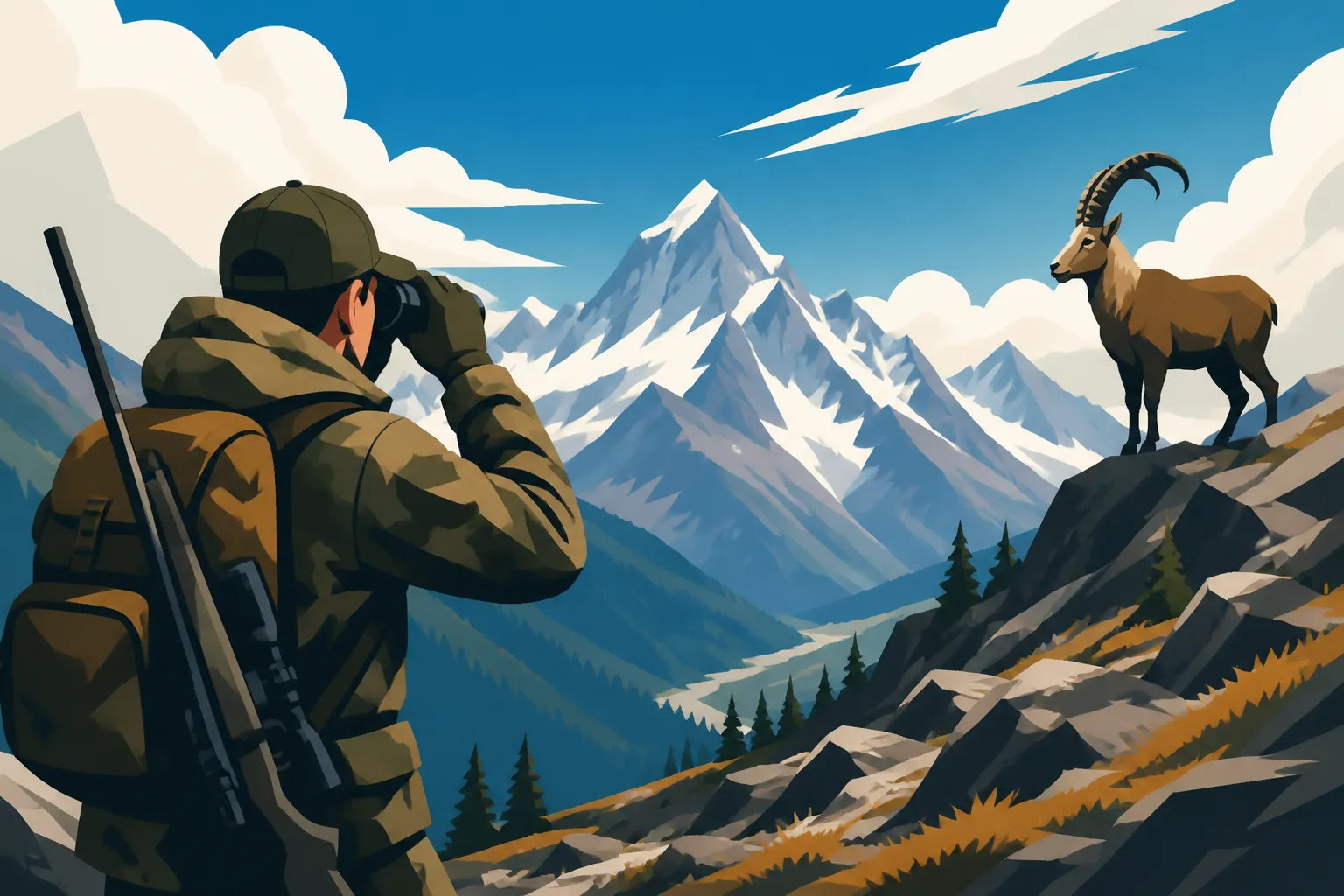
The star attractions of British Columbia's alpine trail systems are undoubtedly mountain sheep (Bighorn, California Bighorn, Stone's, and Dall's, depending on the region) and mountain goats. These majestic creatures make their home in the steep, rugged, and often snow-covered peaks, relying on their incredible agility and keen eyesight to survive. Hunting them is an experience unlike any other, demanding peak physical condition, precise glassing skills, and an unwavering mental fortitude.
Beyond the iconic sheep and goats, the alpine also offers incredible opportunities for high-country mule deer. These resilient bucks often move into the subalpine and alpine basins during the summer, seeking cooler temperatures and abundant forage, only to descend later in the fall. Finding a mature mule deer buck above timberline, tucked into a rocky chute or feeding in a lush basin, is a truly special experience. While less common, black bears can also be encountered in the alpine, especially during late summer and fall when berry crops are abundant in subalpine meadows or avalanche chutes. Knowing their habits and what to look for can add an exciting dimension to your hunt, but safety around bears, especially grizzlies in some alpine areas, is always paramount.
Timing Your Alpine Hunt
Timing is everything in the alpine. The majority of alpine big game seasons, especially for sheep and goat, typically open in August or early September. This early season window offers longer daylight hours and generally more predictable weather, though afternoon thunderstorms are always a possibility. However, these early hunts can also mean warmer temperatures, which presents challenges for meat care in remote areas. For detailed insights into early season conditions, refer to Hunting British Columbia's Alpine in Early September.
As September progresses, the weather can become more volatile, with the increasing likelihood of snow at higher elevations. While snow can sometimes improve spotting conditions by highlighting animal movement, it also makes travel more arduous and increases the risk of hypothermia or getting weathered in. Hunters often find themselves chasing brief "weather windows in British Columbia's mountains" where conditions align for a safe and productive push into the high country. For mule deer, the general open seasons often extend into October, and by then, a significant snowfall might push them down to lower elevations, but dedicated hunters can still find them feeding on south-facing slopes. Remember, even a late August hunt requires preparedness for winter conditions, and carrying the right gear is non-negotiable.
Essential Gear and Preparation for Alpine Hunting
Successfully hunting British Columbia's alpine trail systems isn't just about finding the animals; it's about being self-sufficient, safe, and comfortable (or at least as comfortable as possible) in a demanding environment. Your gear and your physical condition are your lifelines.
Critical Gear List for the High Country
Packing for an alpine hunt is a delicate balance between necessity and weight. Every ounce counts when you're gaining thousands of feet in elevation. Here’s a breakdown of the critical gear you’ll need:
- Backpack: A high-quality internal or external frame pack with sufficient capacity (65-80+ litres) is paramount. It needs to comfortably carry your camp, optics, food, and water, and most importantly, be capable of packing out heavy meat and a trophy if you're successful.
- Optics: Top-tier binoculars (10x, 12x, or even 15x), a spotting scope (60-80x), and a sturdy tripod are your most important tools. You'll spend hours, if not days, glassing distant slopes. Don't skimp here. For more on this, see Glassing an Alpine Basin for Rams.
- Layered Clothing: The alpine environment demands a flexible clothing system. Think merino wool or synthetic base layers, insulating mid-layers (fleece, puffy jacket), and a bomb-proof waterproof/breathable outer shell. You need to be able to add or shed layers instantly as your activity level and the weather change.
- Shelter: A lightweight, mountaineering-grade tent or bivy sack designed to withstand high winds and snow is crucial. Weight is key, but so is durability and protection from the elements.
- Navigation: Beyond your physical map and compass, a reliable GPS unit or a smartphone with pre-downloaded maps (like those from onX Hunt or GoHunt) is absolutely essential. Carry a portable charger or extra batteries.
- Communication: Cell service is non-existent in much of the alpine. A satellite messenger or satellite phone for emergencies is not just recommended, it's a necessity. This is covered in more detail in Satellite Communication on a Remote Hunt.
- Footwear: Sturdy, waterproof, high-ankled hunting boots with excellent ankle support and stiff soles are vital for traversing rocky terrain and scree. Break them in well before your trip!
- Food and Water: Lightweight, high-calorie food that's easy to prepare. A water filter or purification tablets are a must; don't rely solely on carrying enough water.
- Emergency Kit: First-aid kit, fire starter, headlamp with spare batteries, knife, repair kit for gear, emergency blanket.
It's a long list, but cutting corners here can quickly turn a challenging hunt into a dangerous ordeal.
Physical and Mental Preparation
Hunting British Columbia's alpine is physically grueling, plain and simple. You'll be climbing steep grades with a heavy pack, often off-trail, for many hours a day. Strong legs, lungs, and core are non-negotiable. Start your physical training months in advance:
- Cardio: Incorporate hiking with a weighted pack, stair climbing, and running into your routine. Simulate the elevation gain you expect on your hunt.
- Strength: Focus on compound movements like squats, lunges, and deadlifts to build leg and core strength.
- Flexibility: Stretching and yoga can help prevent injuries and improve mobility, especially on uneven terrain. For more comprehensive advice, consider Fitness for a British Columbia Sheep Hunt.
Beyond the physical, the mental game is equally important. Alpine hunting is a test of resilience. There will be long days with no sightings, brutal weather, and moments of doubt. The ability to push through discomfort, maintain a positive attitude, and make sound decisions under pressure is what separates successful alpine hunters from those who quit. Practicing mindfulness, setting small achievable goals each day, and maintaining a realistic outlook on success rates are all part of the mental preparation.
Here’s a quick overview of essential gear categories:
| Category | Key Items | Importance |
|---|---|---|
| Navigation | Map, Compass, GPS/Smartphone with offline maps (onX Hunt), Power bank | Crucial for safe travel and finding game in vast, unmarked terrain. |
| Optics | Binoculars (10-15x), Spotting Scope (60-80x), Tripod | Essential for efficiently locating game from a distance. |
| Clothing | Layered system (base, mid, outer), Rain gear, Warm hat, Gloves | Adaptability to rapid weather changes and staying dry and warm. |
| Shelter | Lightweight mountaineering tent/bivy, Sleeping bag, Sleeping pad | Protection from harsh alpine weather and a good night's rest. |
| Safety | First-aid kit, Fire starter, Headlamp, Satellite messenger, Bear spray | Emergency preparedness, communication, and wildlife protection. |
| Food & Water | High-calorie food, Water filter/purifier, Water bottles/bladder | Sustenance and hydration in remote areas without reliable water sources. |
| Tools | Knife, Multi-tool, Repair kit, Game bags | Processing game, field repairs, and safe meat transport. |
Strategies for Success on Alpine Trails
Once you've done your homework and prepared your body and gear, it's time to talk strategy. Hunting British Columbia's alpine is a game of patience, observation, and smart movement.
Navigating and Scouting the High Country
Alpine environments are often vast and open, making navigation seem straightforward, but deceptive terrain, sudden fog, and complex contours can quickly disorient. Effective navigation starts long before your boots hit the trail.
- Pre-Scouting with Digital Tools: Use platforms like onX Hunt or GoHunt to digitally scout potential areas. Look for natural basins, ridgelines, saddle points, avalanche chutes, and bench systems where animals might feed, bed, or travel. Identify escape routes and potential water sources. Mark these waypoints on your GPS or phone before you leave home.
- Reading the Terrain: Once on the ground, constantly cross-reference your map with the actual terrain. Understand the natural movement patterns of game. For instance, in the early morning, sheep and goats often feed on lush alpine meadows before bedding down on rocky outcrops that offer commanding views and security from predators.
- Glassing from a Vantage Point: This is arguably the most important skill in alpine hunting. Instead of covering vast distances, find a high vantage point with a broad view and settle in. Use your high-quality optics to systematically pick apart every patch of terrain. Look for subtle movements, a splash of white (goats), or the curve of a ram's horn. Patience is key; it often takes hours to pick out an animal that was there all along. For more tips on finding a good spot, read Glassing an Interior Hillside for Mule Deer, which offers transferable skills to the alpine.
Remember, the goal isn't just to cover ground, but to cover it effectively and efficiently, saving your energy for the stalk and the pack out.
Stalking and Approaching Alpine Game
Once an animal is spotted, the real chess match begins. Stalking alpine game is a supreme test of patience and woodsmanship.
- Wind is King: Always pay attention to the wind direction. Alpine winds are notoriously fickle, often swirling unpredictably due to thermals and topography. Use a wind checker constantly. A busted wind means a busted hunt.
- Using the Terrain: The open nature of the alpine offers fewer hiding places. You must use every dip, rise, rock outcropping, or patch of stunted timber to your advantage. Plan your route carefully, ensuring you stay out of sight and sound. This might mean making a huge circle to get above the animal, or crawling for extended distances.
- Slow and Deliberate: Movement must be slow, methodical, and quiet. Avoid sudden movements that could catch an animal's eye. Take advantage of any noise, like a gust of wind, to move more quickly when possible. When stalking sheep or goats on steep terrain, sometimes it's literally one careful step at a time, testing each foothold before committing your weight.
- Knowing Your Limits: Alpine stalks can be incredibly demanding and dangerous. Don't push yourself into an unsafe position on a cliff face or scree slope if it feels too risky. A trophy is never worth your life.
Meat Care and the Inevitable Pack Out
Harvesting an animal in the alpine is only half the battle; getting the meat and trophy out is often the harder part, and it's where the true grit of an alpine hunter shines through.
- Field Dressing Immediately: As soon as the animal is down, begin field dressing. Heat is the enemy of meat quality, and even in cooler alpine temperatures, removing the guts quickly will help it cool down.
- Quartering and Deboning: Most alpine hunters quarter or debone their animals on site to make the meat more manageable for packing. Carrying game bags specifically designed for meat is crucial to keep it clean and allow it to breathe. For specific techniques, see Quartering a Moose in Grizzly Country, which offers general principles applicable to any large animal.
- Cooling the Meat: If possible, hang the meat in a shady, airy spot. If temperatures are warm, you might need to move it into a snow patch, if available, or even make multiple trips to pack it out quickly. Proper meat care ensures you honour the animal and bring home high-quality table fare. More insights on this topic are available in Keeping Meat Cool in an Early Season.
- The Pack Out: This is where all your physical training pays off. Divide the load strategically among your hunting partners. Take your time, especially on steep or treacherous terrain. Focus on safety over speed. For heavy loads on difficult ground, having a robust frame pack is invaluable. Learn more about optimal packing strategies in Packing Meat With a Frame Pack. It's a grind, but the satisfaction of packing out an animal from the high country is immense.
Disclaimer
This article is for general informational purposes only and does not constitute professional advice. Laws, prices and regulations vary by location and change over time. Consult a qualified professional for guidance on your specific situation.