British Columbia Units Reachable Only by Plane
There's a special kind of hunter out there, one who dreams of untouched wilderness, game that hasn't seen a human in years, and the sheer, unadulterated challenge of true backcountry. If you've spent too many seasons fighting for a spot on a logging road or glimpsing the tail of a buck disappearing over the next ridge, you know the frustration. This guide is for you—it's all about finding those incredible British Columbia hunting units that are only reachable by plane, offering an unparalleled experience in the wild.
The Lure of the Untouched: Why Fly-In Hunts Appeal
For many of us, the quest for a truly wild experience drives our hunting aspirations. British Columbia, with its vast and rugged landscapes, holds pockets of wilderness so remote that they can only be accessed by air. These fly-in units aren't just a means to an end; they represent an entirely different philosophy of hunting, one where solitude, self-reliance, and an intimate connection with nature are paramount.
Escaping the Crowds and Road Hunters
Let's be honest, the pressure on easily accessible hunting grounds can be disheartening. You scout for months, find a promising area, only to have it crawling with other hunters on opening weekend. It's a common frustration, especially when you're looking for that truly immersive experience. Fly-in hunting eliminates much of this competition, simply because the barrier to entry—cost, logistics, and comfort—is higher. When you step out of that float plane onto a pristine lake or off a bush plane onto a remote airstrip, you immediately feel the difference. The air is quieter, the sense of isolation is profound, and the chances of seeing another hunter are significantly reduced. It allows you to hunt at your own pace, read the landscape without constant interruption, and truly feel like you're the only person for miles around. It's about finding that peace that often eludes us in more accessible areas, where the roar of an ATV or the sight of another truck can break the spell.
Accessing Pristine Habitat and Unpressured Game
The very reason these units are so hard to reach is often why they are so productive. Remote areas frequently boast a higher density of game, and crucially, the animals there haven't been educated by constant human presence. This can translate to more natural animal behaviour, making them potentially less wary and offering unique hunting opportunities. Think of towering mountainsides where mountain goats pick their way along cliffs, or expansive willow flats where moose feed undisturbed. These are often the places where you'll find healthy, mature animals that have reached their full potential. For species like Stone's sheep, Dall's sheep (in the far northwest), or specific moose populations, the most coveted units are often in the deepest backcountry. It's not just about a numbers game; it's about the quality of the hunt and the chance to observe game in an environment largely untouched by man. In these remote havens, the habitat often remains in a more natural state, free from the impact of extensive logging or human development, providing consistent food sources and cover for wildlife. British Columbia's Wild Sheep and Where They Live and Moose Hunting British Columbia's Interior are prime examples of species that benefit from these untouched havens.
Understanding the Logistics: Planning Your Air Access
While the allure is undeniable, planning a fly-in hunt requires meticulous attention to detail. This isn't a spur-of-the-moment road trip; it's an expedition that demands careful preparation, from choosing your aircraft to thoroughly researching your destination. Getting it right ensures not just a successful hunt, but a safe and enjoyable adventure in British Columbia's wild heartland.
Charter Flights: Bush Planes and Float Planes
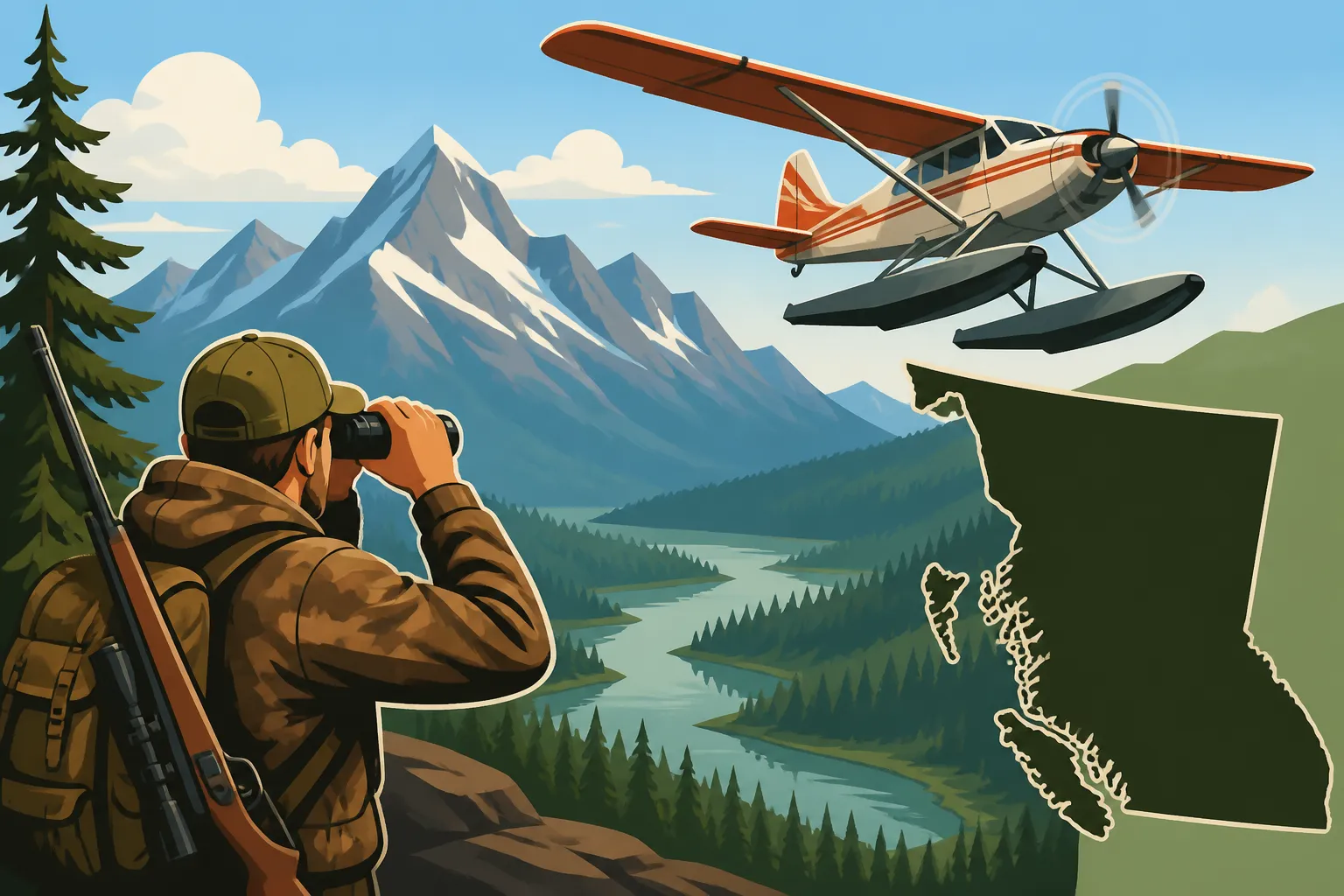
The type of aircraft you'll use depends heavily on your chosen destination. If you're heading deep into the mountains where lakes are scarce, a bush plane, often a de Havilland Beaver or Otter with tundra tires, might be your only option, landing on rough gravel strips or even vast open flats. For areas with abundant lakes and rivers, a float plane is common, offering the exhilarating experience of landing and taking off from water. The cost structure for these charters typically involves an hourly rate for the plane and pilot, which means distance, flight time, and the number of trips (e.g., fly-in, fly-out) directly impact your expenses. These aren't cheap rides, so spreading the cost among a hunting party is usually the most economical approach. It's crucial to book these charters well in advance, especially for peak hunting seasons, as good operators with reliable aircraft are in high demand. You'll also need to communicate openly with your pilot about weight restrictions, cargo dimensions, and any specific landing site requirements or hazards.
Mapping and Research for Remote Zones
Before you even think about booking a flight, you need to thoroughly scout your target area. This is where modern technology really shines. Tools like onX Hunt or GoHunt can be invaluable for identifying potential landing zones – be it a lake suitable for a float plane or a flat, open area for a bush plane. These platforms allow you to overlay satellite imagery with land ownership, management unit boundaries, and topography, giving you an unparalleled view of the terrain. You can pinpoint basins, ridges, and drainage systems that might hold game, mark potential camp locations, and even pre-plan your hiking routes once on the ground. Understanding the nuances of the terrain, like elevation changes, the density of timber, and the presence of water sources, is paramount. You need to identify features that attract game, such as Hunting an Avalanche Chute in September or Hunting a Subalpine Basin at First Light, and plan your movements accordingly. Don't forget to cross-reference this digital scouting with paper maps and regulations specific to the management unit, paying close attention to any restrictions on aircraft use or access. Scouting a British Columbia Management Unit Online delves deeper into these digital tools and strategies.
The Permit to Accompany and Non-Resident Considerations
For non-residents hoping to experience British Columbia's fly-in wilderness, the rules are distinct. If you're not a resident of British Columbia, you generally need to be accompanied by a licensed guide or hold a Permit to Accompany to hunt big game. This permit requires a specific arrangement with a resident of British Columbia who is eligible and willing to act as your host. This isn't a trivial matter; the host has specific responsibilities, and both parties must adhere to strict regulations. Many non-residents dream of these remote hunts, but securing a reliable and knowledgeable host can be a challenge in itself, as it involves a significant commitment from the resident. Understanding these regulations is critical to avoid disappointment or legal issues. Rules for Non-Residents Hunting British Columbia outlines these requirements in detail, and British Columbia's Permit to Accompany explains what this crucial document entails and how it functions. Planning for this aspect needs to be as thorough as your flight logistics, often requiring relationships built over time or connections within the hunting community.
Practicalities of a Fly-In Camp: From Gear to Safety
A fly-in hunt is not a hunt for the unprepared. You are heading into truly remote country, often far from any support or quick access to emergency services. Every piece of gear, every decision about food, and every contingency plan takes on heightened importance. This is where experience, meticulous planning, and a deep respect for the wild truly come into play.
Gear Considerations: Weight Limits and Essential Packing
The golden rule of fly-in hunting is simple: every ounce counts. Bush planes and float planes have strict weight limits, and exceeding them isn't just a recommendation, it's a non-negotiable safety constraint. This forces you to be incredibly disciplined with your packing. You'll need to prioritize lightweight, multi-functional gear. Think ultralight tents, compact sleeping systems, and freeze-dried meals that offer maximum caloric density with minimal weight. Water filtration systems are a must, as you can't fly in all your water. Clothing layers should be chosen for their warmth-to-weight ratio and ability to handle British Columbia's notoriously changeable weather, which can include sudden downpours or freezing temperatures even in early fall. Essential items like a first-aid kit, repair kits for gear, navigation tools (GPS, satellite messenger, map, compass), and reliable fire starters cannot be compromised. Consider sharing heavy items like cooking stoves or fuel among the group to distribute the load. The less you bring, the more room you have for meat on the way out, which is the ultimate goal!
Establishing a Remote Camp and Meat Care
Setting up a camp in a fly-in unit is about efficiency and self-sufficiency. Your camp needs to be durable, comfortable enough for the duration of your hunt, and strategically located for access to hunting grounds while also considering factors like water, drainage, and bear safety. Clear lines of sight around camp, a designated cooking area away from sleeping quarters, and proper food storage in bear-resistant containers or hung from trees are non-negotiables in any backcountry hunt in BC. But in truly remote areas, the risks are amplified, so don't cut corners. Once you've harvested an animal, the challenge shifts to effective Meat Care in British Columbia's Warm Early Seasons or indeed, in any remote, roadless environment. This often means breaking down the animal quickly, cooling the meat as rapidly as possible, and protecting it from scavengers. Having robust game bags, a good knife sharpener, and a plan for hanging quarters away from your main camp is vital. Bear Safety While Hunting in British Columbia becomes even more critical when you have fresh meat in camp.
Communication and Emergency Preparedness
In many of these fly-in accessible units, cell service is non-existent. You will be entirely off the grid. This is why a reliable form of satellite communication is absolutely essential. A satellite messenger or phone isn't just for emergencies; it allows you to check in with family, get weather updates, and communicate with your charter pilot for your pickup. Devices like Garmin inReach or Zoleo are popular choices, providing two-way text communication and an SOS button for dire situations. Beyond communication, a comprehensive emergency plan is critical. This includes a robust first-aid kit, knowledge of wilderness first aid, and clear protocols for what to do in case of injury, illness, or getting lost. Remember, help can be hours, or even days, away in British Columbia's vast wilderness, and relying solely on an SOS signal is a last resort, not a primary plan. Having extra food, fuel, and a way to signal aircraft are also wise precautions. Satellite Communication on a Remote Hunt provides detailed guidance on these vital tools.
Key British Columbia Regions for Fly-In Access
British Columbia's vastness means that fly-in opportunities exist across diverse landscapes. From the rugged peaks of the north to the myriad lakes of the interior, understanding the character of these regions can help you narrow down your remote hunting dreams. Each offers distinct challenges and rewards, perfectly suited for the adventurous hunter seeking solitude and unpressured game.
Northern British Columbia's Vast Wilderness
When most hunters think of true fly-in wilderness in British Columbia, their minds often drift to the far north. Regions like the Stikine, Cassiar, and Omineca are home to some of the most expansive and remote landscapes on the continent. Here, you'll find iconic areas like the Spatsizi Plateau, a high-elevation wilderness often referred to as "Canada's Serengeti," where you can find robust populations of Stone's sheep, caribou (in limited, open seasons), moose, and mountain goats. Hunting the Spatsizi Plateau is a deeply sought-after experience for sheep hunters. Further east, the Muskwa-Kechika Management Area stretches across hundreds of thousands of square kilometers of protected wilderness, offering an almost unparalleled opportunity for primitive hunting. Access here is often limited to specific lake landings or existing gravel strips, making a bush plane or float plane essential for entry. The sheer scale of these landscapes means game can roam freely, and encounters with untouched wilderness are almost guaranteed. Hunting the Muskwa-Kechika Wilderness is another prime example of this type of hunting. Expect extreme weather, difficult terrain, and an unforgettable adventure.
Interior Lakes and Mountains
While the far north might steal the spotlight for remoteness, British Columbia's central and southern interior also offer fantastic fly-in opportunities, particularly for those targeting moose, elk, and black bears. The Cariboo and Omineca regions, for instance, are dotted with countless lakes, many of which are only accessible by float plane. Imagine being dropped off on a secluded lake, surrounded by vast forests and rolling hills, with no roads in sight. These areas can hold excellent numbers of moose, especially around the numerous beaver ponds and willow flats. For hunters seeking a more serene, water-based approach, these float plane accessible lakes offer a unique advantage, allowing you to establish a base camp by the water and hunt the surrounding timber and drainages. Hunting a Lake Chain in the Omineca can provide some incredible opportunities. Even in the more southern reaches, specific mountain ranges and high alpine basins in the Kootenays or Thompson-Okanagan may have small, remote lakes or pockets of open country that provide excellent fly-in spots for mule deer or even elk, far from any road system. The challenge here is often the dense forest and broken terrain once you leave the lake shore, requiring solid navigation and bushcraft skills.
Here's a quick look at the pros and cons of embarking on a fly-in hunting trip in British Columbia:
| Feature | Pros | Cons |
|---|---|---|
| Hunting Pressure | Significantly reduced competition from other hunters | High cost of access can be prohibitive for some |
| Game Quality | Potential for unpressured, mature animals; natural behaviour | Success is never guaranteed, even in remote areas |
| Wilderness Experience | True solitude, pristine landscapes, deep immersion in nature | Extreme remoteness means slower emergency response times |
| Accessibility | Reach areas otherwise impossible to access by road | Strict weight limits for gear and meat, requiring disciplined packing |
| Logistics | Direct access to remote hunting grounds | Complex planning required for charters, camp, and contingencies |
| Cost | Potentially higher success rates for trophy animals | Significant upfront investment for plane charter and specialized gear |
Disclaimer
This article is for general informational purposes only and does not constitute professional advice. Laws, prices and regulations vary by location and change over time. Consult a qualified professional for guidance on your specific situation.