Hunting Around Fort St. John
The vastness of British Columbia's Peace Region can feel overwhelming, especially when you're dreaming of a hunting trip around Fort St. John. It's easy to get lost in the sheer scale of the landscape, wondering where to even begin looking for game and how to navigate the complex mix of open access and managed areas. This guide aims to demystify hunting in the Fort St. John area, offering practical advice and local insights to help you plan a successful and rewarding experience.
Navigating the Peace Region's Unique Hunting Landscape
Hunting around Fort St. John means immersing yourself in the Peace River Country, a region defined by its expansive agricultural lands, vast boreal forests, winding rivers, and rolling foothills. This isn't your typical steep, coastal British Columbia terrain; it's a mix that presents its own set of challenges and incredible opportunities. You'll find a blend of open country where game can be spotted from a distance, and dense timber that demands patience and close-quarters tracking. Understanding this varied landscape is the first step to a successful hunt.
The Mix of Agriculture, Forest, and River Systems
The immediate vicinity of Fort St. John is heavily influenced by agriculture, with vast fields of grain and hay stretching for miles. While these areas are often private land and off-limits without explicit permission, their edges, and the pockets of bush and river breaks within them, can be hotspots for white-tailed deer and moose. Beyond the cultivated fields, the landscape quickly transitions into extensive tracts of boreal forest, characterized by aspen, balsam poplar, spruce, and pine. These forests provide crucial cover and forage for moose, black bears, and a healthy population of mule deer. Further east and north, the terrain gives way to the more rugged foothills leading into the Northern Rockies, offering different habitat types and potential for other species like elk.
The Peace River itself, along with its tributaries like the Halfway, Pine, and Beatton rivers, carves deep valleys through the land, creating diverse riparian zones that are essential for wildlife. These river systems provide water, rich vegetation, and natural travel corridors. Hunting along these river breaks often means navigating steep banks, dense undergrowth, and sometimes marshy sections, but the reward can be significant. Game animals frequently move along these waterways, using them for cover, food, and escape routes. Understanding how these different ecosystems intertwine is key to anticipating animal movements and finding productive hunting grounds.
Key Game Species in the Fort St. John Area
The Fort St. John region is renowned for its diverse big game opportunities. Moose are a huge draw, often found in the denser timber and willow flats, especially near water sources. The area is also excellent for both white-tailed deer and mule deer, with whitetails favoring the agricultural fringes and river bottomlands, while mule deer tend to prefer the more open, broken country and higher benches away from immediate settlement. Black bears are abundant throughout the region, particularly in spring when they emerge from hibernation and in the fall when they feast on berries. While not as widespread, there are also opportunities for elk, particularly as you move further into the foothills and specific management units. Game birds like ruffed grouse, spruce grouse, and sharp-tailed grouse also offer fantastic hunting for those looking to round out their trip.
Success here often hinges on knowing the typical behaviour and preferred habitats of each species. For instance, Hunting Moose Off a British Columbia Forest Road can be highly effective in the Peace, as moose often graze on new growth along these corridors. Conversely, spotting a mature whitetail buck might mean glassing agricultural fields at dawn and dusk, looking for movement along the fence lines or in the small bluffs of timber. For black bears, focusing on berry patches in the fall or south-facing slopes in spring can yield results. The sheer variety means you can often tailor your hunt to specific animals or combine opportunities if your tags allow.
Accessing Hunting Areas Near Fort St. John
One of the biggest hurdles for hunters new to the Fort St. John area, or even seasoned BC hunters unfamiliar with the Peace, is understanding access. British Columbia boasts a vast amount of Crown land, but knowing how to legally and effectively get into those areas, especially around active industrial operations or private holdings, is crucial. This region has a unique blend of well-maintained Forest Service Roads (FSRs), deactivated logging roads, and private property.
Navigating Forest Service Roads and Deactivated Routes
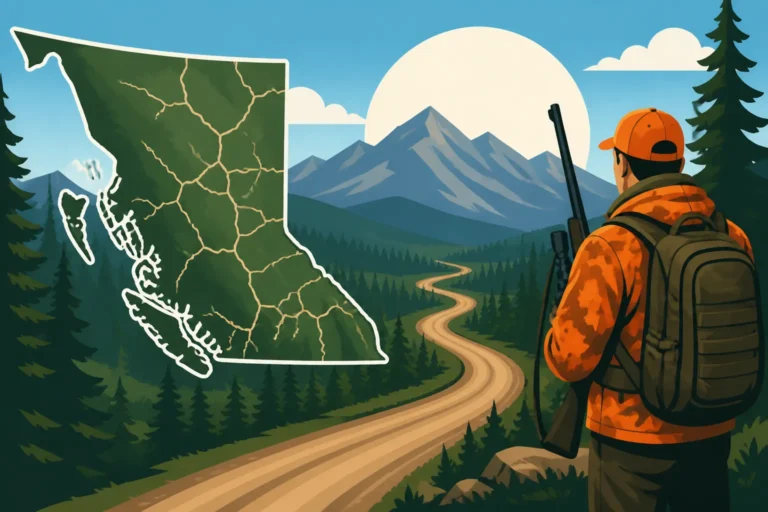
The Fort St. John area is crisscrossed by an extensive network of Forest Service Roads (FSRs) that were initially built for logging and oil and gas exploration. Many of these roads are still actively used by industry, while others have been deactivated, meaning they're no longer maintained and may have cross-ditches, fallen trees, or require higher clearance vehicles. While these FSRs provide invaluable access to vast tracts of Crown land, you need to be mindful of industrial traffic. Always drive with your lights on, be aware of active radio channels if you have a radio (though most recreational users don't), and expect large trucks around every corner. For active FSRs, a good 4×4 truck is almost essential, and a spare tire (or two) and basic repair kit are non-negotiable.
Deactivated roads, marked on good mapping apps like onX Hunt or through local knowledge, can be goldmines. They often lead to less pressured areas, forcing you to park and hike, which can be exactly what it takes to get away from other hunters. However, attempting to drive these roads can be dangerous and lead to serious vehicle damage or getting stuck far from help. If you're heading down a deactivated route, be prepared to get out and scout ahead on foot. Sometimes, a short section of rough road opens up to a perfectly passable track. Other times, it's a complete walk-in after the first hurdle. Always err on the side of caution. Finding Open Forest Roads in British Columbia is a critical skill here.
Understanding Crown Land Boundaries and Private Holdings
British Columbia has a massive amount of public land (Crown land), which is generally open for hunting by licensed individuals. However, around Fort St. John, there's a significant amount of private agricultural land intermixed, especially closer to the highway corridors and the Peace River valley. It’s absolutely vital to know where Crown land ends and private land begins to avoid trespassing. The last thing you want is to ruin a hunt, or worse, face legal trouble because you crossed a property line unknowingly.
This is where modern mapping technology becomes indispensable. Using an app like onX Hunt on your phone or GPS device, which clearly delineates property lines, can save you a world of headache. You can see in real-time if you're on public or private ground, and plan your routes accordingly. Even with these tools, it’s a good practice to look for physical signs of private property, like fences, gates, "No Trespassing" signs, or even distinct changes in land use (e.g., from bush to cultivated fields). If in doubt, assume it's private and seek permission, or find another route. Never hunt on private land without explicit, prior permission from the landowner. Some local farmers or ranchers might grant access if you ask respectfully and offer to help with predator control, but this is far from a guarantee.
Limited Entry Hunting (LEH) Opportunities
While many species in the Fort St. John region are available through General Open Seasons, there are also significant Limited Entry Hunting (LEH) opportunities, especially for specific moose, elk, and deer hunts. The LEH system manages hunter pressure and allows for the targeting of specific animal demographics (e.g., antlered moose, specific bull elk). Applying for these draws can be a long game, as preference points often accumulate over years before you draw a coveted tag.
Even if you don't draw an LEH tag, understanding the LEH zones and their boundaries can still be beneficial for General Open Season hunting. These zones are often designed around specific wildlife populations, and observing their boundaries on your maps can give you insights into local game distribution. Many hunters use resources like GoHunt to analyze draw odds and strategize their applications, but even for non-LEH hunters, the data and maps provided can be informative. Knowing the rules for specific antler point restrictions or season dates within different LEH zones is critical, as these often differ from general seasons. British Columbia's Limited Entry Hunting Draws are a core part of hunting in the province, and understanding them is key.
Planning Your Hunt and Staying Safe in the Fort St. John Backcountry
Hunting in the Fort St. John area, like much of British Columbia's backcountry, demands thorough preparation and a strong emphasis on safety. The remoteness of some areas, combined with unpredictable weather and potentially dangerous wildlife, means you can't just show up and expect everything to fall into place. A well-thought-out plan, appropriate gear, and a safety-first mindset are essential.
Regulations, Licenses, and Compulsory Reporting
Before you even pack your truck, you need to be intimately familiar with British Columbia's hunting regulations. The Peace Region falls under specific Management Units (MUs), and each MU can have different season dates, bag limits, and antler restrictions for various species. For example, British Columbia Moose Season Dates can vary significantly even within nearby MUs. You are responsible for knowing and adhering to all regulations. Purchase your basic hunting license, species tags, and any necessary stamps (like the federal migratory bird stamp if pursuing waterfowl) well in advance. All these can typically be acquired online or at authorized vendors.
A critical aspect of hunting in British Columbia is compulsory reporting. Many big game species, especially moose and elk, require you to report your harvest within a specific timeframe, even if you don't kill an animal. Failing to report can result in penalties, so always mark the deadline on your calendar. Some species also require compulsory inspection, meaning you must present the head and/or hide to a provincial wildlife official. This helps monitor herd health and population trends. Keep clear records of your license and tag numbers, and harvest details (date, MU, sex of animal).
Here's a quick overview of key regulations to always double-check:
| Regulation Aspect | Description | Why It Matters |
|---|---|---|
| Season Dates by MU | Open and closed dates for specific species in the particular Management Unit(s) you intend to hunt. | Hunting outside legal dates is a serious offense. Dates vary widely; always confirm the exact MU. |
| Bag Limits | The maximum number of animals of a specific species that can be harvested per hunter per season. | Prevents overharvesting and ensures sustainable populations. Exceeding limits results in fines and potential license loss. |
| Antler Restrictions | Rules regarding the minimum number of points, or specific antler configuration (e.g., 4-point or better, spike-fork) for antlered animals. | Designed to protect younger, breeding animals and manage herd genetics. Misidentifying antlers can lead to serious violations. British Columbia's Four-Point Antler Restriction is common for mule deer. |
| Compulsory Reporting | Mandatory submission of harvest details for certain species (e.g., moose, elk) within a set period after the season closes, even if no animal was harvested. | Crucial for wildlife management data. Failure to report carries penalties. |
| Compulsory Inspection | Requirement to present parts of a harvested animal (e.g., head, hide) to a wildlife official for examination. | Monitors population health, age, and disease. Usually applies to specific species and MUs; check if your area requires it. |
| Firearms and Ammunition Rules | Specific legal requirements for firearm types, calibre, magazine capacity, and non-toxic shot for waterfowl. | Ensures safe and ethical hunting. Using illegal firearms or ammunition can lead to confiscation and charges. Legal Rifle Calibres for Big Game are clearly outlined. |
| Proof of Sex | Requirement to leave specific parts of the animal attached (e.g., head, sex organs) to prove the sex and legal size of the animal until it reaches your final residence or butcher. | Prevents poaching and helps enforce regulations. Removing these parts prematurely can result in charges. |
| Access and Trespass Laws | Rules regarding hunting on Crown land, private land, and within parks or protected areas. | Hunting on private land without permission is illegal. Always confirm land ownership, especially in mixed private/public areas. British Columbia Trespass and Private Land Law outlines your responsibilities. |
Essential Gear and Safety Considerations
The Peace Region can experience extreme weather fluctuations, from hot, dry early falls to sudden snowfalls and freezing temperatures. Your gear list needs to reflect this versatility. Layered clothing is a must, starting with a good wicking base layer, insulating mid-layers, and a waterproof/windproof outer shell. Sturdy, waterproof hiking boots are critical for navigating varied terrain, especially if you plan to cover significant ground on foot.
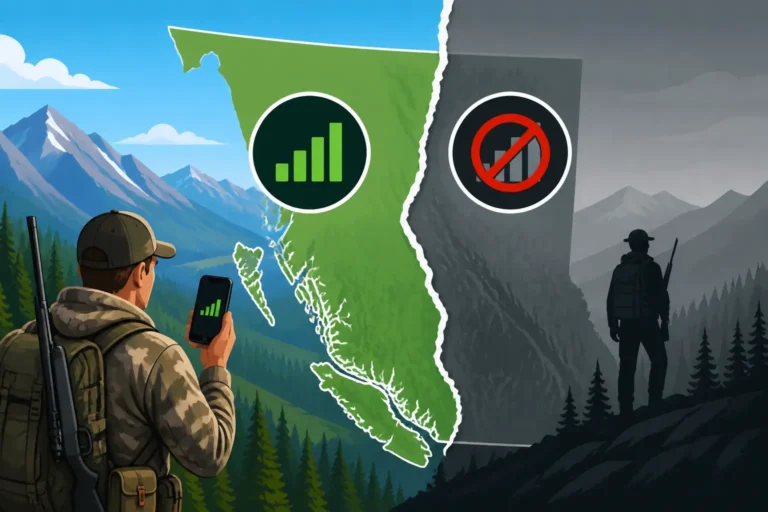
Beyond clothing, a reliable GPS device (like your phone with onX Hunt downloads, or a dedicated GPS unit), a map, and a compass are non-negotiable for navigation. Cell service is notoriously spotty or non-existent once you leave the main roads, so don't rely on it. A satellite messenger or satellite phone is highly recommended for emergency communication. Other essentials include a well-stocked first-aid kit, bear spray (and knowing how to use it safely!), fire-starting supplies, extra food and water, a headlamp with spare batteries, and a sharp knife for field dressing. Emergency Planning in British Columbia's Backcountry is something every hunter needs to consider.
Hunting with a partner or group is always safer in remote areas. Share your hunt plan with someone not on the trip, including your route, expected return time, and vehicle description. If you're venturing far, consider caching emergency supplies at an accessible point. Be vigilant for signs of other hunters and exercise extreme caution when approaching game, always identifying your target positively and knowing what lies beyond it. The Peace is big, but you still need to be aware of your surroundings, both for game and for other people.
Respecting the Wildlife and Environment
As hunters, we are stewards of the land and its wildlife. This means practicing ethical hunting at all times, ensuring clean kills, and making every effort to recover any game harvested. Field dressing and proper meat care are especially important in the Peace, as temperatures can vary wildly, and you want to preserve your hard-earned harvest. Meat Care in British Columbia's Warm Early Seasons can be a challenge, requiring quick action to cool the carcass.
Leave no trace behind. Pack out everything you pack in, including spent casings, trash, and any non-biodegradable items. Respect private property, even if you're just driving by. Drive responsibly on FSRs to minimize dust and road damage. Be mindful of potential fire bans, especially in drier seasons, and always use caution with campfires. Protecting the environment ensures these hunting opportunities remain for future generations.
The Peace Region around Fort St. John offers some incredible hunting experiences for those willing to do their homework and prepare properly. Its vast landscapes hold abundant game, but they also demand respect and readiness. By understanding the terrain, mastering access, knowing your regulations, and prioritizing safety, you'll be well on your way to a memorable British Columbia hunt.
Disclaimer
This article is for general informational purposes only and does not constitute professional advice. Laws, prices and regulations vary by location and change over time. Consult a qualified professional for guidance on your specific situation.