Hunting Access Near Cranbrook
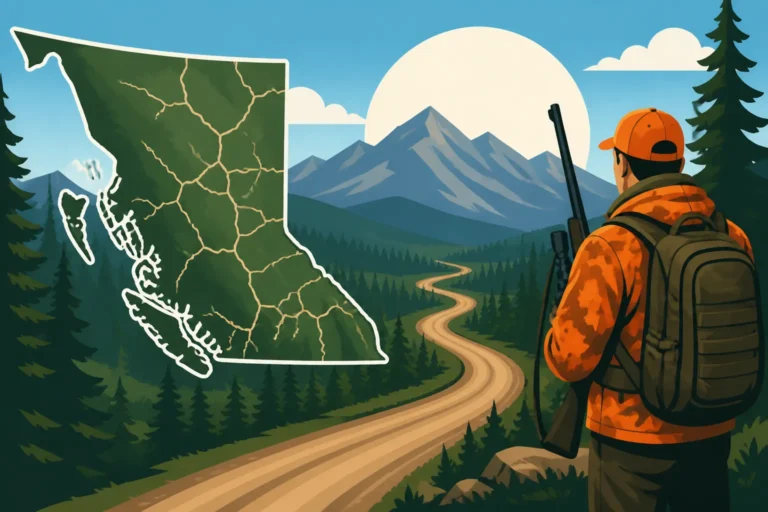
Hunting around Cranbrook, British Columbia, can feel like navigating a maze, especially with the mix of private land, industrial timber holdings, and vast Crown land. Many hunters feel frustrated trying to figure out where they can actually go without trespassing or running into unexpected gates. This guide is here to untangle that knot, offering a clear roadmap to understanding and accessing the diverse hunting opportunities near Cranbrook.
Understanding the Cranbrook Hunting Landscape
The Cranbrook area, nestled in the heart of the East Kootenay region, offers some of British Columbia's most sought-after hunting experiences. However, the sheer variety of land ownership and access rules can be daunting. From rolling valley bottoms to rugged mountain peaks, the landscape is a patchwork, and knowing how to interpret it is key to a successful hunt.
The East Kootenay's Unique Appeal
The East Kootenay region, encompassing Cranbrook and its surroundings, is famous for its abundant wildlife and stunning scenery. This area is a true gem for hunters, boasting healthy populations of elk, mule deer, and moose, not to mention black bears and various predators. The diverse habitat—ranging from open grasslands and ponderosa pine forests to dense timber and high alpine—supports a robust ecosystem. What makes it particularly appealing is the combination of accessibility in some areas and remote wilderness in others, allowing for different hunting styles. However, this accessibility also means you need to be acutely aware of who owns the land and what rules apply. The Kootenays offer some incredible hunting, but you've got to do your homework to ensure you're in the right spot at the right time. Hunting the Kootenay Creek Draw can be a prime example of needing to understand the subtle shifts in land status.
Management Units Near Cranbrook
The British Columbia hunting regulations divide the province into specific Management Units (MUs), and around Cranbrook, you'll primarily be looking at units within Region 4, the Kootenays. MUs like 4-04, 4-05, and 4-06 are immediately adjacent to Cranbrook, extending into the surrounding valleys and mountains. These units have specific regulations for species, seasons, and weapon types, so always double-check the current regulations synopsis. Understanding how these units are structured and where their boundaries lie is crucial for legal and ethical hunting. Sometimes a single road can separate two MUs with vastly different antler restrictions or season dates, so always pay close attention. How Management Unit Numbers Work breaks down this system further, which is essential for any hunter in BC.
Navigating Crown Land Access
British Columbia is famous for its vast expanses of Crown land, which is publicly owned and generally accessible for hunting. However, even Crown land isn't always a free-for-all. Access can be limited by deactivation of roads, seasonal closures, or even the presence of private land parcels that block routes. It’s imperative to understand these nuances to avoid issues and ensure a smooth hunting trip.
Forest Service Roads and Their Quirks
Forest Service Roads (FSRs) are the lifeblood of Crown land access in British Columbia, especially in the Cranbrook area. These gravel roads penetrate deep into the backcountry, offering entry to prime hunting grounds. However, they come with their own set of challenges. Many FSRs are actively used by logging companies, meaning you'll need to drive defensively and be aware of industrial traffic. It's common practice to use a VHF radio and call out your location and direction of travel on designated channels, especially on busy routes. Other FSRs may be "deactivated," meaning they've been intentionally made impassable to regular vehicles, often with large ditches or removed bridges. These roads then become excellent foot access routes, taking you away from road hunters. Always check current road conditions and closures before heading out. Sometimes, what looks like a well-maintained road on a map might be severely washed out or gated. For remote access, Finding Open Forest Roads in British Columbia can be an invaluable resource.
Random Camping and Spike Camps
One of the great freedoms of hunting on Crown land in British Columbia is the ability to set up random camps or spike camps in most areas. This means you don't always need designated campgrounds; you can pitch a tent or park your trailer in suitable spots, provided you adhere to basic environmental principles and local regulations. For a multi-day hunt, especially if you're targeting specific areas deep in the mountains, a spike camp is often the best strategy. It allows you to stay close to the game and maximize your hunting time. When establishing a camp, always choose a durable surface, pack out all your trash, and be mindful of fire restrictions, especially during dry seasons. Remember, you’re often in bear country, so proper food storage is paramount. Setting a Spike Camp Above Timberline offers excellent advice for establishing these temporary bases in more challenging terrain.
Private Land and Industrial Timber Lands
While British Columbia boasts vast tracts of Crown land, the Cranbrook area also has a significant amount of private land, particularly in valley bottoms and near established communities. Additionally, large swaths of industrial timber land, owned by forestry companies, lie intermingled with Crown land, creating a complex access matrix. Understanding how to navigate these various land ownerships is critical for avoiding trespass and ensuring ethical hunting.
Identifying Private Holdings
Private land in the Cranbrook region often consists of agricultural properties, ranches, and residential lots, especially along the Kootenay River and in the lower elevation benches. These parcels are typically well-defined and may be fenced or posted with "No Trespassing" signs. It is absolutely illegal to hunt on private land without explicit permission from the landowner. This means knocking on doors, introducing yourself, and respectfully requesting access. Even if you only intend to retrieve an animal that has crossed onto private property, you still need permission. Mapping apps like onX Hunt are incredibly useful here, as they overlay property lines onto topographical maps, making it easy to see exactly where you are in relation to private holdings. What British Columbia's Trespass Act Requires outlines the legal framework that every hunter should be familiar with.
Accessing Timber Company Lands
Industrial timber lands, often owned by large forestry companies like Canfor or Mosaic, present a unique access scenario. These lands are technically private property, but many companies have policies that allow public access for recreation, including hunting, under certain conditions. These conditions often include respecting active logging operations, adhering to road closures, and sometimes even requiring a permit. On Vancouver Island, for example, private forest land gates are a common sight, and specific permits are often required. While the Cranbrook area typically has more open access on industrial lands than coastal regions, it's always best practice to check with the specific timber company that owns the land you intend to hunt. Information might be available on their websites or through local offices. You might find some of the larger blocks of industrial timber land offer excellent hunting opportunities, particularly for species that thrive in regenerating cutblocks. Getting Onto Private Forest Land in British Columbia provides more context on this often confusing aspect of hunting access.
| Land Type | Typical Access Rules | Key Considerations |
|---|---|---|
| Crown Land | Generally open to public access. | Be aware of FSR conditions (active logging, deactivation). Random camping is usually permitted. Respect existing land users. |
| Industrial Timber | Private, but often allows conditional public access. | Check company policies, look for signage, respect active operations. Gates may be present, some require permits. |
| Private Farm/Ranch | Requires explicit permission from landowner. | Always ask first! Respect fences, livestock, and private property. Important to use mapping tools like onX Hunt to identify boundaries. |
Key Species and Seasonal Considerations
The Cranbrook area is renowned for its diverse big game populations, offering exciting opportunities for hunters. Knowing which species thrive in what habitat and understanding their seasonal movements is crucial for a successful hunt.
Mule Deer, Elk, and Moose Opportunities
The East Kootenays, particularly around Cranbrook, are prime habitat for Rocky Mountain elk, mule deer, and moose. Elk numbers are strong, and hunters often target them in the lower elevation forests and open grasslands in the early season, or higher up during the rut. Mule deer are widely distributed, inhabiting open timber, burns, and riparian areas. For those looking for a big buck, understanding their seasonal patterns, from summer range in the alpine to wintering in sheltered valleys, is key. Moose, while not as numerous as in some parts of the Interior, can still be found in willow bottoms, around beaver ponds, and in mixed forests, especially in the northern parts of the region or in higher, wetter elevations. Rocky Mountain Elk Numbers in the Kootenays reveals why this area is so popular for elk hunting. Timing your hunt with the species' rut or specific seasonal movements, often dictated by snow and forage, is paramount. Many hunters use tools like GoHunt to research harvest data and draw odds, helping them pinpoint productive areas and seasons.
Black Bear and Predator Hunting
Beyond the big three, the Cranbrook area also offers fantastic opportunities for black bears and various predators like wolves and coyotes. Black bears are abundant throughout the region, often found foraging on berry slopes in the fall or along avalanche chutes in the spring. Their populations are healthy, and both spring and fall seasons provide excellent hunting, especially for those interested in a spot-and-stalk hunt. Wolves are present, though elusive, and can be called in by experienced hunters. Coyote hunting is also popular, particularly in open grassland areas or along agricultural fringes where they prey on rodents and deer fawns. For both bears and predators, understanding their habits and typical food sources in the local terrain will greatly increase your chances. Hunting Fall Bears on British Columbia Berry Slopes gives specific insights into targeting bears in the region.
Tools and Resources for Access Planning
Successful hunting in British Columbia, especially in a diverse area like Cranbrook, hinges on meticulous planning. Modern technology and traditional knowledge both play a vital role in ensuring you know where you can go, what you're hunting, and how to stay safe.
Mapping Apps and Online Resources
In today's hunting world, mapping apps have become indispensable, and for British Columbia, onX Hunt is a powerful tool. It allows you to download offline maps, see property boundaries (including private land and Crown land designations), identify forest service roads, and even mark waypoints for glassing spots or animal sign. This is particularly useful for clarifying those ambiguous land boundaries near Cranbrook. GoHunt also provides valuable resources, including detailed draw odds, application strategies, and species information that can help you plan your hunt. Beyond these apps, the BC government's iMapBC or FrontCounter BC website can provide detailed Crown land data, including forest tenure areas and recreation sites. Always cross-reference multiple sources, as mapping information can sometimes have slight discrepancies or be slow to update. Being able to look at satellite imagery and topographical data at home before you even leave helps immensely. Scouting a British Columbia Management Unit Online delves deeper into these digital tools.
Local Knowledge and Regulations
While technology is a fantastic aid, nothing fully replaces local knowledge. Stopping by a local tackle shop or chatting with seasoned hunters in Cranbrook can offer invaluable insights into recent game movements, road conditions, or specific access challenges. They might share details about a particularly difficult creek crossing or an unmapped logging road that leads to excellent country. Additionally, always carry and thoroughly understand the current British Columbia Hunting and Trapping Regulations Synopsis. This document is the ultimate authority on season dates, bag limits, antler restrictions, and compulsory reporting requirements. Regulations can change from year to year, or even within the two-year cycle, so relying on outdated information can lead to serious legal trouble. Make sure your FWID is current and that you've purchased the correct species licenses and tags. British Columbia's Compulsory Reporting Rules are critical to understand after a successful hunt, and are detailed in the Synopsis.
Disclaimer
This article is for general informational purposes only and does not constitute professional advice. Laws, prices and regulations vary by location and change over time. Consult a qualified professional for guidance on your specific situation.