Hunting British Columbia’s Vancouver Island
Many hunters dream of vast, open landscapes with distant glassing opportunities, but hunting British Columbia's Vancouver Island often means contending with dense, wet coastal rainforests and the unique challenges they present. This guide will take a deep dive into what you need to know to successfully hunt this beautiful but notoriously tough island, from understanding its distinct habitat to navigating complex access rules and employing specialized strategies.
The Unique Hunting Landscape of Vancouver Island
Vancouver Island is a world apart from the Interior or Northern regions of British Columbia. Its geography, climate, and vegetation create a hunting environment that can be both incredibly rewarding and intensely frustrating. Forget long-range glassing across expansive alpine basins; here, it's about thick cover, steep grades, and the constant presence of moisture.
Coastal Temperate Rainforest Environment
The defining characteristic of Vancouver Island's hunting landscape is its coastal temperate rainforest. This means incredibly dense vegetation, towering old-growth timber, and, perhaps most notably, a lot of rain. If you've never hunted in true rainforest conditions, prepare for a sensory overload. The forest floor is often a deep, spongy carpet of moss, decaying logs, and ferns. Visibility can be extremely limited, often only a few yards, even in mature stands of timber. This creates an intimate, close-quarters hunting experience where tracking, still-hunting, and an understanding of animal movement through thick cover become paramount. The constant moisture also influences everything from scent dispersal to the condition of trails and the overall quietness of the woods, making it a different game entirely than hunting a dry, open pine forest.
Diverse Terrain: Mountains, Valleys, and Coastal Zones
While the rainforest is pervasive, Vancouver Island is far from uniform. The island is bisected by a spine of rugged mountains, particularly in the central and northern reaches. This means hunters will encounter everything from sea-level estuaries and coastal inlets to steep, timbered mountain slopes and even small subalpine pockets. The terrain can go from flat, boggy coastal plains to near-vertical ascents within a relatively short distance. This diversity offers a range of habitats for different species, but it also demands a versatile hunter. You might find yourself glassing a clearcut one moment and crawling through salal brush on a steep slope the next. Understanding these distinct zones within a management unit is crucial for anticipating animal behaviour and planning your approach. The elevation changes, often coupled with heavy rainfall, create numerous small drainages, creeks, and rivers that can be challenging to cross, especially during peak hunting seasons when water levels are high.
The Impact of Logging on Habitat
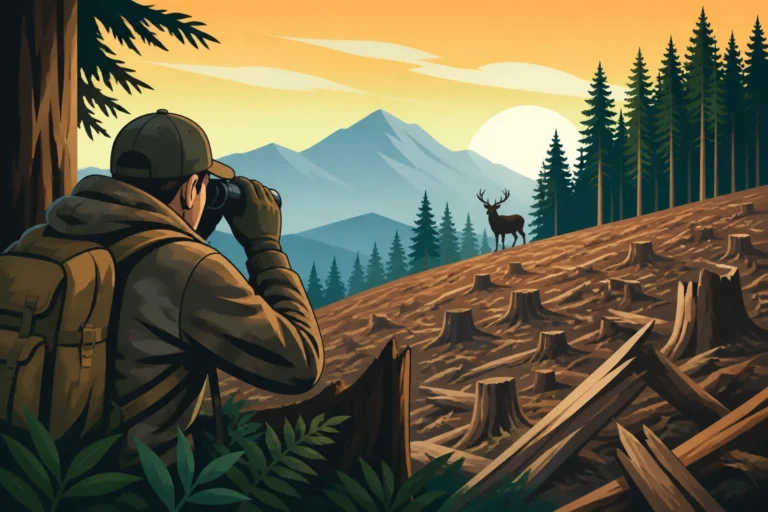
Logging has profoundly shaped Vancouver Island's landscape and, consequently, its hunting opportunities. For decades, vast tracts of the island have been actively harvested, creating a mosaic of old growth, second growth, and recent clearcuts. This isn't necessarily a bad thing for all species. While old-growth forests can be beautiful, their dense, unbroken canopy often offers limited forage for deer and elk, making them less productive for hunting. Recent clearcuts, on the other hand, quickly regenerate with succulent browse, attracting deer and elk, particularly in their first few years after logging. However, these areas can also be incredibly thick and difficult to navigate. As the second growth matures, it can become an impenetrable wall of small trees, offering tremendous cover but frustratingly little visibility for hunters. Understanding the age and type of regeneration in a given area is key to finding productive hunting grounds. Many hunters spend considerable time scouting these logged areas, looking for the sweet spot where cover meets forage. The challenge, of course, is that logging is dynamic, and what was a prime spot last year might be an impassable mess or a barren wasteland this year.
Prime Game Species on Vancouver Island
Vancouver Island boasts a selection of big game species that thrive in its unique environment. While you won't find moose or caribou here, the island offers exceptional opportunities for black-tailed deer and Roosevelt elk, along with a healthy population of black bears.
Black-tailed Deer: The Island's Most Abundant Big Game
If you're hunting Vancouver Island, chances are you'll be after black-tailed deer. These elusive deer are the island's most numerous big game animal and are perfectly adapted to the dense, wet forests. They are smaller than their mule deer cousins but incredibly tough, sporting a distinctive black tail. Hunting Black-Tailed Deer Hunting in British Columbia here is often a game of inches, relying on quiet movement, keen observation, and an understanding of their preferred bedding and feeding areas. They thrive in the mosaic created by logging, utilizing the regenerating clearcuts for forage and the adjacent mature timber for cover and security. You'll often find them browsing on salal, huckleberry, and various shrubs that proliferate in the disturbed areas. During the rut, typically in November, they become more active, and bucks are more vulnerable as they chase does. The key to success is often patience and persistence, working through thick cover where deer can vanish with surprising ease. Don't expect to see them at long range; most shots on the island are up close and personal.
Roosevelt Elk: Giants of the Coastal Forest
Vancouver Island is renowned for its Roosevelt elk, the largest subspecies of elk in North America. These magnificent animals are truly giants of the coastal forest, often weighing significantly more than their Rocky Mountain counterparts. Roosevelt Elk on British Columbia's Coast are masters of their environment, capable of disappearing silently into the densest timber despite their size. Their numbers have rebounded significantly in recent decades, thanks to careful management and reintroduction efforts in some areas. Hunting Roosevelt elk on the island is a challenging but incredibly rewarding experience. These hunts are primarily conducted through the Limited Entry Hunting (LEH) draw system, reflecting the high demand and the need to manage populations sustainably. They prefer old-growth forests for cover and security but will venture into clearcuts and river bottoms to feed. During the rut in September, their bugles echo through the valleys, offering an exhilarating opportunity for calling. You'll need to be physically fit to pursue these animals in their steep, brushy habitat, often far from roads. Expect to cover a lot of ground in challenging conditions, and be prepared for a tough pack out if you're successful.
Black Bears: Coastal Opportunities
Vancouver Island supports a very healthy population of black bears, offering excellent hunting opportunities, particularly in the spring and fall. These bears come in a wide range of colour phases, from jet black to various shades of brown and cinnamon. British Columbia black bear season dates are generous, allowing for both spring and fall hunts. In spring, bears emerge from hibernation and are often found at lower elevations, feeding on new growth in clearcuts, avalanche chutes, and along coastal estuaries. They are attracted to the fresh green-up, making these areas prime spots to glass. Fall hunts often coincide with berry seasons, where bears can be found gorging on huckleberries and other fruits on sunny slopes. Hunting black bears on Vancouver Island requires patience and often a good pair of binoculars, scanning clearcuts and open areas. Awareness of grizzly bear presence, although rare on the island, is also important, as is the ability to confidently differentiate between a sow and cubs and a lone boar. The island's dense cover means tracking and still-hunting are often employed, and hunters need to be prepared for close encounters.
Upland Birds and Waterfowl
While big game often takes center stage, Vancouver Island also provides opportunities for upland bird and waterfowl hunting. The island's diverse habitats support various grouse species, including ruffed grouse and blue grouse. You'll find them along logging roads, in dense alder bottoms, and on the edges of clearcuts. Hunting grouse here is a fantastic way to extend your time in the woods, often done opportunistically while scouting or hunting for deer and elk. The island's extensive coastline, numerous lakes, and river systems also make it a prime location for waterfowl. Various duck species, as well as Canada geese, utilize the coastal estuaries, interior lakes, and agricultural fields. Decoying and jump-shooting are popular methods, and the proximity to the Pacific Flyway means a good variety of migratory birds. Just remember that migratory bird hunting requires a federal migratory game bird permit in addition to your provincial licence.
Navigating Vancouver Island's Hunting Regulations and Seasons
Hunting on Vancouver Island, like anywhere in British Columbia, requires a thorough understanding of the current regulations. These rules are designed to manage wildlife populations sustainably and ensure safe hunting practices. Always consult the most current British Columbia Hunting and Trapping Regulations Synopsis before heading afield.
General Open Seasons and LEH Opportunities
Vancouver Island offers a mix of General Open Seasons (GOS) and Limited Entry Hunting (LEH) opportunities. GOS means you can hunt a specific species in a designated management unit (MU) during its open season without drawing a special tag, as long as you have the appropriate species licence. For black-tailed deer, many MUs on the island have extensive GOS periods, often from early fall through late fall, with specific antler point restrictions. For more coveted species like Roosevelt elk, and for certain antlered deer hunts, LEH is the primary method of allocation. Vancouver Island Deer Season Dates will show you the exact periods. The LEH system is a draw, meaning you apply for specific hunts in specific MUs and are selected via a lottery system. It's crucial to understand the LEH application deadlines and review the odds of drawing for particular zones and species. Many of the prime elk hunting opportunities, for example, are LEH only, and success in the draw can take years of applying.
Antler Restrictions and Bag Limits
British Columbia, and Vancouver Island specifically, employs various antler restrictions to manage big game populations. For black-tailed deer, you'll often encounter "four-point" rules, meaning a buck must have at least four points on one antler (excluding the brow tine) to be legal. Other regulations might specify "any buck" in certain periods or "spike-fork" opportunities for younger animals. These rules are in place to allow younger bucks to mature and contribute to the breeding population. For Roosevelt elk, LEH authorizations will specify exactly what type of animal is legal – often "bull" or "cow," and sometimes "any bull" or "six-point bull" depending on the management objective. Black bears typically have a bag limit of one or two bears per year, but it's vital to check the specific MU regulations for any variations. Understanding these antler restrictions and bag limits is non-negotiable. Misidentifying an animal can lead to severe penalties. Always double-check the regulations for your chosen management unit before you pull the trigger.
Compulsory Reporting and Inspection Rules
Certain species harvested in British Columbia, including those on Vancouver Island, are subject to compulsory reporting and/or compulsory inspection. For black bears, mandatory reporting is required, usually within 30 days of harvest, providing details of your hunt and the animal taken. For species like Roosevelt elk, compulsory inspection is often required, meaning you must take the skull and hide to an authorized inspection station within a specified timeframe. These requirements allow wildlife biologists to collect vital data on population health, age structures, and disease, which is essential for informed management decisions. It's the hunter's responsibility to understand these requirements and comply with them promptly. Failure to report or inspect can result in fines and potential loss of hunting privileges. Always have a plan for how you will get your trophy to an inspection station, especially if you're hunting in a remote area or near the end of a season.
Accessing Hunting Areas on Vancouver Island
One of the biggest hurdles for hunters on Vancouver Island is access. The island's mix of Crown land, private timber holdings, and complex road networks requires careful planning and research. Don't underestimate the time and effort needed to simply get into a hunting area.
Crown Land and Private Timber Company Access
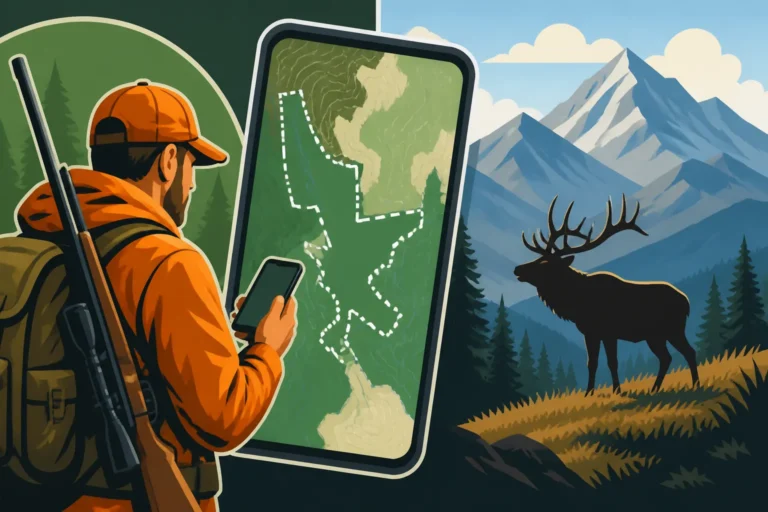
Unlike some parts of British Columbia where Crown land is vast and easily accessible, Vancouver Island presents a more nuanced picture. While there is significant Crown land, much of it is intertwined with vast tracts of private forest land, owned by large timber companies. These private lands often have gates, varying access rules, and sometimes require permits or payment for entry. It's absolutely critical to know whose land you are on at all times. Using mapping tools like onX Hunt or GoHunt, which show property boundaries, can be invaluable for identifying Crown land versus private holdings. Many timber companies open gates to the public during non-logging hours or seasons, but these policies can change without notice. Some companies offer online permit systems or day-use passes. Always respect posted signs, locked gates, and company rules. Trespassing, even unknowingly, can lead to fines and harm the relationship between hunters and landowners. Researching these private land access policies is as important as scouting the hunting grounds themselves.
Understanding Forest Service Roads (FSRs) and Deactivation
Forest Service Roads (FSRs) are the lifeblood of access into Vancouver Island's backcountry. These gravel roads penetrate deep into logging country, often providing the only vehicle access to remote areas. However, FSRs come with their own set of challenges. Many are actively used by logging trucks, which always have the right-of-way, meaning you must drive defensively and be prepared to pull over. Radio channels are often designated for active logging roads, and carrying a resource road radio can be a critical safety measure. Furthermore, many FSRs are "deactivated" after logging operations cease. Deactivation can range from simply removing a culvert and digging a ditch, to complete removal of bridges and significant water-barring, making them impassable for vehicles. These deactivated roads might still be excellent access for walking or mountain biking, allowing you to get away from road hunters. Always check current road conditions and potential closures before you head out. Hunting British Columbia's Logging Road Network can be a maze, and road conditions can deteriorate rapidly with weather.
Boat Access and Coastal Hunting
Given its island nature, boat access opens up unique hunting opportunities on Vancouver Island, particularly along its extensive coastline. Many inlets, fjords, and remote islands are inaccessible by road, making a boat the only way to reach them. This can be fantastic for targeting black-tailed deer and black bears in areas with less hunting pressure. Imagine hunting a remote estuary for bears in the spring or accessing an isolated island for blacktails in the fall. However, boat hunting comes with its own set of challenges. You need to be proficient in marine navigation, understand tides and currents, and be prepared for rapidly changing coastal weather. Rough seas can make travel dangerous, and limited cell service in many remote areas means you need reliable communication devices, like a satellite messenger. If you're considering boat access, ensure your vessel is properly equipped and you have all necessary safety gear. It’s also crucial to understand the regulations for hunting from a boat, including prohibitions on shooting from or across navigable waters.
Effective Hunting Strategies for Vancouver Island
Vancouver Island's dense forests and rugged terrain demand specific hunting strategies that differ significantly from those used in more open environments. Success here often hinges on adapting your approach to the cover and climate.
Still-Hunting and Tracking in Dense Timber
Given the limited visibility in the coastal rainforest, still-hunting is perhaps the most effective strategy for black-tailed deer and can be productive for elk and bears too. This involves moving incredibly slowly and deliberately, taking only a few steps at a time, then pausing for extended periods to scan, listen, and observe. You're not just looking for an entire animal; often, you'll only catch a flicker of an ear, the outline of a leg, or a patch of hide. The quiet, mossy forest floor can aid in silent movement, but the dense underbrush makes it difficult. Reading sign is also paramount. Fresh tracks, rubs, scrapes, and droppings are critical indicators of animal presence and movement. Following a fresh track in the damp earth, moving slowly with the wind, can put you right on a bedded animal. It's a method that demands extreme patience and focus, but it's incredibly rewarding when you finally spot a deer ghosting through the timber. Hunting British Columbia's Coastal Rain means tracking conditions are often ideal, but staying alert is key.
Spot-and-Stalk in Clearcuts and Openings
While dense timber is the norm, Vancouver Island also has numerous clearcuts, particularly in active logging areas, as well as smaller natural openings, bogs, and estuaries. These provide opportunities for spot-and-stalk hunting, especially for deer and bears. Find an elevated vantage point overlooking a clearcut, particularly one with good regenerating browse, and spend time glassing. Quality optics are essential. Early mornings and late evenings are prime times, as animals move out of cover to feed. Once an animal is spotted, the real work begins: planning a careful stalk through often difficult terrain and dense regeneration to get within shooting range. The wind is always a critical factor. For elk, natural openings and river bottoms can also be productive glassing spots, particularly during the rut when bulls are moving and vocal. Don't be afraid to use available cover, like berms, cutbanks, or large stumps, to conceal your approach. Hunting Vancouver Island Blacktail in Second Growth requires hunters to be intimately familiar with how deer use these varied habitats.
Calling Strategies for Deer and Elk
Calling can be an incredibly effective tool for hunting both black-tailed deer and Roosevelt elk on Vancouver Island. For deer, a fawn bleat or a subtle doe bleat can often pique the curiosity of a buck, especially during the rut. Patience is key; don't call too frequently or too loudly. Sometimes, a soft, intermittent call is all it takes to make a deer feel comfortable enough to step out of cover. For Roosevelt elk, calling during the September rut can be explosive. Their bugles are distinct and powerful. Locating a bull with a bugle and then moving in to challenge him with your own bugles or cow calls can lead to exhilarating, close-range encounters. Understanding when to be aggressive with your calls and when to back off and use more subtle cow or calf calls is a skill developed over time. Remember, elk on the island are often deep in the timber, so getting close before you start calling can improve your chances. Bugling Roosevelt Elk on the Coast can be an unforgettable experience.
Essential Gear and Preparations for an Island Hunt
Hunting on Vancouver Island means being prepared for specific environmental challenges. Your gear choices can make or break your trip, keeping you comfortable, safe, and effective in its demanding conditions.
Rain Gear and Layering for Wet Conditions
The single most important gear consideration for Vancouver Island is proper rain gear. It's not a matter of if it will rain, but when and how much. A cheap rain jacket won't cut it. You need truly waterproof and breathable outer layers – jacket, pants, and even gaiters – that can withstand prolonged downpours while still allowing moisture to escape. Look for materials like Gore-Tex or similar high-performance membranes. Beyond rain gear, effective layering is crucial. Start with a moisture-wicking base layer (merino wool or synthetics), add insulating mid-layers (fleece or puffies), and top it with your waterproof shell. Cotton is absolutely out; it absorbs moisture, dries slowly, and loses all insulating properties when wet, leading to hypothermia. Even on clear days, dew and brush can leave you soaked, so prepare for constant dampness. Pack multiple pairs of socks and a dry change of clothes for camp.
Navigation Tools and Communication in Remote Areas
Many prime hunting areas on Vancouver Island are remote and lack cell service. Reliable navigation tools are non-negotiable. A GPS device is essential, as is a physical map and compass, and knowing how to use them. Digital mapping apps like onX Hunt or GoHunt are incredibly useful. They allow you to download offline maps, mark waypoints, track your movements, and view property boundaries – a huge advantage when dealing with mixed Crown and private lands. Make sure your phone or tablet is fully charged, and carry a portable power bank. For communication, especially if hunting solo or in very remote areas, a satellite messenger or satellite phone is highly recommended. Devices like the Garmin inReach or Zoleo allow you to send and receive messages, track your location, and trigger an SOS in an emergency, even without cell signal. Do not rely solely on your phone.
Packing Out Game in Challenging Terrain
If you're lucky enough to harvest an animal on Vancouver Island, the work is far from over. Packing out game from the dense, steep, and often wet terrain can be one of the most physically demanding aspects of the hunt. A high-quality internal or external frame pack designed for hauling heavy loads is essential. Practice packing weight in it before your trip. You'll need good game bags to protect the meat from dirt, flies, and debris. Processing the animal efficiently in the field is key, often requiring quartering or boning out the meat to make it manageable for transport. Consider bringing a lightweight tarp or ground sheet to keep meat clean while working. The wet conditions mean meat needs to be cooled quickly to prevent spoilage, even if the ambient temperature isn't excessively warm. Getting Meat Out of Steep British Columbia Country often involves multiple trips and can take hours, even days, especially for a large elk. Don't underestimate this challenge; it's physically exhausting and requires careful planning.
Safety, Wildlife, and Environmental Considerations
Hunting anywhere in British Columbia requires a strong focus on safety, and Vancouver Island presents its own unique set of considerations, from wildlife encounters to rapidly changing weather.
Bear Safety on Vancouver Island
While grizzlies are extremely rare on Vancouver Island, black bears are abundant and widespread. Encounters are common, so bear safety is paramount. Always carry bear spray, know how to use it, and keep it readily accessible, not buried in your pack. Make noise when moving through dense brush to avoid surprising a bear. Be particularly vigilant when hunting near berry patches, salmon streams, or fresh kills. If you encounter a bear, identify yourself as human, make yourself look large, and speak firmly. Most black bears will retreat. If you have a kill, be prepared to defend it, as bears are drawn to the scent of fresh meat. Proper food storage in camp, using bear-resistant containers or hanging food, is also essential. Review Bear Safety While Hunting in British Columbia before you go. Remember, an ounce of prevention is worth a pound of cure when it comes to bear encounters.
Weather Preparedness and Emergency Planning
Vancouver Island's weather is notoriously unpredictable and can change rapidly. Sunny mornings can give way to torrential downpours or even snow at higher elevations by afternoon. Always check the forecast, but be prepared for anything. This means having appropriate layers, waterproof gear, and a solid emergency plan. Tell someone where you are going and when you expect to return. Carry a small emergency kit with fire-starting materials, a first-aid kit, a headlamp, extra food and water, and a signaling device. Hypothermia is a real danger in the wet, cool conditions, even if temperatures aren't freezing. Know the signs and how to treat it. If you're going into truly remote areas, consider taking a wilderness first aid course. Breakdowns in your vehicle or getting stuck on an FSR are also common, so carry recovery gear, a spare tire, and extra fuel.
Respecting Private Land and Indigenous Territories
British Columbia, and Vancouver Island in particular, has a complex history regarding land ownership and Indigenous rights. It is not always obvious where Crown land ends and private land or Indigenous reserve land begins. Always do your homework before you hunt. Use reliable mapping resources (like onX Hunt) to identify property boundaries. If you encounter private land, respect "No Trespassing" signs and locked gates. If you wish to access private land, you must obtain permission from the landowner – a polite knock on the door or a phone call can sometimes open doors. British Columbia Trespass and Private Land Law is clear on your responsibilities. Similarly, be aware that many areas of Vancouver Island are traditional territories of various First Nations. While hunting regulations apply to all residents, understanding and respecting the history and ongoing rights of Indigenous communities is a crucial part of being a responsible hunter in British Columbia.
Table: Vancouver Island Hunting Species Overview
| Species | Primary Habitat | Typical Hunting Method | Peak Season Considerations | Access Challenge Level |
|---|---|---|---|---|
| Black-tailed Deer | Second-growth forests, clearcuts, old growth | Still-hunting, tracking, spot-and-stalk | Late Fall Rut (Nov.) | Moderate |
| Roosevelt Elk | Old-growth forests, river bottoms, clearcuts | LEH draw, calling (Rut: Sept.), spot-and-stalk | Early Fall Rut (Sept.) | High (LEH, remote) |
| Black Bear | Clearcuts, estuaries, berry patches, timber | Spot-and-stalk (spring), still-hunting (fall) | Spring (May-June), Fall (Sept-Oct) | Moderate |
| Grouse (Ruffed/Blue) | Logging roads, alder bottoms, forest edges | Walking, opportunistic, bird dogs | Early Fall (Sept-Oct) | Low |
| Waterfowl | Coastal estuaries, lakes, river systems | Decoying, jump-shooting | Fall (Oct-Dec) | Moderate |
The Seasons of Opportunity: When to Hunt Vancouver Island
Understanding the rhythms of Vancouver Island's hunting seasons is critical for planning a successful trip. Each season presents its own unique opportunities and challenges, influenced by weather, animal behavior, and regulation changes.
Fall: The Prime Time for Deer and Elk
Fall is undeniably the prime hunting season on Vancouver Island, offering opportunities for most big game species. September typically opens with archery seasons for deer and elk, and often general rifle seasons for black bears. This is when the Roosevelt elk rut is in full swing, and bugling bulls can provide an exhilarating experience. As October progresses, rifle seasons for black-tailed deer open more widely, and bear hunting remains strong. The weather in early fall can be mild, but it's increasingly prone to heavy rains. By November, the black-tailed deer rut peaks, making bucks more active and vulnerable as they search for does. This late-season hunting can be incredibly productive, but also very wet and cold. Temperatures drop, and snow can appear at higher elevations. Success in the fall requires preparedness for all types of weather and a willingness to stay out in challenging conditions.
Spring: Bear Hunting and Scouting
While big game like deer and elk are closed in the spring, it's an excellent time for black bear hunting on Vancouver Island. Bears are emerging from hibernation, often lean and hungry, and are drawn to the first green-up in clearcuts, avalanche chutes, and along river bottoms and coastal estuaries. The spring hunt, typically from April through June, offers unique opportunities to spot bears at lower elevations before the undergrowth becomes too dense. It's also an ideal time for scouting for fall deer and elk hunts. With less foliage, you can often gain a better understanding of the terrain, animal travel corridors, and potential glassing locations. You can identify historical sign, rub lines, and bedding areas without the pressure of an active big game season. However, spring weather can be just as unpredictable as fall, with plenty of rain and rapidly changing conditions.
Winter: Late Season Opportunities and Challenges
Some specific late-season hunts extend into December, particularly for black-tailed deer in certain management units. These hunts offer a chance to intercept deer on their winter ranges or during extended rut activity. However, winter hunting on Vancouver Island presents significant challenges. Access to higher elevation areas may be cut off by snow, and many FSRs may be deactivated or impassable. The weather is consistently cold and wet, and daylight hours are short. While these conditions can concentrate animals, they also demand the utmost in preparation, warm and waterproof gear, and a high level of physical fitness and mental toughness. Success in the late season often means enduring harsh weather for long periods and being ready to capitalize quickly on any opportunity.
Planning Your Vancouver Island Hunting Trip
A successful hunt on Vancouver Island doesn't happen by accident. It requires meticulous planning, from understanding the specific regulations for your target species and MU, to physical conditioning and logistical arrangements.
Researching Management Units and Regulations
Before you even think about packing your bag, dive deep into the British Columbia Hunting and Trapping Regulations Synopsis. Identify the specific species you want to hunt and the management unit (MU) on Vancouver Island you intend to focus on. Each MU can have different season dates, bag limits, and antler restrictions. Using the online resources provided by the provincial government, including interactive mapping tools and MU boundaries, is crucial. Pay close attention to any specific notes or closures for the MUs you are considering. Reviewing British Columbia's Management Units and Regions is a great starting point. Consider calling the local BC Fish and Wildlife office for the region you plan to hunt; they can often provide invaluable insights on current conditions, access issues, and recent changes that might not be immediately obvious in the synopsis.
Physical Preparation for Rugged Terrain
Vancouver Island hunting is physically demanding. Regardless of your target species, you will likely encounter steep slopes, dense undergrowth, and wet conditions. If you're after Roosevelt elk or venturing into higher elevations for deer, you need to be in excellent physical condition. Start a fitness regimen well in advance of your hunt, focusing on cardiovascular endurance, leg strength, and hiking with a weighted pack. Practice hiking uneven, steep terrain. The ability to climb quietly and steadily through thick brush for hours, sometimes in the rain, is a huge advantage. Don't underestimate the physical toll of packing out an animal in these conditions either. The better shape you are in, the more enjoyable and successful your hunt will be.
Logistics: Accommodation, Supplies, and Permits
Consider your logistical needs carefully. Will you be camping, staying in a local lodge, or driving in for day hunts? If camping, ensure your gear is suitable for wet conditions. Remote backcountry hunts might require a spike camp setup. Plan your food and water supplies, and ensure you have enough fuel for your vehicle, as gas stations can be scarce in remote areas. Remember to purchase your British Columbia hunting licence and species licences well in advance. If applying for LEH, make sure your application is submitted before the deadline. If traveling from outside British Columbia, be aware of rules for bringing firearms into Canada and ensure you have all necessary permits and declarations completed. Plan for meat care and transportation, especially if you're coming from a distance. If you're a non-resident alien, remember you require the services of a licensed guide outfitter, so booking far in advance is essential.
Disclaimer
This article is for general informational purposes only and does not constitute professional advice. Laws, prices and regulations vary by location and change over time. Consult a qualified professional for guidance on your specific situation.