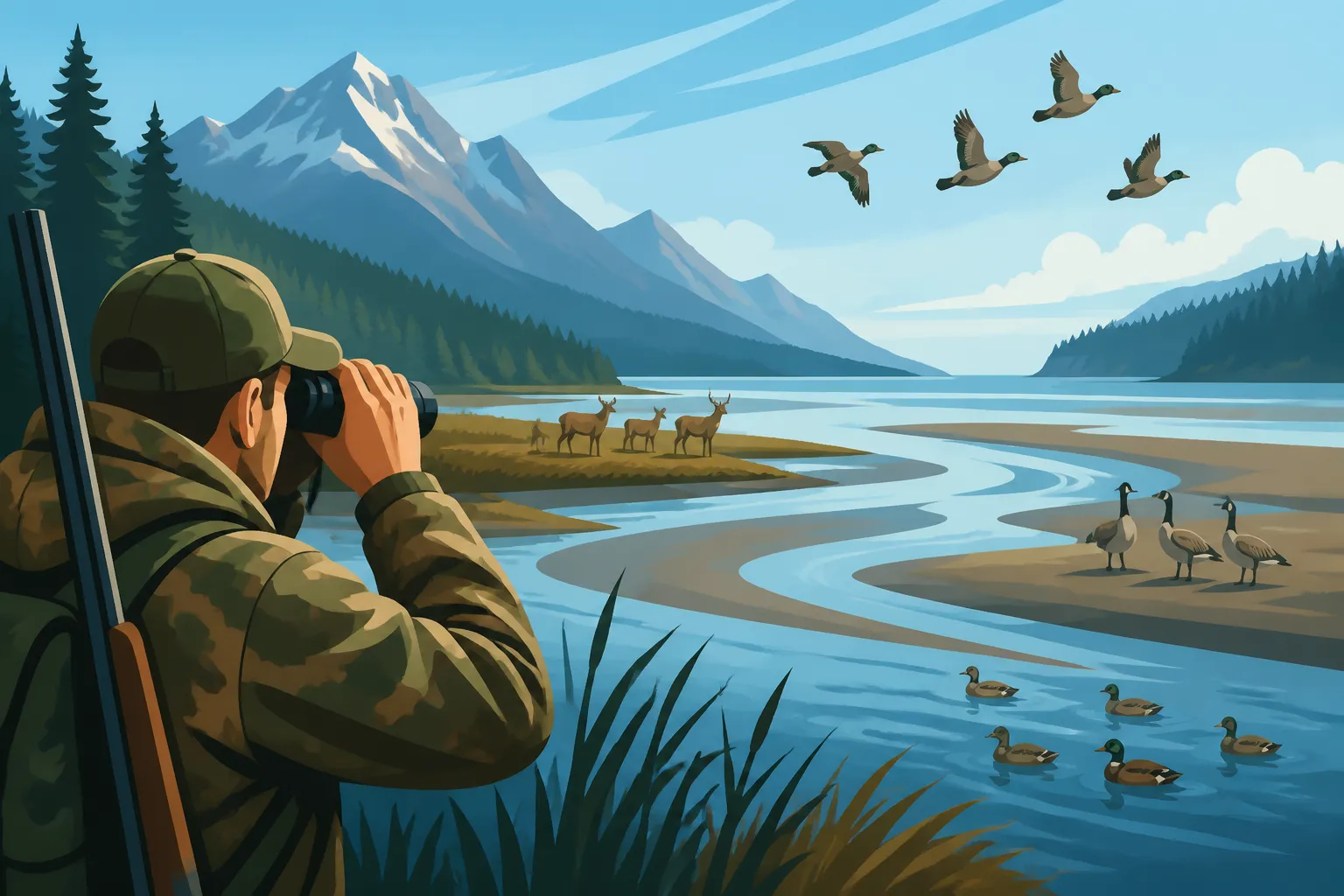
Why Estuaries Concentrate Coastal Game
For anyone who’s spent time trying to pinpoint productive hunting grounds along British Columbia’s vast and often intimidating coastline, the frustration of finding consistent game can be real. You’re looking at endless miles of forest and ocean, wondering where to even begin. This guide will dive deep into why coastal estuaries are often prime locations for concentrating various game species, helping you understand these unique habitats and giving you a clearer picture of where to focus your efforts for a more successful hunt.
Understanding the Coastal Estuary Ecosystem
British Columbia's coast is a mosaic of steep mountains meeting the sea, but nestled within this dramatic landscape are unique pockets where freshwater rivers and streams mingle with the ocean's tides. These are estuaries, and they are ecological powerhouses. You might think of them as the rich, fertile delta zones where a river finally gives up its journey to the Pacific, depositing all the sediments and nutrients it has collected along the way. This mixing creates an environment unlike either pure freshwater or saltwater, leading to incredible biodiversity.
Think about the Fraser River Delta, or smaller ones tucked away in inlets like those around Bella Coola or Prince Rupert. These aren't just pretty spots on a map; they are dynamic ecosystems constantly being shaped by river flow and tidal push. The brackish water, rich mudflats, and diverse vegetation create a haven for all sorts of life, from microscopic organisms to the largest mammals. It’s this constant influx of nutrients and the unique blend of water types that makes estuaries such a magnet for game, drawing them in from the surrounding, often less hospitable, coastal forests.
What Makes an Estuary Unique?
At its core, an estuary is defined by that unique mix of fresh and salt water. This brackish environment creates a special set of conditions that many species thrive in. The freshwater flow brings down organic matter and sediment from inland, while the ocean tides bring in marine nutrients. This constant exchange means estuaries are incredibly productive, far more so than many other parts of the coast. Imagine a giant natural blender, constantly churning nutrients and creating a perfect soup for life.
The shallow, often silty bottom of an estuary allows sunlight to penetrate, fueling the growth of abundant plant life. We're talking about everything from various grasses and sedges that can tolerate salt, to emergent vegetation, and even kelp beds in the deeper, more saline parts. This rich vegetation forms the base of a complex food web. Unlike the dense, often nutrient-poor coniferous forests further up the slopes, estuaries offer a buffet. This is why when you're glassing a coastal inlet from a boat, you often see game animals congregated in these areas, even if the surrounding hillsides look barren. They're drawn to the feast.
Types of Coastal Estuaries in British Columbia
British Columbia boasts a variety of estuaries, each with its own character, but all sharing that fundamental richness. You've got your large river deltas, like the mighty Fraser, where massive amounts of sediment create expansive mudflats and marshlands. These are critical staging grounds for migratory waterfowl and support healthy populations of resident deer and bears. Then there are the smaller, tucked-away estuaries at the heads of deep fjords or coastal inlets, often fed by shorter, steeper rivers. These might be less expansive but are equally vital to the local wildlife.
Consider the inlets on Vancouver Island or along the Sunshine Coast. These estuaries might be smaller, more intimate spaces, but they offer the same crucial blend of food and shelter that attracts game. They often have tide flats that expose nutrient-rich mud at low tide, providing feeding opportunities for birds and bears alike. When you are doing your research for a hunt, a tool like GoHunt can help you zoom in on these specific geographical features within a management unit, showing you exactly where these fertile river mouths and deltas are located. Understanding these differences can help you anticipate which species you're likely to find and how best to approach them.
The Abundance of Food: A Game Magnet
The primary reason estuaries are such hotspots for coastal game is quite simply, food. The unique environmental conditions create an incredibly fertile ground for a diverse array of plant life and invertebrates, which in turn support larger animals. Imagine arriving at a barren landscape versus a lush garden – animals are going to gravitate towards the garden every time. This consistent, high-quality food source is a lifeline for many species, especially in environments where foraging can otherwise be tough.
Coastal British Columbia, particularly the interior rainforests and high alpine, can be challenging for herbivores to find adequate nutrition for much of the year. Estuaries, however, often provide year-round forage or at least a critical seasonal bounty that sustains populations. This isn't just about volume; it's about the nutrient density and variety that allows animals to thrive, build fat reserves, and support healthy offspring.
Forage for Herbivores: Deer and Elk
For deer and elk, estuaries are a green oasis. The mixture of fresh and saltwater supports lush growth of various grasses, sedges, and forbs that are highly palatable and nutritious. Unlike the tougher, less digestible browse found higher up the mountains, estuary vegetation is often tender and easily accessible. Black-tailed deer, in particular, are drawn to these areas. You’ll often find them grazing the edges of salt marshes and tidal flats, especially during dawn and dusk. This is especially true during the leaner months when other food sources become scarce.
These low-lying, often flat areas also offer relatively easy travel compared to the steep, brushy hillsides. A black-tailed deer doesn't have to work as hard to find its meal, which conserves energy – a critical factor for survival. If you're looking for Black-Tailed Deer on British Columbia's Coast, or even a stray Roosevelt elk in coastal areas, focusing your scouting efforts on these green pockets, particularly where the vegetation meets the forest edge, is often a very productive strategy. The sheer volume of palatable forage means more animals can be supported in a smaller area.
Bear Banquet: Salmon, Berries, and Roots
Bears, both black bears and grizzlies (in areas where they are present), find estuaries to be an absolute smorgasbord. During the spring, as they emerge from dens, the first green shoots and nutrient-rich sedges that sprout in the estuarine environment are a vital source of easily digestible food. This is often before the higher elevations have shed their snow or produced much new growth. What Bears Eat on a Coastal Estuary varies throughout the year, but this early season green-up is crucial.
As the season progresses, estuaries continue to deliver. The banks and edges of these systems often host dense patches of berry bushes, offering a rich source of calories in late summer and fall. And, of course, the most iconic estuarine feast for bears is the salmon run. When the salmon return to spawn in the rivers that feed these estuaries, the shallow waters and river mouths become prime hunting grounds for bears. They will concentrate heavily in these areas, feasting on fish, building up crucial fat reserves for winter. This is a powerful draw that pulls bears down from the mountains, making estuaries predictable hot zones for Hunting Bears on a Coastal Estuary in May or later in the fall.
Waterfowl Oasis: Ducks, Geese, and Waders
For waterfowl, estuaries are nothing short of a paradise. The shallow, nutrient-rich waters and extensive mudflats provide ideal feeding and resting grounds for a vast array of ducks, geese, and shorebirds. These areas are vital stops along the Pacific Flyway, supporting massive numbers of migratory birds, as well as resident populations. The sheer biomass of invertebrate life in the mud and the abundance of aquatic plants offer a constant buffet.
Whether it’s dabbling ducks filtering food from the surface, diving ducks foraging for mollusks, or geese grazing on wetland grasses, estuaries provide everything they need. The protection offered by the surrounding land and the often calmer waters also create safe roosting sites. If you’re interested in Decoying Ducks on a Coastal Estuary, understanding the tidal movements and where birds prefer to feed and rest will be key to your success. These dynamic environments are constantly changing with the tides, so observing bird patterns is essential.
Shelter, Water, and Safety: More Than Just Food
While food is undeniably a massive draw, estuaries offer more than just a full belly. They provide critical elements of shelter, fresh water, and a relative sense of safety, making them incredibly attractive year-round habitats for many game species. Think of it as a comfortable home with all the amenities, not just a restaurant. In a rugged coastal environment, these additional features can be just as important for an animal's survival and well-being.
The coastal landscape can be harsh, with incessant rain, high winds, and dense, often impenetrable forest. Estuaries, with their unique topography and vegetation, provide a reprieve from these elements, offering places to bed down, escape predators, and access clean drinking water. This combination of resources solidifies their role as critical wildlife corridors and concentration points.
Protection from the Elements and Predators
Coastal British Columbia is known for its relentless rain and sometimes brutal winds. Estuaries, often situated in river valleys or at the heads of sheltered inlets, can offer a degree of protection from the worst of these elements. The dense riparian vegetation along the riverbanks provides cover from both precipitation and strong gusts. Animals can bed down in these areas, staying warmer and drier than they might on an exposed mountainside. This is especially important during colder, wetter seasons.
Furthermore, the varied terrain of an estuary – from dense brush to marshy areas and nearby timber – provides ample cover for animals to evade predators. Deer can use the thickets to hide, and the open sightlines of the flats at certain times can allow them to spot approaching threats. While the presence of predators like wolves and cougars is a reality in British Columbia's wilderness, the complex structure of estuaries offers more options for escape and concealment than a simple, homogenous forest floor. Hunters need to be mindful of this, as these areas can be tricky to navigate quietly.
Access to Fresh Water
It might seem obvious in British Columbia, with its abundant rainfall, but access to clean, flowing fresh water is still a critical factor for wildlife. While animals can drink from puddles or stagnant pools, the consistent flow of a river into an estuary provides a reliable source of fresh water, free from the saltiness of the ocean. This is essential for all land mammals, and particularly for bears, who might spend significant time near the tidal flats but still need a freshwater source for drinking.
The constant mixing in the estuary ensures that freshwater is readily available for drinking without requiring animals to venture far into the forest or climb steep terrain. This ease of access contributes to the overall attractiveness of these areas, allowing animals to fulfill multiple needs within a relatively small, accessible zone. For hunters, observing where game trails lead to water sources within the estuary can be a key part of your scouting strategy.
Travel Corridors and Natural Funnels
Estuaries often act as natural travel corridors and funnels for game moving between different habitats. Animals coming down from higher elevations to feed, or those moving along the coastline, will often pass through or linger in these areas. The relatively flat terrain, compared to the steep coastal mountains, makes travel much easier. This is especially true for larger animals like moose or elk, but also for deer and bears.
Think of an estuary as a natural highway junction. All the smaller paths from the surrounding wilderness converge here because it’s the easiest route, and it offers resources at the end of the journey. This funneling effect is one of the reasons hunters often find higher concentrations of game in these areas. When you're Scouting a British Columbia Management Unit, identifying these natural choke points where movement is concentrated can drastically improve your chances of encountering animals. Platforms like GoHunt, with their detailed topographic maps and land overlays, can be incredibly useful for visualizing these corridors and predicting game movement.
Hunting Estuaries: Strategies and Considerations
Hunting in British Columbia's coastal estuaries presents a unique set of challenges and rewards. The dynamic environment, influenced by tides and weather, requires adaptability and specific strategies. It's not like still-hunting a timber block or glassing an open hillside in the interior. You need to be aware of your surroundings, understand animal behavior in this specific habitat, and often, leverage specialized access methods.
Success in these areas often comes down to timing, patience, and a willingness to adjust your plans based on the conditions. The rewards, however, can be significant, as estuaries consistently attract and hold a diversity of game, from black bears to black-tailed deer and abundant waterfowl.
Timing Your Hunt: Tides and Weather
Perhaps the most critical factor when hunting an estuary is understanding the tides. The rise and fall of the ocean dictate when certain areas are accessible, when food sources are exposed, and when animals are most likely to be active. For instance, mudflats that are prime feeding grounds for bears or waterfowl at low tide become completely submerged at high tide. Knowing the tide charts for your specific area is non-negotiable. Many animals will move onto exposed flats as the tide recedes to feed and will retreat to higher ground or the forest edge as the tide comes in.
Weather is another huge consideration. Hunting British Columbia's Coastal Rain is a common reality, and estuaries can amplify the effects of bad weather. Rain can make mudflats incredibly slippery and impact visibility. Strong winds can make boat access challenging and scatter game. Conversely, calm, clear days can offer excellent opportunities for glassing. Always check the marine forecast in addition to the regular weather forecast. Planning around favorable tides and reasonable weather windows will significantly increase your odds.
Accessing Estuary Hunting Grounds
Access to estuaries can vary greatly. Some might be reachable by vehicle via logging roads, but many of the most productive ones are remote and require boat access. For those areas accessible by road, be aware that you might still need to hike a fair distance across marshy ground or along the riverbank to get into prime positions. Using a GPS with detailed mapping, perhaps through GoHunt's mobile application, can help you navigate these complex terrains.
For more remote estuaries, Hunting From a Boat on the Coast becomes the primary method. This can involve anything from a small skiff to a larger cabin cruiser, depending on the size of the inlet and the sea conditions. Launching from a boat allows you to get to areas inaccessible by foot, providing stealth and mobility. However, you need to be proficient in boat handling in potentially rough coastal waters and understand safe anchoring practices, especially in tidal zones. Always carry appropriate safety gear and file a float plan.
Spot and Stalk in the Open vs. Still-Hunting the Edges
Estuaries offer a mix of open areas and dense cover, requiring varied hunting tactics. In the expansive mudflats and marsh areas, spot and stalk can be highly effective, especially for bears or deer grazing in the open. You'll need good optics, like powerful binoculars or a spotting scope, to scan large areas. Once an animal is spotted, planning your stalk requires careful consideration of wind direction, cover, and the ever-changing tide line. Movement in open, often wet ground, needs to be slow and deliberate to avoid being seen or heard.
Along the edges where the estuary transitions into forest, still-hunting or setting up ambushes can be productive. Animals will often use these transition zones for cover when moving to and from feeding areas. Finding a vantage point that offers a good view of these edges, or identifying well-used game trails, can be an excellent strategy. Remember to remain absolutely silent and pay close attention to the wind, as animals are incredibly attuned to scent in these environments.
Here's a quick comparison of estuarine game and common hunting considerations:
| Game Species | Primary Estuary Draw | Best Hunting Season | Key Considerations |
|---|---|---|---|
| Black Bear | Salmon, spring greens, berries | Spring & Fall | Salmon runs, tide tables, wind direction |
| Black-tailed Deer | Lush grasses, shelter | Fall (rut) | Edge cover, early morning/late evening, tides |
| Roosevelt Elk | Grasses, browse, fresh water | Fall (draw-only) | Very remote, dense cover, boat access |
| Waterfowl | Abundant food, sheltered water | Fall & Winter | Decoying, tide tables, blind placement, non-toxic shot |
| Wolf | Abundant prey, travel corridor | Year-round | Calling, opportunistic, focusing on prey movement |
In the end, hunting British Columbia’s estuaries is a truly rewarding experience for those willing to learn the rhythm of these unique environments. The concentration of game makes them undeniably attractive, but success depends on preparation, understanding, and respect for these powerful natural systems.
Disclaimer
This article is for general informational purposes only and does not constitute professional advice. Laws, prices and regulations vary by location and change over time. Consult a qualified professional for guidance on your specific situation.