How Predators Shape Moose Numbers
It’s a frustrating mystery for so many of us who cherish our time out in the British Columbia backcountry: one year, a favourite moose hunting area seems to be teeming with life, and the next, it feels eerily quiet. We all want to know what’s really going on with our moose populations, and while habitat and weather play huge roles, the impact of predators is often a primary concern, and rightly so. This guide will dive deep into how wolves, bears, and other carnivores actively shape moose numbers across British Columbia, exploring the intricate dynamics far beyond just a simple kill count.
The Complex Dynamics of Predator-Prey Relationships
When we talk about predators affecting moose populations, it's never a simple case of X number of wolves killing Y number of moose. The reality is far more nuanced, interwoven with the health of the moose herd itself, the quality of their habitat, and even environmental factors like snow depth or disease prevalence. Understanding this complexity is key to grasping why some areas thrive while others struggle, even with similar predator pressure.
Beyond Simple Kill Rates: Understanding the Ecosystem Balance
Think of it like a finely tuned orchestra. Each instrument plays a part, and if one section is off, the whole piece suffers. In an ecosystem, predators aren't just instruments of death; they're agents of natural selection. They tend to target the most vulnerable individuals: the very young calves, the old, the injured, or those weakened by disease or harsh winters. This isn't just about reducing numbers; it's about shaping the genetics and overall health of the herd. A healthy moose population, with ample forage and strong individuals, might withstand a certain level of predation much better than a herd struggling with poor nutrition or a high incidence of parasites. It's a constant dance, a give and take that balances itself over time, though external pressures can certainly throw it out of whack.
Key Predators of British Columbia Moose
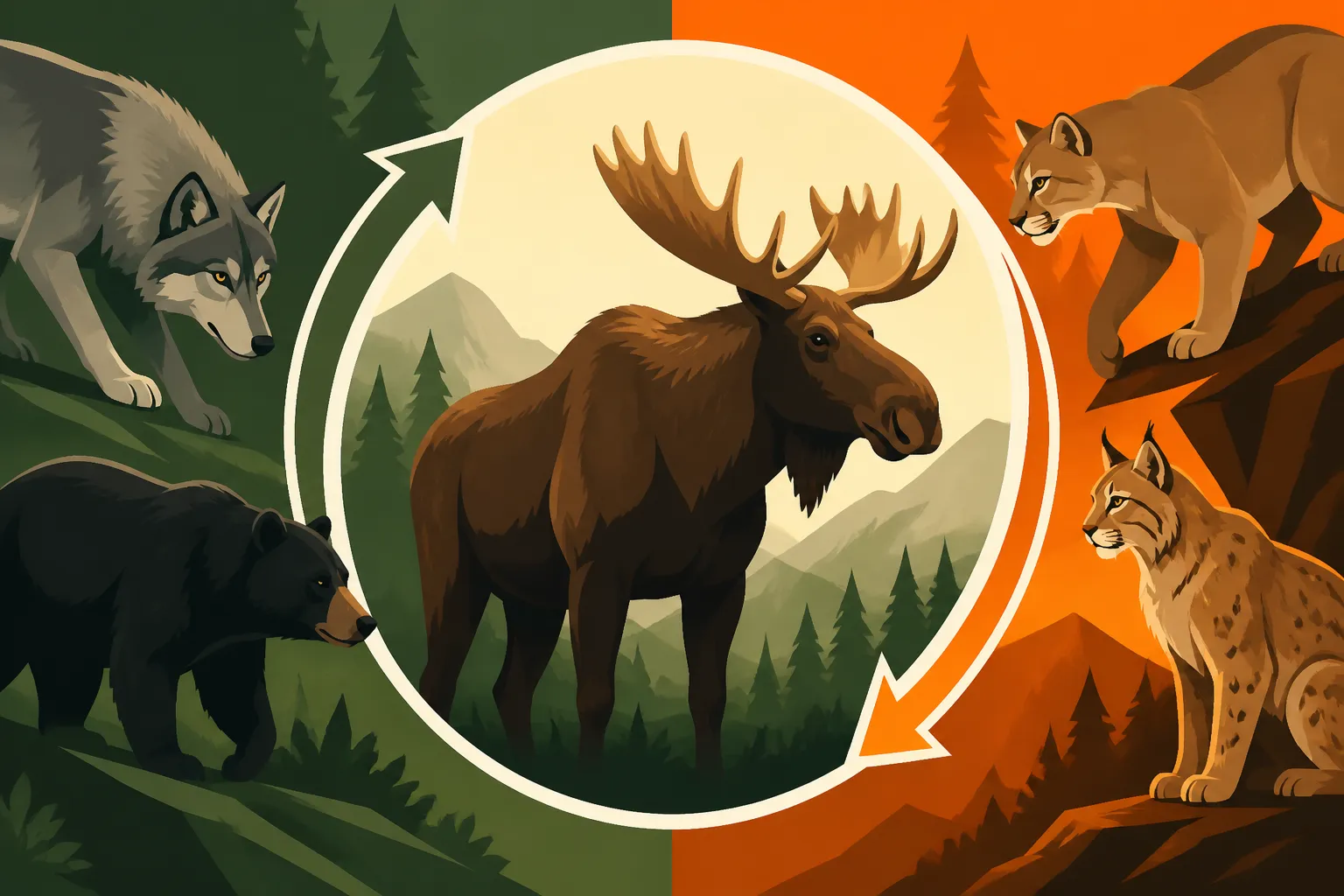
British Columbia is home to a robust array of large carnivores, and several species have a significant, albeit distinct, impact on moose. The big players are undoubtedly wolves, grizzly bears, and black bears. Each of these animals hunts in its own unique way, with different seasonal impacts and preferred targets within the moose population. Understanding their individual roles helps us piece together the larger picture of moose survival. While some might think of larger predators like cougars, their primary prey is typically deer, and while they might take a moose calf occasionally, their influence on a regional moose population is generally minimal compared to the others. For hunters seeking information on different species, resources like GoHunt can provide valuable insights into regional population trends and species distribution.
How Each Major Predator Impacts Moose Populations
Let's break down the specific strategies and impacts of the primary moose predators in British Columbia. It's not just about who's killing moose, but when and how they're doing it, and what that means for the overall health and future of the herd.
Wolves: The Apex Harassers and Their Strategies
Wolves are perhaps the most iconic and often debated predator of moose. They operate in highly coordinated packs, making them incredibly effective hunters. What many people don't realize is that wolves aren't just running down prime adult bulls. Their hunting strategy is far more nuanced. They are masters at identifying weakness. Calves, especially during their first year, are incredibly vulnerable, representing a significant portion of a wolf pack's diet. These young moose haven't developed the speed, strength, or defensive instincts of their mothers. Older, ailing moose, perhaps a bull past his prime or a cow struggling with a bad leg, also become prime targets. This selective predation helps keep the overall moose herd robust, as the weakest individuals are removed, preventing the spread of disease and ensuring fitter moose pass on their genes. However, when moose numbers are already low due to other factors, even this "natural" level of predation can feel overwhelming, slowing recovery.
Wolves also exert a "harassment" effect. The constant presence and threat of wolves can force moose to expend more energy, move more frequently, and become more stressed, especially in winter when energy reserves are critical. This can lead to a phenomenon known as compensatory mortality, where moose that escape a direct wolf attack might later succumb to starvation or disease because of the energy they expended or the stress they endured. This is why when you're Calling Moose in the Rut or during the winter, you might notice varying levels of alertness depending on local wolf activity.
Grizzly Bears: Early Season Calf Killers
Grizzly bears are formidable predators, and while they're opportunistic hunters, their most significant impact on moose populations often occurs during a very specific window: the calving season. When moose cows drop their calves in late spring and early summer, these tiny, helpless newborns are incredibly vulnerable. Grizzlies, emerging from hibernation hungry and often with cubs to feed, actively seek out these new food sources. A single grizzly can take multiple calves during this period. The mothers, while protective, are often outmatched by the sheer power and aggression of a large grizzly.
This early-season predation by grizzlies can have a disproportionate impact on recruitment – the number of young moose that survive to adulthood. If a high percentage of calves are lost in their first few weeks of life, it means fewer young animals are entering the breeding population down the line, which can slow or even halt population growth. This is a critical factor when considering the overall British Columbia's Moose Population Trend. When you're in grizzly country, especially in spring, being aware of their presence and taking precautions is vital, as discussed in Bear Safety While Hunting in British Columbia.
Black Bears: An Underestimated Threat to Calves
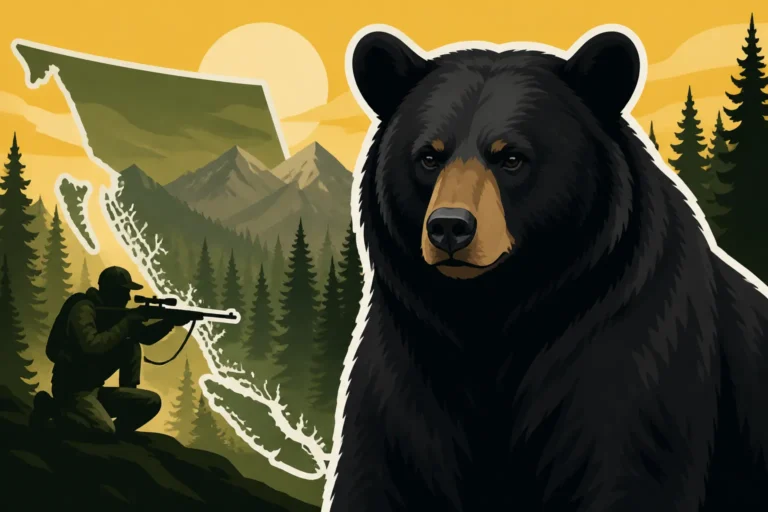
While grizzly bears grab most of the headlines when it comes to bear predation on moose, it's a mistake to underestimate the impact of black bears. Often more numerous and found across a wider range of habitats than grizzlies, black bears are also significant predators of moose calves. Like grizzlies, they are most impactful during the calving season.
A black bear, especially a large boar or a sow with cubs of her own, will actively search for newborn moose calves. These calves are small, relatively immobile for the first few days, and their scent is a powerful attractant. While a black bear might not typically take down a healthy adult moose, a wobbly newborn is a much easier target. The cumulative effect of numerous black bears picking off calves can be substantial, particularly in areas where moose densities are lower or habitat provides ample cover for both bears and moose. This predation contributes to the reasons Why Moose Numbers Fell in the Interior in some regions, as these smaller, more ubiquitous predators add another layer of pressure to vulnerable calf crops.
| Predator Species | Primary Target | Period of Highest Impact | General Hunting Strategy |
|---|---|---|---|
| Wolf | Calves, Old/Sick Moose | Year-round, especially winter | Coordinated pack hunting, endurance |
| Grizzly Bear | Moose Calves | Spring/Early Summer (calving) | Opportunistic, active searching |
| Black Bear | Moose Calves | Spring/Early Summer (calving) | Opportunistic, active searching |
The Interplay with Habitat, Disease, and Human Factors
Predators don't operate in a vacuum. Their success, and thus their impact on moose numbers, is heavily influenced by a host of other ecological and human-induced factors. It's a complex web where everything is connected, and a change in one area can have ripple effects throughout the entire system.
Habitat Degradation and Predator Efficiency
Habitat is the foundation of any healthy wildlife population. For moose, access to nutritious forage, secure calving grounds, and winter thermal cover are all critical. When habitat is degraded—through factors like industrial logging, extensive wildfires, or human development—moose populations can become more vulnerable to predation. For example, large, open clear-cuts might initially provide some browse, but they often lack the dense cover moose need to hide calves from predators. Similarly, a struggling moose herd might not have the nutritional reserves to outrun or fight off a predator, or to recover from an injury.
Conversely, some habitat changes can inadvertently benefit predators. What Wildfire Did to Moose Habitat is a fascinating and often double-edged sword. While some burns can initially provide an explosion of browse, they can also open up the landscape, making it easier for wolves to spot and pursue moose. Logging roads, while providing human access, also create travel corridors for predators, allowing them to cover more ground and access areas they might not have otherwise, changing the dynamics of Hunting British Columbia's Logging Road Network.
Disease, Parasites, and Winter Severity
A strong, healthy moose is much better equipped to survive a harsh winter or escape a predator than one that's already weakened. Disease and parasites can significantly reduce a moose's vitality, making it an easier target. Brainworm, for instance, can cause neurological damage, impairing a moose's ability to navigate or react to threats. Liver fluke can debilitate an animal, draining its energy. These silent threats often go unnoticed by the casual observer but can contribute to a moose's eventual demise, often hastened by a predator.
Similarly, severe winters with deep snow or prolonged cold periods take a heavy toll. Moose burn through their fat reserves rapidly just to stay warm and move through deep snow. A winter-starved moose is slower, weaker, and less able to defend itself or its calves against predators. In such conditions, even a modest amount of predator pressure can become a major limiting factor for a moose population already teetering on the edge. This is why understanding Why Moose Numbers Fell in the Interior often involves a combination of these stressors.
Human Influence: Hunting Pressure and Landscape Alteration
We, as humans, also play a significant role, both directly and indirectly. Hunting pressure is carefully managed in British Columbia to ensure sustainable harvests, but localized pressure can still interact with predator dynamics. If too many prime breeding-age bulls or cows are harvested, it can skew the herd's age structure and reproductive potential, potentially making it more susceptible to predation. This is why rules like British Columbia's Compulsory Reporting Rules and Mandatory Reporting for Moose Licences are so important; they provide the data needed to make informed management decisions.
Beyond direct harvest, our footprint on the landscape can dramatically alter the predator-prey balance. As mentioned, logging roads can provide easy travel for both hunters and predators. Urban and agricultural expansion reduce available habitat, concentrating moose into smaller areas where they might face increased predator pressure or reduced food sources. Even seemingly small changes, like the timing of human activity in certain areas, can impact how moose use the landscape and their vulnerability to predators. Tools like GoHunt can help hunters find detailed information on specific Management Units, allowing for a more informed approach to hunting and conservation.
Monitoring and Management Strategies in British Columbia
Understanding the complex interplay of factors affecting moose numbers is only part of the challenge. The real work lies in how we manage these populations to ensure their long-term health and provide sustainable hunting opportunities. This involves careful monitoring, adaptive management strategies, and the active participation of hunters.
British Columbia's Approach to Moose Management
British Columbia employs a science-based approach to moose management, which involves extensive data collection, population modeling, and adaptive strategies. Wildlife biologists monitor various metrics, including calf recruitment rates, adult cow survival, and bull-to-cow ratios. They also track hunter harvest data, which is crucial for assessing population trends and setting future regulations. This information helps them understand whether a population is stable, growing, or declining, and critically, why. For instance, if calf recruitment is consistently low, it flags a potential issue, which could be related to predation, poor habitat, or other factors.
The province sets hunting regulations, including season dates and bag limits, designed to manage herd health and ensure sustainable harvests. They use tools like the Limited Entry Hunting (LEH) system for certain species or areas to control harvest levels more precisely. Reading LEH Odds Before You Apply can give hunters a snapshot of the demand and supply for tags in different areas, often reflecting the perceived health of moose populations. Wildlife managers are constantly working to balance the needs of moose, their predators, and human interests, recognizing that these systems are dynamic and require ongoing assessment.
Predator Management Programs and Their Controversies
Given the significant role predators play, direct predator management has been a tool used in British Columbia in the past, and it remains a topic of considerable debate. These programs typically aim to reduce predator numbers in specific areas where moose populations are severely struggling and predation is identified as a primary limiting factor. The goal is often to give moose a chance to recover, especially in areas where habitat conditions are good but predator pressure is exceptionally high.
However, predator management is fraught with controversy, drawing strong opinions from various stakeholders, including conservation groups, hunters, and the general public. There are ethical considerations, questions about effectiveness, and concerns about potential unintended ecological consequences. Because of this, such programs are usually implemented as a last resort, after extensive research and public consultation, and are often accompanied by rigorous monitoring to assess their impact. For example, Why Grizzly Hunting Ended in British Columbia is a testament to changing public perception and conservation priorities regarding large carnivores.
The Hunter's Role in a Balanced Ecosystem
As hunters, we are not just consumers of wildlife; we are integral participants in conservation and management. Our actions directly impact the health of the ecosystem. Ethical hunting practices, adhering strictly to regulations, and taking selective animals contribute to sustainable populations. But our role goes beyond the harvest. We are often the eyes and ears on the ground, observing wildlife trends, identifying areas of concern, and reporting our observations.
By fulfilling British Columbia's Compulsory Reporting Rules and providing accurate harvest data, we provide invaluable information that wildlife managers use to make decisions. Understanding the broader ecological picture, including predator-prey dynamics, allows us to be more effective advocates for wildlife and better stewards of the land. Whether you're planning a trip to go Hunting Moose in British Columbia's Interior or simply scouting, remaining aware of the signs of predators and the overall health of the ecosystem makes you a more informed and responsible hunter.
Disclaimer
This article is for general informational purposes only and does not constitute professional advice. Laws, prices and regulations vary by location and change over time. Consult a qualified professional for guidance on your specific situation.