What Drought Does to British Columbia Game
If you've spent any time hunting in British Columbia, you've undoubtedly noticed the parched earth, the dry creek beds, and the forests that feel unnaturally brittle underfoot. Drought is a stark reality in many parts of our beautiful province, and it sends ripples through the entire ecosystem, impacting everything from the smallest grouse to the largest moose. This guide will delve into the profound ways that drought affects British Columbia's incredible game species, how their behaviour changes, and what hunters need to consider when facing these challenging conditions.
How Drought Stresses British Columbia's Hunting Landscape
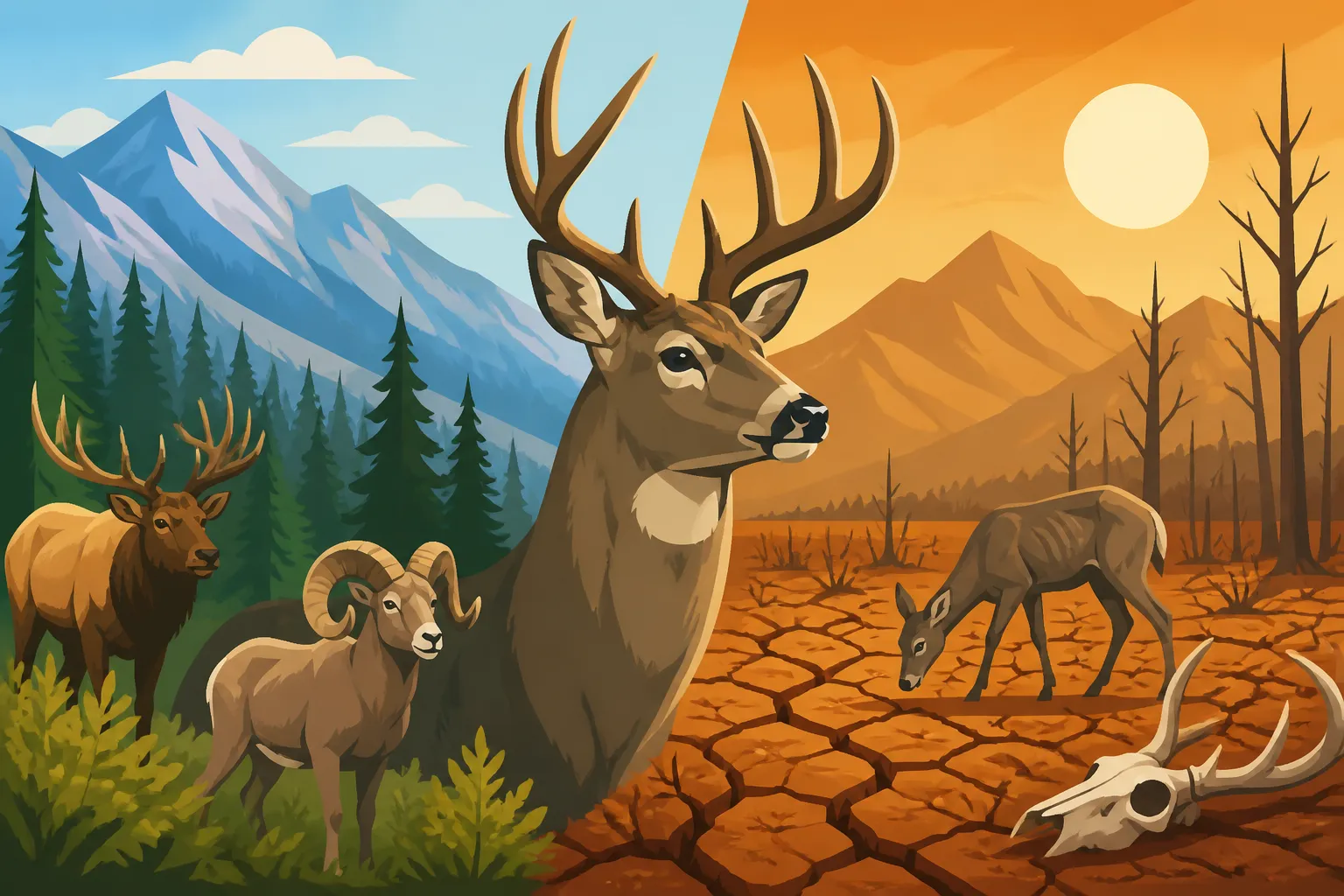
Drought isn't just about a lack of rain; it's a systemic stressor that changes the very fabric of the landscape. For hunters and wildlife alike, prolonged periods of dryness mean a fundamental shift in how animals survive and thrive, directly impacting their health, distribution, and the success rates of our hunts. It forces us to rethink traditional hunting grounds and strategies.
Vegetation Stress and Nutritional Decline
When the rains don't come, or come in insufficient amounts, the vegetation that forms the base of the food chain takes a huge hit. Lush grasslands turn brown and crispy, underbrush wilts, and even hardy browse species struggle to produce new growth. This isn't just an aesthetic issue; it's a nutritional crisis for many game animals.
Imagine a mule deer doe trying to nurse her fawns in an area where the once-vibrant forbs and grasses are now dried husks. Her milk production will suffer, directly impacting the fawns' ability to grow strong and healthy. This can lead to lower fawn survival rates, a critical factor for herd recruitment. Similarly, male animals like elk and moose rely heavily on nutrient-rich vegetation during spring and summer for antler growth. Poor nutrition due to drought can result in smaller antlers, which isn't just a concern for trophy hunters, but also an indicator of overall herd health and vigour. The long-term implications for a herd's genetic potential and resilience can be significant.
Beyond the immediate impact on growth, stressed vegetation also means less available cover. Thinned-out undergrowth offers less concealment from predators, making young and vulnerable animals even more exposed. This double-whammy of reduced nutrition and increased exposure compounds the difficulties for wildlife trying to navigate a drought-stricken landscape. It's a tough cycle where poor plant health leads to poor animal health, which can then take years to recover even when conditions improve.
Water Scarcity and Concentration Points
Perhaps the most obvious and immediate effect of drought is the disappearance of water. Small springs dry up, seasonal creeks vanish, and even larger ponds and wetlands can shrink dramatically or become stagnant. This forces animals to drastically alter their daily routines and travel further to find reliable water sources.
In many parts of British Columbia, especially the Interior, animals are accustomed to a network of creeks and small seeps. When these disappear, they're left with fewer options. This often means game animals are forced to concentrate around the remaining larger rivers, lakes, or permanent waterholes. While this might seem like a boon for hunters, allowing for easier scouting of these pinch points, it also creates significant problems for the animals. Increased concentration means higher competition for available resources, greater stress, and a much higher risk of disease transmission. If one animal has a parasite or illness, it can spread rapidly through a concentrated group sharing a single water source.
For hunters, identifying these critical water sources becomes paramount. Traditional scouting routes might prove fruitless if the usual watering holes are gone. Using tools like mapping applications (GoHunt can be incredibly useful here) to pinpoint larger, more reliable water bodies and then focusing your efforts on the trails leading to and from these spots can be a game-changer. It's about adapting your strategy from looking for animals across a broad landscape to focusing on the specific areas where they must go to survive. This shift in animal behaviour directly influences where you'll find game.
Direct Effects on Specific Game Species
The impact of drought isn't uniform; different species respond in varied ways depending on their specific dietary needs, habitat preferences, and physiological resilience. Understanding these species-specific effects is crucial for any hunter hoping to be successful in dry conditions.
Deer Species: Mule Deer, Blacktail, and Whitetail
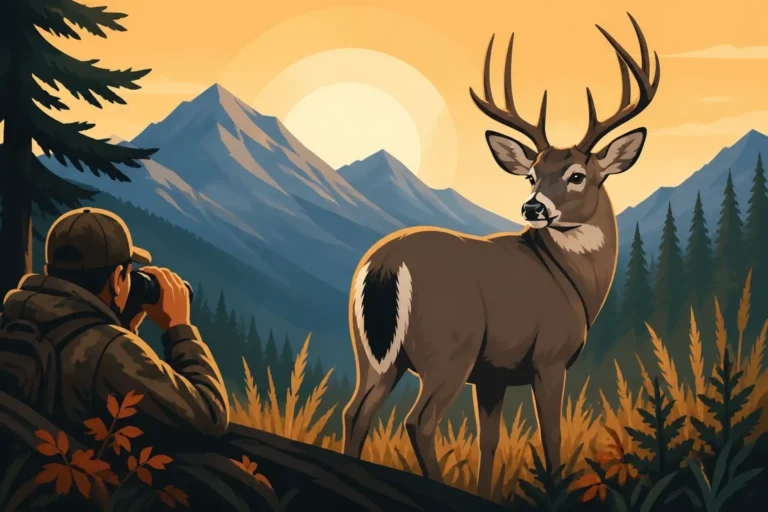
British Columbia's deer populations, including the majestic mule deer, the elusive blacktail, and the adaptable whitetail, are particularly sensitive to drought conditions. Their diets often consist of a mix of grasses, forbs, and succulent browse, all of which are compromised by a lack of moisture.
For mule deer in the Interior, where hot, dry summers are common, drought can severely limit the growth of crucial summer forage. This directly impacts body condition leading into the critical fall and winter periods. Does might enter winter in poorer shape, making them less likely to conceive or carry fawns to term. Fawns born in drought years also tend to be smaller and less robust, leading to reduced survival rates. This isn't just theory; experienced hunters often report seeing fewer fawns or fawns that appear undersized during dry years. Additionally, antler development in bucks is highly dependent on good nutrition. A drought-stricken summer can mean a noticeable reduction in antler size and mass, as the animal's energy is redirected from non-essential growth (antlers) to basic survival. Hunters might find themselves adapting their hunt plans, such as when Mule Deer Hunting in the Okanagan Breaks.
Black-tailed deer on the coast, while accustomed to wetter climates, can still suffer during unusual dry spells. Their habitat in dense forests and regenerating cutblocks still relies on moisture for lush undergrowth. If this dries out, they may be pushed towards riparian zones or deeper, older growth timber that retains more moisture. Whitetails, often found in valley bottoms and agricultural edges, can also struggle as natural forage dries up, sometimes leading them to depend more on cultivated crops, which can bring them into conflict with landowners. Across all deer species, diminished forage can also impact their general metabolism and ability to recover from stress, making them more susceptible to disease or winter mortality.
Moose and Elk in Dry Conditions
Moose and elk, being larger animals with different dietary needs, experience drought in their own distinct ways. Both species are browsers, relying on a variety of woody plants and forbs, but their preferred habitats mean they seek out different types of moisture.
Moose are particularly tied to riparian areas, wetlands, and willow bottoms. They thrive on the succulent aquatic vegetation and lush browse found in these moist environments. When these areas dry up, moose are forced to move, often into less ideal habitats or to higher elevations where some moisture might persist. This displacement can increase their energy expenditure, leading to poorer body condition. Furthermore, the loss of these cool, wet habitats means they are more exposed to heat stress, which can be a major factor in their health, especially for large bulls during the rut. Hunters trying their hand at Calling Moose in the Rut might find their usual willow flats barren and quiet, forcing them to scout new, higher ground. Drought also affects the quality of their winter browse, as plants stressed in summer often produce less nutritious winter growth, setting the stage for a tougher winter.
Elk, whether the coastal Roosevelt or the Rocky Mountain variety, also suffer from a lack of quality forage. While they can range across varied terrain, dry conditions mean less available grass and forbs, especially in open country. Like deer, poor nutrition impacts calf survival and antler development. In dry years, elk may move into denser timber for shade and what little moisture can be found, making them harder to locate. This change in distribution can also lead to increased pressure on localized, small green-ups, further stressing those areas. Hunters looking for Bugling Roosevelt Elk on the Coast might find the typical meadows and clearings unusually quiet, with bulls holding tighter to timbered slopes where conditions are slightly cooler and greener.
Bears and Small Game Challenges
Even British Columbia's omnivorous black bears and various small game species are not immune to the far-reaching effects of drought. Their survival often hinges on seasonal food sources that are directly impacted by moisture levels.
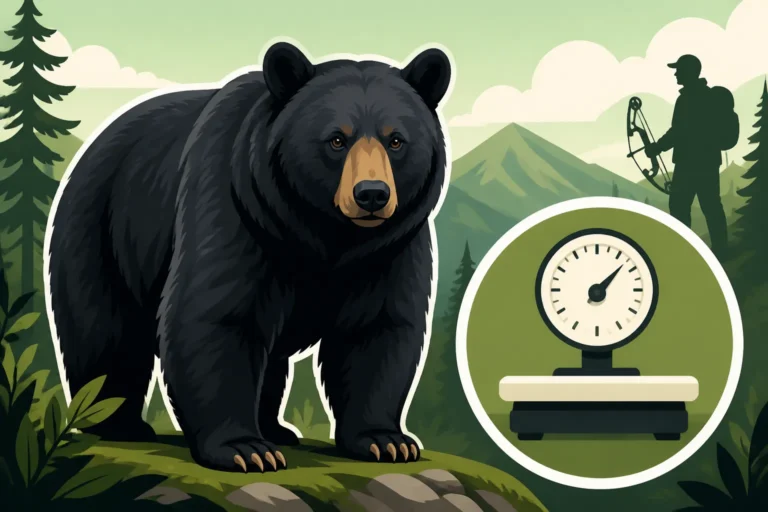
Black bears, for instance, rely heavily on seasonal berry crops like huckleberries, saskatoons, and blueberries to build up crucial fat reserves for hibernation. A dry spring and summer can devastate these berry crops, leading to a significant food shortage. When natural food sources fail, bears become more desperate and can be pushed into agricultural areas, closer to human habitation, or forced to forage for less nutritious alternatives. This can lead to increased conflicts with humans and a higher likelihood of bears entering winter in poor condition, impacting their cub production and survival. You might find bears abandoning their usual high-country berry patches for river bottoms or lower elevation areas where some moisture might have sustained a meagre food supply. This change makes Hunting Fall Bears on British Columbia Berry Slopes a much trickier proposition.
For small game like ruffed grouse, blue grouse, and ptarmigan, drought impacts their food (insects, seeds, green vegetation) and water availability. Young chicks are particularly vulnerable to dry conditions, as they need constant access to water and moisture-dependent insects for growth. Adult birds may also be forced to travel further for water, exposing them to more predators. A severe drought can reduce brood success and overall bird numbers, making Hunting British Columbia's Grouse Season significantly tougher in subsequent years. Even seemingly minor changes, like the wilting of ferns or the drying of damp soil, can reduce insect populations that are vital for young grouse.
Behavioral Shifts and Hunting Implications
Drought doesn't just reduce numbers; it fundamentally alters the daily lives and movement patterns of game animals, creating new challenges and opportunities for the observant hunter. Understanding these shifts is key to adapting your approach.
Altered Movement Patterns and Activity Levels
When their usual food and water sources vanish, game animals have no choice but to change their routines. They'll often shift their core home ranges to areas that retain moisture, such as riparian zones along rivers, shaded north-facing slopes, or higher elevations where residual snowmelt or cloud cover might still provide some relief.
This means that areas you might have historically hunted with success could be barren, while previously overlooked pockets become hotspots. For instance, mule deer might abandon parched south-facing slopes in favour of the cooler, damper north-facing aspects of a mountain, or concentrate in deep timber where humidity is slightly higher. Animals may also become more nocturnal to avoid the heat and conserve moisture, feeding primarily during the cooler hours of dawn, dusk, and even overnight. This makes midday hunting extremely difficult and emphasizes the need for early morning and late evening stalks. When you're Hunting British Columbia's Alpine in September, look for those high basins with seeps and lingering snow patches, as they might be the only viable water sources for miles, drawing animals from lower, drier regions.
These altered patterns require extensive scouting, both physically and through mapping software. Using satellite imagery tools like GoHunt, you can often identify greener patches, denser timber, or river systems that could be acting as refuges for game. Cross-referencing current conditions with historical data can also provide clues about where animals might be pushed during extreme dry periods. Be prepared to put in the miles and think outside the box when it comes to locating game in these challenging conditions.
Increased Vulnerability and Hunter Adaptations
While drought might concentrate animals, making them seem easier to locate, it also puts them under immense stress, increasing their vulnerability in several ways. This stress can impact their senses, making them less alert, but also makes them less resilient to other pressures.
Concentrated animals, as mentioned, are more susceptible to disease transmission and can become easier targets for predators. Their physical condition might be poorer, meaning they may not have the stamina to escape a chase or survive a harsh winter. For hunters, this translates into a need for ethical considerations. While you might find an animal more easily, its overall health might be compromised. It's important to be honest with yourself about the condition of an animal before taking a shot, and to ensure you're making a clean, ethical harvest, especially during stressful conditions for the animals. Meat Care in British Columbia's Warm Early Seasons becomes even more critical when animals are already stressed and temperatures are high.
Hunter adaptations in drought years are paramount. First, focus intensely on water. Glass areas around known, reliable water sources from a distance. Secondly, target cooler, shaded areas. Think north-facing slopes, dense timber, and riparian corridors. Thirdly, be prepared for game to be active primarily during low-light hours; adjust your hunting schedule accordingly. Consider extended sits at key ambush points near water or cover, rather than simply still-hunting vast, dry areas. Tools like GoHunt can help you overlay public land boundaries with water features, so you know exactly where you can legally access and hunt these critical zones. This proactive adaptation is what separates successful hunters from those who simply repeat old strategies to diminishing returns.
Resilience and Future Considerations for British Columbia Game
Drought is becoming an increasingly common feature of British Columbia's climate, making it an essential factor in long-term wildlife management and hunting planning. Understanding the broader context and potential mitigation strategies is vital for the health of our game populations.
Role of Habitat Management and Resilience
While we can't control the weather, effective habitat management plays a critical role in helping wildlife survive and even thrive through periods of drought. Healthy, diverse habitats are more resilient, offering animals more options when resources become scarce.
Forestry practices that promote diverse age classes of timber and maintain healthy riparian buffers along waterways are crucial. Prescribed burns, when managed carefully, can create mosaic habitats that, paradoxically, can be more drought-resistant in the long run by reducing fuel loads and promoting new, nutrient-rich growth when moisture eventually returns. Restoring wetlands and maintaining connectivity between different habitat types allows animals to move more freely to find resources. For example, a healthy mosaic of old growth and Hunting a Recent Cutblock in Its Third Year can provide both cover and forage in varying conditions. Government agencies and conservation groups are continuously working on these initiatives, but as hunters, we also have a role to play in advocating for and supporting sound habitat management policies.
Individual landowners and hunting groups can also contribute by enhancing small-scale water sources on private lands or through stewardship projects on public land. Simple measures like creating small guzzlers or enhancing existing springs can make a significant difference in localized areas, providing critical refuges during dry spells. These efforts, though often localized, collectively contribute to the overall resilience of British Columbia's game populations, creating pockets of sanctuary where animals can find respite from the harshest effects of drought.
The Long-Term Outlook for British Columbia Game
The reality is that drought is likely to remain a significant factor in British Columbia's ecosystem. The long-term outlook for game species is complex and depends heavily on the frequency and severity of future dry spells, as well as ongoing management efforts.
Repeated droughts can lead to chronic stress on game populations, affecting overall herd health, productivity, and resilience to other challenges like harsh winters or disease outbreaks. It can shift species distributions over time, pushing certain animals out of historically prime habitats if those areas become too consistently dry. For example, we might see mule deer herds adapt by spending more time at higher elevations, impacting their Why Mule Deer Move to Winter Range habits. This necessitates adaptive management strategies from wildlife agencies, including potentially adjusting season dates, bag limits, or even special draws to account for population fluctuations due to environmental stressors. Information provided by platforms like GoHunt can help inform these decisions by tracking long-term trends in habitat conditions and animal distribution.
As hunters, our role extends beyond the immediate pursuit of game. It involves being informed, adapting our hunting practices, supporting conservation efforts, and understanding that the health of British Columbia's game populations is intrinsically linked to the health of the broader ecosystem. While drought presents undeniable challenges, with thoughtful management and adaptive approaches, we can continue to cherish and pursue British Columbia's incredible wildlife for generations to come. The future of hunting in this province relies on our ability to understand and respond to these changing environmental realities.
| Game Species | Primary Drought Impact | Behavioral Changes | Hunter Considerations |
|---|---|---|---|
| Mule Deer | Reduced forage, water scarcity | Concentrate near water, seek shade, increased nocturnality, higher elevations | Focus on riparian zones, north slopes; hunt early/late; use maps for water. |
| Blacktail | Reduced undergrowth, less cover | Move to denser, moist timber; seek reliable springs or creeks | Scout deep timber, focus on shaded draws; patience near water. |
| Whitetail | Drying natural forage | Move towards agricultural edges, river bottoms; can become more visible | Target valley bottoms near crops or rivers; be aware of private land. |
| Moose | Loss of wetland/riparian browse, heat stress | Abandon dry willow flats, move to higher ground, seek shade and deep water | Prioritize permanent wetlands, deep timber near water; less active mid-day. |
| Elk | Reduced grass/forb quality, water stress | Move into dense timber for cover, concentrate on residual green-ups | Scout shady timber, water sources; may be less vocal during rut. |
| Black Bear | Berry crop failure, reduced food | Forage widely, move closer to human areas or lower elevations; reduced fat reserves | Target remaining berry patches, river bottoms; ethical shot selection. |
| Grouse | Reduced insects, dry vegetation | Concentrate near water, seek damp areas; lower brood survival | Focus on damp creek beds, dense cover; numbers may be reduced. |
Disclaimer
This article is for general informational purposes only and does not constitute professional advice. Laws, prices and regulations vary by location and change over time. Consult a qualified professional for guidance on your specific situation.