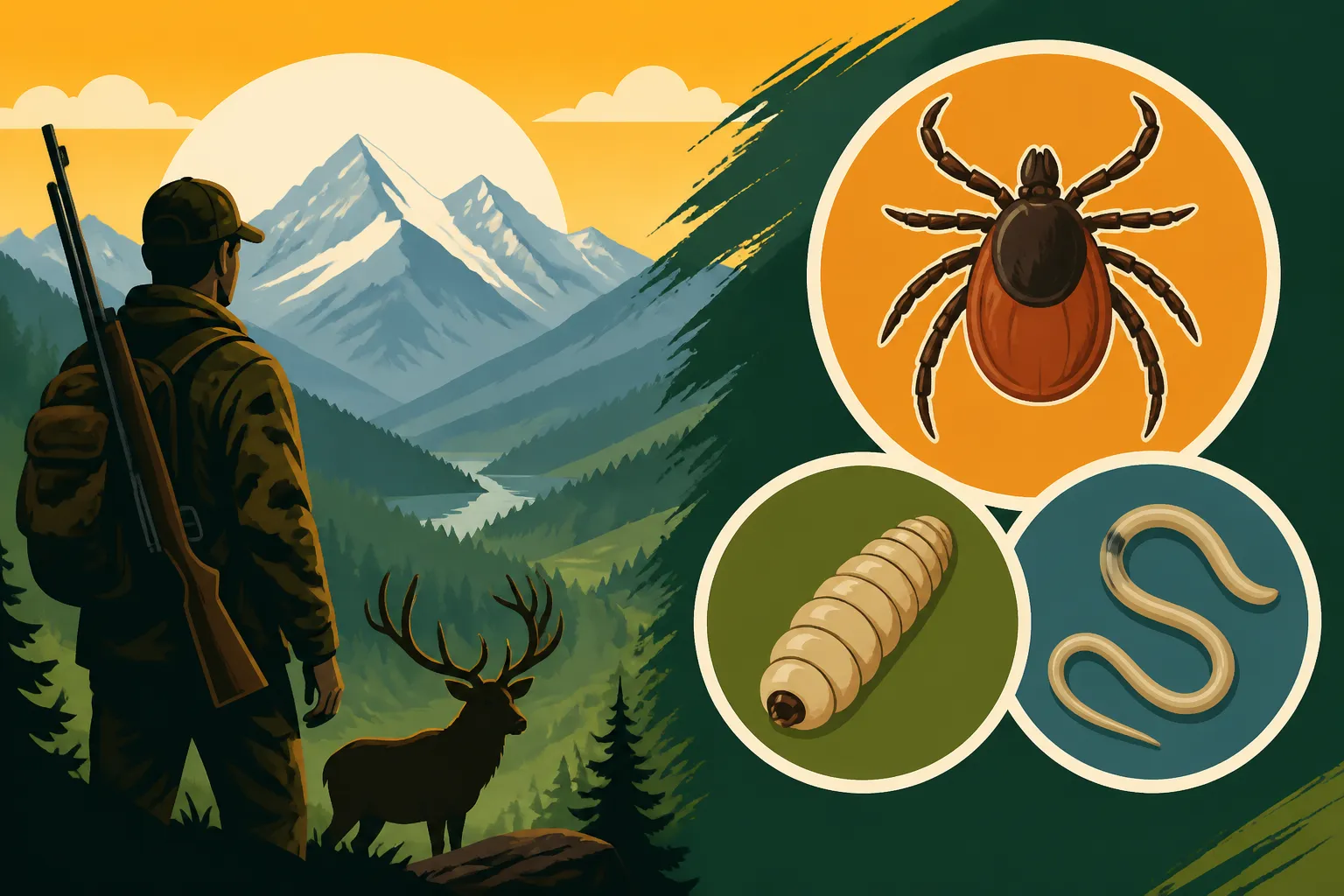
What Ticks and Parasites Show Up in Game
There's nothing quite like the thrill of a successful hunt in British Columbia, but that excitement can quickly turn to a moment of "what the heck is that?" when you discover ticks, strange growths, or other parasites on your hard-earned game. It's a common and often unsettling experience, leaving many hunters wondering if their meat is still good to eat and what exactly they've found. This guide aims to clear up the confusion, explain the common ticks and parasites you might encounter in BC's wild game, and provide practical advice on how to handle your harvest safely and confidently.
The Unavoidable Reality of Pests and Parasites in the Wild
Let's face it: wildlife lives a wild life, and that includes coexisting with a whole host of tiny critters, both on and within their bodies. It's a natural part of the ecosystem, not a sign of a "sick" animal in most cases, though certainly, severe infestations can impact an animal's health. For hunters, encountering these passengers is just part of the experience, but knowing what you're looking at and what precautions to take is paramount for both your safety and the quality of your venison or other game meat.
Why Wild Game Has Parasites
Think about it: these animals spend their entire lives outdoors, foraging, grazing, and interacting with their environment. They're constantly exposed to insects, larvae, and other microscopic organisms that are simply trying to make a living. From the high alpine meadows to the dense coastal forests, every habitat in British Columbia has its own cast of characters. A deer browsing on shrubs, a moose wading through a marsh, or a bear digging for grubs – they're all susceptible to picking up various hitchhikers. It's not a reflection of poor hygiene on the animal's part, but rather the reality of the food chain and natural biological cycles.
Hunter Concerns: Safety and Palatability
The immediate concern for most hunters upon discovering a parasite is, understandably, "Is this meat safe to eat?" and "Will it taste weird?" The good news is that for many common parasites, proper cleaning, cooking, and sometimes trimming, will render the meat perfectly safe and palatable. However, there are definitely instances where caution is warranted, and understanding the difference is key. No one wants to waste good meat, but neither does anyone want to risk their health. Our goal here is to equip you with the knowledge to make informed decisions in the field and back at camp. Knowing when to simply shrug it off and when to take extra steps, or even walk away, is invaluable for any responsible hunter navigating British Columbia's diverse environments.
Common Ticks and External Parasites on British Columbia Game
When you're field dressing or skinning your animal, the most obvious parasites are often those on the outside. Ticks, lice, and various fly larvae are frequent finds, especially depending on the season and the specific game species.
Ticks: The Persistent Bloodsuckers
Ticks are probably the most common external parasite hunters encounter. In British Columbia, we have a few species that like to hitch a ride on deer, moose, elk, and even bears. The Rocky Mountain wood tick and the winter tick are two of the more prevalent ones. You'll find them embedded in the hide, often around the neck, ears, and armpits where the skin is thinner.
- Rocky Mountain Wood Tick (Dermacentor andersoni): These ticks are active in spring and early summer, typically dropping off by mid-July. You might find them on deer, elk, and moose. While they can transmit diseases like Rocky Mountain spotted fever and Colorado tick fever to humans, these instances are relatively rare in BC. For the animal, a few ticks usually don't pose a major health threat, but heavy infestations can cause irritation and blood loss. When you find them, simply remove them carefully with tweezers, getting as close to the skin as possible and pulling straight up. The meat itself is unaffected by their presence on the hide. Just be sure to check yourself thoroughly after handling the animal!
- Winter Tick (Dermacentor albipictus): These are a huge concern for moose populations, though they also affect deer and elk. Unlike other ticks, they spend their entire life cycle on one host, often appearing in massive numbers from late fall through winter. A "ghost moose" covered in these ticks, with patches of hair rubbed off from scratching, is a sad sight and indicates a severe infestation that can lead to significant blood loss, weakness, and even death, especially in calves. If you harvest an animal with a heavy winter tick load, the hide will often look ragged and patchy. Again, the meat itself is generally safe, but the animal's overall health might be compromised, which could affect meat quality if it was severely stressed or emaciated. This is particularly relevant when you're thinking about Moose Hunting British Columbia's Interior.
Lice and Mites: Tiny but Numerous
While less noticeable than ticks, lice and mites are also common external parasites. You might not see them unless you're really looking closely, but they can sometimes be spotted during skinning.
- Lice: Different species of lice can infest various game animals. They cause irritation and can sometimes lead to hair loss, but rarely cause serious disease in the host animal. They are species-specific, meaning deer lice won't infest humans, so there's no direct risk to hunters. The meat is completely safe.
- Mites: Mites can cause conditions like mange, where an animal will have crusty, scaly skin and significant hair loss. This is more common in predators like coyotes or wolves, but can occasionally be seen on deer. A severe case of mange can weaken an animal considerably. If you encounter an animal with severe mange, the hide might not be salvageable, and while the meat could still be edible if the animal is otherwise healthy and the infection hasn't spread systemically, it's a judgment call. In most instances, you'd want to trim away any affected areas and cook thoroughly.
Botfly Larvae (Warbles): The "Gross-Out" Factor
These are perhaps the most visually disturbing external parasites you'll encounter. Known as "warbles" or "grubs," these are the larvae of botflies.
- What they are: You'll typically find them as large, grub-like larvae encased in a swollen sac under the skin, often on the back or flanks of deer, moose, or caribou. They create a breathing hole in the skin, which is how the mature larva exits to pupate in the soil.
- Impact on game: For the animal, a few warbles are usually harmless, causing localized irritation. A heavy infestation could potentially weaken an animal, but it's rare.
- Impact on hunters: This is where the "gross-out" factor comes in. Finding a handful of these squirming grubs under the hide can be quite a shock. The good news? They only affect the hide and the subcutaneous tissues. The meat itself is perfectly fine and safe to eat. Simply cut out the affected areas, discard the larvae and surrounding tissue, and proceed with processing your animal. The presence of warbles should absolutely not deter you from salvaging the rest of the meat. You'll often find these more frequently in spring and early summer harvests.
Internal Parasites and What They Mean for Your Harvest
While external parasites are often visible and easily dealt with, internal parasites can be a bit more unsettling because they're found within the body cavity or muscle tissue.
Liver Flukes: A Common Find
Liver flukes are flat, leaf-shaped worms that live in the liver and bile ducts of various ruminants, including deer, elk, and moose.
- How they look: When you're field dressing, you might notice white tracks or hardened cysts on the surface of the liver, or if you slice the liver open, you might see the actual flukes within the bile ducts.
- Impact on game: A light infestation usually doesn't harm the animal significantly, but heavy infestations can cause liver damage, affecting the animal's overall health and potentially leading to poor condition.
- Hunter action: If you find liver flukes, the general consensus is that the liver itself should be discarded, or at the very least, any affected areas trimmed out. However, the rest of the meat from the animal is entirely safe for human consumption as liver flukes cannot infect humans from consuming cooked meat. When you're working on Field Dressing in British Columbia's Wet Weather, pay close attention to the organs.
Lungworms and Stomach Worms: Rarely a Concern for Meat Quality
Many wild game animals carry various species of lungworms and stomach worms. These parasites live in the respiratory or digestive tracts.
- Detection: You're unlikely to notice these unless you specifically examine the lungs or stomach contents. Even then, they are often small and easily overlooked.
- Impact on game: Like other parasites, a low worm burden is normal. Heavy infestations, particularly in young or stressed animals, can cause respiratory issues or digestive problems, leading to poor health.
- Hunter action: These parasites pose no threat to humans and do not affect the safety or quality of the muscle meat. The organs where they reside (lungs, stomach, intestines) are typically discarded during field dressing anyway.
Cysts and Abscesses: When to Pay Attention
Sometimes you'll encounter fluid-filled cysts or pus-filled abscesses in muscle tissue or organs. These aren't always parasitic, but they warrant careful inspection.
- Cysticercosis (Tapeworm Cysts): These are the larval stages of tapeworms and can appear as small, fluid-filled cysts in muscle tissue, especially in the heart, diaphragm, or masseter muscles (jaw muscles) of deer and moose. They look like tiny grains of rice or small bubbles.
- Impact on game: These cysts generally don't cause significant harm to the animal unless the infestation is extremely heavy.
- Hunter action: If you find a few isolated cysts, you can simply trim them out. The surrounding meat is safe to eat, provided it's cooked thoroughly. If the infestation is widespread throughout the muscle tissue, affecting a large portion of the animal, it's a difficult decision. While cooking thoroughly should kill the larvae, the aesthetic and psychological factor of consuming heavily infested meat might lead some hunters to discard that portion or even the entire animal. This is one of those situations where personal comfort levels come into play. Always be thorough when you're Quartering a Moose in Grizzly Country or any large game.
- Abscesses: These are localized pockets of pus, often caused by bacterial infections from injuries or other sources. They can appear anywhere in the body, including muscle tissue.
- Hunter action: Any meat visibly affected by an abscess, including the pus and surrounding discolored or odorous tissue, should be trimmed away and discarded. If an abscess is widespread or deep, tainting a large section of meat, you might need to discard a significant portion. If multiple abscesses are found throughout the animal, or if the animal appears generally unwell, the entire animal might be unfit for consumption. Your nose is your best tool here: if it smells off, it probably is.
Handling Game with Parasites: Safety First
Discovering parasites doesn't have to ruin your hunt or your harvest. With proper handling and common sense, you can ensure your game meat is safe and delicious.
Field Dressing and Inspection
The critical first step is a thorough inspection during field dressing. This is where you get your first real look inside the animal.
- Look and Feel: As you gut the animal, pay attention to the organs. Are the liver, lungs, and stomach looking healthy? Do you see any unusual growths, discolorations, or parasites? Take your time.
- Odor Check: Your nose is an invaluable tool. Healthy game meat should have a fresh, slightly gamey smell. Any strong, foul, or unusual odors are a red flag. This can sometimes indicate a widespread infection that might make the meat unfit for consumption, regardless of visible parasites.
- Cleanliness: Maintain as much cleanliness as possible. Wear gloves, and keep your knives clean. Avoid puncturing the intestines, which can contaminate the meat with bacteria. If you're Keeping Meat Cool in an Early Season, swift and clean field dressing is even more important.
Trimming, Cleaning, and Cooking
For most parasitic findings, the solution lies in proper processing.
- Trim Generously: For any localized parasites (like warbles under the hide, or small cysts in muscle), simply cut out the affected tissue generously. Don't be shy about discarding an extra pound or two of meat to ensure the rest is pristine.
- Wash Thoroughly: After skinning and butchering, thoroughly rinse any blood or debris from the meat. This is particularly important if you've been working in less-than-ideal conditions, such as during Hunting British Columbia's Coastal Rain where everything gets muddy.
- Cook to Temperature: This is your ultimate defense against any remaining microscopic concerns. Always cook game meat to the appropriate internal temperature. For ground meat or mechanically tenderized cuts, this is typically around 160°F (71°C). For whole muscle cuts, 145°F (63°C) followed by a three-minute rest is often recommended. This heat will kill virtually all parasites and bacteria, rendering the meat safe. A good meat thermometer is your friend in the kitchen.
Hygiene in Camp and At Home
Good hygiene isn't just about preventing parasites from getting into your system, it's also about preventing cross-contamination.
- Gloves, Always: When handling raw game, especially when field dressing, always wear gloves. This protects you from potential pathogens, ticks, and even just the mess.
- Sanitize Everything: Knives, cutting boards, work surfaces, and even your hands need to be thoroughly cleaned and sanitized after handling game. Use hot, soapy water, and consider a diluted bleach solution for surfaces. This is critical, especially when you're preparing meat for Hanging Meat at a Backcountry Camp or processing it further at home.
- Separate Utensils: Use separate cutting boards and utensils for raw game and cooked foods, or any foods that will be eaten raw. This prevents cross-contamination in your kitchen.
When to Be Concerned and What to Report
While many parasite encounters are manageable, there are times when an animal's condition warrants greater concern or even reporting to wildlife officials.
Signs of Serious Illness in Game Animals
Sometimes, parasites are just one piece of a larger puzzle that indicates an animal is genuinely unwell. Look for these red flags:
- Emaciation: Is the animal unusually thin, with prominent ribs and hip bones, despite being in a season when it should be putting on weight?
- Lethargy or Abnormal Behavior: Did the animal seem unusually slow, uncoordinated, or display any strange behavior before the harvest?
- Widespread Abscesses or Lesions: If you find multiple, extensive abscesses, or large, unusual growths throughout the body, this could indicate a systemic infection or disease.
- Abnormal Organ Appearance: Beyond a few liver flukes, if the liver, lungs, or other internal organs appear severely damaged, discolored, or covered in numerous large growths, this is a serious concern.
- Unusual Odor or Texture: As mentioned, any foul or unusual smell, or an abnormal slimy or mushy texture to the meat, should make you pause.
If you encounter an animal displaying several of these signs, it's often best to err on the side of caution and discard the carcass. No amount of meat is worth risking your health or the health of others. Also, consider the ethical implications of consuming an animal that was clearly suffering from a debilitating illness.
British Columbia's Compulsory Reporting and Disease Surveillance
British Columbia has specific rules regarding compulsory inspection and reporting, especially for certain species or unusual finds. While most common parasites don't require reporting, any unusual or severe disease symptoms should be brought to the attention of the BC Conservation Officer Service or your regional wildlife biologist.
- What to Report: If you find something truly bizarre, a widespread internal infection, or an animal showing severe signs of disease (not just a few ticks), it's responsible to report it. Take photos, note the location (MU, GPS coordinates), and contact the appropriate authorities. They may wish to collect samples for testing. This is part of the British Columbia's Compulsory Reporting Rules for certain species or situations. Even if not mandated, reporting unusual findings contributes to wildlife health monitoring.
- CWD Surveillance: While not a parasitic disease, Chronic Wasting Disease (CWD) is a major concern for cervid populations (deer, elk, moose, caribou) across North America. It's a fatal neurological disease. British Columbia has an active British Columbia's CWD Surveillance Program in place. If you hunt in areas designated for CWD surveillance, you may be asked to submit samples. Always follow these guidelines, as it's vital for detecting and managing this serious disease. Understanding What Information a Harvest Report Needs is also crucial for contributing to wildlife management.
- "Wasting" Game Meat: Hunters have a responsibility to utilize the game they harvest, and there are rules against Rules on Wasting Game Meat. However, if an animal is genuinely unfit for human consumption due to widespread disease or contamination, these rules typically have provisions for that. Always document why you've deemed meat unfit (photos, notes) to avoid any misunderstandings.
Utilizing Resources and Tools
Don't feel like you have to be a wildlife pathologist in the field. There are resources to help you.
- Online Resources: Government wildlife agencies often have guides on common diseases and parasites found in game.
- Local Experts: Your local BC Conservation Officer Service detachment, wildlife biologists, or even experienced taxidermists and butchers can be a wealth of knowledge when you encounter something unfamiliar.
- Community Forums: Online hunting communities or social media groups focused on British Columbia hunting can also offer advice and shared experiences, though always verify information from official sources. When you're researching potential hunting areas or checking out information on GoHunt for a specific British Columbia Management Unit Map, keep an eye out for any notes or discussions related to local wildlife health. Building your knowledge is part of being a responsible hunter.
Overview of Common Parasites and Meat Safety
Here's a quick summary of some common finds and their implications for your harvested game:
| Parasite Type | Common Location (on animal) | Effect on Animal | Meat Safety Implications for Hunter |
|---|---|---|---|
| Ticks (Wood, Winter) | Skin, ears, neck | Irritation, blood loss (severe in winter tick) | Meat is safe; remove ticks from hide. Check self. |
| Lice & Mites | Skin, hair | Irritation, hair loss (mange) | Meat is safe; hide may be compromised. Trim affected skin. |
| Botfly Larvae (Warbles) | Under skin (back, flanks) | Localized swelling, minor irritation | Meat is safe; trim out larvae and affected surrounding tissue. |
| Liver Flukes | Liver, bile ducts | Liver damage (heavy infestation) | Discard liver; muscle meat is safe. |
| Lungworms/Stomach Worms | Lungs, digestive tract | Respiratory/digestive issues (heavy infestation) | Organs typically discarded; muscle meat is safe. |
| Tapeworm Cysts | Muscle (heart, diaphragm, jaw) | Minor (unless widespread) | Trim isolated cysts; cook thoroughly. Discard if widespread and unappetizing. |
| Abscesses (Pus Pockets) | Any tissue, including muscle | Localized infection | Trim affected meat generously. Discard if widespread, odorous, or severe. |
Ultimately, a hunter's responsibility extends beyond the shot. It includes proper care of the animal, respectful handling of the meat, and knowing when to seek advice or report unusual findings. By understanding the common parasites in British Columbia's game, you can ensure your hunting experiences remain safe, ethical, and rewarding.
Disclaimer
This article is for general informational purposes only and does not constitute professional advice. Laws, prices and regulations vary by location and change over time. Consult a qualified professional for guidance on your specific situation.